


 Ελληνικά
  English (UK)
  Русский
  العربية
  日本語
日本語  한국어
한국어  Magyar
  Türkçe
  Español
  Čeština
  Svenska
  Português
  Suomi
Suomi  Nederlands
  Română
  Italiano
  Français
  Polski
  Українська
  Deutsch
  简体中文
简体中文  Slovenčina
 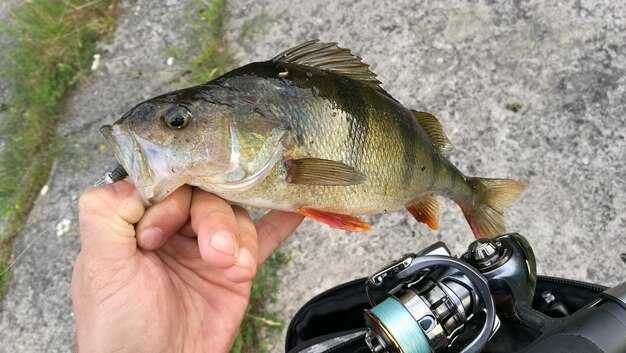 Ο Απόλυτος Οδηγός για το Crappie Fishing – Τεχνικές, Εξοπλισμός και Συμβουλές">

Choose a light, responsive graphite rod around 6’6″ to 7’0″ paired with a compact 1000–2000 size spinning reel and 6–8 lb test line, plus a 12–18 in fluorocarbon leader. This setup lets you still feel a subtle bite, keeps you in control near cover, and helps you land more fish. Ensure the reel has a smooth drag and the rod tip stays responsive, so you can arrive at the dock prepared for fast, accurate hooksets. Being consistent with this rig improves your strike detection even when the water is calm.
For crappie, use a variety of lures και rigs to keep your δόλωμα moving convincingly. Start with a 1/32″ to 1/16″ jig head paired with a 2″–3″ soft plastic or live minnows; for schooling fish, a sinking jig reaches the strike zone faster. The availability of colors matters less than matching water clarity and light conditions; carry plain white, chartreuse, and glow options, and keep a few size options to match the hatch. There are panfish out there near docks in the early morning, and theyre willing to bite if you present the lure to the lips with a steady retrieve.
Move along weed edges, docks, and sunken timber; crappie stack into shadows, and their spines along the dorsal fin give them away when you get a look. If a school moves, keep the δόλωμα sinking just enough to stay in the strike zone while you stay near cover. When you feel a thump, pause briefly to let the fish mouth the lure, then lift the rod tip to set the hook. Instead, maintain a steady, μετακίνηση retrieve to keep the lips on the lure and bring the fish to landing more quickly.
From a shoreline stance, keep a spare rigs ready to switch when μετακίνηση fish shift depth. For minimum gear headaches, carry a small tackle tray with 1/32″ to 1/16″ jig heads, two sets of hooks, and a couple of lures aimed at shallow water. If you fish from a dock, extend your line so you can reach beneath pilings; crappie hug dock shadows. Use a light leader so your line stays nearly invisible in clear water, and adjust the weight to a steady sinking rate in currents.
The Complete Crappie Fishing Guide: Techniques, Gear, and Practical Tips
Cast toward shore structure with a slow, tight motion to provoke takes right away; start with a light jig (1/16 oz or 1/32 oz) tipped with a soft plastic or live minnow to maximize bite response.
Gear setup matters: choose a 6’6″ to 7′ lightweight spinning rod paired with a smooth reel and 6–8 lb monofilament or fluorocarbon line. Use a short fluorocarbon leader (2–4 ft) to improve sensitivity and reduce line visibility around cover. If you fish heavy structure, consider 1/64 oz jigs for finesse work, but keep 1/16 oz as your workhorse for most days.
Color and presentation options: in clear water, white and chartreuse perform well; in stained water, glow, blue, and chartreuse patterns excite more reaction from wary fish. Maintain a steady cadence, pausing briefly after each lift to let the jig settle and then repeat the motion. This produces an natural motion that often leads to more aggressive takes.
Sizes and reports: most keeper crappie range from 9 to 12 inches, with occasional 12–14 inch fish in productive lakes. Reports from popular hubs show a mix of sizes depending on pressure and spawning cycles. In low-visibility lakes, larger jigs (1/16 oz to 1/8 oz) can draw bigger fish, while clear-water situations benefit from smaller baits that look like natural forage.
Location and plans: shorelines with standing timber, docks, and weedlines create ambush points. Fish tend to hold just off structure, so cast parallel to cover and work the jig along the edge. If you spot a school, keep your presentation consistent and move with the school, not away from it.
Spawn timing and sensitivity: crappie bite best near post-spawn windows and during the early fall feed; spawning activity concentrates fish around cover, so target brush piles and laydowns during warm afternoons. The sensitivity of your line and jig action matters most when water is near normal temperatures–tiny movement triggers bites even when the population is spread out.
Technique examples: use a lift-and-drop cadence with micro-tirps to mimic fleeing bait. A quick, short cast to a structure followed by a 2–3 second pause and a slow, steady retrieve increases your odds. If bites are light, switch to a jig with a slower fall rate and reduce line tension to heighten sensitivity.
Lead should be considered when choosing weights. Prefer non-lead options for safety and the environment; tungsten or brass jigs paired with a hydrophobic coating help maintain a natural fall and reduce snagging on spines and rough cover.
Practical tips for shore anglers: stay close to structure, never overlook shallow pockets near weed edges, and watch for subtle surface skimming or tiny taps. Try different depths with your cast: 2–6 feet is a typical working range, but adjust based on water depth and cover height. A light jigs-and-tines setup keeps you versatile across multiple shore features and weather changes.
Cooking and post-catch handling: fillet the fish promptly, removing the rib bones and dorsal spines to produce clean fillets. Rinse, pat dry, and refrigerate if not cooking immediately. For fresh flavor, a light lemon zest and a pinch of salt nicely finish pan-seared fillets. The food quality of crappie makes for excellent samples to share with family or talk about during gear reviews.
Availability and population notes: stock levels vary by lake and season; use local reports to gauge when numbers peak. In lakes with strong populations, you’ll see multiple spots producing steady catches across a season. Always check local restrictions and size limits before you harvest and adjust your plans based on current availability.
Example: on cool mornings at reelfoot, a slow-fall cadence with a 1/16 oz jig near tree lines regularly produces 9–11 inch fish, with occasional 12–13 inch slabs when schools push bait to the drop-offs. This pattern becomes a reliable backbone for day plans and helps you decide when to switch colors or jig styles.
Practical routine to follow: start by scouting one or two structure types on the shoreline, then switch to another area if numbers don’t improve within 20 minutes. Keep a log of sizes and takes to identify productive spots over time. This approach produces actionable data and builds a practical fishing rhythm.
Food-for-thought tips: keep a small kit of fillet knives, a cutting board, and a lemon wedge for quick prep after a solid limit. A fresh fillet with a light lemon dressing makes a simple, high-protein meal that showcases your success and keeps you motivated for the next outing.
Final reminder: adapt your cast and motion to the current water clarity and temperature, and stay flexible about color and jig size. The combination of shore access, structure diversity, and consistent presentation yields a reliable path to better catches, more accurate reports, and a smoother day on the water.
Seasonal Patterns and Depth Strategies for Crappie
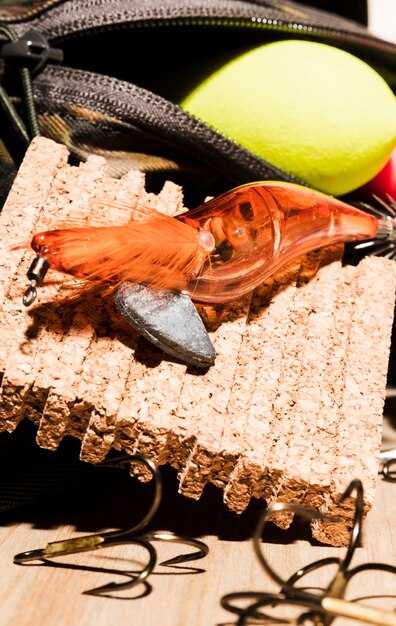
Target shallow, weeded areas in spring. Work 2–6 ft along dock edges, brush piles, and creek banks; cast small jigs on light line, and watch for a dorsal fin signaling a bite in the shade of overhanging cover.
As water warms into summer, crappie push into deeps along ledges and channel bends. Focus on 6–12 ft near breaks where an edge drops into deeper water. Use a skinny-profile jig in sizes 1/32–1/16 oz with a golden tint, and employ a consistent lift-and-drop casting cadence to provoke follows and catches. This approach works across many lakes and delivers relaxing bites when the fish cooperate.
Color and clarity guide your choice: in clear water, natural brown-green blends with a touch of gold work best; in stained water, brighter combos such as chartreuse with a gold spark attract bites. Name a few reliable areas like brush piles, stake beds, dock pilings, and weedlines where these patterns repeat each season.
When you feel a bite, keep tension in your line and a smooth retrieve, pausing briefly to let the jig sink and tempt fish in shade or along the edge of a drop. Presenting a weight that keeps the shape of a fleeing baitfish helps readers detect activity signals without overworking the lure.
Autumn can pull crappie back toward mid-depths as temperatures fall. Revisit 8–12 ft on channel bends and transition zones where warm water moves from shallow to deep. A combination of slightly faster casts and longer pauses often leads to successful catches as bait schools shift with the season.
Techniques: Jigging, Trolling, and Verticals
Start with vertical jigging as your default approach this season; it puts the lure right where crappie feed, making bites more likely and your day easier to manage. Use a light jig (1/16–1/8 oz) on 6–8 lb line, pair it with a 2–3 inch soft-plastic tail, and work from shallow cover to deeper holes, watching the line closely for subtle taps.
Jigging: optimal setup and cadence
- Rigs: tie a simple low-profile jig with a small plastic tail; try chartreuse, white, and pink as reliable options in murkier water. Keep the knot clean and the line straight for maximum feel.
- Cadence: lift the jig 8–12 inches, pause 2–3 seconds, then drop; repeat with micro-adjustments to match how the current or wind moves the lure. In winter, shorter lifts at a slower tempo often trigger bites.
- Structure to target: start under overhanging trees and brush, then sweep along channel edges and points that connect to deeper areas. Check multiple holes and pockets to locate active schools.
- Presentation tips: keep the lure just off the bottom and work it through mid-depth holds; crappie often sit just above the thermocline, so fringe bites come when you raise the lure slightly.
Trolling: controlled speed, broad coverage
- Speed targets: troll at 0.5–1.0 mph with compact crankbaits or slow-fall jigs on light line; plan to cover 3–4 areas per pass, especially near weed edges and along deeper shelves.
- Rigs and gear: use a small inline spinner or a tiny trolling jig on a light trolling motor setup; keep rods ready to react when you detect a bite signal on the sonar finder.
- Where to fish: run lines along long channel edges, along tree lines that extend from shore, and into pockets adjacent to deeper water. Areas with structure tend to hold more fish in winter, and you’ll likely see more bites when you separate lines by distance.
- Data-driven moves: periodically check the bottom composition and water column with your sonar to identify pockets where crappie congregate under cover; moving between holes and slow drifts increases your chances.
Verticals: precise positioning, snelle approach
- Technique: drop a jig vertically beside cover or along a weed edge, then bounce off the bottom with short lifts to draw reaction bites; use a longer pause after each lift to let the jig settle near structure.
- Edge focus: vertically fish around trees that drop into deeper water, around logs that break the current, and along channel bends where fish funnel between depths.
- Color and size: in cooler water, a brighter head paired with natural tails tends to be highly visible; adjust sizes between 1/32 and 1/8 oz depending on current and wind.
- Operational notes: keep a spare rig ready and set up a backup on a side bank so you can switch quickly if visibility changes or you find a hot bite window.
Tips for a productive day
- Plan your route: map likely holes and channel transitions on your phone or map, then check them in sequence to maximize turns and minimize backtracking.
- Use a finder to confirm fish holding areas; if you’re not seeing marked fish, switch to a different depth or angle to expose them.
- Winter bites are often subtle; stay patient and vary cadence, depth, and lure until you detect a pattern that repeats.
- Keep your cooler stocked with water and snacks; a well-organized setup prevents fatigue and helps you stay focused on fishing areas that produce results.
- Documentation helps: note which jig colors, depths, and speeds produce hits; it makes your next plan easier and increases the odds of catching more on future trips.
Quick checklist for success
- website resource: check local reports and maps for tree lines, holes, and channel changes
- tree cover: focus under overhangs and along woody debris
- depth targets: test both shallow and deeper holds; youre likely to find active schools near transition zones
- season note: winter setups favor slower presentations and more time on structure
- equipment: rigs ready, spare jigs racked, line fresh, and a dependable finder in use
- habit: making small adjustments quickly keeps you in the bite window
With this plan, you’ll detect bites faster, navigate diverse areas more easily, and improve your overall success rate on the water. A well-balanced mix of jigging, trolling, and vertical presentations gives you a stable channel to follow, helping you land that desired crappie hit even on tougher days. If you want to test new ideas, share the results on your website or swap tips in your next giveaway to keep the community engaged and learning.
Gear Setup for Crappie: Rods, Reels, Lines, and Tackle
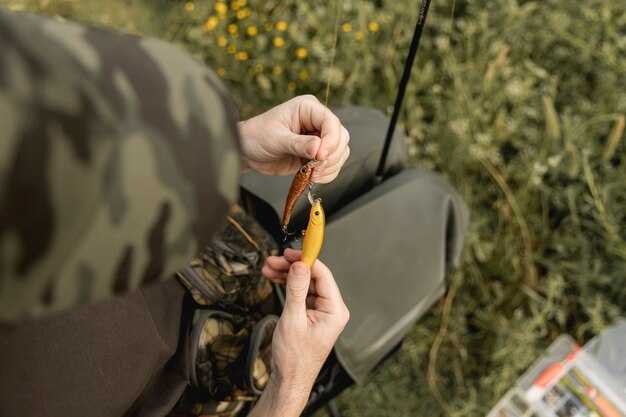
Begin with a 6’6″ to 7′ light-action rod, fast tip, ideal for delicate jigs and live minnows. Pair it with a pflueger President 1000- or 2000-series spinning reel and spool with 6 lb fluorocarbon for near-invisible line, or 6-8 lb monofilament for rough water. Attach a 1–2 ft fluorocarbon leader when using live baitfish, then tie on a 1/32 oz or 1/16 oz jig. Cast with a smooth wrist motion to place the lure where crappie feed; that simple approach works well from shore and in boats.
Rods for versatility: a second setup uses a 7′ rod with fast action for longer casts toward deeper pockets under docks. This lets you probe depths from 6 to 15 ft and reach hiding fish along structure while targeting cover along weed edges and shoreline structure. Maintain a light line to keep sensitivity and avoid spooking fish in clear water. Adjust to your desired depths so you can cover a variety of spots on one trip.
Line and leader strategy: Use 6 lb fluorocarbon as main line on clear water; for stained water or deeper work, switch to 8 lb fluorocarbon or 6-8 lb monofilament. A short leader helps hide the knot and reduces line visibility near baits. Knowing water clarity and forage helps you pick the right colors. Practice knot tying yourself to ensure secure connections. Have your reels loaded so you can switch to a jig or live minnows quickly.
Jigs, baits, and colors: carry a variety of jig shapes and types, including marabou-tipped tubes, curly-tail jigs, and simple plastics. For baitfish patterns, match the shape and hues with natural minnows; in northern waters, white, chartreuse, and orange combos often perform best. Use colors and hues that match what the fish are feeding on; thats why a mix of white, chartreuse, and pink baits usually yields. Use a small bobber for live minnows or run jig-and-bobber for precise depth control. Always have a spare jig in your tackle box for quick changes as you see minnows moving below the surface, and adjust to the shape and size of the forage you’re finding.
Presentation and target: When you target shallow shore pockets or weed edges, start with lighter jigs (1/32 oz) and work up to 1/16 oz if the water is a bit deeper. For vertical jigging over structure, drop to the bottom and lift in small increments to imitate feeding baitfish; know the depths and cast repeatedly to locate active schools, especially in northern lakes where fish may hold near cover early and late in the season. With the right mix of jig types and baits, you’ll improve your odds at producing excellent crappie fillets later in the day.
Maintenance and setup tips: after fishing, inspect knots, trim loose line, replace worn hooks, and store gear in dry conditions. Carry a compact tackle box with extra jigs, hooks, and bobbers; ensure that your line color matches water clarity, and keep track of what colors and baits produce bites so you can refine your approach next time. Knowing your own style and preferences helps you cast confidently and fish effectively by yourself.
Bait and Lures: Live Minnows, Jigs, and Spoons
Use live minnows as your primary bait and fish them with a light jig and a slip-bobber to keep them at the target depth. Hook minnows through the lips for natural motion and to increase strike chances. Tackle should be light–6–8 lb test line and a small 1/16–1/8 oz jig head fit most lakes; switch to a slightly heavier jig if the water is stained or the fish are deeper.
Jigs work best when paired with a soft-plastic trailer or live minnow as a tail. Start with 1/16–1/8 oz heads in colors that contrast with the water–chartreuse, pink, white, or blue-white combos. Present them with a series of quick hops and a long, neutral pause to draw them in. Include a tiny fillet scrap scent or a fish-oil attractant to boost bite, but keep it subtle so it doesn’t wash the action.
Spoons offer a different flash. Use 1/4–1/2 oz spoons in silver, gold, or copper hues. Retrieve with a deliberate motion–a quick pull then a drift; this creates motion that can provoke bites on suspended fish near timber and gravel edges. For crappie near the surface or around cover, switch to a slower, horizontal retrieve so the spoon prances just under the surface.
Επικεντρωθείτε στη δομή: πεσμένη ξυλεία, σωροί από κλαδιά και θύλακες χαλικιού όπου συγκεντρώνονται τα γυλιά. Τα κρανιογούλια κρατιούνται σε ελαφρώς βαθύτερους θύλακες κατά τη διάρκεια των φωτεινών ημερών και αιωρούνται κοντά στην κάλυψη όταν ο ήλιος είναι ψηλά. Διαφοροποιήστε το βάθος και το χρονοδιάγραμμα για να τα βρείτε. τα πρωινά θα τα βρείτε συχνά πιο ρηχά κοντά στην ξυλεία, ενώ τα απογεύματα ωθούν το δάγκωμα πιο βαθιά.
Οι λίμνες της Αμερικής φιλοξενούν γενιές ψαράδων που χρησιμοποιούν αυτές τις τεχνικές για να μεγιστοποιήσουν τις ψαριές. Στην Αμερική, οι ψαράδες προσαρμόζουν αυτές τις τακτικές στις τοπικές λίμνες. Οι τρόποι ανάπτυξής τους περιλαμβάνουν την εναλλαγή μεταξύ ζωντανών γυπαετών, μαλακών πλαστικών jig και κουταλιών, και ποτέ μην βασίζεστε σε μια μόνο μέθοδο. Κρατήστε τα χρώματα φωτεινά σε θολά νερά και φυσικά σε καθαρά νερά, και προσαρμόστε την κίνηση και το βάθος μέχρι να εντοπίσετε το τσίμπημα. Εάν μια τακτική λειτουργεί, δοκιμάστε οτιδήποτε τα κρατάει να τσιμπούν.
Τακτικές Τοποθεσίας: Δομή, Κάλυψη και Διαύγεια Νερού
Στοχεύστε σε βυθισμένη κατασκευή σε βάθος 8-12 ποδιών με αργή, σταθερή ανάκτηση χρησιμοποιώντας ένα jig σε χρώμα shad ή ένα μικρό μαλακό πλαστικό που μιμείται γόνο· κρατήστε το δόλωμα κοντά στον βυθό και αισθανθείτε το πρώτο δάγκωμα καθώς ανακτάται το δόλωμα. Χρησιμοποιήστε το κύλινδροι για να ελέγχετε την ταχύτητα της γραμμής και να παραμένετε σε επαφή με το δάγκωμα καθώς κινείστε κατά μήκος της άκρης.
Τακτικές δομής: εστίαση κατά μήκος κατακόρυφων άκρων πτώσεων, σημείων και σωρών ξυλείας. Έρευνα στους πυθμένες όπου η ανακούφιση δημιουργεί χοάνες. Βολές παράλληλα με την άκρη και χρήση σύντομων αναπηδήσεων για να διατηρείται το δόλωμα στη ζώνη χτυπήματος. Αυτή η προσέγγιση έχει γενικά αποδειχθεί ότι λειτουργεί, με τις ευκαιρίες σίτισης να ανοίγουν κατά μήκος του κατωφλιού της δομής. Αυτές οι techniques εξοικονομήστε χρόνο και βελτιώστε την ακρίβεια όταν στοχεύετε στα σωστά βάθη και καλύμματα.
Τακτικές κάλυψης: βλάστηση, θάμνοι, πεσμένα δέντρα και σωροί βράχων σε 2-5 μέτρα προσφέρουν καταφύγιο και διαδρόμους σίτισης. Ελέγξτε το τμήμα εργαλείων για μια ελαφριά μολυβοκεφαλή ή μαλακό πλαστικό· παρουσιάστε το δόλωμά σας μέσα από κενά με ένα ελαφρύ, σφιχτό reel, και κάντε μια παύση καθώς τυλίγετε για να αφήσετε το δόλωμα να βυθιστεί σε κόλπους κατά μήκος της άκρης. Εάν δείτε τα κράπι να κινούνται κοντά σε κάλυψη, προσαρμόστε τον ρυθμό για να προκαλέσετε ένα δάγκωμα και μείνετε υπομονετικοί καθώς συγκεντρώνονται στην τσέπη.
Η διαύγεια του νερού καθορίζει το χρώμα, το βάθος και την ανάκτηση. Σε καθαρά νερά, επιμείνετε σε φυσικές απομιμήσεις σάδ ή γαύρου και σε έναν αργό, σταθερό ρυθμό για να διατηρείτε το δόλωμα πάνω από το bottoms; σε νερά με χρωματισμούς, μεταβείτε σε πιο φωτεινά χρώματα και σε πιο γρήγορο ρυθμό, με μικρές παύσεις reel για να προκαλέσετε ένα τσίμπημα. Κρατήστε το δόλωμά σας σε βάθος 8-12 ποδιών και κινηθείτε κατά μήκος των άκρων των σχηματισμών όπου συμβαίνει η σίτιση τις περισσότερες ημέρες, ειδικά κατά τη διάρκεια των παραθύρων χαμηλού φωτισμού την άνοιξη και το φθινόπωρο. Αυτή η προσέγγιση σας βοηθά να παραμένετε συνεπείς με τα μοτίβα σίτισης και αυξάνει το ποσοστό επιτυχίας σας.
Σε όλη τη χώρα, οδηγοί και ντόπιοι ονομάζουν σημεία ανάλογα με τον τύπο της δομής· γενιές ψαράδων μοιράζονται συμβουλές για το τάισμα, επιτρέποντας σε μια άλλη γενιά να μάθει πού να ψαρεύει σε οποιοδήποτε σώμα νερού. Μέρος αυτής της στρατηγικής είναι η παρακολούθηση των αποτελεσμάτων και η βελτίωση της προσέγγισής σας. Ωστόσο, παραμείνετε ευέλικτοι και αλλάξτε σημεία εάν το δάγκωμα σταματήσει, χρησιμοποιώντας τα καρούλια σας από το τμήμα ειδών αλιείας ή ένα εφεδρικό καρούλι για να προσαρμοστείτε γρήγορα. Ο σωστός συνδυασμός αλιευτικών τεχνικών και κινήσεων που εστιάζουν στη δομή οδηγεί σε επιτυχημένες ημέρες, ανεξάρτητα από το όνομα ή τη χώρα στην οποία ψαρεύετε.
Τελικές Συμβουλές για το Ψάρεμα Κουρβίνων: Γρήγορα Tips και Συνηθισμένα Λάθη
Ξεκινήστε με μια μολυβοκεφαλή 1/8 ουγγιάς και μια ουρά με κουπί 2,5 ιντσών. Αυτός ο συνδυασμός παρέχει άμεση δράση και αξιόπιστη έκθεση του αγκιστριού. Χρησιμοποιήστε μια ομαλή, σαρωτική ανάκτηση και έναν σταθερό ρυθμό για να διατηρήσετε το δόλωμα στη ζώνη χτυπήματος, ενώ το jig αγγίζει τον βυθό. Θα νιώσετε τσιμπήματα καθώς η γραμμή σφίγγει και ο κύκλος κάλυψης γύρω από τις αποβάθρες, την πεσμένη ξυλεία ή τις άκρες των φυκιών κάνει τα κράπι να ενεδρεύουν το δόλωμα.
Η ανίχνευση ενός τσιμπήματος απαιτεί μια ευαίσθητη πετονιά και έναν υπομονετικό ψαρά. Χρησιμοποιήστε ένα ελαφρύ καλάμι και πετονιά δοκιμαστικής αντοχής 6-8 lb· παρατηρήστε την άκρη του καλαμιού και την πετονιά για μικροσκοπικά τινάγματα. Όταν ανιχνεύσετε ένα τσίμπημα, σηκώστε απαλά ή μαζέψτε για να καρφώσετε, αποφεύγοντας ένα δυνατό τράβηγμα που μπορεί να απελευθερώσει το δόλωμα. Αυτή η προσέγγιση διατηρεί τη δράση σταθερή και αυξάνει τη σύνδεσή σας με διακριτικά τσιμπήματα.
Η σκιά έχει σημασία, ειδικά στη Χαβάη ή σε θερμά κλίματα όπου η λάμψη του μεσημεριού μπορεί να ωθήσει τα crappie πιο βαθιά. Αναζητήστε σκιερές περιοχές κατά μήκος της δομής – κάτω από αποβάθρες, γύρω από προεξέχοντα κλαδιά ή κοντά σε άκρες φυτών – στη συνέχεια, δουλέψτε τις πλευρές της κάλυψης με ένα σφιχτό, δυνατό αλλά ελεγχόμενο τράβηγμα. Σε αυτά τα σημεία, θα βρείτε συχνά υψηλότερα ποσοστά χτυπημάτων και πιο σύντομα, πιο αποφασιστικά τσιμπήματα.
Ο έλεγχος του βάθους επιτυγχάνεται με την προσαρμογή του βάρους και του μήκους της πετονιάς. Χρησιμοποιήστε μικρότερες κεφαλές (1/16 έως 3/32 της ουγγιάς) για ρηχά μέρη και αυξήστε σε 1/8 της ουγγιάς για βαθύτερες περιοχές με αργό ρεύμα. Η προσαρμογή του ρυθμού –σύντομες παύσεις μετά από μια σάρωση και αργή, ομαλή περιστροφή– επιτρέπει στο δόλωμα να σταθεροποιηθεί στο επιθυμητό στρώμα. Οι μηχανισμοί με ελαφρύ, προβλέψιμο φρένο σάς βοηθούν να διατηρείτε την επαφή χωρίς να τρομάζετε τα καχύποπτα ψάρια.
Αποφύγετε τα συνηθισμένα λάθη που κοστίζουν τσιμπήματα: ψάρεμα χωρίς σχέδιο για συγκεκριμένα σημεία, υπεραλίευση ενός σημείου ή παραμέληση του ανέμου και των ρευμάτων. Πετάξτε το δόλωμα για να εξερευνήσετε θύλακες στην απέναντι πλευρά της κάλυψης και μετά σαρώστε προς τα πίσω προς την κοντινή πλευρά, διατηρώντας τη γραμμή σας τεντωμένη και την παρουσίασή σας φυσική. Ενώ πειραματίζεστε, κρατήστε το δόλωμα μέσα στη ζώνη άνεσης του κράπι και αποφύγετε να το σύρετε μέσα από πυκνή κάλυψη που καταστρέφει τα αγκίστρια και τρομάζει τα ψάρια.
Σκεφτείτε τους παράγοντες που οδηγούν στην επιτυχία των ψαράδων από γενιά σε γενιά. Ποιες επιλογές ταιριάζουν στα νερά, την κάλυψη και την εποχή σας; Η απόλυτη μέθοδος συνδυάζει δοκιμασμένες επιλογές με έναν σταθερό ρυθμό και την ελάχιστη δυνατή φασαρία εξοπλισμού. Ως ψαράς, εργάζεστε με ένα όνομα που εμπιστεύεστε – την απλή, αποτελεσματική προσέγγιση μολυβοκεφαλής και γκρούμπ – ενώ βελτιώνετε την παρουσίαση μέσω του περιβάλλοντος, του χρονοδιαγράμματος και της τεχνικής. Να θυμάστε ότι τα κράπι ανταποκρίνονται σε ήρεμες, γεμάτες αυτοπεποίθηση ενέργειες, όχι σε βιαστικές, φανταχτερές κινήσεις, και θα βρείτε περισσότερα τσιμπήματα όταν ισορροπήσετε την ευαισθησία, τον ρυθμό και τον έλεγχο.
| Κομμάτι | Why it helps | Ρυθμός / Ρύθμιση |
|---|---|---|
| Μολυβοκέφαλο 1/8 ουγγιάς με σκουλήκι 2,5 ιντσών | Παρέχει γρήγορη δράση και σίγουρα καρφώματα σε ρηχά έως μεσαίου βάθους σημεία με κάλυψη. | Κάντε σαρωτικές κινήσεις με ομαλό ρυθμό 1–2 δευτερολέπτων. μαζέψτε ελαφρά για να διατηρήσετε την επαφή |
| Απαλές, ομαλές ανακτήσεις | Διατηρεί το δόλωμα στη ζώνη χτυπήματος και μειώνει τον κίνδυνο σκαλώματος | Κάντε μια σύντομη παύση μετά από κάθε σάρωση. να ποικίλλετε τις παύσεις ανάλογα με την πυκνότητα της κάλυψης |
| Σκίαση άκρων στόχου | Τα κράπια μετακινούνται σε ψυχρότερες ζώνες, πλούσιες σε δομές, κατά τη διάρκεια της ζέστης | Εργαστείτε κατά μήκος των άκρων των αποβαθρών, της ξυλείας και των γραμμών ζιζανίων. αλλάξτε σε ελαφρύτερες κεφαλές όπως απαιτείται. |
| Ρύθμιση βάθους (βάρος κεφαλής) | Ελέγχει το βάθος ώστε να ταιριάζει με τα ενεργά επίπεδα και το ρεύμα | Χρησιμοποιήστε 1/16–3/32 oz για ρηχά ή αργά ρεύματα· 1/8 oz για βαθύτερα ή θυελλώδη ημέρες |
| Παρουσιάσεις πλευράς και κύκλου | Εξερευνά θύλακες και το πίσω μέρος του καλύμματος όπου κρύβονται τα κράπι | Πέτα το δόλωμα flip στην απέναντι πλευρά και μετά σάρωσε κατά μήκος της όχθης. |