


 Ελληνικά
  English (UK)
  Русский
  العربية
  日本語
日本語  한국어
한국어  Magyar
  Türkçe
  Español
  Čeština
  Svenska
  Português
  Suomi
Suomi  Nederlands
  Română
  Italiano
  Français
  Polski
  Українська
  Deutsch
  简体中文
简体中文  Slovenčina
 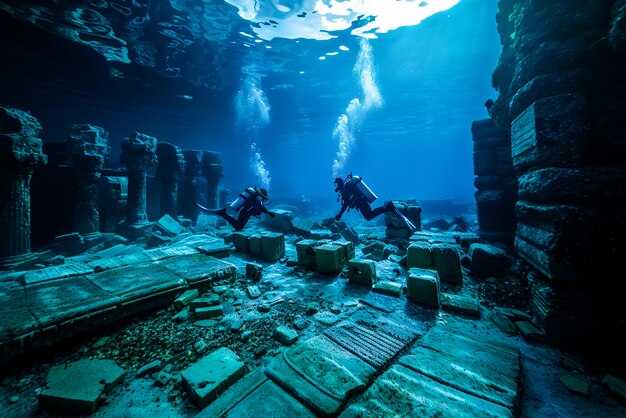 The Amazing History of Scuba Diving – From Ancient Roots to Modern Underwater Exploration">

Begin with mastering buoyancy and essential equipment checks in a calm pool, then take your first steps toward open-water exploration with a qualified instructor for safety and comfort.
Nearly every ancient culture experimented with breath-hold methods, and the japanese ama divers laid a practical groundwork with simple masks and weights. Those early techniques, mentioned in maritime chronicles, that mark the beginning of organized underwater work.
By the mid-20th century, the frenchman Jacques Cousteau–with Emile Gagnan–invented the Aqua-Lung, a portable compressed-air system that let a wearer stay under longer and work with gear rather than relying on surface air. By 1946, it reached commercial use, and the diver role began to formalize around training and safety protocols.
freediving, with its emphasis on breath-hold efficiency and gliding strokes, has influenced modern training and inspired athletes to push minds toward lighter, streamlined setups that boost comfort and confidence.
From the 1960s onward, most agencies and manufacturers expanded, refining safety protocols and creating specialized gear for cold water, cave, and wreck work. Equipment evolved to a streamlined jacket, a buoyancy system, and precise regulators, enabling great stability and a steadier breath for the diver.
Today, curious minds join a structured path, with member communities, accessible courses, and hands-on practice that balances excitement with measured risk. The story continues as technology and training merge to extend safety margins and expand opportunities for underwater exploration.
Practical milestones and ways to get started
Enroll in a certified entry course within two weeks to begin your path in underwater exploration. A typical program combines 2-4 days of classroom and pool work with 1-2 days in open water under supervision, focusing on equalization, buoyancy control, equipment handling, and safety procedures. Expect to invest about $350–$600 for the course; gear rentals run $15–$40 per day, and a basic personal kit (mask, fins, snorkel) can be bought for $60–$120. If you own a scuba kit with a regulator, BCD, and computer, you’ll save on rentals and feel more confident in familiar gear. inventors and early designers contributed to safer gear over time with simple regulators and improved masks; today’s options are more reliable and accessible.
Let your desire for continued exploration guide you into learning the basics with a local association. These groups connect people interested in safety and ecology, provide mentorship, and expose you to different sites, equipment setups, and safety practices. Use known safety standards from major organizations and read one basic manual to build a solid foundation before your next session.
Choose your gear approach: rent the essentials for the first month or buy a compact starter kit now. A mask with a good seal, comfortable fins, a snorkel, and a regulator with a reliable octopus are core pieces; a basic BCD and a computer can come later. A sophisticated setup adds a console, transmitter, and backup air supply, but you can progress gradually to stay within budget. This plan keeps you safer and helps you learn the natural rhythms of buoyancy while you build familiarity with the environment and your own limits. Accessories such as spare o-rings or a spare battery are available from most shops, so you won’t get stuck on a field site.
After the initial certification, add specialty courses such as buoyancy, navigation, and safety rescues. These expand your skillset and keep you within safer boundaries while you gain confidence to explore new sites again with a partner. Most programs schedule a pool session and several open-water days, often over weekends, which fits a busy to-do list.
Respect for biodiversity anchors the culture of underwater exploration. Learn to assess sites, avoid touching wildlife, and maintain a stable stance to reduce contact with fragile organisms. In coastal regions, you’ll encounter a mix of natural habitats and human activity; guided experiences that emphasize conservation help you connect fascination with responsible behavior. The japanese tradition of coastal practitioners offers valuable perspectives on breath control and patience, enriching your adventure and keeping you curious.
If you crave adventure and have a natural curiosity, try a beginner freediving session to improve breath control and relaxation. This cross-training enhances safety awareness for scuba sessions again and supports better energy management during longer outings. You’ll find that freediving instructors often share tips that transfer to your scuba practice.
Practical availability matters. Look for accredited instructors or a recognized association with clear safety standards. Availability tends to rise in warmer months, but indoor pools provide year-round practice. Start with a single introductory session and then commit to a structured program to build a solid baseline. This is a great way to begin.
Ancient Breath-Hold Techniques and Primitive Gear
Begin with a practical rule: stay within your limits and build freedom through measured practice. Use simple systems: relaxed breathing, a short breath hold, then gliding with minimal movement to conserve energy, repeating in short cycles to reduce fatigue. These disciplined steps reflect sophisticated thinking across generations.
Across civilizations, practices varied, named approaches that were called for breath control and body position. In roman harbors, divers trained near the quay, dreamed of freedom under the surface, and adopted education routines that improved air use before negotiating hulls, which were long and shadowy there. Early lessons opened a path to safer experiments, shaping later training networks.
Primitive gear remained lean yet instructive. There were attempts to couple air supply with simple masks, and discussions about closed-circuit concepts and surface lines helped some explorers extend their time. In the soviet era, researchers studied how simple buoyancy aids and calm exhalations improved stability during longer holds. Manuals circulated, and some observers shared insights online, with rebikoff and prieur becoming shorthand for a tradition of education and careful experimentation that emphasized less risky steps for novices.
shipwrecks provided practical classrooms where divers learned by observing currents and hull shapes, applying calmness to keep the breath inside longer. The divers themselves refined posture and gliding efficiency to minimize air use, turning wreck outlines into geometry that informed later training drills.
There remain traces of these early practices in contemporary exploration, preserved in online archives, museum labels, and field notes. These materials illustrate a continuum from antiquity to modern undersea work, where the dream of discovery persists even as equipment evolves and knowledge grows.
The Rise of Diving Bells and Early Breathing Devices
Begin with a clear air-path map from surface pumps to the bell interior and log each connection. Bound the activity to 6 to 12 meters for early trials and track how long crews could stay inside as air was replenished from above.
Early devices were typically bell-shaped chambers, often wood or metal, lowered by rope. The little crew inside relied on surface pumps that pushed air through a tube into the bell, which opened access to shallow tasks, keeping water out and allowing a little time inside the bell.
The earliest accounts from greek sources and other peoples show how bells were sealed and how air flowed into the inside. These secrets of air management opened access to shipwrecks and the habitats of nearby creatures.
Developments included surface pumps, valves, and hoses, plus rudimentary rebreather concepts that tried to recycle exhausted air. Typical depths remained modest: 6 to 12 meters as standard, with occasional pushes to 20 or 30 meters as equipment improved. This progress allowed longer work periods and safer experiments, guiding how future devices would evolve.
Living experiments taught crews to coordinate outside support with inside breathing cycles and built awareness of underwater physics. These experiences helped the teams become more confident operating in constrained spaces and to plan safer procedures. whats ahead in this history includes deeper water work and more reliable air cycles as innovations matured.
womens participation appeared gradually, with womens curiosity pushing documentation of experiments and signaling between surface teams and the bell.
In summary, these early steps built a foundation for later breathing devices and more complex subaquatic work, guiding what future explorers needed to know to operate safely and effectively.
From Rebreathers to Open-Circuit Systems: An Evolution of Equipment
Start with open-circuit systems for most users; their gas supply is straightforward, maintenance is predictable, and service networks are widely available.
Originally designed for sustained operations, rebreathers drew on greek engineering heritage and a culture of compact life-support devices; hollywood productions helped popularize their dramatic potential and inspired many explorer minds to imagine longer stays in water environments.
Leaps in materials, efficient dioxide scrubbers, and smarter electronics changed the equipment landscape, turning a practical concept into reliable gear that teams could count on during complex tasks.
Data received from trials confirmed that rebreathers can extend bottom times under challenging conditions, with some tests reaching 94-meter depths. From these results, explorers know their limits and plan margins accordingly, because training and supervision remain non-negotiable.
From a practicality perspective, open-circuit rigs rely on cylinders, often described as barrels, supplied at the surface; weighted ballast and straightforward buoyancy control keep trim with lowered risk during ascent.
Restoration of older units occurs in dedicated shops, but spare parts and service networks vary by region; their availability shapes which setups operators choose for routine work and emergency readiness.
Water quality and gas cleanliness matter for both systems: open-circuit air must be trusted, while rebreathers depend on reliable carbon dioxide removal and well-maintained scrubber materials to protect comfort and safety. This is where minds behind gear design emphasize clear checklists, because predictable performance rests on disciplined maintenance and careful monitoring of gas composition. The concept of choosing between options rests on mission profile, environment, and the explorer’s experience–data, feedback, and field tests all inform that decision.
| Aspect | Rebreather | Open-Circuit |
|---|---|---|
| Gas supply | Gas is recycled, with scrubbers removing carbon dioxide and maintaining a chosen mixture | Gas stored in cylinders; supply is direct and predictable |
| Weight and buoyancy | Η μονάδα καθαρισμού προσθέτει βάρος. οι διαμορφώσεις με προσθήκη βάρους επηρεάζουν την ισορροπία | Οι κύλινδροι προσθέτουν βάρος, αλλά απλοποιούν την ισορροπία και τον έλεγχο της ανάβασης |
| Συντήρηση | Οι συχνοί έλεγχοι διακριβώσεων, ελέγχου καθαριστών και δοκιμές διαρροών απαιτούν ειδικές διαδικασίες | Μειωμένο αποτύπωμα συντήρησης· τα κέντρα τακτικής εξυπηρέτησης υποστηρίζουν ανταλλακτικά και ελέγχους |
| Χρόνος λειτουργίας | Δυνατότητα για αυξημένο χρόνο βυθού όταν οι συνθήκες και η εκπαίδευση το επιτρέπουν | Περιορισμένο από τη διάρκεια της φιάλης· οι γρήγορες αλλαγές διατηρούν τις συνεδρίες σταθερές |
| Εκπαίδευση και τεχνογνωσία | Υψηλότερη καμπύλη εκμάθησης· τα περιθώρια ασφαλείας αυξάνονται με την εμπειρία | Ευρύτερες διαδρομές ενσωμάτωσης· φιλικό προς τον χρήστη για ένα ευρύτερο κοινό |
| Κόστος και αποκατάσταση | Υψηλότερο αρχικό κόστος· συνεχιζόμενη συντήρηση· η αποκατάσταση μπορεί να παρατείνει τη διάρκεια ζωής | Χαμηλότερο αρχικό κόστος· ανταλλακτικά ευρέως διαθέσιμα και ευκολότερα στην αντικατάσταση |
Βασικές αναβαθμίσεις εξοπλισμού: Μάσκες, Πέδιλα, Ρυθμιστές και Μπουκάλες
Ξεκινήστε με μια συγκεκριμένη αναβάθμιση: επιλέξτε μια μάσκα μικρού όγκου με φούστα σιλικόνης και σκληρυμένο γυαλί. Αυτό δεν θα μπορούσε να είναι ευκολότερο: μειώνει τις αλλαγές άνωσης κοντά στο πρόσωπο και διατηρεί την είσοδο νερού στο ελάχιστο, γεγονός που καθιστά τον χειρισμό του υπόλοιπου εξοπλισμού μέσω υποβρύχιων συνεδριών πιο προβλέψιμο. Η ιδέα, που αναφέρθηκε από εκπαιδευτές και έμπειρους δύτες, είναι να σφραγίσει αξιόπιστα πρώτα, διατηρώντας σας συγκεντρωμένους στην πρόωση και τη διαχείριση του αέρα και καθιστώντας δυνατή την πρόοδο για ελεύθερη κατάδυση και ψυχαγωγική χρήση.
Οι προβληματισμοί για τις μάσκες δίνουν έμφαση πρώτα στην εφαρμογή. Δοκιμάστε διάφορα μοντέλα για να βρείτε ένα που σφραγίζει χωρίς υπερβολική πίεση στα μάγουλα και, στη συνέχεια, δοκιμάστε σε ρηχά νερά εισπνέοντας με τη μάσκα πιεσμένη στο πρόσωπό σας (χωρίς λουρί). Μια καλή σφράγιση μειώνει το θάμπωμα και βελτιώνει το οπτικό πεδίο σε θολά νερά, κάτι που έχει σημασία όταν βρίσκεστε σε ομαδικές εξορμήσεις ή εξερευνάτε ναυάγια γεμάτα συντρίμμια. Σε ιστορικές σημειώσεις, σοβιετικές ομάδες πειραματίστηκαν με απλές, αξιόπιστες μάσκες και περιβλήματα εξοπλισμού, τα οποία λειτουργούσαν για να προστατεύουν το πρόσωπο σε δύσκολες συνθήκες. Ο Fernez αναφέρεται μερικές φορές σε αρχειακούς καταλόγους ως ένας πρώιμος σχεδιαστής αρθρωτών στοιχείων. είτε κάθε ισχυρισμός είναι ακριβής είτε όχι, η τάση ήταν ξεκάθαρη: καλύτερες σφραγίσεις, ελαφρύτεροι ιμάντες, ευκολότερη συντήρηση άνοιξαν πολλούς δρόμους για σύγχρονες διαμορφώσεις.
- Οι μάσκες μικρού όγκου μειώνουν την προσπάθεια αναπνοής και σταθεροποιούν την όρασή σας. επιλέξτε μια ποδιά σιλικόνης και φακούς από σκληρυμένο γυαλί.
- Δοκιμάστε την εφαρμογή στο νερό, βεβαιωθείτε για άνετη στεγανοποίηση χωρίς τάση από το λουράκι και ελέγξτε για καθαρές, αντιθαμβωτικές επιφάνειες.
Τα πτερύγια διαδραματίζουν καθοριστικό ρόλο στην ταχύτητα και την ευελιξία. Τα πτερύγια ανοιχτής φτέρνας με ρυθμιζόμενους ιμάντες είναι κατάλληλα για μποτάκια και πιο κρύα νερά, ενώ τα πτερύγια πλήρους ποδιού υπερέχουν σε ζεστά νερά με ελάχιστο εξοπλισμό. Η ακαμψία της λεπίδας πρέπει να ευθυγραμμίζεται με την εμπειρία σας: οι αρχάριοι επωφελούνται από τις πιο μαλακές λεπίδες που προσφέρουν συγχωρητική επιτάχυνση, ενώ οι χρήστες μεσαίου και προχωρημένου επιπέδου μπορούν να χρησιμοποιήσουν μακρύτερες λεπίδες για μεγαλύτερη ολίσθηση. Δοκιμάστε και τα δύο στυλ σε ελεγχόμενη συνεδρία στην πισίνα για να νιώσετε πώς οι κλωτσιές σας μεταφράζονται σε πρόωση μέσα στο ρεύμα και γύρω από εμπόδια, κάτι που έχει σημασία όταν προστατεύετε συμπαίκτες σε μια ομαδική έξοδο ή πλοηγείστε σε ένα ναυάγιο με συντρίμμια.
- Τα πέδιλα με ανοιχτή φτέρνα και ασφαλή ιμάντα λειτουργούν καλά με στολή νεοπρενίου ή μποτάκια. Τα πέδιλα που καλύπτουν όλο το πόδι είναι ελαφρύτερα, αλλά απαιτούν χρήση χωρίς παπούτσια ή με λεπτά μποτάκια.
- Μήκος και ακαμψία λεπίδας: κοντές, μαλακές λεπίδες για γρήγορες εκκινήσεις· μακριές, πιο άκαμπτες λεπίδες για συνεχή πρόωση σε ανοιχτή θάλασσα.
Οι ρυθμιστές αξίζουν προσοχή για την άνεση και την αξιοπιστία που προσφέρουν στην αναπνοή. Η συσκευή Gagnan σηματοδότησε μια καμπή στην παροχή αέρα και οι σύγχρονοι ρυθμιστές έχουν μειώσει την προσπάθεια αναπνοής και έχουν αυξήσει την αξιοπιστία σε κρύα νερά και σε μεγάλα βάθη. Επιλέξτε ένα ισορροπημένο πρώτο στάδιο για να διατηρήσετε σταθερή την προσπάθεια αναπνοής καθώς πέφτει η πίεση της φιάλης και συνδυάστε το με ένα δεύτερο στάδιο που παρέχει ομαλή, προβλέψιμη ροή αέρα και έναν φιλικό προς το χρήστη μηχανισμό venturi. Βεβαιωθείτε ότι οι σωλήνες είναι διατεταγμένοι έτσι ώστε να ελαχιστοποιούνται τα μπερδέματα και να έχετε ένα εφεδρικό δεύτερο στάδιο εύκολα προσβάσιμο κατά τη διάρκεια των υποβρύχιων δραστηριοτήτων. Για χρήση nitrox, επιλέξτε έναν ρυθμιστή συμβατό με υψηλότερα μείγματα O2 και προγραμματίστε μια σωστή υπηρεσία καθαρισμού οξυγόνου, εάν χρησιμοποιείτε συχνά μείγματα άνω του 32%.
- Η ισορροπημένη πρώτη βαθμίδα μειώνει την προσπάθεια αναπνοής σε όλο το εύρος της δεξαμενής· ελέγξτε την πιστοποίηση και το ιστορικό συντήρησης.
- Το δεύτερο στάδιο θα πρέπει να είναι άνετο στο στόμα, με ρυθμιζόμενο venturi και μια αξιόπιστη βαλβίδα εξαέρωσης, εάν επιθυμείτε.
Οι δεξαμενές διατίθενται σε αλουμίνιο και χάλυβα, με κοινά μεγέθη αναψυχής 12 L (80 cu ft) και 15 L (100 cu ft). Το αλουμίνιο είναι ελαφρύτερο και ευκολότερο στο χειρισμό στην ακτή. ο χάλυβας προσφέρει χαμηλότερες αλλαγές άνωσης όταν είναι γεμάτος και μεγαλύτερη ανθεκτικότητα σε τραχιά περιβάλλοντα. Οι πιέσεις πλήρωσης ποικίλλουν ανά περιοχή (συχνά γύρω στα 200 bar ή 232 bar). επαληθεύστε τα τοπικά πρότυπα και βεβαιωθείτε ότι η άνωση και τα βάρη σας ισορροπούν με το αέριο που έχετε επιλέξει. Για nitrox, θα χρειαστείτε έναν ειδικό κύλινδρο με την ένδειξη του μείγματος και έναν αξιόπιστο αναλυτή στο χώρο για να επιβεβαιώσετε τη σύνθεση πριν από τη χρήση. Τα τυπικά μείγματα εκπαίδευσης γύρω στο 32–36% O2 μειώνουν την πρόσληψη αζώτου για συντομότερα διαστήματα επιφάνειας, αλλά ακολουθείτε πάντα την πιστοποίησή σας και τους τοπικούς κανόνες. Όταν σχεδιάζετε εργασίες σε ναυάγια, σκεφτείτε την πρόσθετη προστασία ελαφρύτερου εξοπλισμού και γαντιών για να χειρίζεστε με ασφάλεια αιχμηρά συντρίμμια. Χάρη στις συνεχείς βελτιώσεις, πολλοί ομίλοι ομίλων απονέμουν ασφαλέστερες, καλύτερα εξοπλισμένες ομάδες και αυτά τα βραβεία αντικατοπτρίζουν την προσεκτική συντήρηση και τις έξυπνες αναβαθμίσεις και όχι απλούς αριθμούς.
Πιστοποίηση, Εκπαίδευση και Ασφαλείς Πρακτικές Κατάδυσης Σήμερα
Ξεκινήστε με μια πιστοποίηση από αναγνωρισμένους οργανισμούς και ολοκληρώστε την αρχική θεωρία, τις συνεδρίες σε περιορισμένα νερά και τις πρακτικές συνεδρίες πριν από οποιαδήποτε υδάτινη δραστηριότητα.
Γενικά, η εκπαίδευση αναπτύσσει πρώτα τις γενικές δεξιότητες και μετά τις προηγμένες ενότητες, εστιάζοντας στον έλεγχο πλευστότητας, τη διαχείριση του αέρα και το σύστημα buddy μέσα σε μια ομάδα. Για εργασίες σε ψυχρά νερά, εισάγονται οι στεγανές στολές και παρουσιάζεται η επιλογή του παρεχόμενου αέρα για επιλεγμένες διαδρομές., allowing easy πρόοδο και freedom για εκπαιδευόμενους που είναι ήδη επικεντρωμένοι στην ασφάλεια.
Always εκτελείτε ελέγχους πριν από τη συνεδρία και χρησιμοποιείτε τα γυαλιά όπου ενδείκνυται κατά τη διάρκεια των επιφανειακών δραστηριοτήτων· στα υποβρύχια στοιχεία, βασιστείτε σε μια σωστή μάσκα και ένα συντηρητικό σχέδιο. Αυτή η εστιασμένη στην ασφάλεια προσέγγιση υποστηρίζει τους στόχους διατήρησης και την προστασία του θαλάσσιου περιβάλλοντος, ευθυγραμμίζοντας την προσωπική μάθηση με τις προσδοκίες της κοινότητας.
Το σχεδιασμός δίνει έμφαση στη σταδιακή πρόοδο, με στοχευμένη καθοδήγηση από εξειδικευμένους εκπαιδευτές για την επίτευξη προηγμένων ικανοτήτων, διατηρώντας παράλληλα την ασφάλεια και την απόλαυση.
Πολλοί μαθητές ονειρεύτηκα της εκμάθησης προηγμένων τεχνικών· με ένα δομημένο πρόγραμμα, επεκτείνουν σταδιακά την εμβέλειά τους πέρα από τα ψυχαγωγικά όρια. Οι οργανισμοί επικαιροποιούν τα προγράμματα σπουδών για να ανταποκριθούν στη ζήτηση και να υποστηρίξουν τη διατήρηση των θαλάσσιων οικοτόπων, ενώ ο εξοπλισμός και τα συστήματα που χρησιμοποιούνται παραμένουν αξιόπιστα και απλά, ensuring freedom for them and for the group.