


 Ελληνικά
  English (UK)
  Русский
  العربية
  日本語
日本語  한국어
한국어  Magyar
  Türkçe
  Español
  Čeština
  Svenska
  Português
  Suomi
Suomi  Nederlands
  Română
  Italiano
  Français
  Polski
  Українська
  Deutsch
  简体中文
简体中文  Slovenčina
 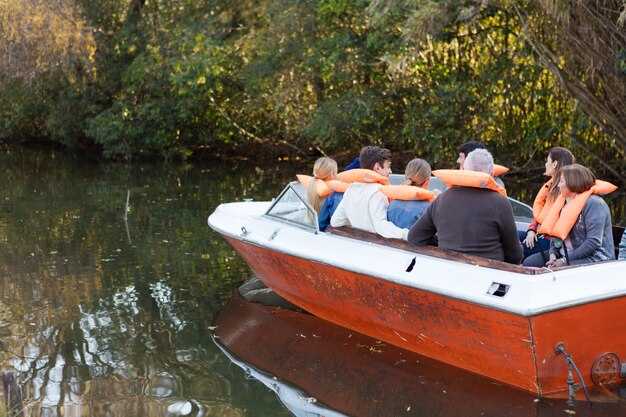 Spring Launch Prep – Essential Tips for Eagle Point’s Boat Ramps">

Do this first: remove debris from the ramp and clear the approach to ensure a smooth launch; wait for a calm window and light water conditions before you begin the setup.
Set up a compact prep table within reach of the trailer, and keep a wipe, rag, and spare fuses nearby to tidy electronics connectors before you connect or disconnect the trailer lights. This ramp needs a dry, clean workspace, so establish a focused preparation checklist that covers towing, tie-downs, and safety gear. Prepare the steps, note what was removed, and finally, carry items back to the vehicle and away from the launch path.
During the run-up, keep the area clear and ensure the ramp surface remains dry; make sure the setup is working, verify the steering responds smoothly when you test the trailer coupling, and confirm the electronics stay dry as you connect the battery. Make sure the running gear spins freely and that the hull sits evenly on the bunks to prevent strain on the transom, so you can enable a quick, safe launch that runs smoothly.
After docking, inspect for corrosion on brackets and fasteners, rinse salt spray, and dry immediately to prevent buildup. Keep a spare full set of lines, fenders, and a bilge pump, and carry them in a dedicated bag so you can carry back to the vehicle quickly. Move waste and packaging away from the ramp and table when you finish.
Finally, wrap up with a quick walk-around, recheck that tools are stored, and set a reminder for the next launch window. These steps keep Eagle Point ramps ready and reduce friction for every user who arrives with a boat and trailer.
Spring Launch Prep: Eagle Point Boat Ramps

Immediately assess the Eagle Point launch area for slick spots and debris, and keep your plan well-prepared. Use a strap to secure the bow and get the trailer ready to back; this increases efficiency for the boats and prevents delays.
- Fuel and fluids: Check the fuel level, verify battery charge, and inspect engine oil. Keep a small reserve for a quick test run and ensure lines and hoses are clear.
- Trailer security: Position the trailer to allow multiple tie-downs on the transom and bow; attach the strap firmly and use winches to maintain tension as you back toward the waterline. This prevents movement and protects gear.
- Ramp approach and alignment: Approach calmly, align the bow and trailer with the entry, and guide the hull into the bunks. A spotter closely watches to ensure a smooth process and safe launch.
- Post-launch and removal: When the boat is afloat, back out slowly and move the trailer away to a nearby parking zone. Return the vehicle and finish securing equipment to keep traffic flowing and maintain efficiency.
By following these steps, safer operations at Eagle Point improve efficiency and keep boats ready for the next outing with minimal delays.
Spring Launch Prep: Steps to Ready Your Boat Before Reaching Lund Launch Ramp at Eagle Point
Check hull integrity, propulsion status, and safety gear before you reach Lund Launch Ramp at Eagle Point. This necessary step boosts efficiency and reduces delays on the water.
Perform a patient walk-around of the entire boat, scanning for common damage patterns such as loose fittings or corroded hardware. If you find damaged components, note them and plan service before launch.
Inspect below-deck lockers and the deck for secure hatch closures. Keep bags packed with life jackets, ropes, fenders, and a dry phone in a waterproof case. Stow gear so it does not shift during rinse or wave action.
Verify safety systems: bilge pump, navigation lights, horn, and engine start controls are working. Brief your crew on the emergency protocol and assign roles after you reach the water. Stay patient and calm if you must adjust lines on the ramp.
Review maintenance logs and confirm any steps done; after a quick check, log what you did and what remains. This routine improves reliability and reduces the risk of damaged systems during the run.
Check fuel level and battery state; confirm the hull is strong and there are no damaged lines that could snag as you move. Prepare for immediate action if propulsion falters, and have a plan to switch to manual if needed and to contact emergency service if you notice a problem at the ramp.
Pack a concise emergency brief for after launch: include location details, expected time on the water, and radio channel if you use one. Ensure you have a phone and a spare key; after launch, verify engine runs and keep to a planned path with the bags secured and the deck clear.
On the water, keep efficiency in mind–trim, weight distribution, and fuel management affect speed and handling. Use cues from wind and current; just another step, especially if first time at Eagle Point, to keep your launch safe. Do a brief check at waterline and be ready to stop if waves or wind increase. If you see hull damage, or feel unusual vibration, abort and return to dock for inspection; doing so protects the entire system and your crew’s safety.
After you finish the loading and pre-launch steps, depart the ramp with a strong plan and avoid rushing. This wise approach keeps the activity smooth for you and others at Eagle Point.
Pre-Launch Boat Inspection: Hull, Prop, and Engine Fluids
Wholl join you on the pre-launch checks? Start with a focused, practical review of hull, prop, and engine fluids, then brief the crew so everyone stays aligned. Do a quick walkaround to spot obvious issues and keep a lookout for anything out of place. Note where hoses connect and verify that clamps are tight. Stay calm, complete the scan, and set a plan for everything you intend to verify before you move the boat to the waters.
Hull check: Inspect gelcoat for cracks, chips, blistering, or delamination. Check the keel and chines for impact marks. A crack longer than 1/4 inch or a broad blister requires evaluation; if you see multiple defects in one area, tag it for a pro. Use a bright light and run your finger along seams to feel for soft spots or moisture behind the finish. Check everything you can reach, from bow to transom, and note where to address any issues. For deck and hull joints, verify seals when you close hatches; brief others on where to address seepage. Brief your team on what to look for so everyone can act as a second lookout. If anything real pops up, stop and document it.
Prop and shaft: Inspect for nicks, dings, or bends. Spin the prop by hand to feel for rough spots; check for missing blade edges. Verify the prop nut or locking device is present and tight. Remove any line or debris wrapped around the shaft. If you see damage or runout, arrange a replacement or professional service before pre-launch. For inboard setups, check the lower unit oil for leaks and ensure the prop shaft is clean. If you’re unsure, wholl double-check with another crew member.
Fluids and hoses: Check engine oil level with the dipstick after a cold rest. Oil color should be amber; milky tint means water intrusion and requires service. Top to the recommended level per manual. Inspect coolant in the expansion tank; look for a firm pressure on the cap and secure hoses; check hoses for cracks or soft spots, and clamps for tightness. Look at fuel system: inspect hoses and clamps; ensure the tank vent is clear; check for fuel smells or dampness. Inspect fuel filters and water separator; if you cannot verify fuel quality, drain and replace. Run a pressure test on the cooling system if you have equipment; verify the system holds pressure and no leaks appear. Validate that the tank and lines are secure and that hoses show no signs of aging or cracking.
Crew readiness: Bring the community together with multiple checks and assign a lookout to call out problems. Keep a phone-based log to record cues, photos, and tasks. If you spot issues, wait and address them before you move. For sails, verify that rigging is secure and sails are stowed to prevent chafe. Care for fittings and hoses; protect the transom and deck from scratches. Stay focused, come prepared, and ensure the plan covers where to handle each item if a fault appears. After checks, verify you have a clear path to take to the ramp and stay ready for the next steps.
Trailer Setup and Tie-Downs: Lights, Hitch, and Load Balance
Before you roll, perform a brief lights test and confirm all signals work. During the check, have one person observe from the back deck while another watches the vehicle lights to verify coverage along the sides. If any lamps fail, fix them now rather than later.
Hitch setup matters. Confirm the hitch rating matches the boat plus trailer weight, attach the coupler fully, lock it, and connect safety chains in an X pattern. Do a quick shake test; if the connection moves, re-seat and re-lock. The crew does a final alignment check near the back of the deck and then tucks the tongue securely.
Load balance affects control on the ramp and after launch. Center most weight over the main axle, with tongue weight around 10-15% of total load. Use a scale or a simple measurement to verify, and adjust by shifting ballast or gear as needed. Keep heavier items toward the center and avoid side-to-side skew that can affect tracking. After loading, confirm the boat sits evenly and the deck stays dry to prevent mildew.
Trailer-backing requires calm, deliberate moves. Park with a spotter if possible, then back slowly while maintaining straight alignment. Use small steering inputs and gentle braking to avoid jackknifing. Stop frequently to re-check hitch alignment, strap tension, and wheel chocks as you approach the final position.
Securement and protection go hand in hand. Run through the main tie-down sequence: strap the stern and bow lines to solid tie-points, check each strap for fraying or slack, and tighten until the boat is snug but not distorted. Check that all deck gear remains clear of straps, and ensure cushions or covers won’t trap moisture. Источник: community maintenance guide.
After you’ve attached lights, hitch, and tie-downs, perform a final sweep: re-check lights, confirm the trailer is backed straight, verify the load balance with a quick push on the boat, and confirm the deck remains free of debris. If anything feels off, repeat the checks before leaving the staging area.
Power and Fuel Readiness: Battery Check, Fuel Level, and Oil
Start with a battery readiness check: resting voltage should be above 12.6V; if below, connect a charger and recheck after 30 minutes. Examine terminals for corrosion, clean, and reseat clamps. Verify the ground connection to the engine block is solid and free of paint. Use a quick load test by turning on the lights for 10 seconds; if the voltage falls below 12V, replace the battery. Keep these steps in mind before trailer-backing to the ramp, and always have power ready for docking and deck operations.
Next, confirm fuel level and fuel quality: ensure the gauge reads above quarter and fill to a safe level, leaving headspace for venting. Inspect for leaks at the cap, filler neck, and hoses; look for damp patches on the deck and in the bilge. Use fresh fuel and add stabilizer if storage exceeds 30 days. In freezing times, keep the tank above freezing to avoid fuel gelling, and drain any water from the lowest point if your setup shows water accumulation.
Για το λάδι, θερμάνετε τον κινητήρα στη θερμοκρασία λειτουργίας, στη συνέχεια σταματήστε και ελέγξτε τη ράβδο μέτρησης: η στάθμη του λαδιού πρέπει να βρίσκεται μεταξύ των άνω και κάτω σημείων. Εάν είναι χαμηλή, προσθέστε το συνιστώμενο ιξώδες μέχρι να γεμίσει και, στη συνέχεια, ελέγξτε ξανά. Ελέγξτε για διαρροές γύρω από το βύσμα αποστράγγισης και τις τσιμούχες του κινητήρα και βεβαιωθείτε ότι το καπάκι λαδιού είναι σφιχτό. Αυτοί οι έλεγχοι προστατεύουν το σύστημα μετάδοσης κίνησης και αποτρέπουν επικίνδυνες λανθασμένες ενδείξεις στην ράμπα. Μετά την πλήρωση, σκουπίστε την περιοχή της ράβδου μέτρησης και επιβεβαιώστε ξανά τη στάθμη σε μια καθαρή, στεγνή επιφάνεια.
| Item | Check / Action | Πώς να επαληθεύσετε | Σημειώσεις |
|---|---|---|---|
| Μπαταρία | Τάση, ακροδέκτες, γείωση | Τάση ηρεμίας > 12.6V; καθαρισμός/σύσφιξη ακροδεκτών; ασφαλής γείωση | Αντικατάσταση εάν κάτω από 12,4V μετά από ανάπαυση |
| Στάθμη Καυσίμου | Ακρίβεια μετρητή, ποιότητα καυσίμου | Η ένδειξη του μετρητή είναι αρκετά υψηλή. Ελέγξτε το καπάκι και τις γραμμές για διαρροές. | Γεμίστε με φρέσκο καύσιμο. χρησιμοποιήστε σταθεροποιητή αν αποθηκευτεί. |
| Λάδι | Επίπεδο και κατάσταση | Δείκτης στάθμης μεταξύ των σημάνσεων μετά από προθέρμανση· σωστό ιξώδες | Αντιμετώπιση διαρροών στην τάπα αποστράγγισης ή στις τσιμούχες |
| Διαρροές & Γείωση | Ακεραιότητα συστήματος | Ελέγξτε τους σωλήνες, τα εξαρτήματα και τις περιοχές του εδάφους | Επισκευάστε τα μπαλώματα ή τα κατεστραμμένα μέρη πριν σταματήσετε στην ράμπα |
| Φώτα & Καλώδια | Φώτα και καλωδίωση τρέιλερ | Έλεγξε όλα τα φώτα. επιβεβαίωσε τις καλές γειώσεις. | Επισκευάστε τα κατεστραμμένα καλώδια πριν την εκτόξευση |
Έλεγχος Εξοπλισμού Ασφαλείας: Σωσίβια, Πυροσβεστήρας και Προφυλακτήρες
Ελέγχετε τα Ατομικά Σωσίβια (PFDs) πριν από κάθε απόπλου. Αντικαθιστάτε τα φθαρμένα ΑΣ, επιβεβαιώνετε την έγκριση της Αμερικανικής Ακτοφυλακής και επαληθεύετε ότι τα μεγέθη ταιριάζουν σε όλους τους επιβάτες. Ζητήστε από όλους στο κατάστρωμα να επιβεβαιώσουν ότι φορούν ΑΣ και είναι εύκολα προσβάσιμα. Μην τα κρύβετε ποτέ κάτω από τα καθίσματα. Δώστε προσοχή στους ιμάντες, τις πόρπες και τον αφρό για σημάδια φθοράς και ελέγξτε την ικανότητά τους να γυρίζουν τον χρήστη με το πρόσωπο προς τα πάνω όταν χρειάζεται. Η τακτική συντήρηση διατηρεί τα ΑΣ έτοιμα για χρήση και αυτή η αλυσίδα ελέγχων βοηθά ολόκληρο το πλήρωμα να παραμείνει ασφαλές κατά τη διάρκεια κάθε ώρας στο νερό, ειδικά όταν ο καιρός αλλάζει.
Τοποθετήστε έναν συμπαγή πυροσβεστήρα ABC σε κοντινή απόσταση στο πηδάλιο και ελέγξτε το μανόμετρο στην αρχή κάθε ταξιδιού. Βεβαιωθείτε ότι ο πείρος είναι άθικτος και η σφραγίδα παραβίασης είναι παρούσα· επιβεβαιώστε ότι ο πυροσβεστήρας είναι εντός ημερομηνίας και σε λειτουργική κατάσταση. Εάν δείτε διάβρωση, διαρροή ή μια μαλακή μονάδα, αποσύρετέ τον και αντικαταστήστε τον. Διατηρείτε έναν εφεδρικό πυροσβεστήρα στο σκάφος και πραγματοποιήστε έναν γρήγορο έλεγχο για προσβασιμότητα και ετοιμότητα ως το τελευταίο βήμα, μαζί με άλλο εξοπλισμό ασφαλείας.
Ελέγξτε τα φτερά για ρωγμές, φθορά και διάβρωση από τα καιρικά φαινόμενα. αντικαταστήστε τις φθαρμένες μονάδες για να διατηρήσετε την αξιοπιστία της προστασίας. Κατά τη διάρκεια της οπισθοπορείας και της πρόσδεσης του τρέιλερ, τοποθετήστε τα φτερά έτσι ώστε να προστατεύουν το σκάφος και να θωρακίζουν τα ρουλεμάν από την άμεση πρόσκρουση. Βεβαιωθείτε ότι τα σχοινιά είναι ασφαλή και δεν έχουν ξεφτίσει και βεβαιωθείτε ότι τα φτερά παραμένουν στη θέση τους κατά τη διάρκεια των στροφών. Ελέγξτε την κατάσταση του τρέιλερ, συμπεριλαμβανομένης της αλυσίδας, του κοτσαδόρου, των ελαστικών και των ρουλεμάν τροχών, για να αποφύγετε εκπλήξεις. Η διατήρηση της ευθυγράμμισης του εξοπλισμού μειώνει τους κραδασμούς. Κρύψτε τους σωλήνες από την ακαταστασία του εξοπλισμού στο πλαίσιο για να αποφύγετε το μπλέξιμο και τη ζημιά. Αυτός ο τελικός έλεγχος βοηθά όταν πλησιάζετε στην προβλήτα και σας διευκολύνει να θυμηθείτε να μην βιάζεστε τη διαδικασία, οπότε ξεχάστε τις συντομεύσεις και αφιερώστε τον χρόνο που απαιτείται, κάνοντας την ασφάλεια συνήθεια για ολόκληρο το πλήρωμα.
Χρονοδιαγράμματα και Συνθήκες Ράμπας: Καιρός, Παλίρροιες και Κανονισμοί Eagle Point
Προγραμματίστε την εκτόξευσή σας κατά τη διάρκεια ενός ήρεμου διαστήματος: άνεμος κάτω από 12 mph, ριπές κάτω από 20 mph και άμπωτη ή πλημμυρίδα εντός δύο ωρών από την υψηλή ή χαμηλή αντίστοιχα. Ξεκινήστε με το πρώτο φως για να μεγιστοποιήσετε την ορατότητα και να ελαχιστοποιήσετε την αναμονή.
Ο καιρός και οι συνθήκες παίζουν ρόλο σε κάθε βήμα. Ελέγξτε την 24ωρη θαλάσσια πρόγνωση για σταθερό άνεμο, ριπές και ύψος κύματος, καθώς και για τυχόν κατακρημνίσεις που θα μπορούσαν να επηρεάσουν την πρόσφυση στην ράμπα. Εάν οι συνθήκες προβλέπουν τρικυμιώδη ύδατα ή μειωμένη ορατότητα, προγραμματίστε τις εργασίες σας για μια καθαρή ημέρα. Επιθεωρήστε την άκρη της ράμπας για συντρίμμια ή φύκια, διατηρήστε το κατάστρωμα καθαρό και φορέστε μπότες με καλή πρόσφυση για να αποφύγετε τις ολισθήσεις. Διατηρήστε τις ηλεκτρικές και ηλεκτρονικές συνδέσεις στεγνές και βεβαιωθείτε ότι οι ασφάλειες, οι συνδέσεις και οι αντλίες λειτουργούν ομαλά πριν φτάσετε στο νερό. Εάν δείτε κατεστραμμένο εξοπλισμό ή φθαρμένα καλώδια, αφαιρέστε τα και αποθηκεύστε τα μέχρι να μπορέσετε να τα επισκευάσετε– η άμεση δράση διατηρεί την λειτουργία ασφαλή και αποτελεσματική.
Οι παλίρροιες επηρεάζουν τη χρηστικότητα της ράμπας στο Eagle Point. Αφιχθείτε κοντά στην άμπωτη, όταν το βάθος και η απόσταση της ράμπας είναι βέλτιστα. Η πλημμυρίδα μπορεί να διευκολύνει τη ροή του νερού, αλλά μπορεί να προκαλέσει παλιρροϊκό κύμα και συνωστισμό, ενώ η άμπωτη μπορεί να αποκαλύψει ολισθηρές περιοχές και εκτεθειμένη λάσπη. Ευθυγραμμίστε το ρυμουλκούμενο και τη βάρκα με την κεντρική γραμμή της ράμπας, έχετε έτοιμους τους βαρούλκους και ρίξτε τα σχοινιά μόνο αφού επιβεβαιώσετε μια σταθερή έλξη. Εάν το νερό είναι άδειο από σκάφη, μπορείτε να κινηθείτε γρήγορα χωρίς να εμποδίζετε τις λωρίδες, αλλά ποτέ μην βιάζεστε κατά τη διάρκεια της εγκατάστασης. Διατηρήστε την περιοχή γύρω από τους σωλήνες, τις δεξαμενές και τις αντλίες καθαρή για να αποφύγετε σκοντάφτισμα ή τυχαίες διαρροές κατά τη διάρκεια της εκτόξευσης.
Οι κανονισμοί του Eagle Point έχουν σημασία για το χρονοδιάγραμμα και την πρόσβαση. Ελέγξτε τα αναρτημένα χρονικά περιθώρια εκτόξευσης, τις απαιτήσεις αδειών και τυχόν εποχιακούς περιορισμούς πριν φτάσετε. Ακολουθήστε τις καθορισμένες λωρίδες, τηρείτε τα όρια ταχύτητας κοντά στη ράμπα και σεβαστείτε τις ώρες κοινής ησυχίας και τους κανόνες στάθμευσης. Να έχετε πάντα τα σχέδιά σας έτοιμα και να τα προσαρμόζετε εάν αλλάξει ένας κανόνας σε σύντομο χρονικό διάστημα. το σχέδιο που θα επιλέξετε εξαρτάται από την πρόγνωση, τον κόσμο στη ράμπα και τους κανονισμούς της ημέρας.
Checklist: επιθεωρήστε τον κοτσαδόρο του τρέιλερ, τον σύνδεσμο και τα σφήματα των τροχών· βεβαιωθείτε ότι τα ελαστικά των τροχών είναι φουσκωμένα και ο άξονας περιστρέφεται ελεύθερα· ελέγξτε τους μηχανισμούς ανάσυρσης, τις αντλίες και τις συνδέσεις δεξαμενών ή ζωντανών δολωμάτων· επιθεωρήστε τα ηλεκτρονικά, τις πετονιές και τις μπαταρίες· αποθηκεύστε τις φωτοβολίδες και τον φαρμακευτικό εξοπλισμό σε προσβάσιμα αλλά κρυφά σημεία· βεβαιωθείτε ότι όλος ο αποθηκευμένος εξοπλισμός είναι ασφαλής και επισημασμένος· φοράτε μπότες και να είστε έτοιμοι για δράση· βεβαιωθείτε ότι το σκάφος είναι άδειο από χαλαρό εξοπλισμό, με τα διαμερίσματα κλειστά· βεβαιωθείτε ότι η περιοχή είναι καθαρή για κινούμενα μέρη και ότι το πλήρωμα μπορεί να ανταποκριθεί γρήγορα εάν αλλάξουν οι συνθήκες· όταν οι συνθήκες είναι ευνοϊκές, ολοκληρώστε τα βήματα και, στη συνέχεια, προχωρήστε με αυτοπεποίθηση, ώστε η λειτουργία να παραμείνει γρήγορη και ασφαλής.