


 Ελληνικά
  English (UK)
  Русский
  العربية
  日本語
日本語  한국어
한국어  Magyar
  Türkçe
  Español
  Čeština
  Svenska
  Português
  Suomi
Suomi  Nederlands
  Română
  Italiano
  Français
  Polski
  Українська
  Deutsch
  简体中文
简体中文  Slovenčina
 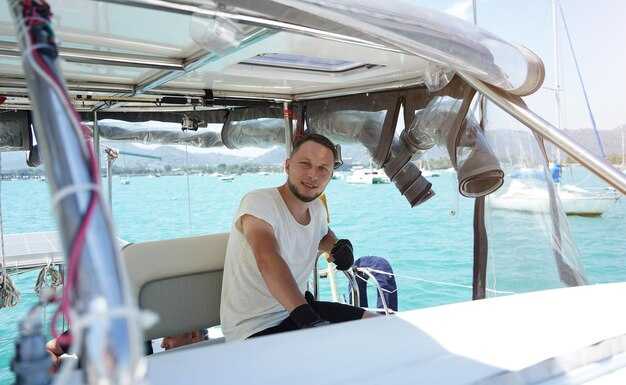 Seychelles Yacht Charter Sailing Holiday – The Ultimate Guide">

Opt for a 7-day Seychelles yacht charter with curated itineraries that start in Mahe and glide along the coast to Praslin and La Digue. This choice gives you flexible sails, added onshore time, and the chance to anchor near powder-white beaches.
Honeymooners will love evenings on deck with soft cocktails, bliss on the water, and vibrant sunsets. Our boats offer spacious cabins and velvety decks, and the offering includes fresh refreshments after snorkeling sessions.
During island hops, expect encounters with turtles και rays along coral reefs, and the occasional shark gliding past the bow. Snorkeling is easy from most anchorages; choose a plan with added value for extra time in Marine Parks.
Seafarers seeking quality and comfort will appreciate the well-maintained boats and attentive crews. We provide clear itineraries with daily routes, recommended provisioning lists, and suggestions for island nights. Our crews have grown more attentive, and the fleet has added newer boats to keep comfort levels high. We can tailor itineraries for honeymooners, families, or groups seeking quiet coves and fantastic beaches.
To maximize your time, book a combination of day sails and anchor nights; plan 2–3 longer hops and 3–4 shorter hops. Distances between islands typically range 15–40 nautical miles, with calmer mornings and breezier afternoons on most routes. Food and refreshments vary by operator, but most charters include fresh fruit, sandwiches, water, and soft drinks; you can supplement with onshore markets in Victoria or Praslin.
Planning a Seychelles Yacht Charter: Practical decisions for a perfect 7–14 day sailing holiday
Lock a 10–day window with Sunsail or a trusted operator to secure 4 anchorages and 2 moorings in prime locations, leaving 2 days ashore for rest or sightseeing. This keeps the budget predictable and living aboard comfortable.
- Define the crew profile and expectations: a family group or a corporate team will influence vessel size and provisioning. Sail plans should balance lighter cruising days with longer passages, so everyone enjoys the views without fatigue.
- Choose the vessel type by conditions and comfort: a crystal‑clear hull on a white‑sanded coast looks stunning, and a catamaran offers more living space and stable sailing, whereas a monohull can feel nimble in tighter anchorages.
- Plan anchorages and mooring stops around locations with easy ashore access: Desroches moments aside, focus on Ste Anne Marine Park, Praslin’s Anse Lazio, and La Digue’s coves for peaceful swimming and fish encounters.
- Bank on a blended itinerary: 7–days works well for a concentrated loop from Mahé to Praslin and La Digue, while 10–14 days allows Curieuse, Silhouette, and Félicité to be added, giving vessels a richer period of cruising and visit opportunities.
- Incorporate UNESCO highlights: Vallée de Mai on Praslin is unesco‑listed, a jewel for walkers and boaters alike, with crystal pools and palm views that reward a careful anchorage plan and a half‑day ashore visit.
- Budget and provisioning: estimate daily costs per crew member, add a contingency for fuel, marina fees, and mooring charges, and reserve a portion for specialty meals ashore or at light, casual eateries ashore.
- Navigation and safety: chart a route with conservative weather margins, verify updated reports, and keep a close watch on tide windows for entry into sheltered anchorages and over reef passages. Carry a robust paper chart backup alongside digital navigation.
- Seasonal rhythm: the season from late October to May offers reliable trade winds and calmer seas for cruising between islands, with occasional squalls in transitional periods. Plan a lighter schedule during peak wind peaks and reserve more time for island visits.
- Onboard living: allocate bunk space and galley time to minimize crowding; schedule shared cooking duties and designate quiet hours to enjoy the crystal sea views and evenings under starry skies.
- Visit options: besides island beaches, include mangroves and creeks for wildlife, as well as ashore experiences that showcase local culture and marine life, turning each day into something memorable rather than a hurried transit.
- Fleet options and vessels: whether you choose a Sunsail charter or another operator, ensure the boat has reliable mooring gear, functional life jackets, and a comfortable cockpit–the jewel of every charter is a well‑equipped helm and a dependable anchor system.
Sample day structure for a 7–day plan: start from Mahé, sail to Ste Anne Marine Park anchorages (2 days), then to Praslin for Vallée de Mai visit (1 day, unesco), continue to La Digue for two days of cycling ashore and snorkeling, and finish with a light leg back to Mahé. For a 14‑day option, add Curieuse and Silhouette, with a longer stay at Bel Ombre or Port Launay to enjoy mangroves, crystal lagoons, and quiet coves.
Key decision points to finalize before departure: vessel size and layout, number of crew, provisioning discipline, anchor‑bite comfort (anchorages vs moorings), and a flexible plan that allows a rainy‑day ashore visit or a lighter cruising day when seas rise. With careful planning, the itinerary offers a balanced mix of living aboard, memorable views, and efficient navigation between Seychelles locations, delivering a sustainable and enjoyable charter period for any traveler.
Choose the yacht size and rig: catamaran vs monohull for comfort and handling
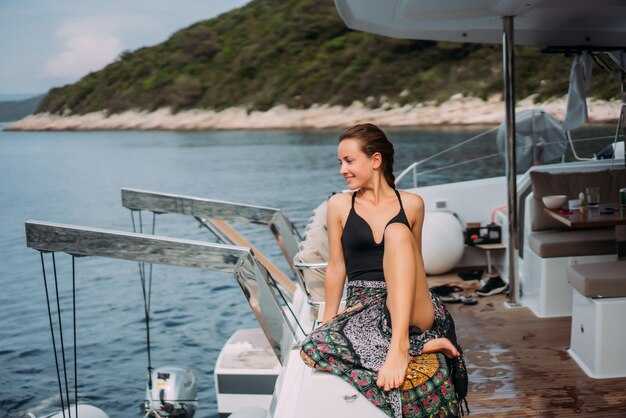
Opt for a catamaran for most Seychelles holidays to maximize lounging and ease of movement aboard. The wide beam and twin hulls deliver a stable, level deck and generous outdoor spaces, letting you walk from cockpit to bow without squeezing past cabins, even when seas are lively. With this setup, budget-friendly options exist for groups, and a paddleboard can be stored on deck for quick sessions near beaches. Never underestimate the value of spacious common areas when planning long charters.
Catamarans excel in lounging and access to reefs: their shallow draft lets you anchor very close to magical beaches and jewel-like atolls, offering a slice of paradise. The deck plan usually includes a large cockpit, shaded lounging areas, and room to store a paddleboard. Onboard, families appreciate multiple cabins with en suites, making holidays feel unique.
Monohulls offer sharper handling and stronger performance under wind, which can be a benefit when you chase breezes along the northwest trades. They tend to have a narrower deck footprint, making marina maneuvers easier but reducing lounging space. If you charter with a small crew and value speed and dock versatility, a well-kept monohull can provide the highest thrill per mile, though you trade some onboard space.
How to choose: when chartering for a month-long plan that emphasizes calm days, snorkeling near reefs, and long beach walks, a catamaran provides the most comfort and a budget-friendly route for larger groups. If you want a sporty feel, quicker passages between famous sites, and tight anchorages, a monohull suits those aims. Check the graphic comparison provided by your charterer–created onboard–to compare comfort, handling, and space. In Seychelles, watch for the season and wind shifts; always ensure you have a clear plan for the northwest leg and a safe route around shark-inhabited areas, and consider a charter with a flexible schedule that lets you adjust daily plans as conditions change.
Seasonal wind patterns and best months for smooth sailing
Prefer May through July for smooth sailing in Seychelles, when SE trades deliver steady, moderate winds and calm seas around the jewel islands and their sheltered lagoons.
From May to September, predictable SE trades typically hold at 12–20 knots, with a gentle steadiness that favors longer, relaxed routes between Mahe, Praslin, La Digue, and the surrounding atolls. Such conditions keep the water smoother, reduce the risk of sudden gusts, and make week-long itineraries enjoyable for both experienced captains and crewed crews exploring diverse surroundings.
During the shoulder period in April and October, winds become lighter and more variable–roughly 8–15 knots–with occasional shifts in direction. This period suits adventures where you prefer flexible schedules, shorter hops, and more time for mooring in quiet coves to watch sunset from a private deck, while still maintaining easy, predictable days on the water.
December through February bring lighter, variable winds and occasional squalls, averaging 6–14 knots. Calm mornings give way to lazy afternoons and sheltered moorings–ideal for snorkelling, inner-island explorations, and relaxed, uncomplicated sailing for less experienced crews or those focusing on maintenance tasks and gear checks during a tropical period of calmer seas.
For those who plan a number of routes in a single trip, the May–July window offers the perfect balance of steady wind, manageable seas, and reliable weather for a variety of day trips and sunset sails. If your desires lean toward quieter days with fewer passages between anchors, consider late April or late October to capture lighter winds with still favorable visibility and safe mooring options, especially for week-long charters.
| Period | Avg wind (knots) | Direction | Seas | Best for |
|---|---|---|---|---|
| May–July | 12–20 | SE | 1–2 m | smooth week-long routes, sheltered moorings |
| Aug–Sept | 14–22 | SE | 1–2 m | consistent sailing, crewed charters |
| Apr, Oct | 8–15 | variable | 0.5–1.5 m | lighter winds, flexible plans |
| Dec–Feb | 6–14 | variable/NE | 0.5–1.5 m | easy days, sheltered bays, snorkelling |
Sample routes: Mahé to Praslin and La Digue with anchorages and highlights
Start with a dawn departure from Mahé after the airport, a 46–52 nm hop to Praslin that typically takes 4–6 hours under steady easterly trades, letting you reach Baie Sainte Anne before lunch. The crystal horizon and smooth start set the tone for the route youre about to explore, with gear ready and crew refreshed for the next leg.
On Praslin, anchor at Baie Sainte Anne or Grand Anse for the first night, both offering sheltered water and easy shore access. In most months, weather stays favorable, so youre comfortable and you can enjoy a relaxed afternoon ashore or a short hike to Vallée de Mai, a rare and rewarding UNESCO site that marks the highlight of the island.
Highlights on Praslin include Curieuse Island’s giant tortoises and crystal-clear reefs just offshore near St Pierre Island, where divers and snorkelers explore with a small tender. The sheltered coves around Baie Sainte Anne remain calm, perfect for a quiet dinner aboard with refreshments and a view of the horizon as sunset paints the water.
Next leg from Praslin to La Digue spans 8–12 nm and 1–2 hours, depending on wind. Anchor options include La Passe Bay or Anse Severe for protection and easy shore access, with a short dinghy ride to La Digue town for provisioning and a café stop. The route reveals some of the most photogenic coastlines in the archipelago as you glimpse Coco Island and the reef highlights on the approach.
La Digue offers highlights such as Anse Source d’Argent with its dramatic granite boulders and white sand, plus a snorkeling session around Coco Island just off the north coast. If you want a quieter moment, drop anchor near Anse Patates or Anse Severe to enjoy the crystal water, a gentle breeze, and a more private lunch on deck before sunset.
Practical tips: gear check, spare lines, reef-safe sunscreen, and a compact provisioning plan make the most of the month youre cruising. Booking with a local operator provides support and peace of mind, and a reliable source for weather forecasts helps you adjust plans to the wind. Keep a flexible mindset so your crew can swap anchorages if seas pick up; the route between Mahé, Praslin, and La Digue remains a strong option for a memorable micro-cruise on a Seychelles yacht charter.
Cost structure: daily rate, skipper, fuel, provisioning, and port fees
Lock in an advance quote at least six months ahead to secure the base daily rate and avoid winter surcharges.
Budget by five blocks: base rate, skipper, fuel, provisioning, and port fees. They combine to a weekly figure that reflects vessel size, season, and your planned itinerary. When you map a route across several stops, you’ll stay close to your target, reach hidden coves, and still keep the overall period affordable.
- Base daily rate: 700–1,400 USD per day for a mid-range vessel with 4 cabins and decks suited to 6 guests. The figure is based on vessel class, age, and season; it covers the hull, sails, safety gear, and standard onboard equipment, with no crew or provisioning included.
- Skipper: 180–350 USD per day. Some vessels include the skipper in the base rate, others charge separately. If you add a chef or provisioning specialist, budget an extra 120–220 USD per day. Ensure the skipper is national-certified and speaks your language for smooth port calls and easy stop planning.
- Fuel: 40–170 USD per day. Typical consumption varies with distance between stops and engine use; plan 60–100 liters per day at roughly 1.0–1.5 USD per liter. Fuel can be charged as a daily block or per liter–confirm how your operator handles it before signing.
- Provisioning: 25–60 USD per person per day. For a party of 6, this means 150–360 USD daily, depending on dietary preferences and whether you include beverages, snacks, or a chef. Local coconuts, island-grown fruits, and plant-based options can cut costs if sourced from the national market or the website of the operator.
- Port fees and marina dues: 15–60 USD per night for mooring and anchorage; marina stops with full facilities typically 60–150 USD per night. If your route includes national parks or protected areas, allow for entry or permit fees. For a 7-day trip with several stops, plan 200–800 USD for port-related costs depending on how many nights you spend in marinas versus anchorages.
Additional cost factors to consider: advance deposits (often 20–40%), the period you sail (winter rates can differ from the off-season), and the option to rent gear or upgrade to a larger vessel. Most bookings in Seychelles are based on a per-day rate with a fixed total for provisioning and a separate line for fuel and port fees. Rentals rise if you add a longer itinerary or a more remote reach, especially when you plan near whale watching sites or rocky boulders along the trail between coves.
Sample budget for 7 days on a mid-range vessel (4 cabins, 6 guests, skipper included, provisioning as described):
- Base rate: 1,000 USD/day × 7 days = 7,000 USD
- Skipper: 300 USD/day × 7 days = 2,100 USD
- Fuel: 100 USD/day × 7 days = 700 USD
- Provisioning: 45 USD/person/day × 6 people × 7 days = 1,890 USD
- Port fees: 5 stops × 70 USD each + 2 marina nights × 120 USD = 350 USD
Estimated total: about 12,040–12,500 USD for the week, translating to roughly 2,000–2,250 USD per person. This is a solid baseline when you consider you’re sailing from island to island, visiting coves where coconuts are common, and watching for whale activity near sea cliffs and watch-worthy boulders.
Tips to reduce costs without sacrificing safety and comfort:
- Choose shoulder season or mid-week departures to lower the base rate and port fees.
- Limit the number of stops or select anchorages over marina stays where appropriate; this can cut port fees by a substantial margin.
- Limit provisioning to essential items and source local, island-grown products when possible; use the coconut and plant-based options available at local markets to keep provisioning within budget.
- Book at least a month in advance and confirm a fixed fuel block if offered by the operator; it reduces variability in daily costs.
Remember to verify the website of the operator for the latest numbers and any seasonal discounts. They often publish seasonal shifts in rates and highlight national park or special permit fees, helping you plan with confidence. If your plan includes extended periods away from port, consider a longer period per booking to reduce handling fees and leverage a more favorable base rate per day across a longer voyage.
Booking tips: deposits, cancellation policies, insurance, and hidden charges

Choose a charter with a flexible cancellation window and a clearly stated deposit–typically 20–30%–and capture the terms in writing on the charter’s website, preferably on the mooring page. Review the contract carefully to understand refund rules, payment milestones, and what triggers loss of the deposit. Review the bundle of details about refunds and payment milestones.
Cancellation policies vary; many operators offer a partial or full refund if you cancel 30 days or more before departure, while cancellations within 30 days often incur a 10–30% fee; deposits are typically non-refundable after the grace period.
Insurance: Purchase travel and yacht charter coverage that includes medical and emergency evacuation, trip interruption, and equipment such as paddleboard. Verify the policy’s source and get a certificate listing vessel, dates, and passengers; confirm that coverage extends to provisioning and any shore excursions.
Hidden charges: request a line-item quote; confirm inclusions: skipper, crew, provisioning, fuel surcharges, marina dues, mooring fees, port charges, cleaning, taxes, and service fees. Ask for caps on surcharges and for any seasonal upticks; clarify what is included in the base rate and what is charged separately.
When evaluating Seychelles listings, compare cabins and onboard amenities, and verify equipment such as paddleboard, snorkeling gear, fishing rods (where allowed), and water toys. Check the vessel’s page for reef itineraries, peaceful bays, and living spaces suited for cruising couples and honeymooners.
Before finalizing, compare at least two operators, read reviews, and use the official website as the primary source for the most recent details; ask about mooring, popular ports, and master cabin layout.