


 Ελληνικά
  English (UK)
  Русский
  العربية
  日本語
日本語  한국어
한국어  Magyar
  Türkçe
  Español
  Čeština
  Svenska
  Português
  Suomi
Suomi  Nederlands
  Română
  Italiano
  Français
  Polski
  Українська
  Deutsch
  简体中文
简体中文  Slovenčina
 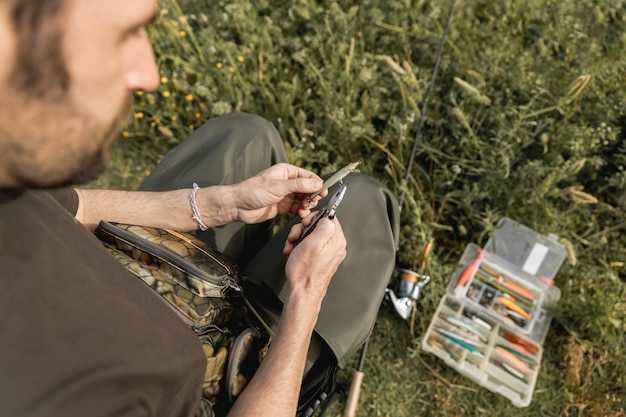 Saltwater Fishing – Five Essential Tips to Hook and Land More Fish">

Choose a versatile gear setup: a medium-action rod paired with 20–40 pounds braided line and a 20–30 feet fluorocarbon leader for inshore waters. This combo stays ready on a boat or from shore and improves bite detection and hook retention. If that setup doesnt fit your target, tweak the leader length or drag in small increments to keep you ready for quick changes.
Match your bait to the season and the local forage. Here, you’ll find the best results by talking with local captains and checking recent catches. If live bait is available, use shrimp or pinfish for redfish and trout; if not, a bright soft-plastic lure with a light jig head can work well. Bonus: a natural presentation reduces misses and keeps you positive. Be observant of current and depth to keep the lure at the right level.
Read current and structure for better strikes. Inshore waters often hold fish along drop-offs, channels, and grass lines, so scan tides, depth, and wind to predict where the fish are. Use a depth finder or local charts to identify ledges and weedlines; cast beyond the target and pull toward the edge with a steady, positive retrieve. Being observant about water color shifts and bait activity helps you adjust quickly; this matters for success, backed by research and local reports.
Manage the hook set and fight strategically. When a bite is detected, keep the rod tip up, count a beat, then sweep with a firm, controlled hookset. Let the fish take line gradually to avoid deep-hooking, then reel with a smooth cadence. Start with a drag at roughly one-third of your line test and adjust for target size. This approach works across species, from trout to giant game fish, and increases your land rate when timing matters.
Prepare for rapid changes and have a ready plan. Always carry spare leaders, pliers, and a net in the boat; keep a positive mindset and ready-to-switch lures. If you arent getting bites, switch targets, try a different color, or move 10–20 yards to drop into a new current seam. The internal discipline of staying observant, tracking results, and adjusting quickly often makes the difference between a quiet day and a productive session.
Saltwater Fishing: Five Tips to Hook and Land More Fish; Conservation Best Practices
Get a license and review the guidelines before you start; knowing the rules keeps life in balance and prevents needless losses.
-
Plan your target and gear first. Identify the species you are targeting, then match your rig to the basic guidelines for that fish. Use the right types of tackle and line, and select equipment that supports artificial or plastics baits as appropriate. Keep a simple step-by-step approach: know the season, the depth where the fish feed deep, and the structure you’ll fish. This preparation increases your hook-to-land ratio and reduces time wasted on ineffective setups.
- Choose hooks and leaders that suit the species; consider circle or other appropriate designs to reduce gut hookups.
- Carry a few basic lure options, including plastics and other artificial options, so you can adapt quickly to conditions.
-
Position and presentation matter. Target structure, troughs, and current edges where fish congregate. Toss your bait or lure to the deepest likely pockets, then work it through the current with steady retrieves. Keep the line tight to feel bites, and adjust your depth to keep the connection strong as the fish moves through the water column.
- Try a few techniques to find what works best that day, shifting between slow rolls and snap retrieves as needed.
- Watch for water clarity and tide changes; deep water often holds more activity after a turn in the current.
-
Set the drag and present the hook correctly. Begin with a conservative drag, then test it by reeling against a light pull. If a strike comes, allow the fish to take line briefly before you set, then firm the pull to drive the hook home. This step helps increase the chance of a solid hook-up while avoiding snap-offs in tough conditions.
- During a fight, maintain steady pressure and let the fish run briefly through the drag, then reel back to regain control.
- Keep the connection with steady hands and a smooth, controlled arc of your rod tip.
-
Fight, land, and release with care. When you bring a fish to you, minimize handling time and keep the life of the fish in mind. If you plan to release, use wet hands or a dehooking tool, avoid lifting heavy fish by the jaw, and limit air exposure. If you plan to keep, follow the guidelines on size and bag limits and reset your expectations for future trips.
- If a fish isn’t ready, gently release it back while still submerged to reduce stress.
- After a missed bite, reset your setup and try a different lure type or depth to maintain momentum.
-
Conservation-first guidelines ensure long-term fishing health. Always verify your license status, respect seasonal closures, and avoid targeting protected or vulnerable populations. Use responsible gear choices–prefer barbless or easily removable hooks when possible–and practice catch-and-release with minimal handling. Dispose of plastics and fishing line properly, and pack out everything you brought in. This thoughtful approach keeps life vibrant on fishable grounds and supports ongoing learning for you and future anglers.
- Respect the habitat; fish where your guidelines permit, and never chase fish in protected zones.
- Document yourofficiations and reflect on your learning so you can improve technique without increasing pressure on wildlife.
Targeted, practical tips for saltwater anglers
Plan a pre-trip gear check: inspect line for nicks, replace worn leaders, test the drag on your reel, and wipe salt from everything when you finish. This five-minute routine saves broken leaders and lost fish once you reach the waters.
Protect your skin and hands: sunscreen, long sleeves, and light gloves reduce sunburn and abrasion without adding bulk. If theyre new to saltwater, start with these basics, reapply sunscreen as you check gear after splashes, and keep your hands clean and dry before handling knots and leaders.
Choose leaders and knots that bite on saltwater fish: use fluorocarbon or abrasion-resistant mono, tie a strong knot cleanly, and test the knot by pulling the line to ensure it holds. Your rigging practices should favor abrasion resistance. Include a short back-up leader and keep spare line in a dry pouch on the seat or in a waterproof box.
Handle fish quickly to minimize stress: keep them in the water during unhooking or release, wet hands or use a wet rag, and avoid touching gills. This makes the life of the fish better and you more likely to enjoy a successful, humane release.
Plan after-action cleanup and storage: rinse gear with fresh water, avoid leaving salt on reels, dry everything before packing, and store lines and leaders in a clean, dry bag. This helps your gear last longer and keeps future trips smooth as you prepare for the next waters. The priority is safety and readiness for your next trip.
Select the right rig and tackle for your target species
Choose a Carolina rig for reef and bottom fish, using 20–40 lb braid with a 60–80 lb leader and a 2/0–4/0 hook. For giant pelagic targets, switch to a long‑cast trolling setup with 30–50 lb braid, a 60–80 lb leader, and a 5/0–7/0 hook. These two options cut complexity and keep you moving efficiently, especially when heading into deeper water.
Knowing your environment drives weight, leader length, and lure choice. In difficult current or around heavy structure, add weight and shorten the leader; in calm water with clear surroundings, extend the leader and use more subtle plastics or natural baitfish rigs. Although plans vary, start with gear you trust and adjust as needed. The attitude you bring on deck matters as much as the hardwear you choose, and these tips help your passengers stay calm while you guide the boat toward bites.
These guidelines incorporate both baitfish and artificial options, so you can adapt under changing surroundings. The key is to set up correctly, then familiarize yourself with the currents and bottom contours. Knowing when to switch rigs and how to connect lines keeps your hands free for the next bite, heading toward the next target, and going after the next opportunity with confidence, even if the conditions aren’t ideal.
The setup doesnt require guesswork and works with most species if you stay deliberate. Carefully inspect knots, tie correctly, and check for fray before each cast. Share these practices with your crew, guys, so everyone stays aligned and can help keep the line away from structure, down into the water column, and toward the bite. Your mindset and preparation influence every hookup, so keep your attitude steady and your movements deliberate for better results yourself.
| Target species | Recommended rig | Line/Leader | Hook size | Σημειώσεις |
|---|---|---|---|---|
| Snapper/Grouper (reef/bottom) | Carolina or bottom rig | 20–40 lb braid; 60–80 lb leader | 2/0–4/0 | Present baitfish or artificial baits close to structure; use a moderate sinker |
| King Mackerel (pelagic) | Long‑cast trolling rig or sliding‑sinker rig | 30–50 λιβρών πλεξούδα; 60–80 λιβρών παράμαλλο | 4/0–7/0 | Σκεφτείτε να χρησιμοποιήσετε συρμάτινο παράμαλλο για τα δόντια· χρησιμοποιήστε τεχνητά δολώματα ταχείας κίνησης ή ζωντανό δόλωμα |
| Amπερτζάκ / Γιγάντιο τρεβάλι | Βαρύ κάτω ή αρματωσιά jigging | 60–100 λίβρες πλεξούδα· 80–120 λίβρες παράμαλλο | 5/0–7/0 | Να είστε έτοιμοι για απότομα τραβήγματα· μείνετε συγκεντρωμένοι και κινηθείτε μαζί με το ψάρι |
| Barracuda | Αρματωσιά γρήγορης επίθεσης ή συρμάτινου οδηγού | 50–80 λίβρες μονοΐνωμα; 60–100 λίβρες παράμαλλο | 4–5/0 | Απότομα αγκίστρια, αποφύγετε τη χαλάρωση στην παρουσίαση |
Χρονίστε το δάγκωμά σας με βάση την παλίρροια, το ρεύμα και τη φάση της σελήνης
Χρονίστε την ρίψη σας για τα 60–120 λεπτά μετά την αλλαγή της παλίρροιας, όταν τα ρεύματα αυξάνονται και τα τσιμπήματα πληθαίνουν. Ακολουθήστε τους τοπικούς πίνακες παλίρροιας και στοχεύστε κανάλια, κορυφογραμμές και στροβίλους κατά μήκος της ακτής, όπου τα νερά διοχετεύουν δολώματα και θηρευτές.
- Χρονισμός με την παλίρροια: ψαρέψτε την τελευταία ώρα της εισερχόμενης παλίρροιας και την πρώτη ώρα της εξερχόμενης παλίρροιας, και έπειτα ξανά κοντά στην κορύφωση της επόμενης παλίρροιας. Αυτό διατηρεί το δόλωμά σας στη σταθερή ζώνη χτυπήματος όπου πολλά είδη περιπολούν τις άκρες.
- Ρεύμα και τοποθεσία: αναζητήστε ένα σημείο ή μια πτώση όπου το κινούμενο νερό συγκεντρώνει το δόλωμα. Πετάξτε πίσω από την κατασκευή, δουλέψτε τα δολώματα στην άκρη και διατηρήστε μια καθαρή, τεντωμένη γραμμή, ώστε να μπορείτε να αντιδράσετε γρήγορα σε ένα τσίμπημα.
- Φάση Σελήνης: κατά τη διάρκεια της νέας Σελήνης και της πανσελήνου, οι παλίρροιες είναι μεγαλύτερες και τα παράθυρα τσιμπήματος διευρύνονται. Παραμείνετε περισσότερο σε ένα πολλά υποσχόμενο σημείο και στοχεύστε βαθύτερα κανάλια ή απότομες πτώσεις όπου το ρεύμα είναι ισχυρότερο. Στα τέταρτα, αναμείνετε μικρότερα παράθυρα και προσαρμοστείτε μετακινούμενοι νωρίτερα μεταξύ των σημείων.
- Τρόπος προσέγγισης με δόλωμα και εξοπλισμό: επιλέξτε τύπους δολωμάτων που ακολουθούν το ρεύμα – καθαρά μαλακά πλαστικά, κουτάλια, τεχνητά δολώματα και καλαμίδια. Χρησιμοποιήστε στιβαρές πετονιές, ένα ομαλό καρούλι και μια λαβή που σας κρατά σταθερούς καθώς οδηγείτε το δόλωμα κατά μήκος του ορίου.
- Τεχνική: ξεκινήστε με μια ανάκτηση μεσαίας ταχύτητας κοντά στον βυθό και, στη συνέχεια, διαφοροποιήστε την ταχύτητα και τις παύσεις για να προκαλέσετε τσιμπήματα. Εάν η πετονιά σας είναι κουλουριασμένη πίσω από την άκρη του καλαμιού, ελέγξτε την διάταξη spinning και κοντύνετε το παράμαλλο για να διατηρήσετε τα αγκίστρια του δολώματος σε λειτουργία.
Μπόνους: κρατήστε ένα γρήγορο αρχείο καταγραφής τοποθεσίας, συνθηκών και τι προκάλεσε τσιμπήματα· μεγάλο μέρος της επιτυχίας προήλθε από την εφαρμογή ενός απλού μοτίβου στα τοπικά σας νερά. Κατακτήστε το χρονοδιάγραμμα, ακολουθήστε το νερό και θα παραμείνετε μπροστά από τα ψάρια καθώς ψαρεύετε στα νερά τους.
Αντιστοιχίστε τα τεχνητά δολώματα, τα χρώματα και το στυλ ανάκτησης με το βάθος και τον βιότοπο
Ξεκινήστε με μια μολυβοκεφαλή 1/2 ουγγιάς σε συνδυασμό με ένα μαλακό δόλωμα paddle-tail 4–5 ιντσών, περασμένο σε πλεξούδα 20–30 λιβρών με ένα φθοροκαρβονικό παράμαλλο 30–40 λιβρών. Διατηρείτε σφιχτή, καθαρή πετονιά σε ανθεκτικά καρούλια και χρησιμοποιήστε μια ανάκτηση δύο χρόνων με μια μικρή παύση, ώστε το δόλωμα να βυθιστεί στη ζώνη χτυπήματος. Εάν τσιμπάνε, μείνετε με αυτήν την ρύθμιση για αρκετές βολές. διαφορετικά, αλλάξτε σε μια ελαφρώς βαρύτερη μολυβοκεφαλή ή ένα πιο φωτεινό χρώμα, χρησιμοποιώντας την ίδια αρματωσιά και επαναπρογραμματίζοντας το χρονοδιάγραμμα μετά από μερικές βολές. Ελέγξτε για κουλουριασμένη πετονιά και διορθώστε πριν ρίξετε.
Το βάθος καθοδηγεί το στυλ ανάκτησης. Σε ανοιχτές αβαθείς περιοχές 0–15 ποδιών, κρατήστε το δόλωμα κοντά στο βυθό με αργή ανάκτηση και παύσεις 2–3 δευτερολέπτων. Σε 15–40 πόδια, σταθερή, 1–2 έλξεις ανά δευτερόλεπτο με σύντομες ανυψώσεις· σε 40+ πόδια, μεγάλες σαρώσεις κατά μήκος του βυθού με παύσεις 3–4 δευτερολέπτων για να προσελκύσετε τσιμπήματα από ψάρια που αγκαλιάζουν το βυθό.
Τα χρώματα πρέπει να ταιριάζουν με τη διαύγεια του νερού. Σε καθαρά νερά, επιλέξτε φυσικούς τόνους–μπεζ, πράσινο-ασημί και περλέ. Σε θολά νερά, προτιμήστε το χακί, το λάιμ ή το πορτοκαλί για ορατότητα. Σε βρώμικα νερά, χρησιμοποιήστε συνδυασμούς μπλε/μαύρου με έντονη αντίθεση και εξετάστε επιλογές που φωσφορίζουν για συνεδρίες σε συνθήκες χαμηλού φωτισμού. Χρησιμοποιήστε φρέσκα δολώματα και αλλάζετε μερικά χρώματα για να διατηρείτε τα πάντα αποτελεσματικά σε διαφορετικές στιγμές και τοποθεσίες.
Το περιβάλλον ζωής έχει σημασία. Σημεία στόχοι, σημεία απόθεσης, άκρες φυκιών και άκρες καναλιών όπου συγκεντρώνεται η ζωή. ρίξτε μπροστά από τις ενώσεις ρευμάτων και μαζέψτε προς τη ροή για να κρατήσετε το δέλεαρ στη ζώνη χτυπήματος. Πίσω από την κατασκευή βρίσκονται τα περισσότερα τσιμπήματα, οπότε δουλέψτε την άκρη και μετά κάντε βεντάλια σε κοντινές τρύπες ή θήκες κατά μήκος του σημείου για πιο σταθερά αγκιστρώματα.
Τακτικές με δόλωμα. Ένα ελαφρύ ίχνος δολώματος πίσω από το σκάφος μπορεί να αυξήσει τη δραστηριότητα και την επιτυχία πίσω από το σημείο. Χρησιμοποιήστε αυτή την τακτική σε τοπικές τοποθεσίες με σταθερό ρεύμα. διατηρείτε το δόλωμα φρέσκο και απλώστε το ομοιόμορφα για να αποφύγετε την απόσπαση της προσοχής από το δέλεαρ. Αυτή η προσέγγιση βοηθάει στο να επικεντρωθούν στην αρματωσιά σας και να παραμείνουν εκεί περισσότερο, αυξάνοντας τις πιθανότητές σας για μια σταθερή ψαριά.
Φροντίδα εξοπλισμού και διάρκεια ζωής εργαλείων. Το αλάτι είναι διαβρωτικό· ξεπλύνετε καλάμια και μηχανισμούς μετά από κάθε εξόρμηση και στεγνώστε τα πάντα πριν την αποθήκευση. Ελέγξτε τα αγκίστρια, ξαναδέστε τα αν χρειάζεται και αντικαταστήστε έγκαιρα τα φθαρμένα παράμαλλα. Διατηρείτε τους μηχανισμούς λιπασμένους και αποθηκεύστε τον εξοπλισμό σε καθαρό, ξηρό μέρος, ώστε να είναι όλα έτοιμα για την επόμενη εξόρμηση.
Καταγράψτε τα αποτελέσματα. Σημειώστε βάθος, τοποθεσίες, δόλωμα και χρώμα, στυλ ανάκτησης και την έκβαση· καταγράψτε τις ώρες των τσιμπημάτων και ποιοι συνδυασμοί απέδωσαν τα μέγιστα. Χρησιμοποιήστε αυτά τα δεδομένα για να βελτιώσετε την τακτική σας και να διατηρήσετε κάθε συνεδρία παραγωγική, ακόμη και όταν οι συνθήκες αλλάζουν.
Μάθετε σωστή προσγείωση και διαχείριση των ψαριών για να μειώσετε το στρες και τις απώλειες
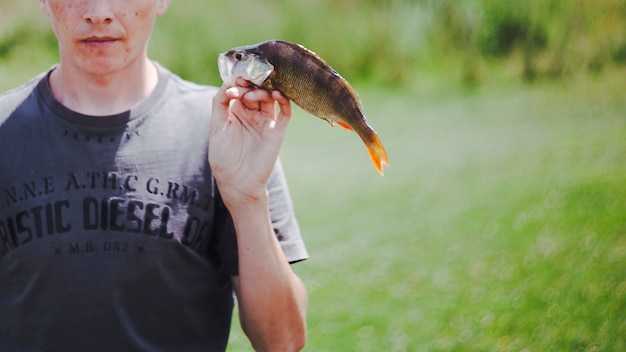
Διατηρήστε το ψάρι στο νερό ή σε ένα βρεγμένο δίχτυ και απελευθερώστε το από το αγκίστρι μέσα σε 20 δευτερόλεπτα για να μειώσετε το στρες και τις απώλειες.
Στηρίξτε το ψάρι και με τα δύο χέρια: το ένα κάτω από την κοιλιά πίσω από τα θωρακικά πτερύγια και το άλλο κοντά στην ουρά, στηρίζοντας το σώμα και όχι αρπάζοντας το σαγόνι, χωρίς να το σφίγγετε.
Αν και στοχεύετε σε μια γρήγορη απελευθέρωση, χρησιμοποιήστε μυτοτσίμπιδα για να αφαιρέσετε το αγκίστρι. εάν το αγκίστρι έχει ακίδα, στρίψτε απαλά και βγάλτε το προς τα έξω. εάν δεν μπορείτε, κόψτε την πετονιά και προχωρήστε. Στη συνέχεια, ελέγξτε τον κόμπο και ετοιμαστείτε για την επόμενη βολή.
Περιορίστε την έκθεση στον αέρα σε λιγότερο από 20 δευτερόλεπτα. Κατά την ανύψωση, διατηρήστε το σώμα σε ευθεία θέση και ελαχιστοποιήστε τις περιστροφές και το στρίψιμο.
Χρησιμοποιήστε ένα ελαστικοποιημένο δίχτυ χωρίς κόμπους και φέρτε το ψάρι στο νερό αργά για να προστατεύσετε την βλεννώδη επίστρωση και να μειώσετε τον τραυματισμό.
Επαναφέρετε το ψάρι στο ρεύμα με αργές, ομαλές κινήσεις για 1-2 λεπτά, έως ότου δείξει σημεία ζωής που να του επιτρέπουν να κολυμπήσει μακριά.
Ως ψαράς, κάντε αυτό μέρος του τρόπου ζωής σας· εμπλέξτε τα παιδιά, καθώς υιοθετείτε αυτές τις πρακτικές, και κάθε επόμενη φορά σε κάθε ψαρευτική εξόρμηση θα ενισχύετε τη σύνδεση με το νερό και θα μειώνετε τις απώλειες.
Προσαρμοστείτε σε διαφορετικά είδη με ευέλικτο χειρισμό, αλλάξτε λαβές ανάλογα με τις ανάγκες και προσαρμόστε την προσέγγισή σας στις συνθήκες του νερού. Η προσοχή στη λεπτομέρεια αυξάνει τις επιτυχημένες επιστροφές σας στο νερό.