


 Ελληνικά
  English (UK)
  Русский
  العربية
  日本語
日本語  한국어
한국어  Magyar
  Türkçe
  Español
  Čeština
  Svenska
  Português
  Suomi
Suomi  Nederlands
  Română
  Italiano
  Français
  Polski
  Українська
  Deutsch
  简体中文
简体中文  Slovenčina
 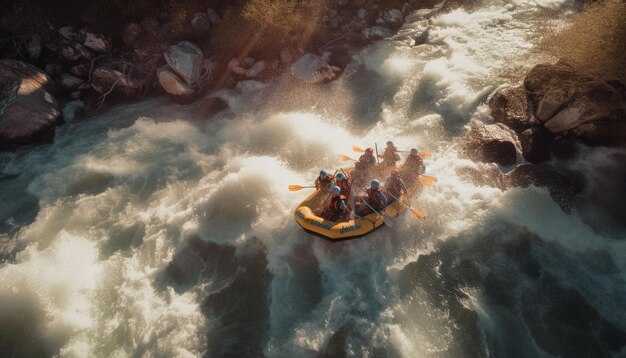 Salt River Rafting – Ultimate Guide to Arizona Whitewater Adventures">

For beginners and families, book a morning Lower Salt River rafting trip to maximize safety, shade, and calm water.
Most half-day offerings run 2-4 hours on the water, covering roughly 6-9 miles downriver. Plan for 4-5 hours total including check-in, gear fitting, and shuttle. Operators offer pontoon and inflatable rafts with seating options that keep you together as a group while letting you enjoy canyon walls and gorges from comfortable vantage points.
My advice: wear a properly sized PFD, sturdy water shoes, and a quick-dry layer. Hydration matters, bring sunscreen, and pack a light snack for shore breaks. If you have specific interests–photo stops, wildlife watching, or faster pacing–tell the guide before launch so your crew can align with your sports και interests and you can join the best sections of the river.
Seasonality shapes the ride: the highest water levels typically appear after winter runoff, creating more lively currents and open sections. Late spring and early summer also bring greener banks and abundant wildlife along the canyon walls. In monsoon months, expect sudden showers and occasional schedule changes; always confirm with your operator the day-of plan. Some night floats offer moonlit perspectives for a different mood–check availability with your guide.
Choose your craft thoughtfully: the classic raft uses seating benches, while pontoon boats provide broader decks for families and groups. When you book, specify a seat near the center for steadier tracking, or toward the sides for quick access to touchpoints along the banks. If you want to cover more ground, discuss downriver options that include short side hikes between river segments. For thrill-seekers, talk with the operator about higher-water day options.
Premium experiences include private shuttle, photo packages, and upgraded gear. If you want to combine your Salt River outing with broader Arizona adventures, your operator can suggest add-ons. For variety, some nearby outfits offer seadoo experiences on adjacent waters; ask about safety rules and age limits before trying anything beyond the raft. This world of outdoor options rewards preparation and timing, and a well-planned day lets you return with fresh stories, new skills, and a deeper appreciation for canyon walls and abundant scenery. Ready to join an unforgettable rafting day? Pick your date, pack light layers, and book a premium outing with a trusted guide team.
Adventure Level Guidance for Salt River Runs
Recommendation: Book a one-day, guided Lower Salt River trip near scottsdale; it gives a safe introduction for adult paddlers, includes transportation, lunch, and a shaded downstream stretch that eases learning.
Beyond the beginner option, plan by level to match your style. The run begins in desert foothills and flows downriver through shaded canyons, where conditions stay steady most days. For first-timers, a guided one-day outing meets safety standards and offers practice with coaching. If you crave more exposure, consider a multi-day expedition that stacks paddling with backcountry camps and relaxed evenings along the roots-edged banks.
| Level | Typical Run | River Class | Who it’s for | Gear & Tips |
|---|---|---|---|---|
| Beginner (one-day) | Lower Salt River from near scottsdale to the downstream flats; calm water, sandy beaches | I-II | Adult beginners, families | PFD, water, sun protection, sturdy footwear; lunch on board; transportation provided by outfitters |
| Intermediate (one-day) | Mid to lower sections with mild riffles and occasional breaks | II | Paddlers with basic strokes | Dry bag, hat, snacks, extra water; guide support on hand; jeep shuttle may be needed for access |
| Advanced / Expeditions (multi-day) | Upper river segments; remote camps along the banks | II-III (IV at high water) | Experienced groups seeking solitude | Camping gear from outfitter, headlamp, solid footwear, GPS/aid kit; plan for lunches on shore and regular breaks |
If you ever want to mix logistics with scenery, consider transportation options that let you bypass long drives. Some trips begin with a jeep pickup, others use shuttles to connect launch points. Greg from a scottsdale outfitter often recommends lining up multi-day expeditions well in advance, since permits and backcountry provisions matter for successful runs.
Choose the Salt River Segment by Skill Level
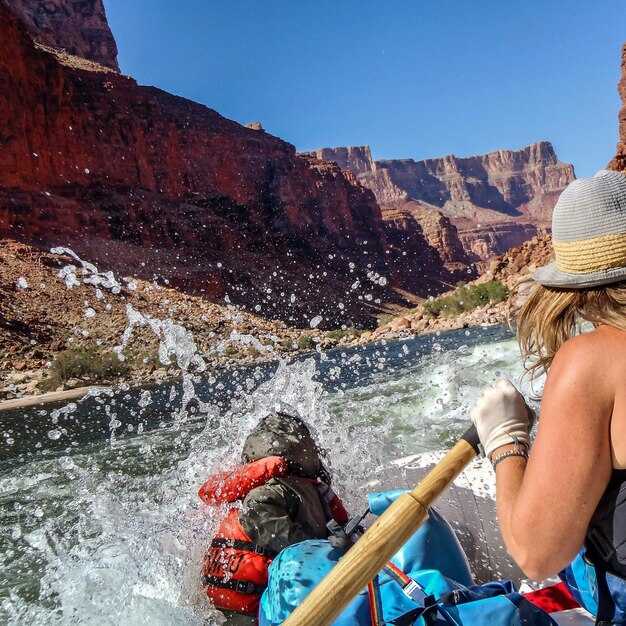
Begin with the Lower Salt River segment for beginners because it offers mild whitewater, gentle holds, and non-discriminatory access, letting your party learn together in a few hours as the river flows at a predictable pace.
The mid-Salt reach adds a step up with Class II-III rapids and more sustained flows. Expect water-carved walls rising from rugged mountains, and plan on a 3–5 hour trip with a guide, keeping a ratio of guides to paddlers around 1:6 or 1:8 depending on group size. Booking ahead is wise; some outfits offer night tours in peak season. Check google reviews and meta review to gauge instruction, safety, and gear quality, and note that most outfits deliver world-class service that makes the day memorable for your party.
For confident paddlers, the upper Salt River canyon delivers rugged white water and bigger drops. You’ll paddle among mountains and steep walls, a world-class backdrop that rewards precise lines and teamwork, including navigating holds and bigger drops. This reach benefits from a guided trip and a strict safety routine, including a 1:4 ratio or better. Pete, a longtime guide, notes that dam-release timing shapes the day, so always check with the ranger or your outfitter and review the flows before booking to avoid surprises.
Think through skill, time, and comfort. Begin with the Lower Salt River for a quick intro, then consider the mid reach for a larger challenge, and reserve the upper reach for a world-class finale only with a seasoned guide. Preserve the river by following Leave No Trace practices and paddling with a single outfitter to keep the experience cohesive. When you book, confirm gear, safety briefing length, and whether a ranger will join the trip. Read google reviews and meta review to identify highly recommended outfits; if your group includes kids or new paddlers, set a slower pace and keep the party together. Night trips exist on some dates, so check availability during booking.
Seasonal Water Levels: When to Go for Your Level
March or April gives the best balance of warm weather and runnable water for Salt River trips; plan around that window if you want reliable conditions that fit most levels.
Seasonal patterns guide your choice. Check the gauge at Granite Reef and the Stewart Mountain Dam releases through the bureau, and read the politika notes for upcoming shifts. Real-time updates from local outfits help you lock in the right level, whether you’re guiding a family on a gentle ride or chasing a wild line for an advanced rush.
-
Beginner / Youth – Target late fall, winter, and early spring when flows are steady and forgiving. Typical ranges run around 800–1,800 cfs on common Salt River gauges. Choose city pool–level sections and short miles that emphasize safety and instruction. Boats and tritoon options from: trixx fleets or similar stable craft are common, and the vibe stays friendly and approachable. Put-ins near calm pools keep the run mellow, with occasional cuts that are easy to recover from. greg from Vale Adventures notes that spring mornings offer softer light and fewer crowds, making it a rare chance for a quality first paddle. Always verify current releases, as 불균형 flow can shift quickly and affect your side of the river.
-
Intermediate / Adventure-minded – Best in the mid-range months: late February through April and again in the fall after the monsoon pulse tapers. Expect ~1,800–2,900 cfs for balanced whitewater with several Class II+ sections and optional routes for more challenge. This window lets you practice paddling technique on flats, then pick up momentum through small rapids without overwhelming risk. Outfits often operate boats ranging from standard rafts to semi‑rigid tritoons; some crews offer unique guided sections that feature longer paddles and more miles of river to explore. greg points out that this level benefits from a flexible schedule to catch occasional rogue pockets of water that can pop during seasonal cuts. Maintain awareness of keeps and drops that can shift the line suddenly.
-
Advanced / Wild-water Seekers – Target the spring snowmelt peak (roughly March–April) and the late monsoon pulses (Sept–Oct) for the steepest, most unpredictable runs. Flows often exceed 3,000 cfs and can surge beyond 5,000 cfs on strong release days, creating dynamic, fast-moving sections suitable for confident paddlers. Expect long miles of continuous action with exposed riffles, rogue features, and occasional big drops. Boats such as white raft configurations and specialized tritoon layouts let teams ride larger features and carve lines through faster water. This window is rare and highly loved by seasoned groups who crave the challenge and the adrenaline, but you’ll want to be on your game, with a solid paddle plan and a safety backup. greg emphasizes that preparation and teamwork make the difference when the river acts up and the cuts widen unexpectedly.
Practical tips to lock in your level and season: watch the gauges, check the bureau postings, and coordinate with a trusted guide or operator who can tailor the route to your group’s skill. For families or mixed-ability groups, book early and opt for slower sections with more pools; for seasoned crews, request longer runs and higher-water days with flexible start times. The Salt River’s miles of riffles and pools create a unique rhythm where the vibe shifts from tranquil city ponds to wild, uncharted feel on the rogue sections, making every trip a distinct adventure.
Gear and Safety Kit: Must-Have Items for Salt River Trips
Pack a compact, waterproof dry bag with a full first-aid kit and a properly fitted personal flotation device that holds up through a long Salt River day.
Secure a durable, impact-rated helmet and river shoes with sticky soles; avoid sandals on the water.
Protect electronics with a dry bag and a waterproof case for your phone; keep backups in a separate bag.
Carry a rescue throw bag with 50 ft of line and two carabiners; learn a basic throw technique before launch.
Include a compact knife or multitool, duct tape, zip ties, and a small repair kit for gear.
Sun protection matters: choose SPF 30+ sunscreen, lip balm, a wide-brim hat, and sunglasses with a strap.
Hydration and fuel: two liters of water per person is a minimum; add electrolyte powder and energy snacks like nuts, jerky, and granola bars.
Seasonal prep: heat requires more water and a cooling towel; cold times need an insulating layer and a wind jacket.
Navigation: print a simple map or offline map on a phone, plus a compact compass; share a plan with companions.
Emergency info: program a local emergency number on your phone and keep a small card with medical needs; discuss a rendezvous point.
Respect конфиденциальности when handling medical or contact data.
Gear checks: test dry bags and zippers, confirm fit for everyone, and rotate responsibilities among the crew.
Coordinate with reputable outfitters to align on safety standards and gear provisions for Salt River trips.
Rapids, Hazards, and River Signals: Safety Protocols You Should Know
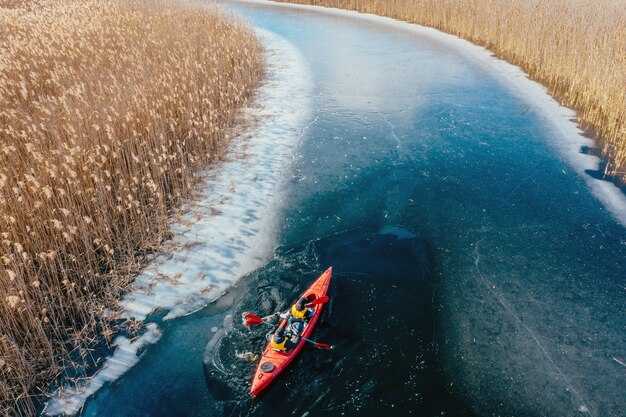
Put on a certified PFD and a helmet before you launch, secure all straps, and keep your paddle ready. If you’re with friends on a rugged tour, have rentals sized correctly and double-check that any loose gear is stowed. Flows can be unpredictable, especially near canyons, so stay alert and keep your group within sight.
Hazards include unseen strainers, undercut rocks, and hydraulics that grab boats without warning. The earth shapes the riverbed, so the channel can change from week to week. Water stays cold year-round, so dress in layers and be prepared to retreat to shore if conditions worsen.
Before you run any section, listen to the guide’s safety briefing and agree on river signals. Use clear hand signals and whistle cues: one signal to stop, two to go, three for help; stay close to your paddling partner and speak with your guide if you need to communicate in tight spots. Keep your distance from powerboats and give them room to maneuver. White sections can stretch for miles; stay centered and ready to brace.
Carry a throw bag, a compact first-aid kit, and a dry bag for phones and keys. If tubing, secure gear and use a strap; stay alert for lines along the bank. If you fall out, float on your back, feet downstream, and signal for help; your group will assist with a rescue throw as needed.
For rentals and tours, choose known operators with a solid reputation and clear safety protocols; ask for a pre-trip safety talk. Salt River trips in Arizona blend whitewater with calm sections; half-day adventures usually cover about 6-8 miles and showcase canyons and desert scenery. colorado-inspired safety thinking informs many Arizona tours, and local advice from guides helps tailor gear and pacing to the terrain. This location attracts visitors from the world over for experiences that fit different groups; respect the river, and you will create memories with your friends and family.
Shuttle, Parking, and Launch Point Tips for DIY Trips
Reserve parking near the launch ramp the night before; arrive two hours early for a smooth departure and the best chance to snag curbside access. Popular lots fill fast, so target Granite Reef Park or Phon D. Sutton area; look for rocky banks and easy access to the ramp.
Shuttle planning: DIY trips rely on your crew or a local service. Coordinate with a driving partner via facebook to arrange a pick-up at the take-out, and confirm times a day ahead with them. This approach keeps trips on track and gives you more time on the water.
Launch point options and best spots: Granite Reef offers a gentle start with abundant shade, granite banks, and easy put-in; Phon D. Sutton Park provides a longer run with clearer current and a chance to see rare birds along the river; select based on group size, ability, and water level to find the best location.
Parking etiquette and safety: park only in official lots to keep access clear; don’t block roads or ramps, and lock gear during quick breaks. Talk with the ranger if you have questions about closures or flow conditions; respect конфиденциальности and other groups while sharing the river.
Other practical checks: seadoo and other motorized craft face restrictions on many Salt River segments, so verify allowed vessels before loading gear. On a good day, the scenery is incredible with waterfalls visible near granite outcrops and rock shelves. Bring a compact dry bag, snacks for a quick break, and always plan a departure that keeps the party together; this approach fits DIY trips and avoids the need for a tour or guide. If conditions allow, you might catch a mild surf on fast sections–just stay safe and follow the rules, and use the location to your advantage to love the river even more.