


 Ελληνικά
  English (UK)
  Русский
  العربية
  日本語
日本語  한국어
한국어  Magyar
  Türkçe
  Español
  Čeština
  Svenska
  Português
  Suomi
Suomi  Nederlands
  Română
  Italiano
  Français
  Polski
  Українська
  Deutsch
  简体中文
简体中文  Slovenčina
 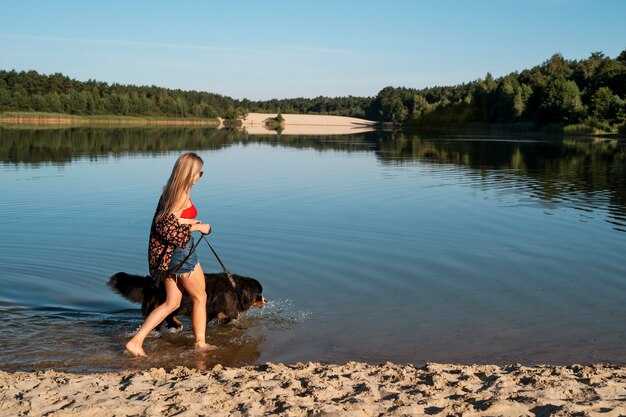 Safety Tips for Boating with Your Dog – A Practical Guide">

Begin with a properly fitted life vest on your dog before every launch, and keep a short, secure leash handy. This single action dramatically reduces risk if a wave hits or the boat lurches. For dogs of all sizes, the vest should fasten securely and have a handle for quick retrieval from the water; ensure breathing remains steady by avoiding bulky gear that blocks the chest.
Keep essentials on board: a collapsible water bowl, treats for positive reinforcement during practice, a canine first-aid kit, a leash, and information cards with your vet’s contact. Attach a small waterproof bag to the rail to prevent loss, and use color-coded gear to speed up retrieval.
Monitoring breathing and body language is crucial on every trip. If you notice heavy panting, drooling, or a pale tongue, shorten the ride and give water and shade. On warm days, aim for under 30 minutes on calm water until your dog stays relaxed; use a shaded rest stop mid-trip to reset.
Teaching your dog basic on-board commands on land creates a calm on-water routine. Practice being responsive to your cues with short sessions: sit, wait, and come when called, then reward with treats. A well-taught dog stays closer to your side and stays away from the bow when underway.
Track your dog’s position using a tether in the cockpit or on a safe deck zone to prevent down hazards and keep paws from slipping. Do not leave the dog unattended at any time, and keep the leash clipped to your belt or life vest so you can move quickly if needed. Plan a quick exit path in case of weather changes.
Launch on calm days and schedule short sessions at first: 20–30 minutes on quiet water, with pauses for water, shade, and paddling rest. Gradually extend the duration if your dog keeps a relaxed posture, a regular breathing rate, and shows willingness to stay with you. Keep fresh water on hand and avoid letting the dog drink seawater.
Information from boating safety guides show that most incidents involve dogs not secured or monitored during rough water or sudden maneuvers; use a simple pre-launch checklist that covers PPE, tethering, water, and breaks. A quick review at the dock keeps the experience predictable for everyone.
Αυτό το οδηγός helps you plan with confidence: print a brief checklist, save a vet contact, and share the plan with fellow boaters. By keeping your dog safe, you protect your crew and create more joyful voyages with being on the water together.
Incorporate Plenty of Breaks During Boat Trips
Schedule breaks every 60 to 90 minutes during boat trips and adjust to heat, shortening to 30-45 minutes on very warm days. Before departure, complete a pre-trip checklist: a shaded spot, a collapsible water bowl, a spare leash, and a plan for reboarding after each rest. This routine keeps your dog χαλαρωμένος and makes it easier to read their signals.
Watch for cues of stress: rapid panting, glassy eyes, reluctance to move, or limping. If these appear, stop at the next break, move into shade, offer small sips of water, and gradually cool down. These actions help reduce overheating and distribute weight more evenly on joints. In rough seas, shorten breaks and stay near calmer sections of the boat. This is the point where breaks matter–especially in amazon heat or humidity, increase breaks and provide shaded rests.
During breaks, let your dog explore on the deck, sniff the air, and rest on a clean mat. Take a quick photo to monitor posture and comfort, and watch for any scratches on paws after docking. Use familiar cues–sit, stay, και come–to keep your dog χαλαρωμένος and under control while the boat moves.
Keep the environment friendly: shade, fresh water, and ventilation reduce overheating risk. When traveling through different states with heat, plan extra breaks and monitor the dog closely. Know their weight and adjust activity to avoid fatigue. Use a proper life jacket for dogs and non-slip surfaces to support safety, while a quick, calm routine on each break helps your dog stay smart about the experience. When you see signs of discomfort, pause and reassess to prevent a stressful trip.
Select a USCG-approved dog life jacket with a snug, adjustable fit
Choose a USCG-approved dog life jacket that fits snugly around the chest behind the front legs and sits high on the neck. It should have two adjustable straps, a sturdy grab handle, and a reliable D-ring for a leash aboard. Confirm the weight and chest girth ranges on the label, and verify the approval is current (up-to-date).
Size ranges: XS chest 8–12 inches (20–30 cm); neck 8–10 inches (20–25 cm). S chest 12–16 inches (30–40 cm); M 16–20 inches (40–50 cm); L 20–24 inches (50–60 cm). For your small dog, pick chest girth at the lower end of the range and use the two adjustable straps to tailor the fit. If between sizes, choose the smaller and tighten with straps; ensure there is room to move but no slack that lets the jacket slide off.
Fit on dry land before water time: put on, fasten all straps, and lift by the grab handle to simulate a fall. The jacket should stay in place on board and not ride up, while the neck opening stays comfortable. Check that your dog can drink and breathe easily, and snap a quick photo of the fit to compare with the size chart and verify coverage.
On the water: mindful operation matters. Keep your dog within view, avoid crowds, and use the jacket during longer trips on a national lake or when docked. A jacket that stays put during splashes reduces accidents and keeps your dog calmer. Store a spare right-size jacket in your gear bag; inspect seams, buckles, and foam after every outing to ensure right protection and reintegrate as needed.
Maintenance and storage: rinse after exposure to salt, chemicals, or sunscreen; air-dry away from sun; collapse a collapsible jacket and store it in a dry bag aboard when docked. Inspect seams, buckles, and foam after each outing and replace worn parts as needed. Keep extra jackets on long trips and practice fitting on land so youre ready for water time with your small dog.
Attach a secure harness and use fixed tether points on deck
Secure a strong harness on each four-legged boat-dog and attach it to fixed tether points on deck. Choose a padded, adjustable harness that fits snugly without restricting movement; verify two-finger clearance at the chest and ensure quick-release buckles. Connect to a designated anchor using marine-grade carabiners; never rely on a loose line. Keep a bowl of water on deck and within reach as part of your gear, so hydration is ready and the dog stays calm. If the dog gets excited, use a calm, clear voice and steady motions to reassure them.
Install fixed tether points at designated locations along the coaming or near the cockpit. Use non-slip mats under hardware to prevent shifting as the boat heels. Each tether should be four to six feet long to allow the dog to sit, lie, or stand without hitting hatches or lines; use a single line to reduce entanglement and shorten quickly if needed. For planning, mark positions ahead of time and train your dog to stay in that zone. A seasoned captain says to keep the boat-dog mindful and close to you; keep a phone within reach for emergencies.
During trips, teaching the dog to stay near the tether and respond to cues helps keep everyone safe. Watch the eyes and body for signs of stress; if the dog gets tense or wagging stops, shorten the tether and reposition calmly. Keep sessions short, rewarding calm behavior, and gradually extend time as the dog gains confidence. Tips from experienced crews emphasize consistency and staying aware of footing and movement to prevent trips or slips.
| Step | Action | Gear/Notes |
|---|---|---|
| 1 | Fit a strong, padded harness on each dog and attach to a fixed deck point | Harness: padded; two-finger fit; fixed point: designated cleat/pad eye; connector: marine-grade carabiner; bowl nearby |
| 2 | Set tether length and position | Length: four to six feet; keep path clear of hatches; use non-slip deck mat |
| 3 | Train and reinforce cues for staying near the tether | Commands: sit, stay; eyes on handler; teaching sessions with praise |
| 4 | Monitor comfort and adjust as needed | Παρατηρήστε για κούνημα ή ανησυχία· μειώστε το σκοινί αν χρειαστεί· κρατήστε το τηλέφωνο έτοιμο για γρήγορες κλήσεις |
| 5 | Συντήρηση και έλεγχοι ασφαλείας | Ελέγχετε τη σέλα και το σχοινί κάθε εβδομάδα· αντικαταστήστε τα φθαρμένα εξαρτήματα· επαληθεύστε τα σταθερά σημεία μετά από δύσκολες διαδρομές |
Δημιουργήστε μια σκιερή, καλά αεριζόμενη περιοχή επί του σκάφους με επιλογές ψύξης
Καλύψτε μια σκιερή γωνία εντός του σκάφους με ένα αναπνεύσιμο τέντωμα για να μπλοκάρετε τον ήλιο και να μειώσετε την αύξηση της θερμότητας· βεβαιωθείτε ότι ο χώρος παραμένει δροσερός, κρατώντας τον σκύλο σας άνετο από τη στιγμή που θα δέσετε.
Εγκαταστήστε ένα συμπαγές, φορητό ανεμιστήρα για να διατηρείται ο αέρας σε κίνηση, και τοποθετήστε τον έτσι ώστε μια ασφαλής αύρα να φτάνει στον σκύλο χωρίς να φυσά απευθείας στα πόδια· φέρτε μια μικρή εφεδρική μπαταρία και στερεώστε τα καλώδια για να αποτρέψετε την πρόσβαση ή τον εμπλοκισμό.
Ρύθμιση του σταθμού ψύξης: ένα ρηχό μπολ με φρέσκο νερό, μια βρεγμένη πετσέτα ή χαλάκι ψύξης και προαιρετικά επιθέματα πάγου· αυτό μειώνει τον κίνδυνο υπερθέρμανσης και παρέχει γρήγορη ανακούφιση.
Κρατήστε τον απαραίτητο εξοπλισμό κοντά: ζακέτες ή ελαφριά αδιάβροχα για ζεστές μέρες, ένα λουρί και διακριτικά ταυτοποίησης σε άνετο περιλαίμιο· επιβλέπετε το κουτάβι ή τον ενήλικο σκύλο κατά κάθε αλλαγή.
Περιορίστε τους κινδύνους: χρησιμοποιήστε ένα κοντό λουρί όταν μετακινείστε, κρατήστε το σκύλο μακριά από τις άκρες της επένδυσης και αποτρέψτε τις στιγμές που μπορεί να πέσει έξω από το σκάφος· ελέγξτε τις πατούσες για γρατζουνιές μετά την έκθεση στον ήλιο και τη θερμότητα του καταστρώματος.
Αυτός ο οδηγός σας βοηθά να ρυθμίσετε έξυπνα το ρυθμό και να προσαρμόσετε την απόχρωση, τη ροή του αέρα και την ενυδάτωση με βάση την εμπειρία, το μέγεθος και την ανοχή του σκύλου σας στο μπουφάν.
Προγραμματίστε τακτικά διαλείμματα για νερό, τουαλέτα και ξεκούραση σκύλου κάθε 30–60 λεπτά.
Ορίστε ένα χρονόμετρο και προγραμματίστε διαλείμματα για νερό, τουαλέτα και ανάπαυση κάθε 30–60 λεπτά, σχεδιάστε εκ των προτέρων για ζέστη και σκιά και κρατήστε τη ρουτίνα φυσιολογική για να μειώσετε το στρες για τον τετράποδο σύντροφό σας.
Κατά τη διάρκεια κάθε στάσης, προσφέρετε φρέσκο νερό σε ένα φορητό μπολ και αφήστε τα να πάρουν μια μικρή, σταθερή γουλιά: περίπου 60–120 ml για μικρά σκυλιά, 120–250 ml για μεσαία σκυλιά ή 250–500 ml για μεγάλα σκυλιά ανάλογα με το μέγεθος και την έκθεση στη ζέστη. Στη συνέχεια, δώστε τους ένα διάλειμμα για να ουρήσουν σε ένα ασφαλές, ξηρό μέρος. Εάν είναι δυνατόν, επιλέξτε ένα σκιερό σημείο. Κρατήστε το λουρί χαλαρό, ώστε να μπορούν να κινούνται φυσικά και να φτάνουν σε μια άνετη θέση. Χαρτογραφήστε τη διαδρομή μπροστά και σημειώστε πού βρίσκεται το επόμενο σημείο νερού για να παραμείνετε σε καλό δρόμο. Αυτές είναι συγκεκριμένες τιμές βάσει βάρους για να σας καθοδηγήσουν.
Σε ζεστό καιρό, παρατηρήστε σημάδια κόπωσης ή υπερθέρμανσης, όπως το έντονο σφύριγμα, η συλλογή σάλιου ή το ταλάντευση. Εάν αυτά που βλέπετε δείχνουν υπερθέρμανση, ελέγξτε τη θερμοκρασία τους ψηλαώντας το εσωτερικό του αυτιού ή το πόδι, μετακινηθείτε στη σκιά και χρησιμοποιήστε μια υγρή πετσέτα ή ένα δροσερό γιλέκο. Μειώστε τη δραστηριότητα και επιτρέψτε τους να ξεκουραστούν σε μια ήρεμη, άνετη επιφάνεια· σκεφτείτε ένα αναπνεύσιμο γιλέκο ή ένα δροσερό περιτύλιγμα εάν η έκθεση στον ήλιο είναι υψηλή. Διατηρήστε τους πιο ήρεμους, χαλαρούς και προστατευμένους από τον φόβο ή τις ξαφνικές εκρήξεις ενέργειας.
Πριν την αναχώρηση, μεταφέρετε ένα ελαφρύ μπουφάν ή περιτύλιγμα ψύξης, ένα κατάλληλα εφαρμοζόμενο ιμάντα (όχι περιλαίμιο που σφίγγει) και μια μικρή πινακίδα αναγνώρισης με την πολιτεία και τον αριθμό επικοινωνίας σας. Έχετε μαζί σας ένα φορητό μπουκάλι νερού για ξαναγεμίσματα και μια στεγνή πετσέτα για γρήγορα σκουπίσματα. Χρησιμοποιήστε θετική ενίσχυση για να επιβραβεύσετε σταθερές παύσεις και ομαλές μεταβάσεις· εάν αισθάνονται άνετα με τη ρουτίνα, είναι πιο πιθανό να παραμείνουν ήρεμοι.
Για γούνιες κουβέρτες ή πυκνό τρίχωμα, προγραμματίστε διαλείμματα με επιπλέον νερό και σκιά, και αποφύγετε την άμεση έκθεση στον ήλιο κατά τις ώρες αιχμής θερμότητας. Εάν ο σκύλος φαίνεται ανήσυχος ή φοβισμένος, επιβραδύνετε τον ρυθμό, μιλήστε με απαλή φωνή και αφήστε τον να ξεκουραστεί περισσότερο στη σκιά. Το σωστό πρόγραμμα διατηρεί την έκθεση στη θερμότητα χαμηλή και κάνει τη διαδρομή να αισθάνεται προστατευμένη και ευχάριστη για ένα χαρούμενο, χαλαρό σύντροφο.
Φορητά μπολ νερού και πετσέτες που καθαρίζονται με ένα πανί για γρήγορη ανανέωση.
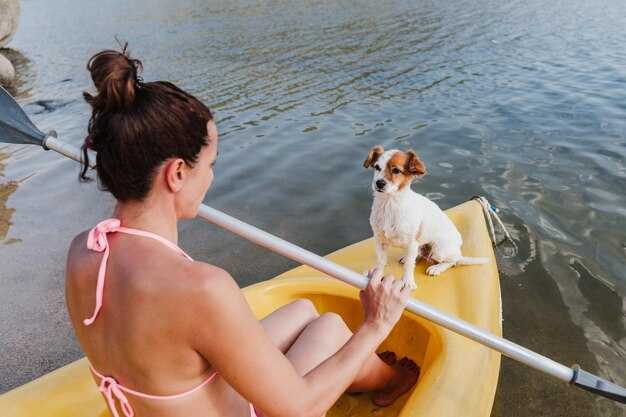
Κρατήστε δύο συμπαγή, μη ανατρεπόμενα φορητά μπολ νερού και μια στοίβα περσίδες που καθαρίζονται εύκολα σε μια προσβάσιμη τσέπη ή ντουλάπι. Αυτή η απλή ρύθμιση μειώνει τον κίνδυνο αφυδάτωσης κατά τη διάρκεια ηλιοφάνειας, ψεκασμού και μετά από κολύμπι, και βοηθά όλους στο σκάφος να δημιουργήσουν αναμνήσεις επιτρέποντας γρήγορη ανανέωση για τον σκύλο σας κατά τη διάρκεια μεγάλων ημερών στο νερό.
Όταν επιλέγετε μπολ, επιλέξτε επιλογές επαγγελματικής ποιότητας με βάση αδιάβροχη και ασφαλή καπάκια για να αποτρέψετε διαρροές σε θολό νερό. Τα αναδιπλούμενα μπολ σιλικόνης εξοικονομούν χώρο· τα μπολ από ανοξείδωτο χάλυβα είναι ανθεκτικά και εύκολα απολυμαντέα. Στοχεύστε στα 350–450 ml ανά μπολ και μεταφέρετε ένα εφεδρικό σε στεγνή τσάντα για απροσδόκητους επισκέπτες. Τοποθετήστε τα μπολ σε χαλάκι αδιάβροχο ή σε αντιολισθητική επιφάνεια καταστρώματος για να τα κρατάτε σταθερά και για να προστατεύετε τα αυτιά και το κεφάλι από απότομες κινήσεις.
Συνδυάστε μπολ με πετσέτες γρήγορου στεγνώματος: οι μικροϊνες πετσέτες μεγέθους περίπου 30×50 cm λειτουργούν καλά για φορητότητα. Διατηρήστε τρεις πετσέτες σε εναλλαγή: μία για στέγνωμα, μία για σκούπισμα των αυτιών μετά το κολύμπι και μία ως εφεδρική. Σκουπίστε το αλάτι, την αντηλιακή κρέμα και τον ιδρώτα για να μειώσετε το κνησμό και την ανησυχία και να επιταχύνετε την επιστροφή του σκύλου σας στο κατάστρωμα.
Σημειώσεις χρήσης: εισάγετε τη ρουτίνα ανανέωσης κατά τη διάρκεια των διαλειμμάτων ανάπαυσης ή μετά την αγκυροβολία για να μειώσετε τις αντιδράσεις από τη θερμότητα και τη δίψα. Στεγνώστε το τρίχωμα καλά, ειδικά γύρω από τα αυτιά, για να αποφύγετε τη συσσώρευση υγρασίας. Προσφέρετε νερό κάθε 20–30 λεπτά κατά τη διάρκεια θερμών συνθηκών και προγραμματίστε την ανανέωση σε μια σκιερή περιοχή για να αποφύγετε την επικίνδυνη έκθεση σε ράγες ή στον άμεσο ήλιο. Αυτή η προσέγγιση μειώνει το στρες και κάνει τα ταξίδια πιο ομαλά για όλους.
Λίστα ελέγχου και σκέψεις:
- Δύο φορητά μπολ νερού (πτυσσόμενα από σιλικόνη ή από ανοξείδωτο ατσάλι) με αντιολισθητική βάση
- Τρία στεγνά πενσάκια (μικροΐνες) για στέγνωμα, αυτιά και ανταλλακτικά
- Μαξιλάρι αντιολισθητικό ή αντιολισθητική λαβή για μπολ
- Μικρό μπουκάλι φρέσκου νερού για ξαναγέμισμα
- Λουρί για σκύλο, σωσίβιο και ένα βασικό κιτ πρώτων βοηθειών
- Τσάντες απορρίψεων βιοδιασπώμενες και μωρομάντηλα καθαρισμού για το κατάστρωμα
- Κανονισμοί και σημειώσεις άδειας: ελέγξτε τους τοπικούς κανόνες· φυλάξτε αντίγραφα στο σκάφος
- πηγή οδηγιών ασφαλείας από τις αρχές και να τις έχετε πρόχειρες
- Ιατρικά αρχεία εμβολιασμού, εάν απαιτούνται από τη δικαιοδοσία σας
- Λάβετε υπόψη τη διάταξη του σκάφους και επιλέξτε μπολ και πετσέτες που ταιριάζουν στον χώρο σας.
- Ώρα για έναν γρήγορο έλεγχο πριν την αναχώρηση για να εισάγουμε αυτή τη ρουτίνα και να μειώσουμε το άγχος