


 Ελληνικά
  English (UK)
  Русский
  العربية
  日本語
日本語  한국어
한국어  Magyar
  Türkçe
  Español
  Čeština
  Svenska
  Português
  Suomi
Suomi  Nederlands
  Română
  Italiano
  Français
  Polski
  Українська
  Deutsch
  简体中文
简体中文  Slovenčina
  Phuket, Thailand One-Week Sailing Itinerary – Best Route, Islands & Tips">

Ξεκινήστε με μια σύντομη νότια διαδρομή: Πουκέτ → Πι Πι Ντον → Κο Γιαο Νόι → Κόλπος Πάνγκ Νγκα → Νησιά Σιμιλάν, και μετά επιστρέψτε στο Πουκέτ.
Αυτό το σχέδιο καλύπτει τα πιο δημοφιλή μέρη κατά μήκος των ακτών Ανταμάν, με απάνεμους όρμους, μικροσκοπικούς κολπίσκους και έναν ευέλικτο ρυθμό ανάλογα με τον άνεμο και τη θάλασσα. Βασική προτεραιότητα είναι η ασφάλεια, οι συνεχείς έλεγχοι καιρού και μια αξιόπιστη μηχανοκίνητη ιστιοφόρα διάταξη για να χειρίζεστε σύντομες διαδρομές με άνεση, ενώ εσείς εστιάζετε στο τοπίο, τις παραλίες και την άγρια ζωή.
Για μια συμπαγή επιλογή, επιλέξτε ένα δίδυμο μηχανοκίνητο σκάφος aretwin, κατασκευασμένο για σύντομες διαδρομές κατά μήκος της νότιας ακτής του Πουκέτ. Σέβεται τη διάρκεια ζωής στο νερό και αξιοποιεί στο έπακρο τα ήρεμα πρωινά και τα πιο σταθερά απογεύματα.
Ημέρα 1 – Πουκέτ προς Πι Πι Ντον (25–30 ναυτικά μίλια). Αναχώρηση περίπου στις 08:00 από τη μαρίνα του Πουκέτ, ταξίδι με ένα σταθερό νότιο αεράκι και αγκυροβόληση στην Long Beach του Πι Πι Ντον. Μια γρήγορη βόλτα στη μικροσκοπική παραλία στο σούρουπο αποκαλύπτει επιβλητικούς ασβεστολιθικούς βράχους και μια ήπια γραμμή ορίζοντα.
Ημέρα 2 – Από το Phi Phi Don στο Koh Yao Noi (20–30 nm). Μια σύντομη, προστατευμένη απόσταση με ήρεμη θάλασσα. Αγκυροβολήστε στην ανατολική ακτή του Koh Yao Noi κοντά στο Ao Haad/στην φιλόξενη ακτή του Koh Yao Yai, στη συνέχεια εξερευνήστε μερικά μονοπάτια παραλιών και τοπικές αγορές που προσφέρουν μικρά δώρα και κοσμήματα από κοχύλια από φιλικούς εμπόρους κατά μήκος της ακτογραμμής.
Ημέρα 3 – Κο Γιαο Νόι προς Κόλπο Phang Nga (20–35 ναυτικά μίλια). Ιστιοπλοΐα προς τους ασβεστολιθικούς καρστούς και τους προφυλαγμένους όρμους του Phang Nga. Ρίξτε άγκυρα κοντά στο νησί Panak ή στο χωριό στο Koh Panyi, στη συνέχεια πάρτε μια μικρή βάρκα προς μια είσοδο σπηλιάς και μια ήσυχη παραλία σε έναν μικροσκοπικό, παλιρροιακό όρμο. Στο δρόμο, μπορεί να περάσετε ένα μικροσκοπικό νησάκι που ονομάζεται tanga και να κάνετε μια στάση για ένα διάλειμμα τσαγιού στην άμμο του.
Ημέρα 4 – Κόλπος Phang Nga προς Νησιά Similan (40–60 nm). Ξεκινήστε νωρίς για να απολαύσετε το καλύτερο φως πάνω από τη Θάλασσα Ανταμάν, αποκτήστε την άδεια του εθνικού πάρκου και βάλτε ρότα για το Koh Miang και τον Κόλπο Donald Duck στο βόρειο άκρο της ομάδας. Η πιο εντυπωσιακή πτυχή είναι τα κρυστάλλινα νερά γύρω από τους γρανιτένιους πύργους και τις άκρες των υφάλων, ιδανικά για ένα διάλειμμα για κολύμβηση με αναπνευστήρα, εάν το επιτρέπουν οι καιρικές συνθήκες.
Ημέρα 5 – Νησιά Σιμιλάν. Αφιερώστε μια ολόκληρη ημέρα εξερευνώντας το Κο Μιάνγκ, το Κο Σιμιλάν και τους κοντινούς όρμους. Επιλέξτε μια προστατευμένη παραλία για μια ήσυχη παύση, περπατήστε σε ένα σύντομο μονοπάτι της φύσης για σημεία θέας στο ηλιοβασίλεμα και κρατήστε μια άγκυρα σε μια προστατευμένη υπήνεμη πλευρά για ήρεμες νύχτες. Αυτό το τμήμα προσφέρει μια φυσική σειρά καταστημάτων δώρων με κοχύλια και χειροτεχνήματα από τις νησιωτικές αγορές, με μερικά εμπορικά φυλάκια κατά μήκος της ακτής.
Ημέρα 6 – Επιστροφή προς Πουκέτ ή επέκταση προς Kawthaung (προαιρετικά). Εάν προτιμάτε μια συντομότερη εβδομάδα, πλεύστε πίσω στο Ao Chalong ή στο Phuket Calm Bay με μια μεγάλη στάση και μια τελευταία στάση στην παραλία για κολύμπι. Εάν διευθετηθεί η διέλευση των συνόρων, μια short η επέκταση προς Καουτούνγκ, Μιανμάρ, είναι δυνατή κατά μήκος του νότιου άκρου της οροσειράς· προγραμματίστε έγκαιρα για θέματα μετανάστευσης και ελλιμενισμού.
Ημέρα 7 – Άφιξη και ολοκλήρωση στην Πουκέτ. Εισέλθετε ξανά στους απάνεμους κόλπους της Πουκέτ, ανεφοδιαστείτε σε μια ήσυχη προβλήτα κοντά στο Ao Chalong και συγκεντρώστε σημειώσεις για μελλοντικά ταξίδια. Η μέρα τελειώνει με μια ακτογραμμή αξιοθέατων κατά μήκος των Kata–Kata Noi και Nai Harn, ιδανική για ένα τελευταίο ηλιοβασίλεμα στη νότια ακτή πριν ξεκινήσετε το επόμενο ταξίδι.
Εβδομαδιαίο Ιστιοπλοϊκό Πρόγραμμα: Πουκέτ προς Κο Ταρούταο
Αναχωρήστε από το Πουκέτ την αυγή της 1ης ημέρας και πλεύστε κατευθείαν προς το Πι Πι Ντον, αγκυροβολώντας σε έναν προστατευμένο κόλπο όπως το Tonsai για μια ήρεμη πρώτη νύχτα, ακολουθούμενη από ένα μεσημεριανό μπάνιο για να επαναφέρετε τον ρυθμό.
Για ένα πλήρωμα τεσσάρων ατόμων, μια ναύλωση ιστιοπλοϊκού χωρίς καπετάνιο με τέσσερις καμπίνες είναι μια καλή επιλογή, προσφέροντας σωστή ευελιξία, διατηρώντας παράλληλα τα δωμάτια άνετα και την κουζίνα σε κοντινή απόσταση. Κάθε ημερήσιο σχέδιο δίνει προτεραιότητα σε προστατευμένες περιοχές, καθαρά νερά και ευκαιρίες για να εξερευνήσετε μυστικούς όρμους κατά μήκος των ακτών. Οι ταξιδιώτες που θέλουν να γιορτάσουν μικρές νίκες μπορούν να προγραμματίσουν κολύμπια με ηλιοβασιλέματα και, στη συνέχεια, να κοιμηθούν ήσυχα σε καλά αεριζόμενες καμπίνες ύπνου.
Στόχος είναι να διατηρείτε μέρα με τη μέρα τις αποστάσεις μέτριες (περίπου 20–40 ναυτικά μίλια ανά σκέλος), να ελέγχετε την κατάσταση του καιρού κάθε πρωί και να απολαμβάνετε γεύματα επί του σκάφους ή σε παραθαλάσσιες ταβέρνες σε προστατευμένα λιμάνια. Το τόξο από βορρά προς νότο κατά μήκος της δυτικής ακτής της Ταϊλάνδης διαθέτει κρυστάλλινα νερά, κοραλλιογενείς κήπους και τραπεζαρίες με φρέσκες επιλογές, όπως τοπικά κάρυ και ψητά θαλασσινά, για να σας δώσουν ενέργεια για την εβδομάδα σας στο νερό.
Καθώς προχωράτε, θα διαπιστώσετε ότι η διαδρομή προσφέρει τόσο ήρεμα νερά όσο και δυναμικούς πλόες, με μυστικούς όρμους και υφάλμους που ανταμείβουν τον προσεκτικό σχεδιασμό. Η παραμονή σε προστατευμένους όρμους ελαχιστοποιεί τις μετακινήσεις τη νύχτα και μεγιστοποιεί τον χρόνο για κολύμπι, κολύμβηση με αναπνευστήρα και αναψυχή χωρίς συμβιβασμούς στην ασφάλεια.
| Day | Route | Περίπου Απόσταση (nm) | Αγκυροβόλια / Προστατευόμενες Περιοχές | Καλύτερες Στιγμές / Δραστηριότητες | Σημειώσεις |
|---|---|---|---|---|---|
| Ημέρα 1 | Πουκέτ προς Πι Πι Ντον | 20–28 | Όρμος Tonsai, Όρμος Loh Dalum (προστατευμένος) | Κολυμπήστε ανάμεσα σε υφάλους με κοράλλια, γιορτή ηλιοβασιλέματος στο κατάστρωμα | Τακτοποιηθείτε στα δωμάτια ύπνου, ακολουθήστε μια ήπια προσέγγιση στην απάνεμη πλευρά του Πι Πι. |
| Day 2 | Από το Ko Phi Phi Don στο Koh Lanta Yai | 25–30 | Κλονγκ Κονγκ / Περιοχές Long Beach (προστατευόμενες) | Κολυμπήστε με αναπνευστήρα κοντά σε βράχους, δειπνήστε στην ακτή ή πάνω στο σκάφος, τεντώστε τα πόδια σας στην παραλία | Ελέγξτε το παράθυρο καιρού για ένα άνετο πέρασμα· περιλαμβάνονται τα γεύματα επί του σκάφους. |
| Day 3 | Κο Λάντα Γιάι προς Κο Μουκ | 35–40 | Οι απάνεμοι όρμοι του Κο Μουκ | Εξερευνήστε την περιοχή του Σμαραγδένιου Σπηλαίου, τη φιλική ζωή των υφάλων, μια ήρεμη νύχτα | Μυστικοί όρμοι προσφέρουν ήσυχους χώρους ύπνου μετά από ένα μακρύ ταξίδι με ιστιοφόρο. |
| Ημέρα 4 | Κο Μουκ προς Κο Κραντάν | 12–20 | Αγκυροβόλιο Κο Κραντάν (παραλίες με κροσσωτά περιθώρια) | Κρυστάλλινα νερά για κολύμβηση με αναπνευστήρα, αμμουδιά με υφή πούδρας | Να έχετε μια εφεδρική τσάντα για τα πράγματα της παραλίας και την αντηλιακή προστασία. |
| Day 5 | Κο Κράνταν προς Κο Λίπε | 30–40 | Παραλία Πατάγια / Παραλία Sunrise (προστατευμένοι κόλποι) | Μεγάλη κολύμβηση, κολύμβηση με αναπνευστήρα ανάμεσα σε ζωντανά κοράλλια, ελαφριά γεύματα στην ακτή | Ασφαλίστε μια καλή πρόσδεση νωρίς· αγορές κοντά στην προβλήτα. |
| Day 6 | Κο Λίπε προς Κο Ταρουτάο | 20–25 | Όρμοι βόρειας ακτής Ταρούταο (προστατευμένοι) | Ανακαλύψτε μυστικούς όρμους και παρθένα μακρο‑ζωή, κωπηλατήστε ή κάντε καγιάκ | Ενδέχεται να ισχύουν έλεγχοι αδειών και ζώνες στάθμευσης. να έχετε μαζί σας αντίγραφο των εγγράφων του καταστατικού. |
| Ημέρα 7 | Ko Tarutao (εξερευνήστε) – τέλος | – | Διάφοροι προστατευμένοι όρμοι γύρω από το νησί Ταρούταο | Χαλαρή αίσθηση ιστιοπλοΐας, κολύμπι, απολαύστε ένα τελευταίο γεύμα στο νησί | Σχεδιάστε την επιστροφή ή τη μεταφορά στην ηπειρωτική χώρα από το λιμάνι Tarutao. |
Ημερήσιο Πρόγραμμα Διαδρομής: Πουκέτ προς Κο Ταρούταο μέσω Πι Πι, Κο Λάντα και Τρανγκ
Σύσταση: νοικιάστε ιδιωτικά καταμαράν ή ένα ζευγάρι σκαφών σε διάταξη τετράκλινης χρήσης για να εξισορροπήσετε το κόστος και την ευελιξία. Αναχωρήστε από το Πουκέτ την αυγή για να αξιοποιήσετε στο έπακρο το φως της ημέρας, περάστε την πρώτη νύχτα κοντά στο Πι Πι και, στη συνέχεια, κατευθυνθείτε νότια προς Κο Λάντα, Τρανγκ και τέλος στο Κο Ταρούταο. Θα απολαύσετε ατελείωτους όρμους, αμμώδεις παραλίες και ζωντανή τοπική κουλτούρα, ενώ παράλληλα θα διατηρήσετε την προμήθεια απλή με τοπικά προϊόντα.
-
Day 1 – Phuket to Phi Phi
- From Phuket, set sail in the southeast lanes toward Phi Phi Don; expect 4–6 hours depending on seas and wind.
- Anchorage options: Tonsai Bay or Loh Dalum on Phi Phi Don; both offer quick land access for provisions and a cultural stroll through the town.
- Highlights: snorkel along scattered corals near the island walls, spot rays cruising the shallows, and enjoy a sandy sunset along Long Beach.
- Tip: land can be busy; keep a backup plan to anchor near a quieter cove if needed.
-
Day 2 – Phi Phi to Koh Lanta
- Distance/time: 2–4 hours cruising south along the Phi Phi coast to Koh Lanta Yai; smoother seas help with a comfortable crossing.
- Anchorage: Klong Khong or Kantiang Bay, with easy access to local markets for fresh seafood.
- Highlights: explore three main beaches on Lanta’s long coastline, visit the old town at night, and enjoy a locally prepared dinner aboard.
- Tip: consider a quick detour to a small island detour (Naka Island) if seas are calm and you want an extra snorkel session.
-
Day 3 – Koh Lanta to Trang
- Distance/time: 3–5 hours heading southeast toward Trang Province, keeping an eye on sheltered bays near Pak Meng.
- Anchorage/provisions: anchor near Pak Meng Pier for easy land visits and market runs; Trang Town offers cultural markets and traditional Thai meals.
- Highlights: mangrove-lined channels, a coastal town atmosphere, and a chance to sample southern Thai cuisine that locals prefer.
- Tip: plan a land day for beach walks and a dinner ashore; some crews like to spend the evening in town to reset for the next leg.
-
Day 4 – Trang to Ko Tarutao
- Distance/time: 4–6 hours to Tarutao National Park’s outer bays; expect calmer mornings and better lighting mid-day.
- Anchorage: Tarutao proper features several protected bays; check the park status and permit requirements at Pak Meng or at Tarutao HQ before landing.
- Highlights: approach the island chain with pristine sands, explore sheltered coves, and snorkel among coral gardens with occasional reef rays.
- Tip: Tarutao’s park status means strict mooring etiquette and waste rules; plan to use reef-safe sunscreen and carry out all trash to maintain pristine conditions.
-
Day 5 – Ko Tarutao exploration
- On-water days: cruise along the southern coast to find pristine beaches and scattered reefs; target three signature anchorages for easy swimming and snorkelling.
- Highlights: inland trails, hidden coves, and cultural glimpses of island life; wildlife includes birds, monitor lizards, and reef fish schools.
- Tip: consider a private landing with a local guide for a cultural visit to a small coastal village; opt for a short land hike to overlook points for sweeping sea views.
-
Day 6 – Tarutao return leg to Trang or Phuket via Koh Lanta
- Option A: sail back north along a similar route to Trang and Koh Lanta, then transfer by road to Phuket for a comfortable end to the trip; this preserves a relaxed pace.
- Option B: extend the sea legs and loop back toward Phuket with overnight stops in familiar bays; this suits boats with higher fuel endurance and crew stamina.
- Highlights: reflect on the day’s scenery–endless coastlines, sandy pockets, and the world-class blue views that frame each passage.
- Tip: while returning, prefer stable conditions and keep a watchful eye for seasonal squalls; Langkawi can appear on the horizon if the route arcs toward the west in calm seas.
-
Day 7 – Final leg or optional extension
- Final stretch: if you started from Phuket, complete the loop with a final coastal sail back to Phuket Town or Chalong; otherwise, use this day to dock near a southern island for a last snorkel and a relaxed beach day.
- Highlights: revisit favorite spots, swap stories from three memorable passages, and toast with locals at a captain James-approved waterfront venue.
- Tip: use locally sourced fuel and provisions on the last leg; many boats will anchor near Naka Island for a quick swim before the finish.
Anchorages and Sheltered Moorings for an Overnight Sail
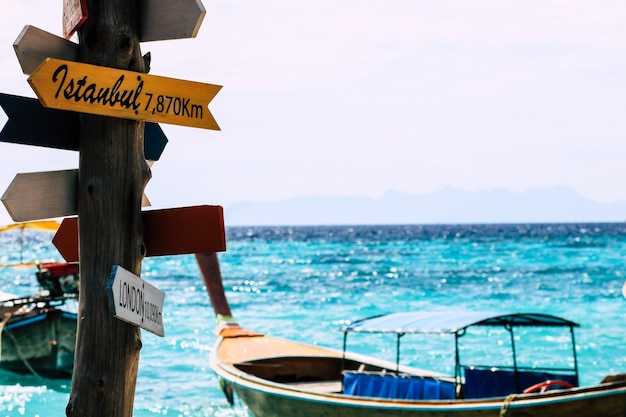
Anchor at Ao Chalong Bay for a calm, sheltered overnight. It offers reliable protection from prevailing winds and quick access to Phuket Town for provisioning. Arrive early to secure a comfortable position and make a quick call on VHF 16 to check guest buoy availability. You’ll sleep with minimal motion, then wake ready to options along the coast.
- Ao Chalong Bay, Phuket – Sheltered in all but the strongest SW fronts, with a sandy bottom and 4–10 m depths in the lee. Use 25–40 m of rode with 2:1 scope; if a buoy is available, consider tying to it for extra security. Call the harbor office before dark to confirm a buoy or a safe stern-to anchorage. Taxi rides into Phuket Town are fast and affordable, making early provisioning practical.
- Naka Island (naka) vicinity – A close, lee-protected area just north of Phuket. Anchor behind the fringing reef or join a resort mooring if offered to cruisers, which reduces risk of dragging in gusts. This spot keeps wind and chop low, and the coconut-fringed shore creates a relaxing morning wake-up call. If you want shore time, a short dinghy ride delivers easy access to a sandy beach for a quiet stroll.
- Koh Yao Yai / Koh Yao Noi – Two islands with multiple lee-side anchorages that stay sheltered as the wind shifts. Hold in 8–14 m over sand or mud; use a 2:1 scope for extra security. A local quad-share taxi can shuttle you to sleepy inland villages or a simple seaside cafe for a cultural break. This route lets you keep cruising toward Phang Nga or Krabi the next day, reaching your next destination comfortably.
- Racha Island (Racha Yai), Patok Bay – A favored overnight with solid protection and scenic shoreline. Hold in 5–15 m, best in sand. Approach from the north to minimize chop; a short walk to white-sand beaches is easy if you’re after a luxurious touch ashore. Sailfish are occasionally spotted offshore at first light, so set your dawn watch and enjoy a peaceful morning on deck.
- Phang Nga Bay (Panak and Hong Islands) – Sheltered lagoons behind limestone walls provide an unusually quiet night. Anchor in 6–12 m on sand or mud, steering clear of shallow patches near cave entrances. If marine park rules permit, consider a mooring buoy to keep the area pristine. Note the possibility of busy day-use boats; plan a late arrival to maintain separation from shore excursions.
Note how these options cluster around lee protections, sandy bottoms, and shore access to keep your overnight comfortable. Reach each stop with ease by planning short hops, then rest and reset before the next leg. For extended legs, kawthaung can be a cultural add-on if you extend your cruise beyond Thailand’s islands; plan early, and call ahead for border and vessel procedures. If you travel with a group, you can coordinate quad-share taxis between shores to maximize time on the water and minimize land transit overhead.
Ko Tarutao Access: Permits, Park Rules, and Island-Hopping Etiquette
Get your Tarutao National Park permit 2–3 weeks ahead; without it, these trips would be delayed at the gate. Bring passport copies, boat details, and a clear itinerary, and choose entry dates depending on season. Acknowledging limited daily quotas, last-minute requests are risky, so please plan well in advance with your operator or park office. If you arrive late, expect a thon of checks and paperwork at the gate.
Park rules center on coral protection, sheltered coves, and clean shores. Do not touch coral formations, remove shells, or feed fish; stay on marked trails and use reef-safe sunscreen. For snorkel trips, keep a respectful distance from wildlife and avoid trampling sands. Use designated moorings; if none exist, the operator should adjust plans to minimize impact and protect nesting areas. These practices safeguard the waters and ensure details seen by visitors stay intact for future generations.
Island-hopping etiquette emphasizes courtesy and safety. Kick off with a clear plan and coordinate with your crew to limit long motor runs; opt for short hops between sheltered bays when possible. Yachts and larger boats should use approved moorings and avoid anchoring on coral or seagrass beds. When snorkel is done, move slowly across reefs and keep gear tidy to reduce gear loss. Please greet rangers and local staff, celebrate a relaxed pace, and leave no trash behind. After each stop, rinse gear, respect quiet hours, and carry a small gift or gesture if offered, acknowledging the park’s history and the ancient stories shared by island communities.
Logistics for the Voyage: Provisions, Fuel, Water, and Emergency Gear
Stock up in Phuket before departure and top up fuel and water at Krabi or Railay to cover a seven-day loop along the andaman coast.
Provisions should cover four to six crew for seven days with a selection of meals that travel well: 4 kg rice, 3 kg pasta, 12–16 cans fish or beans, 2 jars peanut butter, 2 liters cooking oil, tomato sauce, coffee and tea, and a mix of fresh fruit and vegetables for 3–4 days. Pack snacks in resealable bags for quick access during swimming or long hops between destinations. For a single boat, plan 4–5 kg rice, 3–4 kg pasta, 12–15 cans fish/beans, 2 jars peanut butter, 2 liters oil, sauces, and 2–3 kg fresh fruit plus 1 kg greens. Use a small fridge to preserve dairy and perishables, and keep dry goods in a labeled bin. For mornings, oats or porridge with dried fruit make a fast start.
Water planning centers on reliable drinking supplies: bring 60–100 liters for drinking across seven days and 60–80 liters for cooking and cleaning. If there’s no onboard watermaker, refill at Krabi town, Ao Nang, Railay, or Tonsai when possible. Store water in clearly labeled jugs away from fuel and use a compact filtration method if you collect tap water on smaller islands. This keeps swimming breaks comfortable and protects the crew’s health for each destination.
Emergency gear covers safety for all boats and crew: life jackets for everyone; a throwable device; VHF radio; handheld GPS and compass; a first-aid kit with seasickness meds; whistle; flare kit; emergency beacon such as EPIRB or PLB; spare bilge pump; spare anchor and rope; several fenders and basic tools; spare propeller or impeller depending on engine type; waterproof bags; duct tape and tie-down straps. Run a quick man-overboard drill each morning to train the crew, and designate nala to log supplies and check equipment before each stop. This plan does not rely on luck; it uses these means to keep the tour safe and steady, even when the seas tilt toward the caves along Railay and Tonsai. Tie a square knot when securing lines to anchors and fenders for added security.
Fuel strategy centers on a full tank before leaving Phuket and a practical redundancy plan: carry two 20-liter jerry cans for safety, and maintain a reserve that covers roughly 20–30 miles of motoring. For a typical mid-size boat, plan 3–5 hours of motoring per travel day under light to moderate breeze. Distances between key stops run in miles: Phuket to racha (racha) about 12–15 miles, racha to Railay/Krabi vicinity around 10–15 miles, and Railay to Tonsai and Krabi town nearby as shorter hops. Slow cruising lets you enjoy the scenery, make calm swims, and pick a favourite bay for a morning break. If you prefer a single loop, you can pair these legs into either a northbound or southbound tour, always aligning with favourable dates and weather windows.
Planning tips for the route include balancing the selection of destinations with the crew’s energy and the forecast. Choose a few must-see destinations–krabi, railay, tonsai, and the nearby caves–then leave room for spontaneous stops to explore a havens surrounded by karst formations. This approach suits both a fast-paced schedule and a relaxed tempo, letting you swim, snorkel, and explore at a comfortable pace across miles of coastline. For a morning start, map out a route that minimizes long hops on rough seas, keeps you near sheltered coves, and preserves fuel for the longer legs back toward Phuket. Dates and logistics align best when you lock in the favourite anchorages early and keep a flexible plan in case a squall or calm spell alters the square of your intended course.
Best Weather Windows, Tides, and Seasonal Considerations for Southern Thailand
Choose November through February as your primary window for Southern Thailand sailing to maximize calm seas, clear mornings, and relaxed cruising.
The dry season on Phuket’s Andaman coast runs roughly November to April, with peak sunshine in December through February. Expect light to moderate winds, seas suitable for catamarans, and morning temperatures in the high 20s to low 30s Celsius. This period keeps coral reefs vibrant and provides long days for snorkeling and island hopping, then returning to a comfortable evening in port. There is a huge abundance of sheltered bays and reef edges to explore over several legs of your cruising plan.
Tidal variations are moderate, with larger spring tides around full and new moons. Plan anchorages in protected bays near reef edges to avoid strong surge, and favor slack-water windows for easier mooring at popular marinas or inshore anchors.
Morning snorkeling offers the best clarity; shelter reefs around Phi Phi, Similan Islands, and Phang Nga Bay host abundant coral and colorful fish. For families, choose calm bays near a marina or coastal coves with shallow, sandy bottoms to minimize discomfort and maximize safe, full days afloat. Looking to balance pace with rest, plan short hops and generous shore days to keep the hearts relaxed.
From May to October, the southwest monsoon brings heavier rain and rougher seas. If you sail during this period, plan shorter hops, shelter at protected bays, and reserve extra time in ports to rest between legs. This window can be ideal for land days, system checks, and building confidence before a winter sailing push.
Carry passport and copies, check visa rules, and review requirementsdietary and health precautions with your provider. Book anchorages and marina berths in advance where possible, especially around Phuket Town and other gateway ports with full-service facilities.
For a balanced itinerary, set a base near a marina, then cruise to small islands by catamarans to enjoy space and stability. Early morning departures let you ride favorable currents and return by midday to a relaxed shore day or family activities on the beach. Make the back-to-back legs comfortable by choosing short hops, shaded stops, and easy snorkeling sites.
Respect coral, keep a safe distance when snorkeling, and avoid stepping on reef heads to protect the abundant underwater foundation that makes Southern Thailand a magnet for marine enthusiasts.