


 Ελληνικά
  English (UK)
  Русский
  العربية
  日本語
日本語  한국어
한국어  Magyar
  Türkçe
  Español
  Čeština
  Svenska
  Português
  Suomi
Suomi  Nederlands
  Română
  Italiano
  Français
  Polski
  Українська
  Deutsch
  简体中文
简体中文  Slovenčina
 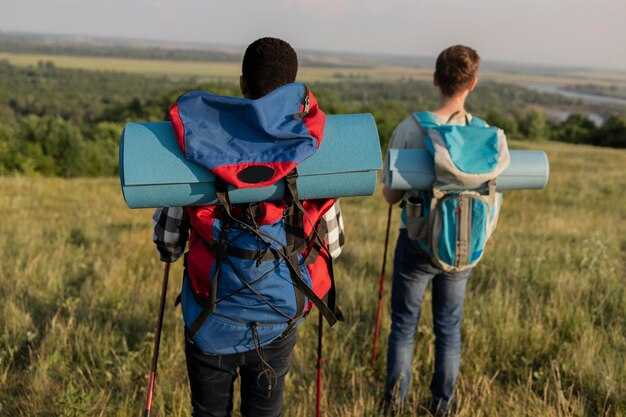 Ξεκινώντας Υπαίθριες Δραστηριότητες – Οι Καλύτερες Δραστηριότητες, Εξοπλισμός και Συμβουλές Ασφαλείας">

Start with a 2–4 mile hike to build momentum and test your pace. Every outing benefits from a quick safety check, a compact pack, and a daylight plan. When exploring new trails, pick easy-to-moderate routes, carry a map and a small flashlight, and keep their phone charged. Momentum grows from the first miles and excitement rises with each discovery along the way.
Gear smartly for on-water and on-land days, with options you can rent via getmyboat. Pack a personal flotation device for everyone, a whistle, and a dry bag for valuables. In winter, layer with a base, insulated mid-layer, and a windproof shell; waterproof boots help you spot slick rocks. For hiking, carry snacks, sunscreen, and a compact first-aid kit in a light daypack.
During your outdoor days, watch for wildlife like herons along streams; keep your distance and stay quiet to avoid disturbing them. Always tell someone your plan and expected return time, and check the weather and wind before leaving the trailhead. In case of heavy rain or wind, seek shelter and adjust plans for hikes as needed.
ταξιδεύοντας with family or friends connects you with local culture and scenery, and you can spot unique spots along the river, lake, or trail. Plan options for different fitness levels: 20–40 minute loops, 60–90 minute ridge hikes, or calm paddle routes on calmer water. Use this mix to provide such variety and maintain excitement across seasons.
Be ready for seasonal shifts: during winter, add fingerless gloves and a microfleece; in summer, carry a shade hat and electrolyte drink mix. For water plans, check wind, tide, and water temperature; bring a waterproof shell and change of socks. Every trip should end with a quick debrief: what worked, what to adjust, and what to repeat for your next outing. Keep notes on recreational wins to guide future trips.
Practical Guide to Dune Adventures and Nearby Outdoor Options
Rent a guided dune tour for your family on the first morning to get oriented and avoid getting lost in the shifting sands.
When planning, choose a route that fits your group, and prefer a gentle start with ample shade and a peaceful backdrop. There are many options for first-timers, located along multiple access points; from dunes to nearby nature trails, exploring reveals natural displays of wildlife and plant species. youll notice scenes that produce memories for your whole crew.
To keep things simple, arrange rentals in advance and pick a rental package that includes dune boards or sand sleds, sunscreen, water, and safety gear. There are rental bundles that minimize gear without extra trips; you can bring their favorites, such as snacks and a picnic meal, for a relaxed break.
Nearby options extend beyond the dunes, offering cultural experiences and outdoor activities that suit different interests. Located within a short drive, these spots deliver a mix of landscapes and activities that help you produce memories. The backdrop shifts with the tide, and displays of birds and grasses enrich each stop.
- Trail choices: select from multiple dune routes that match your skill, starting with a flat walk before tackling steeper sections.
- Wildlife and displays: watch for shorebirds, beetles, and hardy grasses; bring binoculars for peaceful observation without disturbing habitats.
- Nearby golfing: several courses within a short drive offer family-friendly tees and scenic views as a post-dune activity.
- Gear and safety: confirm pickup locations and hours for rentals; ensure you have a map, water, hat, and sun protection.
- Meal planning: plan a picnic at a designated area; some dunes offer cultural markets or onsite cafes with local favorites.
ATV and Sand Rail Trails at Moses Lake Dunes
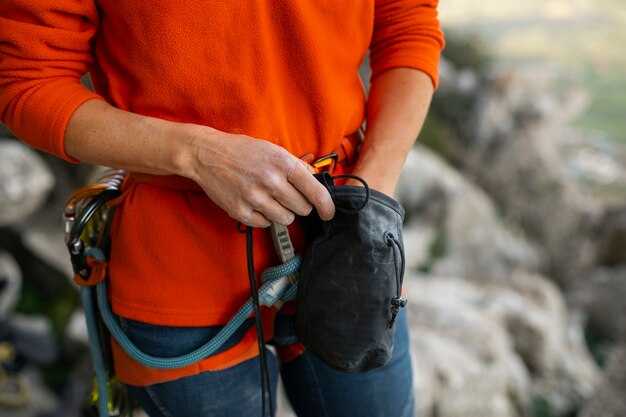
Rent a dune-ready ATV or sand rail from a local outfitter and book a guided intro ride for Moses Lake Dunes; this will help you master the soft sand, pick stable lines, and stay safe.
The dunes offer broad open areas with gentle rollers and long, sandy stretches. Areas near the lake provide easy first passes, while more remote pockets invite longer runs for seasoned riders. Each route delivers a rich experience and memories you’ll share for years.
Watch for wildlife along the shore–the heron gliding by as you ride and the fresh breeze that follows a hard push.
Safety gear matters: helmet, goggles, gloves, and a hydration plan. Temperatures can swing with time of day, so layer and plan for sun or shade. Check the dunes after wind and ride within posted limits to protect the sand and your ride.
The most enjoyable windows are early morning and late afternoon when sunny skies light up the dunes and the vibe shifts to calm. When you ride, you’ll appreciate the abundant space, open lines, and the scenic backdrop of the lake beyond the dunes.
After riding, head to Moses Lake for boating or a lakeside picnic–this combination offers a full outdoor day with a backdrop that enhances the scene and plenty of opportunities to log memories.
From the historic growth of the area to modern safety practices, there are opportunities to learn about dune ecosystems and the community that keeps this area welcoming. The experience brings a friendly vibe and many chances to connect with friends or family.
Bring a plan for a fresh lunch, check weather forecasts, and respect wildlife and other visitors. The lake backdrop and open spaces create memories that will last.
Gear Checklist for Dune Exploration
Start with a base pack: 2–3 liters of water per person, electrolyte tablets, SPF 50+ sunscreen, a wide-brim hat, and a lightweight long-sleeve shirt. Choose quick-dry pants and breathable footwear. Set a sustainable pace; plan a 3–5 km loop with short breaks on a dune perch.
Protect eyes and skin: UV sunglasses, sand goggles for gusty days, gaiters to curb sand intrusion, and a neck gaiter. A light towel helps dry sweat, and a scarf serves as a dust shield when winds rise.
Navigation and safety: map and compass or GPS device, plus a fully charged phone in a dry bag. Include a whistle and a compact first-aid kit with blister care. A small tarp or shade cloth doubles as windbreak during rests. источник: local dunes safety guidelines.
Optional gear: a compact sand board or toboggan for descents; a small shovel and a compact blanket to sit on crest lines. For rests, search for a perch on higher dunes to take photos and enjoy the backdrop.
Tech and comfort: a power bank, waterproof case for valuables, and a camera or phone with a decent zoom. If you fly a drone for aerial footage, follow aviation rules and keep the craft away from people. Also, capture aerial views to enhance your experience.
Logistics and booking: for guided experiences, check getmyboat and charters options, plus craft-based tours. After dune time, consider a pontoon cruise on a nearby lake to wash off the sand. If youre planning a multi-day trip, align with local holiday events and have a backup plan.
Budget and etiquette: estimate spending for guides, permits, and gear rentals. Check locally for weather alerts and dune closures before heading out, and share your route with a friend in case of emergencies. Prefer low-impact routes, keep noise down, and pack out what you bring.
Experience and planning: dunes provide scenic backdrop for adventures, with a backdrop of open sky and wind-sculpted shapes. Plan your holiday around a dawn or dusk slot for the best light, and store gear in a waterproof bag. The result is an immersive experience you can share with friends and family.
Weather, Sand Conditions, and Best Times to Visit
Choose May or September for the best balance of comfortable temperatures and lighter crowds. Traveling families benefit from start times that align with lake views and easy walks along the shore. During these months, mornings offer calm water, cooler air, and ample time for camping setups or day trips.
Plan your days around the daily pattern: temps rise after mid-morning, winds pick up in the afternoon, and storms can form in the late afternoon near shorelines. Prefer early starts to enjoy the best light and cooler conditions, then switch to shade and a relaxed meal break as the heat builds. Such timing works well for hiking, surf, and simple shoreline strolls, allowing you to join activities without rushing.
Sand conditions shift with wind and moisture. Dry, sun-baked sand becomes loose and easy to sink in at noon, while morning moisture keeps pockets of firm footing near the water. If you dont want to deal with hot sand, target the first and last hours of the day, and bring water shoes for coastal walks and camping trips. For lake views and beach camping, choose locations with firmer, damp sand closer to the waterline in the early hours.
Weather alerts and local events shape plans. Check a 7- or 14-day forecast, then align your visit with farmers markets, live music, and family-friendly events in nearby towns. When events are active, you can enjoy a meal nearby, sample regional cuisine, and still find easy access to trails and beaches. If you travel with kids, schedule a couple of short walks, then a longer break for a meal and a play period, making the day unforgettable and enjoyable. If you prefer quieter stretches, target weekdays and shoulder-season windows to avoid crowds and traffic, while still enjoying the area’s variety of camping options and easy access to lakefronts and shorelines.
| Month | Avg Temp (F) | Wind (mph) | Sand Condition | Best Time Window | Recommended Activities |
|---|---|---|---|---|---|
| May | 65–75 | 8 | Moderate, slightly damp near the lake | 6–10 am, 4–6 pm | Walking, easy hikes, lake views, camping setup |
| June | 72–86 | 6–12 | Dry, loose, hot by noon | 7–10 am, 5–7 pm | Family adventures, swimming, surfing practice |
| July | 75–90 | 5–15 | Very hot midday; shade recommended | 6–9 am, 5–7 pm | Beach games, easy trails, boating |
| August | 74–89 | 5–12 | Dry and compact near water | 6–9 am, 5–7 pm | Surfing prep, family walks, picnic meals |
| September | 65–78 | 6–14 | Cooler mornings, variable moisture | 6–9 am, 5–7 pm | Hiking, fishing, lake activities |
| October | 60–70 | 8–16 | Windy; dunes shift | 7–9 am, 4–6 pm | Short loops, photography, quiet camping |
Safety Protocols: Hydration, Sun Protection, and Sand Safety
Carry a reusable water bottle and hydrate before, during, and after outdoor activities. Aim for 500 ml two hours before you start, then 250 ml every 15-20 minutes in hot conditions, and replenish with about 500 ml after you finish. Through long days near lakes or open trails, especially if you sweat heavily, increase intake or adjust with higher altitude.
Protect skin with sunscreen SPF 30+ and reapply every two hours, or after swimming or heavy sweating. Seek shade under foliage or in shelter installations when the sun is strongest. Wear a wide-brim hat, sunglasses, and lightweight clothing that covers shoulders. For open sun, plan most intense activity to morning or late afternoon to reduce exposure.
Sand safety: test sand temperature with the back of your hand before walking barefoot or on hot surfaces. Wear sandals or lightweight footwear if debris or sharp shells are present. On beaches or dunes, stay aware of potholes or hidden holes and keep children and pets in sight. Avoid walking near water edges at high tide and bring a small first-aid kit for scrapes from sand or shells. Check public notices during celebrations or cultural events for any advisories affecting coastal areas.
Access, Parking, Permits, and Visitor Guidelines
Park in the official Boat Ramp Lot and buy a day-use permit online before you arrive; if you booked via getmyboat, show your reservation number at the gate to speed entry.
There are multiple parking options within easy reach of the water. The Boat Ramp Lot typically enforces a 2-hour limit during peak hours; the Main Lot provides all-day access, and a Seasonal Overflow Lot opens during holidays or special events. Fees range from free for the first 30 minutes to $2 per hour after, with a $10 day pass and a $50-60 annual permit available through the district portal. You will find these details on the district map, and you can learn the exact times and zones before you go. These options will help you maximize time on the water.
Permits cover launching, fishing, and overnight stays in designated zones. Purchase permits online at the district site or at onsite kiosks; carry the receipt or digital pass. If you use charters or boats from getmyboat or other services, verify that the operator holds the required permits and follow their guidance on access windows. The district offers clear guidance to help you plan a smooth day near popular sights and foliage.
Visitor guidelines: stay on designated paths to protect foliage and historic landmarks nearby; leash dogs, clean up, and pack out trash. Respect quiet hours to maintain relaxation and avoid a crowded atmosphere; no drones beyond permitted zones, and drone pilots must comply with local rules and obtain any required authorizations. Do not fish from restricted piers or launch sites unless allowed; boats and charters operate where posted. Aerial tours and photography require authorization; pilots must follow height limits and avoid crowded launch areas.
Planning tips for a smoother visit: prefer early mornings or weekdays when parking is easier; on weekends, arrive earlier to secure closer spots and catch favorable morning light. Use the district map to find near facilities such as restrooms and shaded perches along the dock. If you plan to fish, check local rules and obtain the proper permit; surf enthusiasts should verify a surf-launch area and any permit requirements; launching without a permit is not allowed. For those using getmyboat, you can find and reserve gear in advance, then pick up near your chosen launch point. Your favorites list can help you quickly reuse reliable spots.