


 Ελληνικά
  English (UK)
  Русский
  العربية
  日本語
日本語  한국어
한국어  Magyar
  Türkçe
  Español
  Čeština
  Svenska
  Português
  Suomi
Suomi  Nederlands
  Română
  Italiano
  Français
  Polski
  Українська
  Deutsch
  简体中文
简体中文  Slovenčina
 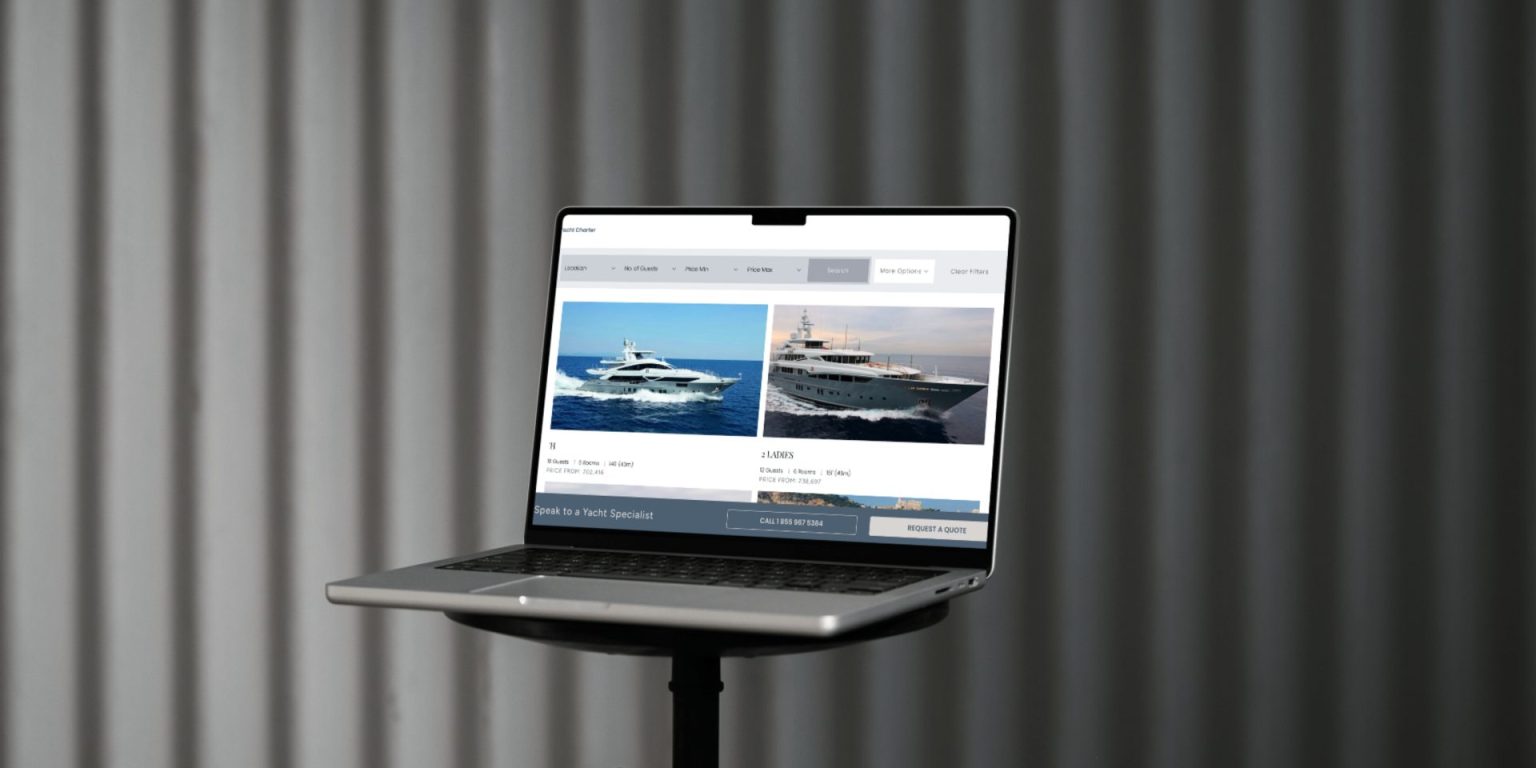 Πώς η ανακάλυψη μέσω AI αλλάζει την ορατότητα των γιοτ">

AI indexing now depends on structured specs, berths and service metadata
Search and discovery systems increasingly rely on machine-readable supply-chain signals such as vessel specifications, marina berth availability, maintenance logs, and charter calendar feeds to determine which yachts to recommend. When a brokerage or charter operator publishes complete, structured data (dimensions, guest capacity, crew, build year, class, and itinerary-ready dates), generative AI models can surface that inventory as part of bespoke recommendations to high-net-worth prospects.
From SEO fundamentals to AI-aware yacht marketing
The industry shift moves beyond classic SEO metrics. Traditional elements — keyword optimisation, backlinks, and rankings — remain useful, but AI-driven discovery rewards clarity και consistency across digital touchpoints. Yacht brands that publish clear service hierarchies (new build, brokerage, charter), standardized yacht specifications, and contextual destination content are more likely to be included in AI-generated shopping lists and conversational answers used by clients researching charters or purchases.
Why this matters for charter logistics and bookings
AI recommendations often act as the first contact in the buyer journey. A client asking a conversational assistant about a Mediterranean week in July may receive a short list of yachts and charters based on AI-curated signals like availability windows, range, and refit status. That means lead generation now begins before the prospect clicks through to a website — affecting how operator logistics teams manage inventory, calendar syncing, provisioning, and captain assignments.
Practical steps to optimise yacht content for AI discovery
Optimisation starts with a content and data audit. The following checklist captures essential items that improve AI interpretability and client-facing visibility.
| Area | Action | Why it helps AI |
|---|---|---|
| Technical schema | Implement schema.org, vessel schema, and structured JSON-LD for listings | Enables AI to parse specs and compare vessels reliably |
| Inventory feeds | Provide real-time calendar and berth availability via API | Supports accurate charter recommendations and booking gating |
| Content structure | Separate pages for brokerage, charter, new build and maintenance | Prevents ambiguous classification and improves topical authority |
| Destination data | Publish itineraries, local regulations, provisioning points and marinas | Gives AI the context to match yachts to client experience goals |
Content recommendations
- Use precise labels for services (e.g., crewed charter, bareboat, new build consultancy).
- Create experience-led pages: “family weekend in the Amalfi Gulf” or “bluewater passage planning”.
- Include use cases and practical metrics (range at cruising speed, tender size, fuel consumption, captain recommendations).
- Maintain consistent metadata across listings: model, builder, year, length overall (LOA), cabins, and guest count.
Structure and authority: how to be recommended by AI
AI systems reward semantically coherent sites. Clear hierarchies and repetitive, accurate data points build cumulative authority. Editorial content that demonstrates expertise — refit case studies, captain interviews, and destination briefs — helps AI systems correlate a brand with trustworthiness in the superyacht and yachting sectors. In practice, that increases the chance a yacht appears in a suggested charter list or a conversational assistant’s shortlist.
Operational implications for fleets and marinas
Operators must ensure that booking systems, captain assignments, and provisioning workflows are integrated with public-facing data. Synchronised calendars reduce double-booking risks and improve customer satisfaction when AI-driven leads convert quickly. Marinas and service providers that publish berth data and services (crew laundry, provisioning windows, fuel availability) improve the region’s discoverability for itinerary-aware searches.
Lead generation before the website is visited
AI-driven discovery changes the funnel: many enquiries are now primed by recommendations that never reference a brand until late in the process. Brands that appear in those early exchanges receive a pre-qualified audience, often resulting in higher-quality leads. For charter and rental marketplaces, this trend increases the value of accurate, structured listings and transparent ratings that AI can use to rank or recommend vessels.
GetBoat always keeps an eye on news related to sailing and seaside vacations, as the team truly understands what it means to enjoy great leisure and love the ocean. The platform values freedom, energy, and the ability to choose your own course, and this perspective informs how listings are presented and optimised for both humans and intelligent agents.
AI impacts on consumer choice and platform transparency
As AI becomes a travel planning assistant, transparency becomes a competitive edge. Platforms and brokers that show full make, model, ratings, captain qualifications, and verified photos enable AI to produce trustworthy recommendations. For renters and charterers, this reduces friction: it’s easier to match a couple or group to the ideal yacht, whether for a beach-hopping day trip, a lake escape, or a week-long ocean charter.
Platforms that provide these details — and that allow users to view ratings and crew information beforehand — offer a better conversion pathway from discovery to booking.
Forecast: this development is significant for the luxury charter and yachting vertical because it alters how UHNW clients and discerning travellers discover vessels and destinations. While the broader mass tourism map may not be transformed overnight, the luxury and boutique charter market will see faster match-making, improved itinerary planning, and more direct bookings through intelligent discovery channels. However, the impact on mainstream tourism is limited in scale compared to hospitality and airline shifts. Still, for charter operators and marketplace platforms, staying current with AI indexing practices is essential. GetBoat aims to stay abreast of these developments and keep pace with the changing world. If you are planning your next trip to the seaside, consider the convenience and reliability of GetBoat.
Important to remember: experiencing a new location is always a multifaceted process — you learn about the culture, nature, the indescribable palette of local colors, its rhythm of life and also the unique aspects of the service. If you are planning your next trip to the sea, you should definitely consider renting a boat (boat rentals, rent a boat, rent a yacht), as each inlet, bay, and lagoon is unique and tells you about the region just as much as the local cuisine, architecture, and language GetBoat.com
Summary: AI-driven discovery requires yacht brands and charter platforms to present structured data, authoritative editorial content, and synchronized logistics to be recommended by modern intelligent systems. Operators who prioritize schema, real-time availability, clear service pages, and transparent crew and yacht details will generate better-quality leads and smoother bookings. Whether you’re listing a superyacht for sale, offering a weekly charter, or preparing a small boat for rent on a gulf or lake, aligning digital content with AI expectations enhances visibility across marinas, destinations, and booking platforms. GetBoat.com supports these aims by offering a transparent, user-friendly marketplace where people can book or buy yachts, charters, and boats for unforgettable sailing, boating, and yachting experiences — from beach day trips to ocean voyages — helping users find the right vessel, captain, or activity for every budget and taste.