


 Ελληνικά
  English (UK)
  Русский
  العربية
  日本語
日本語  한국어
한국어  Magyar
  Türkçe
  Español
  Čeština
  Svenska
  Português
  Suomi
Suomi  Nederlands
  Română
  Italiano
  Français
  Polski
  Українська
  Deutsch
  简体中文
简体中文  Slovenčina
  San Diego–Puerto Vallarta 2026 Race Called Off">

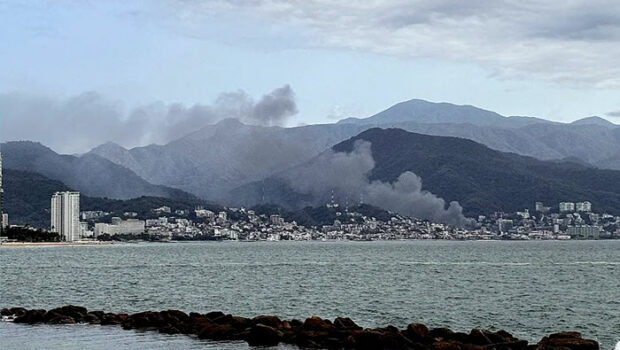
San Diego Yacht Club has canceled the 38th running of the 1,000 nm San Diego to Puerto Vallarta International Yacht Race, which was due to start with staggered departures on February 26, 27, and 28, 2026, after the U.S. State Department raised the travel advisory to Level 3 — Reconsider Travel and local authorities reported road blockages and toll-road curtailments in Jalisco.
Immediate operational impacts
The decision affects logistics across several vectors: boat positioning, crew travel, support vessels, and shore-side events. Race organizers prioritized safety for sailors, shore crews, and boats, citing an “evolving, unstable, and unpredictable security situation.” Transportation disruptions to and from Puerto Vallarta constrained safe arrival and departure windows for chartered tenders and support vehicles.
Schedule snapshot
| Item | Original Plan | Updated Plan (post-cancellation) |
|---|---|---|
| Race starts | Feb 26–28, 2026 (staggered) | Ακυρώθηκε |
| Alternate racing | — | Feb 27, Feb 28, Mar 1 (on-water races) |
| Send-off party | Feb 26 | Planned to proceed (final schedule posted Feb 25) |
Why safety measures trump the race
When land-based access is uncertain, offshore events become harder to support. Organizers weighed the increased risk of disrupted crew rotations, limited emergency response windows, and potential inability to evacuate injured personnel. Road blockages and toll-road closures mean that even if a yacht could arrive by sea, the normal chain of support—taxis, shuttle buses, supply trucks—is unreliable. In short: the logistics chain was broken at multiple nodes.
Operational checklist for entrants
- Confirm registration status and refund policy with San Diego Yacht Club.
- Hold off on nonrefundable travel bookings until organizers publish alternatives.
- Coordinate with your insurance and confirm coverage for cancellation or rerouting.
- Plan shore-crew accommodation contingencies and safe transport routes.
- Reposition chartered boats only after receiving written approval from event staff.
What this means for the local boating and charter market
For marinas, charter companies, and boat owners, cancellations like this ripple outward. Local service providers lose expected dockage revenue, charter guests may switch plans to nearby beach towns or lakes, and captains face schedule churn. Charter management teams should anticipate an uptick in short-notice inquiries for day sails or coastal charters as clients seek alternatives to long offshore races.
Practical actions for marinas and charter operators
- Audit berthing schedules and free up slips where possible.
- Update reservation platforms and communicate flexible cancellation terms.
- Offer alternative experiences: short charters, fishing trips, or sunset sails.
- Coordinate with local authorities to monitor access routes and security advisories.
Alternate on-water events and social programming
The club indicated intentions to host alternate races on February 27, February 28, and Μάρτιος 1, plus social events including the traditional send-off on February 26. Those alternatives aim to preserve community engagement and provide competitive opportunities that fit within safer operational boundaries.
How entrants can prepare for alternates
- Confirm class assignments and revised start times when the full schedule posts.
- Ensure vessels meet compliance for shorter courses—safety gear and communications.
- Coordinate with captains to review crew availability for the new dates.
Longer-term considerations for organizers and the sailing community
Canceling a historic offshore race is never taken lightly. Event planners will likely reassess contingency plans, insurance terms, and the criteria that trigger cancellation. This incident underscores the need for rapid-response logistics playbooks that cover land access, alternative staging ports, and charter coordination to safeguard both competitors and spectators.
Key logistical takeaways
- Redundancy in transport links matters — shore and sea routes both need backups.
- Clear communication channels reduce confusion for captains, charter clients, and marinas.
- Flexible charter and rental policies help preserve customer goodwill when plans change.
All told, the 2026 San Diego to Puerto Vallarta cancellation highlights how security advisories, road closures, and local transport disruptions can degrade the entire event support network. For sailors, captains, charter companies, and marina operators, the message is clear: build contingency into every leg of the logistics chain. Whether you run a yacht, manage a superyacht booking, or rent a small boat for a weekend outing, these lessons affect operations from marina reservations to on-water activities. Bottom line — when land access goes sideways, the sea might be calm but the whole operation can be grounded.
Summary: The San Diego Yacht Club canceled the 2026 San Diego–Puerto Vallarta race after the U.S. State Department elevated advisories and local transport was disrupted in Jalisco. Alternate racing and social events are planned on Feb 27–Mar 1; entrants, captains, charter operators, and marinas should follow updated schedules, confirm cancellations and refunds, and prepare contingency logistics. The situation shows how critical robust transport links and flexible charter and rental policies are to successful yachting, sailing, and boating events in coastal Destinations, marinas, and gulf or ocean settings — and it serves as a reminder for yacht owners and those in the charter and sale markets to keep contingency plans ready for beach, lake, fishing, and other water-based activities.