


 Ελληνικά
  English (UK)
  Русский
  العربية
  日本語
日本語  한국어
한국어  Magyar
  Türkçe
  Español
  Čeština
  Svenska
  Português
  Suomi
Suomi  Nederlands
  Română
  Italiano
  Français
  Polski
  Українська
  Deutsch
  简体中文
简体中文  Slovenčina
 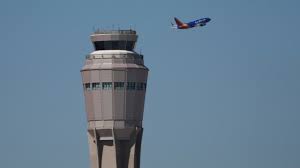 US Air Traffic Controllers Face Challenges, Take Second Jobs During Shutdown">

Ελεγκτές Εναέριας Κυκλοφορίας των ΗΠΑ Εξισορροπούν Διπλά Καθήκοντα Καθώς η Αναστολή Συνεχίζεται
Καθώς το κυβερνητικό shutdown παρατείνεται για σχεδόν έναν μήνα, εκατοντάδες ελεγκτές εναέριας κυκλοφορίας των ΗΠΑ έχουν αναγκαστεί να αναλάβουν δεύτερες δουλειές για να τα βγάλουν πέρα λόγω των χαμένων μισθών. Αυτή η απρόσμενη αλλαγή απασχόλησης μεταξύ των ελεγκτών προκαλεί περαιτέρω πίεση στην ασφάλεια της αεροπορίας και επιδεινώνει τις καθυστερήσεις πτήσεων σε εθνικό επίπεδο, αναγκάζοντας σε εκκλήσεις για ένα γρήγορο τέλος στο αδιέξοδο.
Οι Ελεγκτές Στρέφονται σε Παράλληλες Δουλειές Κατά τη Διάρκεια του Παγώματος Μισθών
Η συνεχιζόμενη αναστολή λειτουργίας έχει οδηγήσει τους ελεγκτές εναέριας κυκλοφορίας και τους εκπαιδευόμενους να χάσουν την πρώτη τους πλήρη μισθοδοσία, αναγκάζοντας πολλούς να αναζητήσουν εναλλακτική απασχόληση, όπως διανομή φαγητού, οδήγηση με κοινόχρηστο όχημα, ιδιαίτερα μαθήματα και ψώνια σε παντοπωλεία. Εκατοντάδες έχουν ήδη αναλάβει αυτές τις δεύτερες δουλειές, με χιλιάδες άλλους να αναμένεται να ακολουθήσουν όσο συνεχίζεται η αναστολή λειτουργίας. Οι ελεγκτές μοιράζονται πληροφορίες για δάνεια μηδενικού επιτοκίου, αναβαλλόμενες πληρωμές από εταιρείες και κοινοτική βοήθεια για να αντιμετωπίσουν την οικονομική πίεση.
Παρά το γεγονός ότι εργάζονται χωρίς αμοιβή, περίπου 13.000 ελεγκτές εναέριας κυκλοφορίας μαζί με 50.000 αξιωματικούς της Υπηρεσίας Ασφάλειας Μεταφορών παραμένουν σε υπηρεσία εν μέσω του δημοσιονομικού αδιεξόδου. Ωστόσο, η απουσία τακτικής αποζημίωσης έχει οδηγήσει σε αύξηση των αναρρωτικών αδειών και της μείωσης του εργατικού δυναμικού, προκαλώντας χιλιάδες καθημερινές καθυστερήσεις πτήσεων και πολυάριθμες ακυρώσεις που επηρεάζουν τους ταξιδιώτες σε εθνικό επίπεδο.
| Date | Αριθμός Καθυστερημένων Πτήσεων | Αιτία: Απουσίες Ελεγκτών Εναέριας Κυκλοφορίας (%) | Κυριότερες Επηρεαζόμενες Αεροπορικές Εταιρείες (Ποσοστά Καθυστερήσεων Πτήσεων) |
|---|---|---|---|
| Sunday | 8,800 | 44% | Southwest 34%, American 29% |
| Δευτέρα | 7,000 | 24% | Δέλτα 22%, Γιουνάιτεντ 19% |
| Τρίτη (5 μ.μ. ET) | 3,000 | Δεν υπάρχουν διαθέσιμα δεδομένα. | Various |
Ασφάλεια Αεροπορίας και Καθυστερήσεις Πτήσεων Υπό Πίεση
Οι ελλείψεις προσωπικού που μεγεθύνθηκαν από την αναστολή λειτουργίας αντιπροσωπεύουν έναν επικίνδυνο περισπασμό για τους ελεγκτές, ειδικά για τους νεότερους νεοσύλλεκτους, οι οποίοι συχνά έχουν λιγότερο οικονομικό απόθεμα και έχουν μετακομίσει σε όλη τη χώρα για να ακολουθήσουν σταδιοδρομία. Η έλλειψη σταθερής μισθολογικής κάλυψης αυξάνει το άγχος και τον κίνδυνο για την ασφάλεια της αεροπορίας. Ο προγραμματισμός των πτήσεων έχει προσαρμοστεί για να αντιμετωπίσει αυτούς τους περιορισμούς, με ορισμένες πτήσεις να επιβραδύνονται ή να καθυστερούν σκόπιμα για να μετριαστούν οι επιχειρησιακοί κίνδυνοι σε πύργους που δεν διαθέτουν πλήρες προσωπικό.
Ο Υπουργός Μεταφορών Sean Duffy τόνισε ότι ενώ οι πτήσεις παραμένουν ασφαλείς, η έλλειψη ελεγκτών εναέριας κυκλοφορίας είναι η κύρια αιτία των σημερινών καθυστερήσεων. Επισημαίνοντας την περιορισμένη οικονομική κατάσταση, παρότρυνε τους νομοθέτες να επαναφέρουν γρήγορα τη χρηματοδότηση της κυβέρνησης, δηλώνοντας: “Μην κρατάτε όμηρους τους ουρανούς μας”. Οι αυξημένες απουσίες απηχούν μοτίβα που παρατηρήθηκαν κατά τη διάρκεια του κλεισίματος της κυβέρνησης το 2019, το οποίο επίσης είχε ως αποτέλεσμα σημαντικές διαταραχές στις πτήσεις, ωθώντας τους υπεύθυνους χάραξης πολιτικής να αναζητήσουν λύση.
Η Ιστορική Επίπτωση των Κυβερνητικών Αναστολών Λειτουργίας στην Αεροπορία
Οι κυβερνητικές αναστολές λειτουργίας στις ΗΠΑ έχουν ένα καλά τεκμηριωμένο ιστορικό επιπτώσεων σε κρίσιμους τομείς, με την αεροπορία να συγκαταλέγεται στους τομείς που πλήττονται περισσότερο. Η 35ήμερη αναστολή λειτουργίας το 2019 ανέδειξε πώς οι ελλείψεις στις μισθοδοσίες αναγκάζουν τους ελεγκτές εναέριας κυκλοφορίας και τους αξιωματικούς της TSA σε αναρρωτική άδεια, γεγονός που οδηγεί σε εκτεταμένες καθυστερήσεις και ακυρώσεις πτήσεων. Το επαναλαμβανόμενο θέμα είναι ένα σύστημα υπό πίεση με σχεδόν κρίσιμες ελλείψεις προσωπικού, υπογραμμίζοντας την λεπτή ισορροπία μεταξύ ασφάλειας και λειτουργικής αποτελεσματικότητας.
Στην καρδιά αυτής της πρόκλησης βρίσκεται η συνεχής έλλειψη προσωπικού στην Ομοσπονδιακή Διοίκηση Αεροπορίας, η οποία προϋπήρχε των αναστολών λειτουργίας. Ακόμη και πριν από το τελευταίο αδιέξοδο, η FAA ανέφερε ένα κενό περίπου 3.500 ελεγκτών εναέριας κυκλοφορίας από τα στοχευόμενα επίπεδα, με πολλούς υπαλλήλους να καταγράφουν υποχρεωτικές υπερωρίες και εξαήμερες εβδομάδες εργασίας, ωθώντας στα όρια της αντοχής σε έναν άκρως υπεύθυνο ρόλο.
Επιπτώσεις για τις Αεροπορικές Μεταφορές και τον Ευρύτερο Τουρισμό
Αυτές οι παρατεταμένες διαταραχές δεν επηρεάζουν μόνο τους μεμονωμένους ταξιδιώτες, αλλά έχουν αντίκτυπο στις ευρύτερες βιομηχανίες μεταφορών και τουρισμού. Οι καθυστερήσεις και οι ακυρώσεις πτήσεων προκαλούν ταλαιπωρία που μπορεί να αποτρέψει τα ταξίδια αναψυχής, τα επαγγελματικά ταξίδια και την τουριστική δραστηριότητα. Οι προορισμοί που βασίζονται στην ομαλή αεροπορική πρόσβαση αισθάνονται την πίεση, η οποία μπορεί να επηρεάσει τις κρατήσεις ξενοδοχείων, τις κρουαζιέρες και τις ναυλώσεις, συμπεριλαμβανομένων των γιοτ και των σκαφών σε δημοφιλείς παράκτιες και λιμναίες περιοχές.
Επιπλέον, η αεροπορία είναι ένας κρίσιμος κρίκος στην αλυσίδα του παγκόσμιου τουρισμού. Οι καθυστερήσεις και οι ακυρώσεις αυξάνουν την απογοήτευση, αυξάνουν το κόστος μεταφοράς και θέτουν σε αμφισβήτηση τα ολοκληρωμένα ταξιδιωτικά σχέδια όπου οι έγκαιρες συνδέσεις και οι απρόσκοπτες μεταφορές είναι ζωτικής σημασίας. Αυτή η αναταραχή υπογραμμίζει τη σημασία της αξιόπιστης αεροπορικής υποδομής για τη διατήρηση ζωντανών τουριστικών οικονομιών και απρόσκοπτων εμπειριών σκαφών και θαλαμηγών.
Πρόβλεψη: Το Μέλλον της Αεροπορίας Εν Μέσω Κρίσεων
Κοιτάζοντας μπροστά, η αεροπορική βιομηχανία αντιμετωπίζει συνεχείς προκλήσεις στην εξισορρόπηση της σταθερότητας του εργατικού δυναμικού, της χρηματοδότησης και της ασφάλειας υπό πολιτικές ή οικονομικές πιέσεις. Ενώ οι τεχνολογικές εξελίξεις και ο στρατηγικός σχεδιασμός του εργατικού δυναμικού στοχεύουν στη βελτίωση της ανθεκτικότητας, οι επιπτώσεις των αναστολών λειτουργίας αποκαλύπτουν ευπάθειες σε συστήματα που εξαρτώνται από τη συνεχή κυβερνητική υποστήριξη.
Ο αεροπορικός τομέας, αναπόσπαστο κομμάτι της παγκόσμιας ταξιδιωτικής και τουριστικής ρευστότητας, είναι πιθανό να συνεχίσει να υποστηρίζει διαρθρωτικές λύσεις για την αποτροπή επανάληψης παρόμοιων διαταραχών. Για τον θαλάσσιο τουρισμό και σχετικές δραστηριότητες όπως η ναύλωση γιοτ και η ιστιοπλοΐα, οι αξιόπιστες αεροπορικές συνδέσεις τροφοδοτούν τη ροή επισκεπτών σε παράκτιες μαρίνες και δημοφιλείς προορισμούς ιστιοπλοΐας.
Summary of Key Points
- Εκατοντάδες ελεγκτές εναέριας κυκλοφορίας στις ΗΠΑ έχουν αναλάβει δεύτερες δουλειές λόγω των απλήρωτων μισθών κατά τη διάρκεια του κυβερνητικού shutdown.
- Η απουσία ελεγκτών εναέριας κυκλοφορίας προκαλεί καθημερινά χιλιάδες καθυστερήσεις και ακυρώσεις πτήσεων, επηρεάζοντας μεγάλες αεροπορικές εταιρείες και αεροδρόμια.
- Η FAA αντιμετωπίζει χρόνιες ελλείψεις προσωπικού, οι οποίες επιδεινώθηκαν από την οικονομική πίεση που άσκησε η αναστολή λειτουργίας στους υπαλλήλους.
- Η ασφάλεια παραμένει προτεραιότητα, αλλά οι λειτουργικοί κίνδυνοι αυξάνονται με το αποσπασμένο και λιγότερο διαθέσιμο προσωπικό.
- Οι διαταραχές επηρεάζουν ευρύτερους τουριστικούς τομείς που εξαρτώνται από την έγκαιρη αεροπορική ταξίδια, συμπεριλαμβανομένων των ναυλώσεων σκαφών αναψυχής και των διακοπών που βασίζονται στο νερό.
- Ιστορικά παραδείγματα αναστολής λειτουργίας καταδεικνύουν παρόμοια πρότυπα, τονίζοντας την ανάγκη για σταθερή χρηματοδότηση και προστασία του εργατικού δυναμικού.
Σε περιοχές όπου η ιστιοπλοΐα και η θαλάσσια αναψυχή ευδοκιμούν, οι ομαλές αεροπορικές συνδέσεις είναι ζωτικής σημασίας για την υποστήριξη της τουριστικής ζήτησης για καθαρά νερά, μαρίνες και δραστηριότητες με σκάφη. Υπηρεσίες όπως GetBoat.com προσφέρουν άνετη πρόσβαση σε ενοικιάσεις γιοτ και ιστιοπλοϊκών σκαφών και εξαρτώνται από αξιόπιστες ταξιδιωτικές υποδομές τόσο για τους τουρίστες όσο και για τους καπετάνιους που φθάνουν σε παράκτιους προορισμούς. Καθώς ο τομέας της αεροπορίας αντιμετωπίζει αυτές τις προκλήσεις, η διασυνδεδεμένη φύση των παγκόσμιων μεταφορών και του τουρισμού συνεχίζει να αποδεικνύει ότι κάθε καθυστέρηση στους αιθέρες μπορεί να έχει αντίκτυπο στις θαλάσσιες, περσικές και λιμναίες περιπέτειες που αγαπούν οι ταξιδιώτες σε όλο τον κόσμο.