


 Ελληνικά
  English (UK)
  Русский
  العربية
  日本語
日本語  한국어
한국어  Magyar
  Türkçe
  Español
  Čeština
  Svenska
  Português
  Suomi
Suomi  Nederlands
  Română
  Italiano
  Français
  Polski
  Українська
  Deutsch
  简体中文
简体中文  Slovenčina
  Offshore Racing: Practical Lessons Learned">

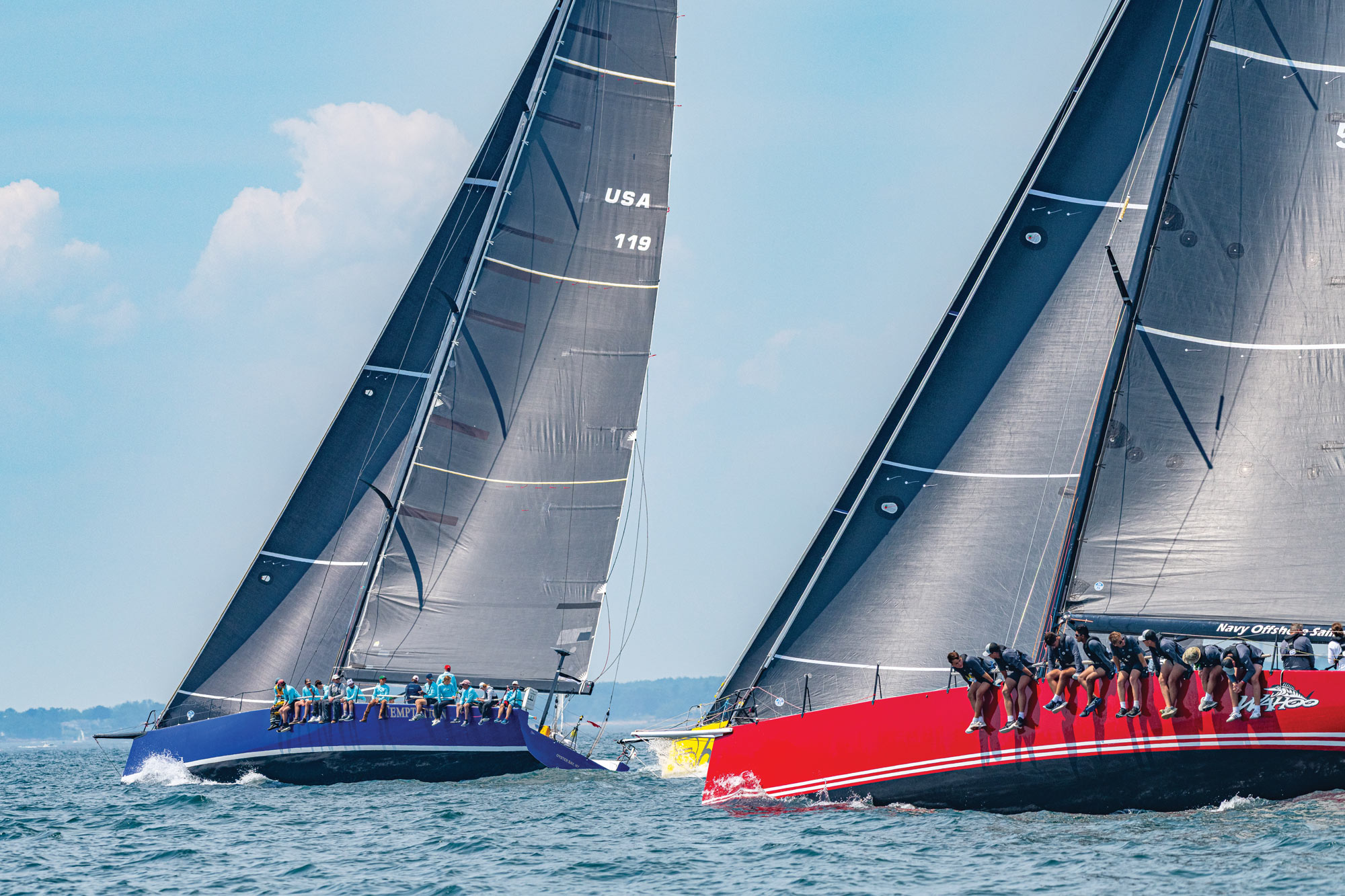
The Judel/Vrolijk 66 Temptation averaged 10.8 knots in 22‑knot westerlies off Connecticut while the helm eased a few degrees to avoid hard pounding, showing how small heading changes and sail reduction improve endurance and speed in choppy seas.
Race logistics and tactical choices that mattered
Three east‑coast ocean races — the Block Island Race (186 miles), the Annapolis to Newport Race (473 miles) and the Marblehead to Halifax Race (361 miles) — provided a compact case study in offshore logistics, sail inventory planning, and human factors aboard a high‑performance 66‑footer. Effective choices on routing, sail selection, and watch structure changed race outcomes by minutes to hours.
Routing and weather decisions
On the Block Island Race the fleet’s relative positions and local wind patterns on Long Island Sound forced a strategic decision: chase the central sound breeze rather than cling to shore. That bet paid off, stretching the lead enough to finish eight hours ahead on the water and win on corrected time by 57 seconds. In the Annapolis to Newport Race, the navigator recommended a long offshore tack away from the rhumb line to reach stronger northeasterly winds; that route choice validated the value of comparative weather model analysis.
Practical sail handling and damage control
Key events highlighted the importance of readiness and simplified procedures:
- Reefing early and executing a bare‑headed sail change to a No. 4 when seas built to 22 knots reduced pounding and improved control.
- An accidental hydraulic operation eased load on the headsail tack and led to a luff‑feeder collapse on deck; cleanup cost roughly two hours and left the boat limited to staysail power.
- During a downwind reaching leg, switching from asymmetric to a reaching headsail plus staysail proved faster under 22–27 knots.
Watch systems, communication, and crew welfare
Temptation used a straightforward watch system: watch captains on four‑hour stints with two crew swapping at a time. That avoided the confusion of full‑crew changeovers and relied on disciplined adherence to schedule. Equally critical were habits that preserve performance over long races: staying hydrated, sun protection, dry foul weather gear, and anti‑seasickness measures such as scopolamine patches by prescription. When comfort is maintained, vigilance and decision making remain sharp.
Human factors and safety training
Participation in a formal Safety at Sea program reinforced readiness. The mandatory online modules plus a hands‑on session — including a 30‑minute life‑raft drill — exposed how quickly controlled discomfort can become life‑threatening in an emergency. These exercises emphasize two logistical priorities for any offshore voyage: verified personal protective equipment and repeated drills for abandon‑ship scenarios.
| Race | Distance | Key Lesson | Result |
|---|---|---|---|
| Block Island Race | 186 nm | Chase central sound breeze; reef early | First overall; won on corrected time |
| Annapolis → Newport | 473 nm | Offshore routing based on models; check sails & gear | Class win despite headstay failure |
| Marblehead → Halifax | 361 nm | Be ready with next sail plan; use reaching headsail + staysail | Course record; first to finish |
Sail trim and apparent wind management
At speeds above 18 knots, apparent wind shifts can cause mainsail luffing and boom movement toward centerline; the boat then appears off course, though it is often a natural reaction to speed. The crew learned to rotate helm duties hourly, keep trimmers aware of apparent‑wind effects, and maintain clear, calm communication when launching or dousing sails. A practical rule used aboard was the “10‑minute rule” — wait briefly to confirm a persistent change in wind before committing to a full sail change.
Checklist: Equipment, supplies, and human readiness
- Reliable foul weather gear and boots — replace any leaking or failing items before sea trials.
- A documented sail plan plus redundancy: spare halyards, shackles, and emergency sail configurations.
- Preloaded weather model comparisons and a navigator able to interpret divergences.
- Regular safety drills: life‑raft inflation, fire suppression, and man‑overboard recovery.
- Structured watch roster and explicit verbal briefings before every evolution.
GetBoat always keeps an eye on news related to sailing and seaside vacations, as we truly understand what it means to enjoy great leisure and love the ocean. The platform values freedom, energy, and the ability to choose your own course, placing no limits on a good life and helping clients find a vessel that suits their preferences, budget, and taste.
Start planning your next seaside adventure with a view toward preparation: verify your sail inventory, rehearse emergency routines, and ensure crew comfort to maximize performance and enjoyment. Provide time to compare options and secure the right vessel for your party — a capable charter or yacht matched to expected conditions reduces stress and improves safety. Start planning your next seaside adventure and make sure to book the best boat and yacht rentals with GetBoat before the opportunity sails away!
Highlights from these races underline that experiencing a new location is always a multifaceted process: you learn about culture, nature, the indescribable palette of local colors, the rhythm of life, and the unique aspects of on‑water service. If you are planning your next trip to the sea, you should definitely consider renting a boat (boat rentals, rent a boat, rent a yacht), as each inlet, bay, and lagoon is unique and tells you about the region just as much as the local cuisine, architecture, and language GetBoat.com
In summary, the season aboard Temptation demonstrated that careful logistical planning, crew welfare, and clear communication compound into measurable advantages: improved speed, reduced gear stress, and race wins even when setbacks occur. Whether you charter a yacht for a coastal cruise, rent a sailing boat for a weekend, or research buying a vessel, prioritize safety courses, a pragmatic sail inventory, and a robust watch system. These practices matter for every skipper, captain, and charterer navigating beach approaches, marinas, or open ocean. GetBoat.com supports these aims by offering transparent listings — from small boats and lake cruisers to superyacht charters — making it simple to compare make, model, ratings, and booking options for unforgettable yachting, sailing, boating, and fishing activities in clearwater bays, gulf coves, and ocean destinations. Set your course today.