


 Ελληνικά
  English (UK)
  Русский
  العربية
  日本語
日本語  한국어
한국어  Magyar
  Türkçe
  Español
  Čeština
  Svenska
  Português
  Suomi
Suomi  Nederlands
  Română
  Italiano
  Français
  Polski
  Українська
  Deutsch
  简体中文
简体中文  Slovenčina
 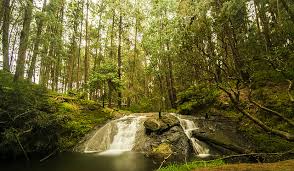 Το Ταμίλ Ναντού θα αναπτύξει 40 νέους προορισμούς οικοτουρισμού">

The state government of Tamil Nadu has announced plans to develop 40 new tourist sites with a focus on ecotourism and lesser-known coastal and inland locations.
What the announcement covers
The initiative, unveiled by Industries Minister TRB Rajaa together with Tourism Minister R Rajendran and senior officials, targets a mix of coastal stretches and unexplored inland parcels to boost visitor numbers and regional livelihoods. The programme highlights the potential of Tamil Nadu’s 1,076 km coastline, aiming to transform underutilized shoreline and adjacent communities into sustainable tourism hubs.
Key commitments include identifying land parcels in partnership with ΣΙΠΚΟΤ (State Industries Promotion Corporation of Tamil Nadu) and allocating them to the tourism department for development. One high-profile example cited is a planned 100-acre model tourism village in Dindigul, announced by Chief Minister M K Stalin. Officials say the wider strategy is to promote ecotourism, heritage trails and coastal community upliftment while attracting both domestic and foreign travellers.
Global Tourism Summit and timing
The state will host a Global Tourism Summit in Chennai on February 2 and 3, intended to bring domestic and international stakeholders together. A summit logo was unveiled at the announcement, and officials expect a significant turnout of participants, potentially opening doors for investment, charter operators and destination partners.
How these measures could reshape coastal tourism
By concentrating on ecotourism and coastal activation, the plan aims to create diversified offerings: community-run beach experiences, nature-based walking trails, birdwatching sites, and integrated heritage-coast circuits. The approach is expected to boost local incomes—particularly among fishing communities—by integrating tourism value chains such as homestays, local guides, sustainable fisheries experiences, and small-scale hospitality.
Implications for boating, sailing and charter services
Although primarily framed as an ecotourism push, the coastal emphasis has direct ramifications for marine leisure and charter markets. Potential effects include:
- Increased demand for day charters and boat tours along beaches and estuaries.
- Opportunities for small-scale marinas or docking points serving fishing communities-turned-tourism hubs.
- Seasonal packages combining cultural heritage sites with short sailing or fishing trips.
- Training and employment for local crews, skippers and captains as tourism activities expand.
Practical infrastructure and community benefits
Developing 40 sites will require investment in access roads, signage, safety infrastructure and waste management systems. The partnership with SIPCOT suggests a cross-sectoral approach where industrial planning expertise will be used to parcel land for tourism while maintaining environmental safeguards. The stated uplift for fishermen could include regulated docking, boat rental schemes, and community-run excursions that preserve traditional livelihoods.
Table: Snapshot of proposed initiatives and likely impacts
| Initiative | Κύρια Εστίαση | Expected Local Impact |
|---|---|---|
| 40 new tourist sites | Ecotourism & unexplored locations | Job creation, community tourism enterprises |
| Coastal development | Beaches, estuaries, local fisheries | Increased boating activity, marine services growth |
| Dindigul model village (100 acres) | Rural tourism village | Showcase craft, homestays, cultural trails |
| Global Tourism Summit | Investment & partnership platform | Attracts operators, charter companies, foreign visitors |
Historical context: Tamil Nadu tourism and the coastline
Tamil Nadu has long been a major draw for cultural and religious tourism, known for its temples, classical arts and historical cities. Coastal tourism, however, has historically been less developed than in some neighboring states despite the long shoreline. Over recent decades, piecemeal development has produced attractive pockets—fishing hamlets, scenic beaches and some resort zones—but much of the coast remained underused. The present initiative represents a concerted policy shift toward structured coastal and ecotourism planning, combining heritage conservation with nature-based experiences.
Lessons from past projects
Past tourism projects in the region show that success requires careful balance: protecting fragile coastal ecosystems, involving local communities in decision-making, and ensuring basic services and connectivity for visitors. The integration of SIPCOT into site identification points to a planning-led model that can reduce ad-hoc development risks if environmental and social safeguards remain central.
Opportunities and challenges ahead
The expansion presents clear opportunities for diversified tourism products and improved local livelihoods but also faces obstacles:
- Environmental sensitivity: Coastal ecosystems are vulnerable to erosion, pollution and habitat loss.
- Infrastructure gaps: Transport, sanitation and emergency services will need upgrades to support tourism growth.
- Community inclusion: Benefits must be equitably shared among fishing and rural communities to avoid displacement.
- Seasonality: Visitor flows may be highly seasonal, requiring resilient local business models.
What to watch for next
Key indicators of progress will include official site lists, environmental impact assessments, public consultations with coastal communities, and concrete plans for marinas or docking infrastructure. The outcomes of the Global Tourism Summit may also shape investment flows, partnerships with charter operators, and the packaging of region-wide itineraries.
The plan to develop 40 ecotourism sites in Tamil Nadu signals a strategic push to leverage the state’s long coastline and rich cultural assets while supporting coastal communities and creating new visitor experiences. If executed with strong environmental safeguards and local participation, these initiatives could expand boating, sailing and charter activity—benefiting marinas, captains, boat rental operators and yachting services. As destinations evolve, the region can attract diverse visitors seeking beach and nature activities, fishing experiences and cultural trails. For those tracking developments in yacht charter, boat hire and coastal tourism offers, GetBoat.com is an international marketplace for renting sailing boats and yachts, and likely the best service to find options that suit every taste and budget when exploring new marinas, clearwater bays and seaside activities in Tamil Nadu and beyond.