


 Ελληνικά
  English (UK)
  Русский
  العربية
  日本語
日本語  한국어
한국어  Magyar
  Türkçe
  Español
  Čeština
  Svenska
  Português
  Suomi
Suomi  Nederlands
  Română
  Italiano
  Français
  Polski
  Українська
  Deutsch
  简体中文
简体中文  Slovenčina
 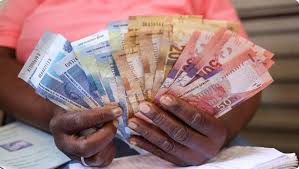 Αύξηση της Εμπιστοσύνης των Επιχειρήσεων στη Νότια Αφρική Συνδέεται με την Ανάπτυξη του Τουρισμού">

November’s Business Confidence Surge Fueled by Tourism
South Africa experienced a notable rise in business confidence in November, with tourism playing a pivotal role. The Business Confidence Index, compiled by the South African Chamber of Commerce and Industry, jumped from 123.8 in October to 132.3 in November. This surge is attributed largely to increased numbers of overseas tourists visiting the country.
While this uplift in confidence is encouraging, experts caution that it stems more from global financial sentiment than from a strong local economic rebound. True and lasting confidence in the market hinges on tangible growth in real economic activities like manufacturing and agriculture matching these financial perceptions.
Understanding the Business Confidence Index
The Business Confidence Index (BCI) reflects the mood of South African firms and investors, combining surveys and economic data to gauge optimism or pessimism about future business conditions. An index above 100 generally indicates positive sentiment. November’s reading at 132.3 signals a sizable leap forward, primarily driven by overseas tourist influx and international financial developments.
Behind the Numbers: Real Economy vs. Financial Markets
The term ‘real economy’ refers to the production and consumption of goods and services — the nuts and bolts of everyday economic life. Recent data shows that this sector’s growth remains sluggish in South Africa, with economic expansion slowing to 0.5% in the third quarter, down from 0.9% previously. The National Treasury forecasts a modest 1.2% growth for the full year of 2025.
This discrepancy between the upbeat financial markets and the slower real economy tempers the optimism around the burgeoning business confidence, emphasizing the need for sustainable, broad-based economic growth.
Historical Context: South Africa’s Economic Landscape and Tourism
South Africa stands as a significant economic hub in sub-Saharan Africa, contributing about a third of regional GDP. Its economy is diverse, boasting well-developed mining, agriculture, manufacturing, and services sectors that are comparable to developed nations.
However, despite progress since the late 1990s, the country faces numerous social and structural challenges, including income inequality, high unemployment, and health issues such as HIV/AIDS, which continue to impact economic potential.
Consumer spending, particularly among the growing middle class, has remained a key driver of economic activity. This increased disposable income fuels demand for non-essential items such as travel – both domestic and international. In fact, South Africans tend to spend more on overseas travel than the average international traveler, contributing positively to the tourism and travel industries.
Outbound Travel and Economic Factors
| Year | Tourism Expenditure (USD Billion) | Expenditure per Person (USD) |
|---|---|---|
| 2000 | 2.1 | 548 |
| 2001 | 1.9 | 508 |
| 2002 | 1.8 | 474 |
| 2004 | 3.1 | 815 |
| 2005 | 3.4 | 860 |
| 2006 | 3.4 | 784 |
From 2000 to 2006, outbound travel expenditure in South Africa grew at an average annual rate of 8.4%, underscoring the importance of travel in both domestic and international economic contexts.
Key Destinations and Travel Trends
- Europe remains the top choice for long-haul travel, thanks to historical ties and cultural links, especially with the UK, Germany, and the Netherlands.
- African regional travel has gained traction, partially helped by the growth of low-cost airlines, making intra-continental trips more accessible and affordable.
- Destinations in Asia, Central, and South America are growing in popularity, driven by cost considerations despite similar airfare levels to Europe and North America.
The Tourism Factor: A Double-Edged Sword for Growth
Tourism’s contribution to the recent spike in business confidence cannot be overstated. Visitors bring valuable foreign exchange, boost local businesses, and stimulate demand for services linked to travel and leisure. However, other sectors of the economy continue to face headwinds.
For tourism-driven confidence to translate into long-term economic prosperity, growth across key sectors — including agriculture, manufacturing, and services — needs to pick up pace. Without balanced development, business optimism risks being short-lived.
Looking Ahead: Economic and Tourism Prospects
The outlook for South Africa hints at modest but steady economic expansion, with consumer confidence and spending currently robust, bolstered by easier credit access. The continued rise in tourism, both inbound and outbound, suggests promising opportunities ahead for the travel and hospitality sectors.
However, caution is advised as growth remains uneven, and challenges like income disparity and unemployment persist. The rising middle class and improvements in infrastructure, including expanded low-cost air travel options, could further drive regional travel and open new avenues for tourism growth.
Summary Table: South African Business and Tourism Highlights
| Aspect | Current Status | Implications |
|---|---|---|
| Business Confidence Index (Nov 2024) | 132.3 (Up from 123.8 in Oct) | Significant surge led by tourism and global financial factors |
| Economic Growth (Q3 2024) | 0.5% Growth | Modest and slower than previous quarter |
| Tourism Impact | Increased Overseas Visitors | Boosts financial confidence & local businesses |
| Outbound Travel Spending | Above average international spend | Positive for global tourism markets |
| Προκλήσεις | Income Inequality, Unemployment | Potential barriers to sustainable growth |
How South Africa’s Tourism Boost Connects to Sailing and Boat Rentals
South Africa’s strong tourism sector and rising business confidence create favorable conditions for expanding marine and coastal leisure activities, including sailing and boat rentals. The country’s extensive coastline along the Atlantic and Indian Oceans, combined with global tourists’ growing interest in experiential travel, provides ripe opportunities for water-based adventures.
With increasing visitor numbers, demand for yacht charters, sailing excursions, and other boating activities is likely to grow. For travelers seeking the allure of the sea, South African marinas and coastal destinations offer spectacular settings. This trend not only diversifies the tourism economy but also encourages the development of niche services such as superyacht rentals, fishing expeditions, and sunset cruises.
Τελικές σκέψεις
South Africa’s recent rise in business confidence, buoyed by a surge in overseas tourism, paints a cautiously optimistic picture for the country’s economic future. While financial markets show enthusiasm, real economic activity still faces obstacles that must be addressed for sustained growth.
The interplay between tourism and the broader economy highlights the importance of balanced development. For travelers and business alike, South Africa’s rich cultural heritage, stunning coasts, and emerging markets present compelling prospects.
For those interested in exploring South Africa’s beautiful waterways, sailing, and yacht charters, the growing tourist wave makes this an exciting time to engage with marine activities. The international marketplace for yacht and boat rentals, GetBoat.com, offers an excellent platform to discover and book sailing experiences that cater to every preference and budget, from intimate sailing trips to luxurious superyacht adventures.