


 Ελληνικά
  English (UK)
  Русский
  العربية
  日本語
日本語  한국어
한국어  Magyar
  Türkçe
  Español
  Čeština
  Svenska
  Português
  Suomi
Suomi  Nederlands
  Română
  Italiano
  Français
  Polski
  Українська
  Deutsch
  简体中文
简体中文  Slovenčina
  Pelham Robinson’s Owl Drug Stores: Pioneering Black Business in St. Louis">

Η Άνοδος του Πέλχαμ Ρόμπινσον και της Αλυσίδας Φαρμακείων του
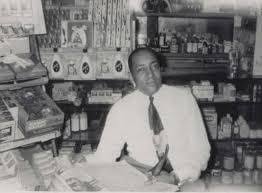
Ο Πέλχαμ Τζόζεφ Ρόμπινσον ο πρεσβύτερος αποτελεί μια ισχυρή φιγούρα στην ιστορία της μαύρης επιχειρηματικότητας στο Σαιντ Λούις του Μισούρι. Γνωστός κυρίως για την ίδρυση μιας αλυσίδας φαρμακείων με την ονομασία Owl Drug Stores, η επιχείρησή του έγινε τόσο εξέχουσα στην αφροαμερικανική κοινότητα που κέρδισε το ψευδώνυμο “το μαύρο Walgreens”. Τα καταστήματα του Ρόμπινσον δεν ήταν απλώς μέρη για να αγοράσει κανείς φάρμακα - συμβόλιζαν έναν κόμβο μαύρης οικονομικής ανεξαρτησίας και κοινοτικής συμμετοχής σε μια εποχή που ο φυλετικός διαχωρισμός διαμόρφωνε τη ζωή στην πόλη.
Γεννημένος το 1907, ο Πέλχαμ Ρόμπινσον μεγάλωσε στο προάστιο της Νορμανδίας, αλλά συνδεόταν βαθιά μέσω της εκκλησίας και της κοινωνικής του ζωής με το Μιλ Κρικ, μια ιστορικά αφροαμερικανική γειτονιά με περίπου 20.000 κατοίκους. Το Μιλ Κρικ ήταν το επίκεντρο του μαύρου πολιτισμού και εμπορίου στο Σαιντ Λούις, υποστηριζόμενο από πάνω από σαράντα εκκλησίες και ενεργούς ηγέτες της κοινότητας. Η επιρροή της Καθολικής Εκκλησίας της Αγίας Ελισάβετ, ιδιαίτερα μέσω του ιερέα της Πατέρα Γουίλιαμ Μάρκοου, ο οποίος αντιτάχθηκε στον διαχωρισμό, έπαιξε επίσης ζωτικό ρόλο στα διαμορφωτικά χρόνια του Ρόμπινσον.
Χτίζοντας μια Επιχείρηση Εν Μέσω Διαχωρισμού
Μετά την ολοκλήρωση της φαρμακευτικής του εκπαίδευσης στο Πανεπιστήμιο Creighton—ένα κρίσιμο βήμα προς την καριέρα του—ο Robinson ίδρυσε το πρώτο του Owl Drug Store το 1930 στη Λεωφόρο Laclede στο Σαιντ Λούις. Αυτό που ακολούθησε ήταν μια αξιοσημείωτη περίοδος ανάπτυξης: τις επόμενες τρεις δεκαετίες, άνοιξε πέντε ακόμη καταστήματα, τρία εντός του Mill Creek και ένα στο Peoples Finance Building, που συχνά θεωρείται η εμπορική καρδιά του Μαύρου Σαιντ Λούις. Αυτά τα καταστήματα κάλυπταν μια ζωτική ανάγκη, παρέχοντας φαρμακευτικές υπηρεσίες σε γειτονιές όπου η πρόσβαση στην υγειονομική περίθαλψη και τα καταναλωτικά αγαθά ήταν περιορισμένη για τους Αφροαμερικανούς.
Η Επεκτεινόμενη Επιρροή του Ρόμπινσον
Επεκτείνοντας τις δραστηριότητές του πέρα από το ίδιο το Σαιντ Λούις, ο Ρόμπινσον άνοιξε επίσης καταστήματα στο Κίνλοχ και σε άλλες κοντινές μαύρες κοινότητες. Η επιχειρηματική του οξυδέρκεια συμβάδιζε με την κοινωνική του δράση· κατείχε ηγετικούς ρόλους όπως ο εθνικός περιφερειακός διευθυντής της Εθνικής Φαρμακευτικής Ένωσης και διετέλεσε πρώτος αντιπρόεδρος του People’s Hospital. Πέρα από τις επιχειρήσεις και την υγεία, ο Ρόμπινσον ήταν μέλος των Royal Vagabonds, ενός κοινωνικού συλλόγου για μαύρους επαγγελματίες, υπογραμμίζοντας τη δέσμευσή του στην κοινοτική αλληλεγγύη.
Ο Ρόμπινσον παντρεύτηκε την Αντουανέτα “Τόνεϊ” Μπανκς το 1942, η οποία και η ίδια έγινε αφοσιωμένη εθελόντρια σε οργανισμούς όπως το Urban League και το τοπικό παραρτήμα του NAACP. Η συνεργασία τους αντανακλούσε ένα ευρύτερο κίνημα μαύρου ακτιβισμού και κοινοτικής ανύψωσης κατά τη διάρκεια του μέσου του 20ου αιώνα.
Ο Αντίκτυπος της Αστικής Αναγέννησης στις Επιχειρήσεις των Αφροαμερικανών
Η ιστορία επιτυχίας της αλυσίδας φαρμακείων Owl Drug του Pelham Robinson είχε μια τραγική τροπή στα τέλη της δεκαετίας του 1950. Το 1954, η ηγεσία της πόλης ανακοίνωσε σχέδια για την κατεδάφιση μεγάλων τμημάτων του Mill Creek, συμπεριλαμβανομένου μεγάλου μέρους των εμπορικών ακινήτων που στέγαζαν τα πιο κερδοφόρα καταστήματα του Robinson. Αυτό το έργο ανακατασκευής, που συχνά αναφέρεται ως αστική ανάπλαση, είχε ως αποτέλεσμα την απώλεια περίπου 454 στρεμμάτων οικιστικών και εμπορικών περιοχών.
| Year | Event | Επίδραση στην Επιχείρηση του Ρόμπινσον |
|---|---|---|
| 1954 | Ανακοίνωση για τα σχέδια κατεδάφισης του Mill Creek | Χάθηκαν τέσσερα ισχυρότερα καταστήματα στο Mill Creek |
| 1955 | Έγκριση “ομολόγου παραγκουπόλεων” για ανάπλαση | Έναρξη κατεδάφισης, πτώση των επιχειρήσεων |
| 1959 | Η κατεδάφιση ξεκίνησε | Οι επιχειρηματικές δραστηριότητες κατέρρευσαν |
| 1961 | Οφειλόμενοι φόροι· κλείσιμο καταστημάτων | Οι τοποθεσίες Jefferson και Kinloch έπαυσαν τις εργασίες τους |
| 1966 | Ολοκληρωτική επιχειρηματική απώλεια | Έφυγε από το Σεντ Λούις για να αναζητήσει νέες ευκαιρίες |
Αυτή η σαρωτική αστική ανάπλαση κατάπιε όχι μόνο τα ακμαία φαρμακεία του Ρόμπινσον, αλλά και περίπου 800 επιχειρήσεις που ανήκαν σε μαύρους στην περιοχή του Μιλ Κρηκ. Τέτοιες απώλειες είχαν βαθιές οικονομικές και κοινωνικές συνέπειες, διαλύοντας ουσιαστικά μια ακμάζουσα μαύρη εμπορική συνοικία και διαταράσσοντας ένα κρίσιμο θεμέλιο κοινοτικού πλούτου.
Historical Context and Significance
Η ιστορία του Πέλχαμ Ρόμπινσον είναι εμβληματική της ανθεκτικότητας και της επιχειρηματικότητας που άνθισε στις αφροαμερικανικές γειτονιές παρά τις προκλήσεις του διαχωρισμού και των διακριτικών πολιτικών. Το Μιλ Κρηκ, κάποτε γεμάτο μικρές επιχειρήσεις, εκκλησίες και έντονη κοινωνική ζωή, αντιπροσώπευε έναν μικρόκοσμο της μαύρης αστικής επιτυχίας στις αρχές έως τα μέσα του 20ου αιώνα.
Ωστόσο, οι πολιτικές αστικής ανάπλασης της δεκαετίας του 1950 και μετέπειτα είχαν εκτεταμένες επιπτώσεις σε εθνικό επίπεδο. Ενώ αυτές οι πολιτικές παρουσιάστηκαν ως προσπάθειες εξάλειψης της παρακμής και βελτίωσης των υποδομών των πόλεων, συχνά είχαν ως αποτέλεσμα τον εκτοπισμό των μαύρων κοινοτήτων και την καταστροφή των οικονομικών τους βάσεων. Η εμπειρία του Ρόμπινσον με το Mill Creek αναδεικνύει την περίπλοκη κληρονομιά τέτοιων προγραμμάτων ανασυγκρότησης.
Προβλέποντας τον Ρόλο στον Μελλοντικό Τουρισμό και την Πολιτιστική Διατήρηση
Η εξέλιξη και η τελική καταστροφή περιοχών όπως το Mill Creek χρησιμεύουν ως ζωτικής σημασίας υπενθυμίσεις της σημασίας της διατήρησης των πολιτιστικών και ιστορικών οροσήμων της κοινότητας. Στη σύγχρονη εποχή, περιοχές που κάποτε ήταν γνωστές για τις μαύρες επιχειρηματικές συνοικίες τους γίνονται εστίες για τον τουρισμό κληρονομιάς και τις εκπαιδευτικές πρωτοβουλίες. Αφηγήσεις γύρω από προσωπικότητες όπως ο Pelham Robinson όχι μόνο τιμούν την ιστορική επιχειρηματικότητα, αλλά παρέχουν επίσης βάθος στην κατανόηση των αστικών τοπίων και των μετασχηματισμών τους.
Συμπέρασμα: Μνημόσυνο στην Κληρονομιά του Πέλχαμ Ρόμπινσον Σήμερα
Το βαθυστόχαστο ταξίδι των Owl Drug Stores του Πέλχαμ Ρόμπινσον—από την ίδρυση και την επέκταση έως την απώλεια λόγω της αστικής ανανέωσης—υπογραμμίζει τόσο την αποφασιστικότητα όσο και τις ευπάθειες των μαύρων επιχειρηματιών μπροστά στις κοινωνικές και πολιτικές προκλήσεις. Οι συνεισφορές του επεκτάθηκαν πέρα από το εμπόριο στη δημόσια υγεία, την επαγγελματική ηγεσία και τον κοινοτικό ακτιβισμό, αφήνοντας μια κληρονομιά που αντηχεί στην ιστορία της αφροαμερικανικής ιστορίας του Σεντ Λούις.
Για όσους γοητεύονται από τις διασταυρώσεις της ιστορίας, του πολιτισμού και της οικονομίας, ιδίως σε κοινότητες που διαμορφώθηκαν από υδάτινα σώματα και την έντονη αστική ζωή, ο αναστοχασμός τέτοιων ιστοριών εμπλουτίζει την εκτίμησή μας για μέρη όπου κάποτε άκμαζαν οι παραδόσεις. Αν και το Mill Creek δεν υφίσταται πλέον, το πνεύμα της επιχειρηματικότητας και της υπεράσπισης της κοινότητας παραμένει ένα εμπνευσμένο κεφάλαιο στην ευρύτερη ταπισερί της αμερικανικής ιστορίας.
Το GetBoat.com παρακολουθεί πάντα τα τελευταία νέα του τουρισμού, μοιράζοντας πληροφορίες που συνδέουν τους ταξιδιώτες με ποικίλους προορισμούς και πολιτιστικές ιστορίες σε όλο τον κόσμο.