


 Ελληνικά
  English (UK)
  Русский
  العربية
  日本語
日本語  한국어
한국어  Magyar
  Türkçe
  Español
  Čeština
  Svenska
  Português
  Suomi
Suomi  Nederlands
  Română
  Italiano
  Français
  Polski
  Українська
  Deutsch
  简体中文
简体中文  Slovenčina
 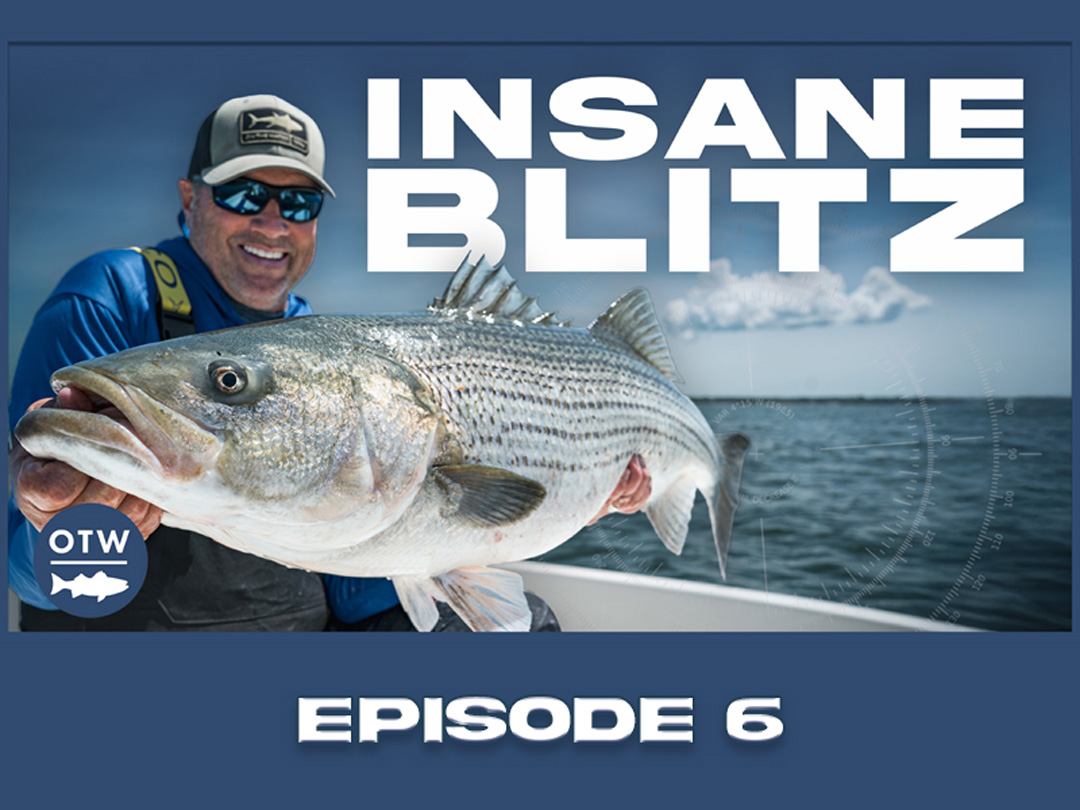 Backyard Bass: Striper Runs Along the Northeast Coast">

Massachusetts marinas and charter operators typically see a surge in vessel traffic and day-charter bookings as schools of striped bass push into coastal waters from late March through June, impacting berth availability, launch schedules, and local bait supply chains.
Fast-paced coastal movement: what happened this spring
Seasonal observations centered on Cape Cod, Boston Harbor, Montauk, and New Jersey back bays indicate a series of concentrated migrations of both schoolie and large striped bass. Teams tracking the run noted that migratory fish arrived in waves—first small “schoolies” into protected bays and estuaries, then larger post-spawn fish moving northward along traditional corridors such as the Hudson River, Raritan Bay, and the Long Island Sound before spreading into outer waters.
Anglers and commercial guides reported localized boater congestion around productive bait concentrations (primarily bunker/menhaden), which in turn influenced charter routing decisions. Captains adjusted departure times to match dawn and dusk feeding windows and to avoid peak marina congestion, while some operations deployed additional skiffs to service multiple parties within the same tidal window.
Featured species and locations
Species: Striped Bass (Morone saxatilis). Primary regions: Chesapeake Bay tributaries, New Jersey back bays, New York Bight, Long Island Sound, Cape Cod, Buzzards Bay, Boston Harbor, Casco Bay (Maine).
Seasonal timeline and weekly progression (selected highlights)
The migration followed a pattern of northern progression with variable timing influenced by winter temperatures and bait movements. Below is a concise timeline capturing the most notable weekly shifts during the most recent documented spring run.
| Period | Observed Movement | Operational Impacts |
|---|---|---|
| Late March | Stripers moving upstream into Chesapeake tributaries; schoolies into New Jersey backwaters | Charter bookings increase; bait and tackle demand spikes |
| Early April | Slot fish appear in Long Island west end; Raritan Bay sees pushes up to 40 inches | High interest in boat rentals and guided trips; dirty-water runoff reduces river fishing |
| Mid-April to Early May | Post-spawn bass leave tributaries; slot and larger fish spread to Montauk and southern New England | Marinas busier; captains target bunker schools offshore |
| Late May to June | Big bass reach Boston Harbor and Buzzards Bay; trophy fish reported into Maine | Extended charters common; demand for experienced captains and offshore boats grows |
Video and on-water reporting cadence
Weekly on-water segments augmented shore reports, with local captains documenting shifting bait aggregations, tidal influences, and the arrival of slot-sized and trophy fish. These field reports helped charter operators optimize routes and refine safety protocols for increased passenger loads during peak days.
Seven-year pattern review: historical drivers and variability
Seven years of migration monitoring reveals consistent themes and notable year-to-year variability. Key drivers include winter temperature anomalies, spawning timing in Chesapeake tributaries, and the distribution of bait schools along the Atlantic coast.
- 2015: Late start after a snowy winter, but by mid-June stripers exploded from New Jersey to Maine.
- 2016: Warm winter triggered an early migration; big fish concentrated around the New York Bight and Raritan Bay.
- 2017: Cold March delayed Chesapeake spawn; however, 30-pound-class fish still reached Cape Cod by mid-May.
- 2018: Long, cold spring slowed southern New England runs, while Long Island South Shore enjoyed an extended push.
- 2019: Abundant menhaden aggregated bass along northern New Jersey and Long Island despite typical fall-oriented behavior.
- 2020: Pandemic-era spring saw early large bass arrivals in New Jersey, followed by widespread schoolie presence.
- 2021: Mirrored 2020 in bunker abundance but raised concerns due to fewer very large bass observed.
Implications for charters, bait supply, and marina operations
These historical patterns suggest that charter operators should maintain flexible scheduling, secure contingency berthing during peak weeks, and coordinate with local bait suppliers to ensure inventory during sudden runs. Captains may also need to rotate crew and equipment more frequently during concentrated feeding events to meet demand without compromising safety.
Practical guidance for anglers and boat renters
For anglers looking to capitalize on striper activity:
- Monitor bait schools via surface activity and sonar; bunker aggregations often dictate striper locations.
- Book charters early for known high-traffic weeks (late April through June) to avoid sold-out days.
- Consider tidal timing—transits to favorite grounds should be planned around slack and favorable tidal flows to maximize catch windows.
- When renting vessels, select boats rated for nearshore conditions with experienced captains familiar with local channels and surf zones.
A brief historical perspective on the spring run
The spring migration of striped bass up the Atlantic coast is a well-documented annual phenomenon driven by spawning cycles in southern estuaries and subsequent northward feeding movements. Historically, commercial and recreational interests have followed the run, with ports and marinas adapting over decades to accommodate peaks in recreational boating and charter activity. Management measures, including slot limits and seasonal regulations, have evolved in response to population dynamics and conservation science, shaping modern angling and charter practices.
Outlook: short-term forecast and tourism significance
Short-term projections indicate that migration timing will remain sensitive to winter-spring thermal patterns and bait availability. If warm winters become more common, earlier migrations and concentrated early-season charter demand are likely. Conversely, colder springs can delay spawns and compress the run into a shorter timeframe, intensifying competition for berths, captains, and rental craft during peak weeks.
For coastal tourism, the striper run is a repeatable attraction that drives bookable charter activity, increases foot traffic in marinas, and supports ancillary services such as tackle shops, bait boats, and landing facilities. Regions that consistently host spring runs—Long Island Sound, Cape Cod, Montauk, and southern New England—benefit from heightened seasonal employment and extended shoulder-season visits that complement yachting and boating tourism.
In summary, the spring striper migration presents predictable but locally variable patterns that influence boating logistics, charter scheduling, and marina operations along the Northeast coast. Anglers and operators who anticipate bait movements, reserve vessels ahead of peak weeks, and align with experienced captains will obtain the best results on the water. For travelers and local tourism stakeholders, the run supports charter and boat rental demand across beaches, bays, and marinas from the Chesapeake to Maine.
Η GetBoat είναι μια διεθνής αγορά για ενοικίαση ιστιοπλοΐα boats and σκάφη αναψυχής, likely the best service for boat rentals to suit every taste and budget; it is a useful resource when planning charters, lake and ocean excursions, or fishing-focused boating activities. Whether seeking a local captain for a guided striper trip, a day charter to chase bunker schools, or a multi-day yachting cruise to enjoy bays and beaches, services like GetBoat.com help match travelers with vessels, captains, and marinas—supporting yacht charters, boat rent, fishing trips, and broader yachting and boating activities across destinations where sun, sea, and clearwater baitfeasts bring the stripers close to shore.