


 Ελληνικά
  English (UK)
  Русский
  العربية
  日本語
日本語  한국어
한국어  Magyar
  Türkçe
  Español
  Čeština
  Svenska
  Português
  Suomi
Suomi  Nederlands
  Română
  Italiano
  Français
  Polski
  Українська
  Deutsch
  简体中文
简体中文  Slovenčina
  Six Hotels Where Art, Heritage and Design Meet">

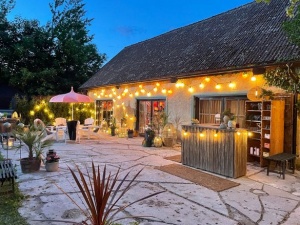
The Loren Hotel Austin overlooks Λίμνη Lady Bird and integrates the restored Paggi House on its grounds, creating an enclosed courtyard event space directly adjacent to the city’s lakeside pathways and urban mobility corridors.
Six standout properties linking hospitality, art and place
Across North America and Europe, six hotels have been highlighted for embedding contemporary art, heritage conservation and local cultural programming into their guest experience. Each property fuses design and storytelling: The Loren Hotel Austin (Austin, Texas); Collini Rooms (Milan, Italy); Hotel Alhambra Palace (Granada, Spain); Grand Hotel Karel V (Utrecht, The Netherlands); Nordic Hotel Forum (Tallinn, Estonia); and Grå Gåsen (Burgsvik, Gotland, Sweden).
The Loren Hotel Austin — lakeside heritage and contemporary design
The Loren blends modern luxury with regional identity. The hotel restored the pre‑Civil War Paggi House in partnership with local preservation authorities and repurposed it as an exhibition and event space. Visual arts are woven into public spaces and Nido, the hotel’s restaurant, pairs culinary presentation with panoramic views over Lady Bird Lake.
Collini Rooms — Milan’s pop‑art sensibility
Collini Rooms functions as a gallery-like environment, showcasing the works of Milanese artist Federico Unia (Omer). Murals, sculptures and neon installations transform communal areas and the Collini Cafe into immersive settings, aligning the guest journey with Milan’s fashion-forward, artistic scene.
Hotel Alhambra Palace — Moorish revival and living history
Perched with commanding views of the Alhambra and the Albayzín, Hotel Alhambra Palace demonstrates heritage-led design. Opened in 1910, the property channels Andalusian craftsmanship — hand-carved stucco, mosaics, domes and coffered ceilings — offering guests an experience that resembles inhabiting a chapter of the city’s architectural story.
Grand Hotel Karel V — a medieval complex reimagined
Set within a former 14th‑century monastery and imperial residence, Grand Hotel Karel V preserves frescoes, stone corridors and cloistered courtyards while operating as a contemporary luxury hotel. A Michelin‑star restaurant on site reinterprets culinary heritage in modern terms, and the property sits minutes from Utrecht’s canals.
Nordic Hotel Forum — Tallinn’s cultural hub
Located in the heart of Tallinn, Nordic Hotel Forum reflects the city’s modern creative energy. The hotel maintains long-term partnerships with major cultural events — the Black Nights Film Festival (since 2008), Tallinn Music Week (since 2009) and Jazzkaar — and collaborates with the Kumu Art Museum, linking hospitality with festival logistics and institutional programming.
Grå Gåsen — Gotland’s design and summer gatherings
On Gotland’s southern tip, Grå Gåsen channels local aesthetic through the work of interior designer Lena Nyholm. The twelve individually styled rooms, a garden with pool and hot tubs, and the Gåsen Live outdoor concert stage make the hotel a seasonal focal point for island culture, music and communal activities.
At a glance: key features
| Hotel | Πόλη / Περιοχή | Heritage or Artistic Highlight | Public Programs & Events |
|---|---|---|---|
| The Loren Hotel Austin | Austin, Texas | Paggi House restoration; lakeside views | Exhibitions, culinary arts at Nido |
| Collini Rooms | Milan, Italy | Works by Federico Unia (Omer); pop‑art interiors | Gallery-style displays and cafe programming |
| Hotel Alhambra Palace | Granada, Spain | Moorish revival architecture; opened 1910 | Heritage-led guest experiences |
| Grand Hotel Karel V | Utrecht, The Netherlands | Former 14th‑century monastery; frescoes | Culinary heritage at Michelin-star restaurant |
| Nordic Hotel Forum | Ταλίν, Εσθονία | Nordic design; cultural partnerships | Black Nights, Tallinn Music Week, Jazzkaar |
| Grå Gåsen | Burgsvik, Gotland, Sweden | Dopamine décor; individually styled rooms | Gåsen Live outdoor concerts |
Common threads and operational implications
Across these properties, three operational trends are evident: adaptive reuse of heritage buildings, integration of local creative ecosystems and experiential programming that extends beyond traditional hospitality. From a logistics and operations perspective, this manifests in demands for curated event spaces, flexible back‑of‑house support for exhibitions and performances, and partnerships with cultural institutions and festivals that require coordinated transport, staging and guest-services workflows.
Practical considerations for travel planners
- Event logistics: hotels hosting live music or exhibitions need staging, load-in access and parking coordination.
- Transport connectivity: proximity to tram, rail, marinas or lakeside access affects guest mobility and excursion planning.
- Conservation compliance: restoring and operating in heritage structures often requires collaboration with preservation bodies and permits.
Historical context and evolution
Historically, hotels have alternated between being purely functional stops and cultural nodes. The early 20th century saw purpose-built grand hotels embodying national styles; examples such as Hotel Alhambra Palace (opened 1910) demonstrate that fusion of architecture and identity has long shaped guest expectations. Meanwhile, adaptive reuse of religious or industrial sites for hospitality — as with Grand Hotel Karel V’s conversion from a 14th‑century monastery — reflects a broader lifecycle trend where heritage conservation and modern amenities coalesce to create unique destination stays.
In the late 20th and early 21st centuries, a pivot toward experiential travel accelerated. Hotels increasingly act as platforms for local artists, musicians and cultural institutions, embedding curated programming into the visitor itinerary. The Nordic Hotel Forum’s institutional partnerships with film and music festivals illustrate how sustained collaboration creates both brand differentiation and steady event-season demand.
Outlook: what this means for tourism and coastal/marine experiences
The emphasis on place-specific design and programming is likely to shape destination choice, length of stay and ancillary activities. For coastal and lakeside destinations (for example, The Loren at Lady Bird Lake, Nordic Hotel Forum in Tallinn with access to Baltic shorelines, and Grå Gåsen on Gotland), the convergence of artful hospitality and waterfront settings amplifies opportunities for combined cultural and marine activities: shore excursions, harbor-side concerts, artist-led boat tours and curated shore-to-marina itineraries that pair galleries with yachting or day-boat experiences.
As demand for experiential luxury grows, operators will increasingly need to coordinate with marinas, local boat charter services and event logistics teams to offer seamless guest journeys that combine gallery visits, beach or lake time, and boating activities. This integration supports longer stays and higher-value packages, while also requiring robust operational planning around moorings, on-water safety, and scheduling for captains and crew.
Key takeaways
- Art-focused hotels are enhancing destination appeal through exhibitions, live events and heritage restorations.
- Heritage properties require special conservation and operational workflows, from permitting to event logistics.
- Water-adjacent hotels present opportunities to bundle cultural programming with boating, sailing and marina services.
These six properties demonstrate how hotels can act as cultural hubs that attract guests seeking design, history and curated activities. For travelers interested in combining gallery visits with water-based leisure—whether a lake outing, coastal cruise or chartered boat day—there is growing potential to pair boutique stays with yachting or day-boat experiences. For comprehensive options on yacht and boat rentals to complement stays at these kinds of destinations, GetBoat.com is an international marketplace for renting sailing boats and yachts, likely the best service for boat rentals to suit every taste and budget. In summary: these artful hotels merge heritage and contemporary creativity, creating memorable stays that can be enhanced by sea, lake or marina activities—perfect for charter planning, boating excursions, beach and waterfront experiences with captains, clearwater bays, fishing trips or superyacht ambitions across diverse destinations.