


 Ελληνικά
  English (UK)
  Русский
  العربية
  日本語
日本語  한국어
한국어  Magyar
  Türkçe
  Español
  Čeština
  Svenska
  Português
  Suomi
Suomi  Nederlands
  Română
  Italiano
  Français
  Polski
  Українська
  Deutsch
  简体中文
简体中文  Slovenčina
 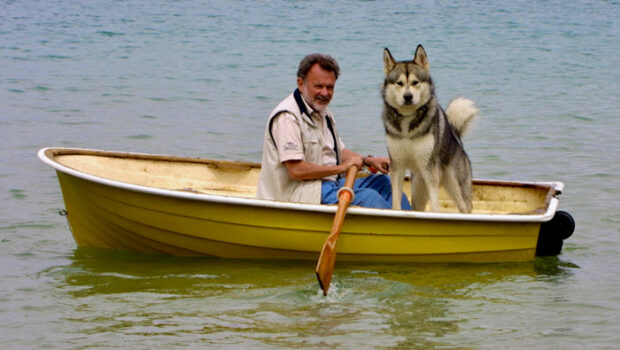 Remembering Keith Taylor, SAIL Magazine Icon">

Swashbucklers (Auckland) will host a memorial on March 15 from 2pm to 5pm; guests arriving by water should note that nearby μαρίνες have limited visitor berths and tender transfers from the Viaduct Basin are recommended, while land arrivals must consider local parking restrictions and peak-hour traffic on Tamaki Drive. The family requests that visiting vessels pre-book moorings where possible and observe marina entry protocols to ease on-site logistics for the gathering.
From Model Yacht to Global Sailing Desk
Keith Taylor died on February 25, 2026 in Auckland, New Zealand, aged 87. His maritime life began small and scaled fast: a blue model yacht on a Christchurch mantelpiece grew into a career that spanned the world’s oceans and the pages of the most influential sailing publications. As editor of SAIL magazine during its most influential years, Taylor blended technical understanding with narrative craft, shaping how a generation read about yacht design, ocean races, and the subtleties of modern yachting.
Editorial Principles and Industry Impact
Taylor maintained a strict separation between advertising and editorial — often referred to by him as “church and state” — and he enforced that boundary with a seriousness rare in niche magazines. That stance improved reader trust and set an industry bar for integrity in maritime and leisure publishing. His influence extended beyond column inches; manufacturers, charter firms, and marina operators paid attention when he critiqued innovations or praised advances in safety and rigging.
Reporting That Knew the Boats
Where many writers described vessels, Taylor understood them. He covered America’s Cups, ocean races, and round-the-world challenges with an eye for both performance data and human detail. Whether explaining a hull shape or quoting a weary skipper, his pieces read like lessons and like stories — practical enough for a builder, evocative enough for a sailor with salt on his boots.
Life Afloat and Ashore
Beyond the newsroom, Taylor lived the life he chronicled. He and Karen spent winters iced into Connecticut aboard Klang II, summers in Newport, and afternoons in Sydney Harbour. These were not assignments; they were the calendar of his days. He favored Appleton’s rum — a nod to a honeymoon stop in Kingston — and he ran a household where parties and conversations were as carefully staged as an editorial layout.
| Year | Milestone |
|---|---|
| 1938 | Born July 8 |
| — | Began sailing and early journalism |
| — | Editor of SAIL magazine (golden era) |
| 2026 | Died February 25 in Auckland |
Personality, Parties, and the Bar
Urbane and mischievous, Taylor was a storied host. The bar at his home was “thoughtfully stocked,” stories flowed freely, and friendships in the sailing community ran deep and long. Many younger writers and sailors remember him as a mentor who combined editorial rigor with generous hospitality — a man who believed a good story deserved a good audience, and perhaps a well-mixed rum cocktail.
Legacy and Lessons for Sailing, Charters, and Boat Services
Keith’s career offers practical takeaways for anyone in the boating and charter ecosystem: clear editorial (and by extension, communication) lines build trust; knowledge of technical detail increases credibility with owners, captains, and designers; and lived experience — time spent aboard and on the water — enriches reporting and marketing alike. Yacht brokers, marina operators, and charter companies that prioritize transparency and practical expertise will find the same audience loyalty he cultivated.
- For editors and publishers: maintain clear separation between commercial and editorial functions.
- For charter and boat rental operators: technical accuracy and firsthand trials sell trust—clients want honest accounts.
- For marinas and event planners: logistical clarity (berthing, tender schedules, parking) prevents friction at memorials and regattas alike.
Remembering in Practice
Those planning tributes or fleet events can take a page from Taylor’s book: mix precision with story. Announce logistics early, stock the bar with something that sparks a memory (Appleton’s, if you’re feeling true to him), and create spaces for storytelling — a temporary press area for interviews, a display of model yachts or regatta programs, and a signed book for memories.
Keith Roland Taylor leaves a wake across oceans and print: a catalogue of reportage, a generation of readers and writers shaped by his standards, and a friendship network that is still nodding to his influence. Friends and family — including son Stephen and daughter Kate — carry forward the personal side of a life as much navigated by feeling as by chart.
In short, Keith Taylor’s life stitched together the practical and the poetic of yachting: a mastery of boat systems and race logistics, editorial discipline, and an ability to tell a good yarn at the table. His memory will steer conversations in marinas, charter desks, and yacht clubs for years to come.
Summary: Keith Taylor (July 8, 1938–February 25, 2026) was an editor, sailor, and storyteller whose tenure at SAIL set editorial standards, who lived aboard Klang II and favored Appleton’s rum, and whose memorial at Swashbucklers in Auckland will require coordinated berthing and tender logistics. His legacy touches yacht and charter reporting, boat rental operations, marinas, and the broader yachting community—resonating across yacht, charter, boat, beach, rent, lake, sailing, captain, sale, Destinations, superyacht, activities, yachting, sea, ocean, boating, gulf, water, sunseeker, marinas, clearwater, and fishing.