


 Ελληνικά
  English (UK)
  Русский
  العربية
  日本語
日本語  한국어
한국어  Magyar
  Türkçe
  Español
  Čeština
  Svenska
  Português
  Suomi
Suomi  Nederlands
  Română
  Italiano
  Français
  Polski
  Українська
  Deutsch
  简体中文
简体中文  Slovenčina
 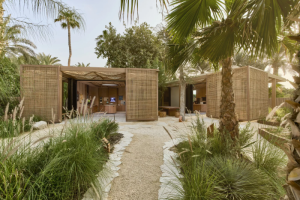 Μέσα στο Eco Village του Jumeirah: Ένα Βιώσιμο Ταξίδι στο Madinat Jumeirah">

Introducing Jumeirah Eco Village: A New Hub for Sustainability
Jumeirah has launched the Eco Village at Madinat Jumeirah, presenting a compelling new destination dedicated to sustainability. This initiative aims to showcase environmental protection, biodiversity, food security, and responsible production via engaging and educational experiences.
The Eco Village invites visitors on an immersive journey that highlights Jumeirah’s comprehensive efforts in conservation and sustainable hospitality, using both storytelling and interactive exhibits to deepen understanding and inspire action.
Immersive Conservation and Sustainability Experiences
The experience begins with a homegrown beehive that demonstrates the critical role of pollinators in biodiversity preservation. Moving forward, visitors encounter a hydroponic farm illustrating resource-efficient agriculture, emphasizing how sustainable food production integrates seamlessly with hospitality.
Among the standout features are Jumeirah’s marine conservation exhibits, including the Dubai Turtle Rehabilitation Project—an ongoing effort that has rescued and released over 2,300 turtles back to the Arabian Gulf since 2004. A coral restoration programme further enhances ocean stewardship, nurturing more than 1,400 coral fragments at the Jumeirah Al Naseem nursery and contributing to Dubai Reef’s vast offshore nursery initiative, home to over 3,000 coral fragments.
| Initiative | Details | Impact |
|---|---|---|
| Homegrown Beehive | Educates on pollinators’ importance for biodiversity | Raises awareness of ecosystem interdependency |
| Hydroponic Farm | Showcases sustainable and resource-efficient farming | Demonstrates food security in hospitality |
| Dubai Turtle Rehabilitation Project | Rescued, rehabilitated, and released 2,320+ turtles | Supports marine biodiversity in the Arabian Gulf |
| Coral Restoration Program | Nurseries nurturing coral fragments and reef translocation | Enhances marine ecosystem resilience |
From Waste Reduction to Circular Economy
The village underscores broader sustainability commitments, including waste reduction, circular economy practices, responsible sourcing, and decarbonisation initiatives. Guests actively participate in a plastic-repurposing workshop, where existing plastic waste is transformed into functional new objects within the innovative Jumeirah Recycle Hub, powered by a UAE-based climate tech start-up.
The Commitment Behind Eco Village
Leadership emphasizes a deep commitment to environmental stewardship across all destinations where Jumeirah operates, embracing sustainability as a core part of their global hospitality strategy. With the Eco Village serving as a long-term platform, it purposefully blends education, community engagement, and conservation efforts to generate meaningful and measurable impacts.
Educational Outreach and Community Partnerships
Building on this foundation, Jumeirah has teamed up with the environmental charity Ocean Generation to educate UAE schools on marine science, launching the UNESCO-endorsed Ocean Academy programme aimed especially at younger generations. This underlines the brand’s dedication to not only preserving ecosystems but also nurturing future stewards of the environment.
Historical and Global Context of Sustainable Tourism
Sustainability in tourism has evolved significantly over the past few decades. Initially, tourism development often favored large-scale, infrastructure-heavy projects known as “hard tourism,” which, while economically impactful, could strain local environments and communities.
More recently, there’s been a shift toward “soft tourism,” which harnesses local resources with lower environmental impact. This approach includes forms such as ecotourism, rural tourism, and community-based tourism, placing emphasis on preserving natural and cultural heritage while supporting economic sustainability.
Key Principles Guiding Sustainable Tourism Development
- Environmental Sustainability: Protection of biodiverse lands, waterways, and ecosystems to maintain long-term natural health.
- Social Sustainability: Preserving social structures and community ties, avoiding disruptions from external influences.
- Cultural Sustainability: Upholding cultural traditions, heritage, and local identity.
- Economic Sustainability: Ensuring tourism benefits local populations with minimal financial leakage.
Strategic Destination Management and Certification
Modern destinations increasingly adopt certifications and standards to communicate their commitment to sustainability and quality. These certifications influence visitor choices and encourage businesses and suppliers to raise their sustainable practices, fostering a healthy competition that benefits entire regions.
The Significance of Jumeirah Eco Village for Tourism and Boating Destinations
With sustainability becoming a pivotal factor in traveler decisions, destinations offering responsible tourism experiences are poised for growth. The introduction of Jumeirah Eco Village at a prominent luxury hospitality location highlights how integrated sustainability can elevate guest experiences.
Destinations known for boating, yacht charters, and seaside activities have a unique role to play in this evolving landscape. Marine conservation efforts like turtle rehabilitation and coral restoration directly impact the vitality of coastal and marine ecosystems, which are crucial for attractive and viable boating locales.
What This Means for Sailing and Boat Rentals
Marine preserves and clean, healthy waters enhanced by efforts like those at Eco Village help maintain pristine conditions for sailing and boating enthusiasts. Conscious travelers increasingly seek charter options that align with their values, favoring operators supporting conservation and sustainability.
Integrating sustainability into boating activities—from choosing eco-friendly marinas to supporting local conservation projects—strengthens the bond between tourism and environmental stewardship, ensuring that destinations remain attractive to both casual sailors and superyacht aficionados alike.
Looking Ahead: The Future of Sustainable Tourism
The growing momentum towards sustainable tourism practices offers an optimistic outlook. As educational initiatives expand and infrastructure adapts, destinations committed to sustainability can expect not only ecological benefits but also economic resilience and enhanced visitor satisfaction.
Efforts like Jumeirah Eco Village reflect a broader global trend where immersive, educational, and action-oriented tourism experiences become the norm rather than exceptions, encouraging travelers to become active participants in preserving the planet.
Summary of Key Points
- Jumeirah Eco Village is a new sustainability destination at Madinat Jumeirah offering immersive educational experiences.
- It highlights key initiatives in marine conservation, hydroponic farming, biodiversity, waste reduction, and circular economy.
- The project supports broader community engagements and partnerships in environmental education.
- Sustainable tourism balances environmental, social, cultural, and economic dimensions to protect destinations and enrich visitor experiences.
- Marine conservation enhances boating and sailing destinations by preserving underwater ecosystems vital for tourism and yachting industries.
- Global tourism trends increasingly favor destinations and experiences aligned with sustainability principles.
For those charmed by the sea, eager to sail or rent a yacht in vibrant and sustainably minded destinations, services like GetBoat.com provide an excellent gateway to find boats, yachts, and superyachts suitable for every taste and budget, supporting a greener future for boating and ocean adventures.