


 Ελληνικά
  English (UK)
  Русский
  العربية
  日本語
日本語  한국어
한국어  Magyar
  Türkçe
  Español
  Čeština
  Svenska
  Português
  Suomi
Suomi  Nederlands
  Română
  Italiano
  Français
  Polski
  Українська
  Deutsch
  简体中文
简体中文  Slovenčina
 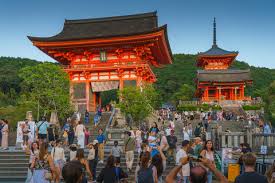 Η εξέλιξη του τουρισμού στην Ιαπωνία: Από πλήθη σε βιώσιμες εμπειρίες">

Μετασχηματισμός του Τουρισμού στην Ιαπωνία: Από τον Όγκο στην Αειφορία
Το τουριστικό τοπίο της Ιαπωνίας υφίσταται μια βαθιά μετατόπιση καθώς η χώρα απομακρύνεται από τους απλούς αριθμούς επισκεπτών προς ένα βιώσιμο μοντέλο που εστιάζει στην ποιότητα. Με την άνευ προηγουμένου αύξηση των επισκεπτών, ιδίως σε πόλεις όπως η Οσάκα, ο αντίκτυπος του εισερχόμενου τουρισμού προκαλεί μια αναθεώρηση του τρόπου με τον οποίο η Ιαπωνία διαχειρίζεται την παγκόσμια γοητεία της.
Προκλήσεις Υπερτουρισμού: Μια πιο Προσεκτική Ματιά στη Συμπεριφορά των Επισκεπτών
Μια ματιά σε δημοφιλείς περιοχές όπως οι εμπορικοί δρόμοι στην Οσάκα αποκαλύπτει το δίκοπο μαχαίρι της τουριστικής ανάπτυξης. Βραδινές σκηνές σε τοπικά σούπερ μάρκετ, γεμάτα όχι από κατοίκους αλλά από τουρίστες που μεταφέρουν αποσκευές και κυνηγούν εκπτωτικά γεύματα, υπογραμμίζουν τις μεταβαλλόμενες συνήθειες των επισκεπτών. Πολλοί ξένοι τουρίστες, καθοδηγούμενοι από οικονομικούς προβληματισμούς, έλκονται από επιλογές χαμηλού κόστους, συμπεριλαμβανομένης της μαζικής αγοράς έτοιμων φαγητών και κονσερβοποιημένων ποτών, αντανακλώντας μια μετατόπιση από υψηλού κόστους shopaholics σε πιο λιτούς ταξιδιώτες.
Αριθμός Επισκεπτών και Τάσεις Δαπανών
Οι αφίξεις επισκεπτών στην Ιαπωνία συνεχίζουν να αυξάνονται ραγδαία. Με πάνω από 31 εκατομμύρια τουρίστες μεταξύ Ιανουαρίου και Σεπτεμβρίου, σύμφωνα με τον Εθνικό Οργανισμό Τουρισμού της Ιαπωνίας, που αντικατοπτρίζει μια αύξηση σχεδόν 18% από έτος σε έτος, η Ιαπωνία βρίσκεται σε τροχιά να ξεπεράσει το προηγούμενο ρεκόρ της με σχεδόν 37 εκατομμύρια επισκέπτες. Η εξασθένηση του γιεν έχει καταστήσει την Ιαπωνία έναν ελκυστικό προορισμό οικονομικά, ενθαρρύνοντας περισσότερα ταξίδια από γειτονικές χώρες.
| Country | Επισκέπτες τον Σεπτέμβριο (εκατομμύρια) | Year-on-Year Growth |
|---|---|---|
| China | 0.7755 | 18.9% |
| South Korea | 0.6705 | 2.1% |
| Taiwan | 0.527 | 12.0% |
Παρά τη ραγδαία αύξηση των επισκεπτών, οι αλλαγές στις καταναλωτικές συνήθειες καταδεικνύουν μια ιστορία δύο ειδών τουριστών: ενώ οι συνολικές δαπάνες άγγιξαν τα περίπου 6,9 τρισεκατομμύρια γιεν (περίπου 44 δισεκατομμύρια δολάρια ΗΠΑ), οι κατά κεφαλήν δαπάνες μειώνονται σταθερά από το άνοιγμα της Ιαπωνίας μετά την COVID-19. Οι επισκέπτες πλέον ξοδεύουν πιο μετριοπαθώς για ψώνια και μεταφορές, μετατοπίζοντας την οικονομική εστίαση προς τα έξοδα διαμονής σε νεότερα ξενοδοχεία. Οι συχνές αναζητήσεις σε σούπερ μάρκετ για τρόφιμα σε έκπτωση υποδηλώνουν αυτά τα μεταβαλλόμενα πρότυπα κατανάλωσης.
Τουρισμός Βασισμένος στην Εμπειρία: Υπερβαίνοντας τις Καταναλωτικές Εξάρσεις
Η αναδυόμενη τουριστική δημογραφική ομάδα δίνει προτεραιότητα σε εμπειρίες που την εμπλουτίζουν, έναντι των υπερβολικών αγορών. Ακόμη και σε πολύβουες αγορές που κάποτε κεφαλαιοποιούσαν τις εισερχόμενες δαπάνες με υψηλές τιμές, υπάρχει μια αξιοσημείωτη στροφή προς πιο οικονομικά εστιατόρια και τοπική συμμετοχή. Ενώ η πανδημία έκλεισε πολλά καταστήματα, οι επιχειρηματίες έχουν στρέψει τις στρατηγικές τους ώστε να απευθύνονται και σε εγχώριους πελάτες. Ωστόσο, η λεπτή ισορροπία μεταξύ της εισροής επισκεπτών και της τοπικής οικονομικής υγείας παραμένει σε κίνδυνο εάν οι δαπάνες συνεχίσουν να μειώνονται.
Επιπτώσεις στις Τοπικές Κοινότητες και στο Περιβάλλον
Οι επιπτώσεις του υπερτουρισμού δεν είναι μόνο οικονομικές, αλλά και κοινωνικές και περιβαλλοντικές. Οι πολυσύχναστοι αστικοί χώροι και τα αξιοθέατα διαταράσσουν την καθημερινότητα των κατοίκων. Για παράδειγμα, η συμφόρηση στις σιδηροδρομικές διαβάσεις κοντά στο ιερό Fushimi Inari του Κιότο συχνά αφήνει τόσο τους ντόπιους όσο και τους επισκέπτες αποκλεισμένους. Σε μικρότερες πόλεις όπως το Koyasan, ο αριθμός των τουριστών μπορεί να αυξηθεί εκατοντάδες φορές σε σχέση με τον τοπικό πληθυσμό, δημιουργώντας ανησυχίες για την ασφάλεια, όπως η παρεμπόδιση των υπηρεσιών έκτακτης ανάγκης.
Κυβερνητικά Μέτρα και η Πορεία προς τον Βιώσιμο Τουρισμό
Αναγνωρίζοντας τις πιέσεις που ασκεί ο όγκος του τουρισμού, η Ιαπωνία διερευνά μέτρα όπως η αύξηση του φόρου διεθνούς τουρισμού για την άμβλυνση του υπερτουρισμού. Οι προτεινόμενες αυξήσεις θα μπορούσαν να τριπλασιάσουν τις τρέχουσες τιμές, χρηματοδοτώντας λύσεις για την εξισορρόπηση της επιρροής των επισκεπτών με την ποιότητα ζωής των κατοίκων. Ταυτόχρονα, οι σκέψεις περιλαμβάνουν τη διευκόλυνση των τελών διαβατηρίου για τους πολίτες, προκειμένου να ενθαρρυνθεί ο εγχώριος τουρισμός.
Η μελλοντική τουριστική πολιτική δίνει έμφαση ποιότητα έναντι ποσότητας. Αντί να επιδιώκεται απλώς η αύξηση του αριθμού των επισκεπτών, η ενίσχυση της αξίας και των δαπανών ανά ταξιδιώτη γίνεται υψίστης σημασίας – με στόχο τη δημιουργία ενός τουρισμού που σέβεται την πολιτιστική ακεραιότητα, την περιβαλλοντική βιωσιμότητα και την ευημερία της κοινότητας.
Η Εξέλιξη του Τουρισμού στην Ιαπωνία: Μια Σύντομη Ιστορική Αναδρομή
Η τουριστική βιομηχανία της Ιαπωνίας παραδοσιακά αντιμετώπιζε εμπόδια λόγω της γεωγραφικής της απομόνωσης και των αντιλήψεων για υψηλό κόστος. Η απομονωμένη διεθνής στάση της κατά την εποχή Τοκουγκάβα περιόρισε τα εξερχόμενα και εισερχόμενα ταξίδια, τα οποία επεκτάθηκαν σταδιακά μετά τη δεκαετία του 1960 με την οικονομική πρόοδο και τις προσπάθειες μάρκετινγκ. Μεγάλες εκδηλώσεις όπως το Παγκόσμιο Κύπελλο FIFA του 2002 και οι Θερινοί Ολυμπιακοί Αγώνες του 2020 στο Τόκιο ανέδειξαν την παγκόσμια απήχηση της Ιαπωνίας και τις πιθανές οικονομικές επιπτώσεις του τουρισμού.
Καθ' όλη τη διάρκεια αυτών των εξελίξεων, ο κλάδος κυμάνθηκε μεταξύ της μαζικής τουριστικής έκρηξης και των προσπαθειών δημιουργίας πιο βιώσιμων μοντέλων ανάπτυξης. Η περίοδος της πανδημίας λειτούργησε ως παύση, επιτρέποντας προβληματισμό σχετικά με τις κοινωνικοοικονομικές συνέπειες του ανεξέλεγκτου αριθμού επισκεπτών.
Κοιτάζοντας Μπροστά: Ο Ρόλος του Τουρισμού στην Παγκόσμια Θέση της Ιαπωνίας
Η Ιαπωνία πρωτοστατεί σε μια ουσιαστική μεταμόρφωση της διεθνούς τουριστικής στρατηγικής, μετατοπίζοντας την εστίαση από την προσέλκυση μεγάλου όγκου επισκεπτών στην καλλιέργεια ουσιαστικών, βιώσιμων ταξιδιωτικών εμπειριών. Αυτή η επαναρύθμιση ευθυγραμμίζεται με τις παγκόσμιες τάσεις που εκτιμούν τον πολιτιστικό σεβασμό, τον αντίκτυπο στην κοινότητα και την περιβαλλοντική διαχείριση.
Καθώς η Ιαπωνία προχωρά προς τον στόχο της να φιλοξενήσει 60 εκατομμύρια επισκέπτες με δαπάνες 15 τρισεκατομμυρίων ¥ έως το 2030, η έμφαση στην ενίσχυση της αξίας για τους επισκέπτες αντί της απλής αύξησης των αριθμών προσφέρει ελπίδα για μια πιο ισορροπημένη συνύπαρξη μεταξύ τουρισμού και καθημερινής ζωής.
Σύνδεση της Μετατόπισης του Τουρισμού με την Ιστιοπλοΐα και τις Ενοικιάσεις Σκαφών
Αν και κατά κύριο λόγο ένα ζήτημα που αφορά την ξηρά, η μεταμόρφωση του τουρισμού στην Ιαπωνία επηρεάζει έμμεσα μόνο θετικά τους ναυτικούς και ιστιοπλοϊκούς τομείς. Καθώς οι ταξιδιώτες αναζητούν ποιοτικές εμπειρίες κοντά στη φύση, οι προορισμοί με παραθαλάσσια τοπία, κρυστάλλινα νερά και λίμνες καθίστανται ολοένα και πιο ελκυστικοί. Οι δραστηριότητες ενοικίασης σκαφών και γιοτ σε παραθαλάσσιες πόλεις και γραφικά νησιά ενδέχεται να δουν αυξανόμενο ενδιαφέρον από τους τουρίστες που στοχεύουν να απολαύσουν γαλήνιες αποδράσεις μακριά από τα πολυσύχναστα αστικά κέντρα.
Οι μαρίνες, οι εκδρομές με ιστιοπλοϊκά και οι ενοικιάσεις σκαφών θα μπορούσαν να επωφεληθούν από αυτήν την αλλαγή τοποθετώντας τον εαυτό τους στο πλαίσιο των ευρύτερων προσπαθειών βιώσιμου τουρισμού της Ιαπωνίας, προσφέροντας στους επισκέπτες εναλλακτικούς τρόπους εξερεύνησης τοπίων και πλωτών οδών χωρίς να συμβάλλουν στον υπερτουρισμό σε πυκνοκατοικημένες αστικές περιοχές.
Summary and Conclusion
Η στροφή της Ιαπωνίας από ένα μοντέλο τουριστικής ανάπτυξης βασισμένο στον όγκο σε ένα μοντέλο εστιασμένο στην αειφορία αντιμετωπίζει κρίσιμες προκλήσεις που προκαλούνται από τον υπερτουρισμό, τις μεταβαλλόμενες οικονομικές πραγματικότητες και τις μεταβαλλόμενες προτιμήσεις των ταξιδιωτών. Με αριθμούς επισκεπτών που σπάνε ρεκόρ, που συνοδεύονται από πιο λιτές δαπάνες και υψηλότερη ζήτηση για αυθεντικές εμπειρίες, η μελλοντική πορεία περιλαμβάνει την εξισορρόπηση των οικονομικών οφελών με τις κοινωνικές και περιβαλλοντικές ευθύνες.
Αυτή η ισορροπημένη προσέγγιση είναι ζωτικής σημασίας όχι μόνο για τις μεγάλες πόλεις, αλλά υπόσχεται επίσης την επέκταση της ελκυστικότητας του θαλάσσιου τουρισμού της Ιαπωνίας, ενισχύοντας την ιστιοπλοΐα, τα γιοτ και τις ναυλώσεις σκαφών σε ήσυχους παράκτιους και παραθαλάσσιους προορισμούς. Οι επισκέπτες μπορούν να προσβλέπουν σε εμπλουτισμένες πολιτιστικές εμπειρίες παράλληλα με χαλαρωτικές θαλάσσιες δραστηριότητες που υποστηρίζονται από βιώσιμες τουριστικές πρακτικές.
Για όποιον ενδιαφέρεται να εξερευνήσει την αναζωογονημένη τουριστική σκηνή της Ιαπωνίας, το GetBoat Η πλατφόρμα προσφέρει μια εξαιρετική πύλη για την ενοικίαση ιστιοπλοϊκών σκαφών και θαλαμηγών που ταιριάζουν σε διαφορετικά γούστα και προϋπολογισμούς, συνδέοντας τους ταξιδιώτες με αξέχαστες περιπέτειες στον ωκεανό και τη λίμνη μέσα στην ομορφιά των παράκτιων υδάτων της Ιαπωνίας.