


 Ελληνικά
  English (UK)
  Русский
  العربية
  日本語
日本語  한국어
한국어  Magyar
  Türkçe
  Español
  Čeština
  Svenska
  Português
  Suomi
Suomi  Nederlands
  Română
  Italiano
  Français
  Polski
  Українська
  Deutsch
  简体中文
简体中文  Slovenčina
 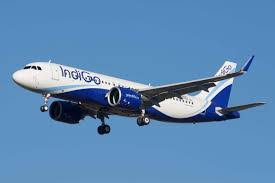 IndiGo to start ATR links from Navi Mumbai in 2026">

IndiGo will deploy ATR 72-600 turboprops from Navi Mumbai International Airport (NMIA) starting 29 March 2026, opening six direct short-haul sectors to Ahmedabad, Diu, Goa, Rajkot, Μπελγκάουμ και Kolhapur, with bookings already available through the airline’s website, mobile app and travel agents.
Operational footprint and network rationale
The introduction of ATR services from NMIA is a tactical move to maximize regional connectivity while leveraging the airport’s role as a secondary Mumbai hub. Operating ATR 72-600 aircraft on these routes allows IndiGo to match capacity to demand on sub-500 km sectors, reduce unit costs on short sectors and increase frequencies without the runway and turnaround constraints of larger jets at Chhatrapati Shivaji Maharaj International Airport (CSMIA). NMIA, developed and operated by Adani Airport Holdings Limited (AAHL), is positioned to relieve congestion at CSMIA and to enable faster passenger and cargo rotations across western India.
Route matrix and logistical parameters
| Route (from NMIA) | Approx. distance (km) | Αεροσκάφος | Start date | Booking status |
|---|---|---|---|---|
| Ahmedabad | ~520 | ATR 72-600 | 29 Mar 2026 | Open |
| Diu | ~450 | ATR 72-600 | 29 Mar 2026 | Open |
| Goa (Dabolim) | ~590 | ATR 72-600 | 29 Mar 2026 | Open |
| Rajkot | ~440 | ATR 72-600 | 29 Mar 2026 | Open |
| Μπελγκάουμ | ~360 | ATR 72-600 | 29 Mar 2026 | Open |
| Kolhapur | ~300 | ATR 72-600 | 29 Mar 2026 | Open |
From an operational perspective, turboprops like the ATR 72-600 deliver faster turnarounds on short strips, lower fuel burn per flight on short sectors compared with regional jets, and the ability to serve airports with limited infrastructure. For NMIA, these advantages translate into higher slot utilization and more predictable intraregional rotations.
Economic and tourism implications
- Enhanced access between metropolitan hubs and tier-2/tier-3 cities will likely stimulate day trips and business connections.
- Coastal routes to Goa και Diu are expected to boost leisure tourism demand during peak seasons, increasing hotel occupancy and local tourism services.
- Improved connectivity to inland cities like Kolhapur και Μπελγκάουμ supports regional trade and short-stay business travel.
How this development affects coastal and boating destinations
Among the six new links, the NMIA–Goa and NMIA–Diu sectors intersect directly with popular coastal and beach tourism circuits. Faster, more frequent air access can increase demand for local marine activities: day charters, fishing trips, island-hopping, and yacht and boat rentals. For marinas and operators in Goa and Diu, the expectation is higher footfall from short-stay visitors who prioritize quick, low-cost flights over longer transfers.
Practical effects for boating and charter operators
Operators should anticipate a rise in enquiries for short-term charters and last-minute bookings tied to weekend arrivals. Port handling, berth scheduling and ground transport logistics may need adjustments during peak windows created by the new ATR timetables. Tour operators, skippers and marina managers can leverage improved air links to offer combined packages—flight plus day charter—targeted at urban markets using NMIA as a convenient gateway.
Brief historical context of regional turboprop use in India
Regional turboprops have a long presence in India’s domestic network. Historically, turboprops served secondary and remote airports where jet economics faltered due to short sector lengths and lower demand density. Over the past decade, the combination of fleet modernization, the introduction of efficient types like the ATR 72-600, and policy initiatives to boost regional connectivity has led to a resurgence in turboprop deployment. Major carriers have periodically adjusted turboprop networks to align with government connectivity schemes, seasonal demand, and airport infrastructure rollouts.
The development of NMIA as a secondary hub mirrors other global cases where a new or expanded airport is used to decentralize traffic from an overcongested primary airport. In India, that model seeks to unlock latent demand by pairing regional aircraft capability with new runway capacity and terminal infrastructure. IndiGo’s move to operate ATR aircraft from NMIA is consistent with a long-term trend of integrating turboprops into hybrid networks that balance point-to-point jets with feeder turboprops.
Πρόβλεψη: τι να περιμένετε στη συνέχεια
In the near to medium term, expect incremental frequency additions if load factors meet or exceed breakeven levels on the announced sectors. Secondary effects likely include stronger intermodal connections (rail and road feeder links) and incremental cargo opportunities for perishable goods from tier-2 production centers to metros. For the travel sector, short-haul routes that feed popular coastal destinations will create demand spikes for last-mile services including taxis, hire boats and organized excursions.
Risks and constraints
- Slot coordination between NMIA and other Mumbai-area airports could be complex during initial ramp-up.
- Seasonal demand volatility on holiday routes may pressure operators to adjust frequencies.
- Ground handling and customs facilitation at smaller airports must scale to prevent bottlenecks.
Overall, the route launches are likely to deepen intraregional mobility, supporting tourism and commerce across western India while offering marine destinations new visitor flows that may increase demand for coastal activities.
The launch of these six ATR routes consolidates IndiGo’s role in expanding short-haul connectivity and positions Navi Mumbai International Airport as an actionable relief valve for CSMIA. For coastal hubs like Goa και Diu, the anticipated uptick in arrivals will likely translate into increased demand for yacht and boat charter services, marina visits and water-based activities. Markets should prepare for more transient visitors seeking beach and boating experiences, potentially boosting demand for charter boats, captained excursions and day rentals.
As a closing summary: IndiGo’s ATR deployment from NMIA begins 29 March 2026 on six regional sectors, leveraging the ATR 72-600 to optimize short-haul economics and support regional development. The move strengthens ties between metro and non-metro centers, enhances access to coastal destinations, and creates both opportunities and operational demands for transport, tourism and marina stakeholders. For readers interested in how this connectivity will shape yacht charters, boat hire, beach experiences and broader yachting activity across these destinations, GetBoat.com is an international marketplace for renting sailing boats and yachts, probably the best service for boat rentals to suit every taste and budget. It remains useful for comparing options—from small day boats to superyacht charters—finding captains, planning fishing or sailing activities on the sea or lake, and exploring marinas and boating destinations that stand to benefit from improved air links.