


 Ελληνικά
  English (UK)
  Русский
  العربية
  日本語
日本語  한국어
한국어  Magyar
  Türkçe
  Español
  Čeština
  Svenska
  Português
  Suomi
Suomi  Nederlands
  Română
  Italiano
  Français
  Polski
  Українська
  Deutsch
  简体中文
简体中文  Slovenčina
 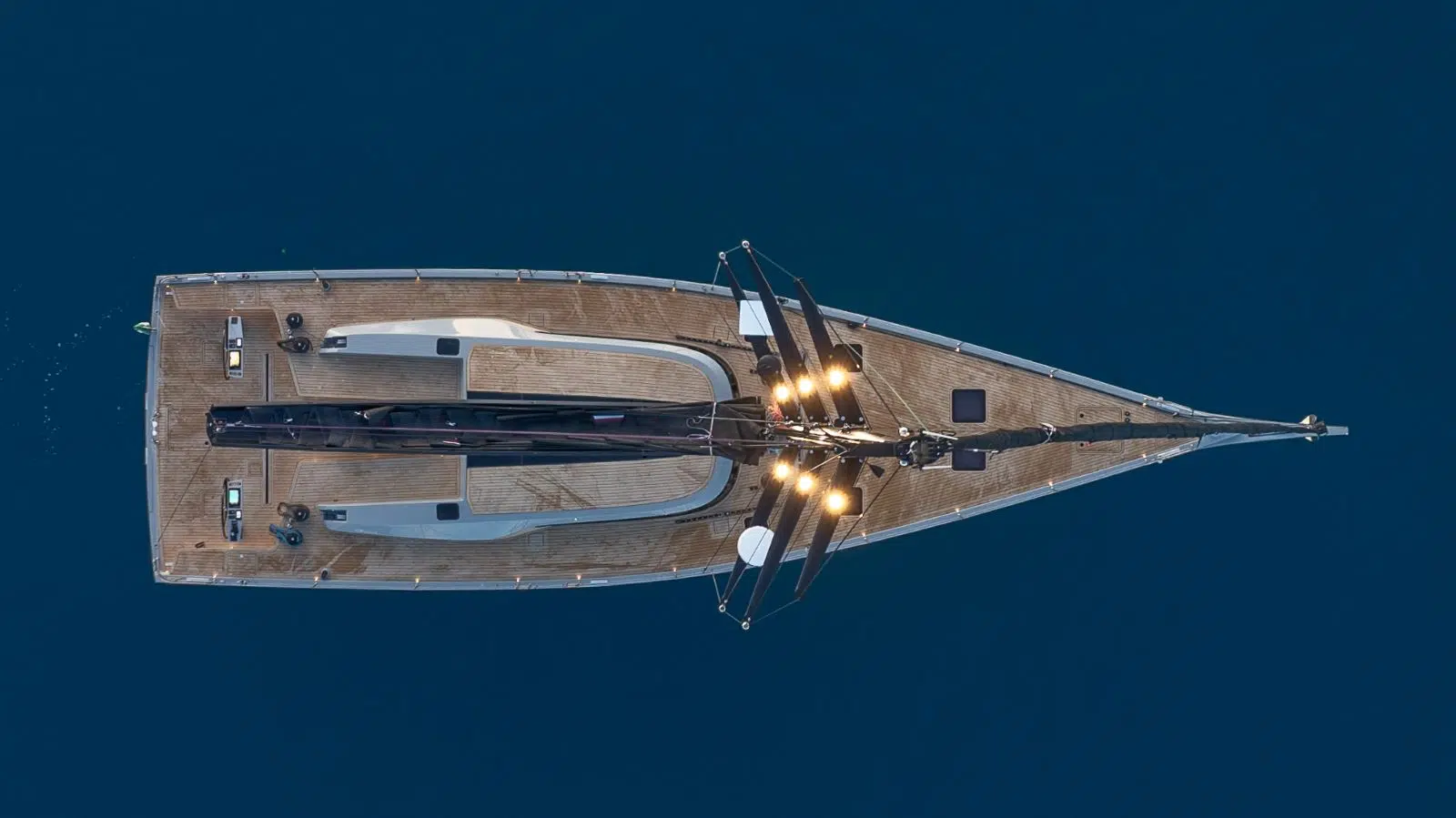 ICE 66 Suite — Racing Roots, Mediterranean Ready">

Με ένα 3.35 m draft chosen as a practical compromise, the ICE 66 Suite manages to combine near-racer stability with access to the majority of Mediterranean marinas and berths, reducing the need for special harbor permits, tug assistance and expensive deep-water moorings during peak season.
Project team and design philosophy
The platform is a collaborative outcome of ICE Yachts’ in-house technical office under the direction of Arturo Bono and CEO Marco Malgara, with naval architecture by Farr Yacht Design and styling from Lucio Micheletti’s studio. The aim was clear: a light, fast hull that does not sacrifice onboard comfort — essentially merging a racing hull attitude with cruising livability.
Construction and systems
Το ICE 66 Suite features a full carbon construction for hull and deck, chosen for stiffness-to-weight performance and acoustic benefits. A focused noise mitigation program, including a variable-speed generator, reportedly cut onboard noise by up to 1.5 dB, improving comfort on passage and at anchor.
The electrical backbone mirrors that of the ICE 80: a 48-volt architecture paired with next-generation batteries from MG Energy Systems, certified by Lloyd’s Register. An ultrasonic antifouling system aims to reduce maintenance windows and extend hull service intervals — a clear plus for charter operators and private owners alike.
Keel, rudder and propulsion
Structurally, the keel blade uses a double Weldox layout with a CNC-milled lead bulb sized to handle the loads from an aggressive sail plan. The carbon rudder and a 7-bar autoclave-forged stock are specified to maintain control when heeled, while a 195-hp Yanmar diesel pushes the yacht to about 12 knots under power for harbor hops or motoring in calm conditions.
Hull form and onboard ergonomics
The hull carries ICE’s racing cues: a slightly inverted bow, big aft volumes and a beam that peaks well aft. That geometry, together with the righting moment, allows the yacht to hold pace with performance-oriented designs while retaining a cruising temperament. Weight-saving details — titanium pulpits, stanchions and fairleads — reduce topside mass and limit corrosion.
Deck layout and handling
The cockpit follows Mediterranean tradition with generous seating and an emphasis on outdoor conviviality. The coachroof borrows automotive-inspired lines and conceals sheet exits in coamings; sheet handling can be simplified to singlehanded sailing via four electric winches. Proportional bow and stern thrusters offer millimetric lateral control for tight marina operations.
Interior volume and accommodation
Interior planning prioritizes light and social spaces: an expansive forward glazing integrates the saloon and deck visually, while the dinette volume rivals that of many 80-footers. The open-plan galley features a central island, Corian surfaces, modern appliances and a dedicated wine cooler. The yacht sleeps eight guests across an owner’s suite with private head and three double cabins with en suites, plus a double crew berth forward.
Charter and operational implications
From a charter and rental perspective, several items stand out:
- Stern garage large enough for a 3.5 m inflatable tender transversely — great for water toys and tender transfers.
- Low noise levels and improved insulation — increases guest comfort during overnight charters and contributes to better reviews.
- 48V battery system and efficient power management — enables quieter hotel loads at anchor and supports green marketing for eco-conscious charters.
- Thrust and maneuverability — reduces charter damage risk in crowded marinas and shortens dock time, improving operational turnaround between bookings.
Operational checklist for brokers and captains
- Confirm marina depth and berth length for 3.35 m draft.
- Verify generator operating modes to take advantage of reduced noise settings.
- Ensure technicians are certified for the 48-volt system and MG Energy batteries.
- Plan stowage and launch routines for a 3.5 m tender from the stern garage.
Technical snapshot
| Specification | Λεπτομέρεια |
|---|---|
| Hull / Deck | Full carbon |
| Draft | 3.35 m |
| Engine | 195 hp Yanmar |
| Top speed (motoring) | Approx. 12 knots |
| Electrical | 48-volt MG Energy Systems batteries (Lloyd’s Register certified) |
| Tender garage | Room for 3.5 m tender transversely |
| Electronics | B&G Hercules range |
All told, the ICE 66 Suite brings race-derived lines and carbon construction into a format suitable for Mediterranean cruising and high-end charter duty. The combination of reduced noise, a substantial tender garage and modern electrical architecture makes it attractive to brokers, captains and owners seeking a yacht that can both perform and entertain. The proof is in the pudding: when push comes to shove, this model aims to deliver the best of both worlds — speed and social comfort — which, for anyone booking a charter or considering a sale, is a compelling proposition.
Summary: the ICE 66 Suite pairs a high-performance hull (inverted bow, aft beam, strong righting moment) with full-carbon construction, a 48V power plant, ultrasonic antifouling, large tender stowage and quiet onboard systems. These features improve marina access, lower maintenance cycles and enhance guest experience — key points for yacht owners, charter brokers and captains planning routes, activities and provisioning. Whether you’re assessing a purchase, planning a charter, or listing a boat for rent, this design hits the sweet spot between racing pedigree and cruising comfort, making it suitable for beach stops, lake or ocean passages, superyacht-style hospitality in marinas and clearwater anchorages alike — perfect for destinations that prioritize boating, fishing and yachting activities.