


 Ελληνικά
  English (UK)
  Русский
  العربية
  日本語
日本語  한국어
한국어  Magyar
  Türkçe
  Español
  Čeština
  Svenska
  Português
  Suomi
Suomi  Nederlands
  Română
  Italiano
  Français
  Polski
  Українська
  Deutsch
  简体中文
简体中文  Slovenčina
 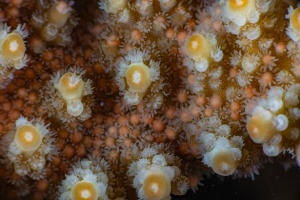 Θαυματουργό Ετήσιο Γεγονός Αναπαραγωγής Κοραλλιών του Μεγάλου Κοραλλιογενούς Υφάλου">

Amesmerizing Marine Display: Coral Spawning on the Great Barrier Reef
Under the shimmering waters of the Great Barrier Reef, a remarkable natural phenomenon unfolds every year: synchronized coral spawning. This dazzling underwater event, often referred to as an underwater “snowfall,” sees clouds of coral eggs and sperm released in perfect harmony, covering large portions of the 2600 km long reef in a magical display of new life. Alongside corals, giant clams, molluscs, gastropods, and a variety of other marine species join in this spectacular reproductive event, marking one of the ocean’s most breathtaking scenes.
During the recent December spawning season, designated marine biology teams closely monitored the event at several key locations, like Moore Reef and Lady Elliot Island. Witnesses describe the experience as a sensory explosion: visibility under the water completely obscured by swirling pink clouds of life forms, resembling a vibrant underwater blizzard. The surge of spawning activity triggers a feeding frenzy among reef inhabitants—worms, sea cucumbers, crustaceans, and more—highlighting the reef’s dynamic ecosystem and its ongoing vitality.
Why Coral Spawning Happens in Two Phases
The Great Barrier Reef exhibits two distinct spawning windows, generally triggered by moonlight and water temperature cues:
- Early season spawning in November, often by certain coral species beginning the cycle.
- The main, large-scale synchronized spawning event in December, when the majority of corals release their eggs and sperm simultaneously.
Various coral species follow slightly different biological clocks, with some being simultaneous hermaphrodites, releasing both eggs and sperm to increase reproductive success. Others stagger their spawning or reproduce asexually, creating a complex but well-timed reproductive orchestra that ensures the reef’s resilience and regeneration.
A Closer Look: The Science and Importance of Coral Spawning
Coral spawning is primarily influenced by two environmental triggers: water temperature and the lunar cycle. Typically, spawning occurs one to six nights after the full moon during the warmer months of October to December. Different segments of the reef participate at various times—the shallow northern reefs start earlier, while the southern parts tend to spawn later.
Once released, the coral sperm fertilize the eggs, producing tiny larvae called planulae. These larvae drift on ocean currents before settling onto suitable reef surfaces to form new coral colonies, essential for maintaining and expanding the reef’s vibrant underwater architecture. Spawning often happens at night as a survival strategy, with many marine creatures spawning simultaneously to overwhelm predators and ensure maximum survival of offspring.
The Role of Conservation and Monitoring
Dedicated marine biology teams perform ongoing biodiversity surveys and long-term reef monitoring to gather critical data on coral health and spawning success. Such data are invaluable for understanding how the reef copes with environmental pressures, including temperature fluctuations and other potential disturbances. Positive signs like large-scale spawning indicate healthy, resilient coral populations capable of adapting over time, even in the face of evolving environmental challenges.
Efforts extend beyond monitoring to include sustainability and education initiatives on islands such as Lady Elliot. Revegetation and environmental stewardship programs reduce ecological footprints and help restore marine habitats, directly contributing to the strength and vigor of coral communities. These combined actions showcase how active human involvement and informed conservation work hand in hand to preserve one of the world’s greatest marine treasures.
The Great Barrier Reef: A Living Legacy
The Great Barrier Reef is more than just an extensive coral system—it’s a complex ecosystem home to a dazzling array of marine life, including over 350 coral species alongside anemones, worms, crustaceans, and countless fish varieties. This reef has evolved over millions of years, growing atop a shallow continental shelf with ideal temperature conditions—generally above 21° Celsius—that allow these delicate organisms to thrive.
Historically, the reef’s formation and ongoing evolution have been studied extensively, from Captain James Cook’s early encounters to modern scientific expeditions like the Great Barrier Reef Expedition of 1928-29. These research efforts deepened understanding of coral physiology, reef ecology, and the factors shaping this unique underwater world. Today, advanced laboratories continue to explore the reef’s biology and assist in shaping conservation strategies.
Understanding Different Reef Types
The Great Barrier Reef is a mosaic of various reef types, with fringed reefs building close to shorelines, barrier reefs standing several kilometers offshore separated by lagoons, and complex atolls and patch reefs dotting the area. Coral islands and cays formed from accumulated skeletal material and sand provide critical habitats for both marine and terrestrial species. The reef’s interaction with tidal currents, waves, and sediment movement shapes its diverse landscapes, offering both shelter and challenges to its inhabitants.
Looking Ahead: Coral Spawning and Tourism Prospects
Coral spawning is not only a crucial event for marine life continuity but also a spectacular draw for tourism, particularly in regions famed for their marine biodiversity. The timing and visibility of these mass spawnings can spark incredible experiences for divers and snorkelers, eager to witness this fleeting natural marvel firsthand. As such, areas like the Great Barrier Reef serve as pinnacles of marine tourism, hosting visitors seeking adventurous underwater activities combined with education and conservation awareness.
With the rise of sustainable tourism and increased interest in marine exploration, sailing and yacht charters around the reef offer unique vantage points to observe this event and engage with the ecosystem responsibly. Boat rentals equipped with knowledgeable captains provide access to secluded snorkeling sites and protected anchorages, blending leisure with environmental appreciation.
Table: Key Coral Spawning Facts
| Aspect | Details |
|---|---|
| Spawning Trigger | Water temperature & lunar cycle |
| Timing | 1 to 6 nights after full moons (Oct-Dec) |
| Main Reef Zones | North spawns earlier; south spawns mainly in December |
| Organisms Involved | Corals, giant clams, molluscs, gastropods, other invertebrates |
| Ecological Significance | Reef regeneration and food source spike for marine species |
Conclusion: The Great Barrier Reef’s Coral Spawning Holds Vital Marine and Tourist Value
The Great Barrier Reef’s annual coral spawning is a powerful reminder of nature’s rhythm and resilience. This spectacular event supports the ongoing health of one of the planet’s most complex and beautiful ecosystems, while also offering captivating experiences for tourists drawn to the magic beneath the waves. Continued scientific monitoring and conservation efforts ensure that these underwater marvels remain vibrant for generations to come.
For those intrigued by marine adventures or yacht charters around extraordinary coral environments, the reef presents prime opportunities to combine eco-friendly boating with unforgettable natural spectacles. Services like GetBoat.com provide access to a vast selection of sailing yachts and boats perfect for exploring these remarkable waters. Whether seeking a peaceful day on a secluded beach or an exhilarating dive amid coral colonies, the Great Barrier Reef remains an unmissable destination for ocean lovers and sailing enthusiasts alike.