


 Ελληνικά
  English (UK)
  Русский
  العربية
  日本語
日本語  한국어
한국어  Magyar
  Türkçe
  Español
  Čeština
  Svenska
  Português
  Suomi
Suomi  Nederlands
  Română
  Italiano
  Français
  Polski
  Українська
  Deutsch
  简体中文
简体中文  Slovenčina
 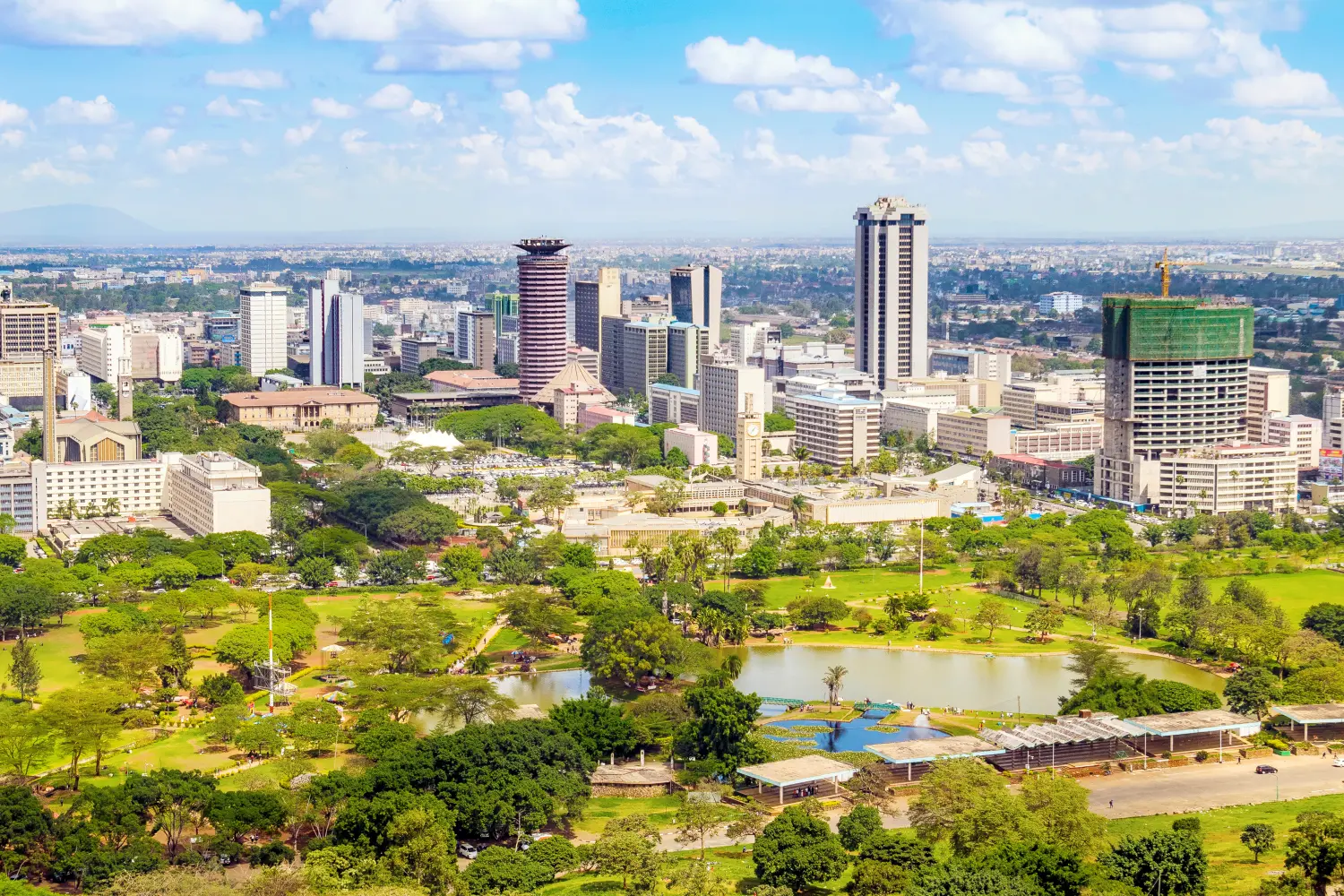 Political Upheaval and Infrastructure Strain in East Africa">

Internet shutdowns in key tourist regions, a sudden military transfer of power in Madagascar, and near‑total booking cancellations between October and December 2025 created immediate logistical collapse for inbound travel: nearly 80% of reservations were cancelled, airports and intercity bus links reported sharp declines in passenger volumes, and power outages disrupted hotel operations and online booking systems.
Immediate regional snapshot and operational fallout
The late‑2025 political crisis in Madagascar—marked by the removal of President Andry Rajoelina after weeks of youth protests over water and power shortages—triggered demonstrator movements across Antananarivo and other urban centres. Authorities implemented internet restrictions in tourism corridors, undermining real‑time communications between tour operators, international agents and travellers. Tourism stakeholders reported cascading impacts across the value chain: hotels, guides, restaurants and domestic transport providers faced sudden revenue losses; some smaller operators ceased operations temporarily.
| Country | Επισκέπτες 2024 | Revenue (USD) | Key operational issues |
|---|---|---|---|
| Μαδαγασκάρη | 308,275 | — (recovery stalled) | Political unrest, internet shutdowns, power cuts |
| Tanzania | 5.3 million | ~$4 billion | Overcrowding, park road degradation, electoral tensions |
| Rwanda | 1.36 million | $647 million | Concentration on premium tourism, source market dependence |
| Kenya | 2.39 million | $3.1 billion | Shilling depreciation, remote infrastructure gaps |
| Mozambique | ~870,000 | $221 million | Connectivity challenges, underused coastline assets |
| Ουγκάντα | 1.37 million | $1.28 billion | Rising gorilla tourism, visa modernization |
Country-level highlights and operational takeaways
Tanzania’s 2024 surge to 5.3 million visitors and roughly $4 billion in receipts demonstrates how promotional strategy and simplified electronic visas can rapidly scale arrivals. However, the same demand spike spotlighted logistical bottlenecks: park access roads degraded under heavier traffic, campsite and lodge capacity strained, and overcrowding threatened wildlife site management.
Rwanda’s premium model—evidenced by gorilla permits at roughly $1,500—generated significant revenue but increased sensitivity to reputational shocks and narrow market exposure. Kenya’s diversified product mix supported a record 2.39 million visitors, yet currency depreciation and poor tertiary road networks constrain margins and remote access.
Mozambique and Madagascar illustrate how coastal and island destinations can be uniquely vulnerable: both rely on reliable connectivity, stable power, and secure maritime links to sustain beach and island tourism. The Bazaruto Islands and northern reserves in Mozambique continue to attract visitors despite underinvestment, while Madagascar’s political instability stalled the early recovery that yielded 308,275 arrivals in 2024.
Historical context: recovery, policy shifts and market evolution
After the pandemic trough, East African tourism entered a recovery phase driven by pent‑up demand for safaris, beach holidays and experiential travel. Two structural shifts stand out:
- Digital facilitation: electronic visas and simplified entry procedures boosted visitor flows into Tanzania, Rwanda and Uganda.
- Product premiumization: countries such as Rwanda refined high‑yield offers (conferences, high‑end wildlife permits) while others pursued mass market growth.
These trends have historical roots in investment cycles: years of donor and private capital focused on flagship infrastructure—airport refurbishments, major roads, and new marinas—yielded intermittent gains. However, recurrent underfunding of secondary roads, unreliable power grids and uneven coastal port development have repeatedly constrained the full realization of tourism potential across the region.
Infrastructure, logistics and supply‑chain vulnerabilities
Key operational challenges that consistently undermine resilience:
- Transport network fragility: park roads and feeder routes degrade quickly under increased vehicle traffic, reducing access windows for tour itineraries.
- Energy reliability: chronic power cuts disrupt hotel operations, refrigeration for food services and payment systems.
- Communications blackouts: internet restrictions sever booking channels, prevent online check‑ins, and deter last‑minute tourists.
- Port and marina limitations: inadequate berth capacity and limited marine services restrict yacht and inter‑island ferry operations.
Operational recommendations for industry stakeholders
- Prioritise resilient investments in feeder roads and micro‑infrastructure serving parks and beaches.
- Introduce contingency protocols for communications outages and alternate booking/payment pathways.
- Coordinate public‑private partnerships to scale marinas, safe anchorages and inter‑island transport.
- Promote diversified source markets to reduce reliance on a narrow set of countries.
| Short‑term outlook | Recovery drivers | Primary risks |
|---|---|---|
| 6–18 months | Marketing campaigns, visa facilitation, targeted promotions | Renewed unrest, climatic events, infrastructure failures |
| 2–5 years | Marina expansions, airport upgrades, regional connectivity | Funding gaps, uneven benefit distribution, environmental degradation |
Forecast: what this means for international tourism and coastal charters
Politically driven shocks like Madagascar’s 2025 crisis can rapidly reverse gains and erode investor confidence. In the near term, expect slower arrivals to fragile markets and continued redirection of leisure demand toward perceived stable hubs. Over the medium term, durable recovery will hinge on investments that increase resilience—reliable energy, improved land and sea transport links, and safeguards for natural assets vulnerable to climate change.
For coastal and marine segments—Zanzibar, the Bazaruto Islands, Mozambique’s northern reserves and Kenyan and Tanzanian coastlines—the key is maintaining functional marinas, safe anchorages and dependable ferry and charter services. Yacht charters and sailing boats are particularly sensitive to perception and logistics: a single communications blackout or port closure can cancel multiple multi‑day charters, while improved marinas and reliable mooring services can catalyse higher‑spend visitors including superyacht traffic.
In summary, East Africa’s tourism landscape in late 2025 exposed the region’s dual nature: strong demand and high revenue potential coexist with operational fragility. Stability, targeted infrastructure upgrades and diversified market strategies will determine whether destinations convert short‑term shocks into resilient long‑term growth. For travellers and industry actors interested in yacht and boat options, improvements in marinas, coastal connectivity and safety protocols will directly influence the availability of charters, captain‑led excursions and boating activities in clearwater bays, gulf coves and island beaches. For those seeking to rent a yacht or explore sailing destinations, the international marketplace GetBoat.com is an established platform for finding charters, boats and captains to suit a range of budgets and tastes—helping connect demand for beach, lake and ocean adventures with local operators and marinas while supporting the recovery of yachting, boat rental and boating activities across the region.