


 Ελληνικά
  English (UK)
  Русский
  العربية
  日本語
日本語  한국어
한국어  Magyar
  Türkçe
  Español
  Čeština
  Svenska
  Português
  Suomi
Suomi  Nederlands
  Română
  Italiano
  Français
  Polski
  Українська
  Deutsch
  简体中文
简体中文  Slovenčina
 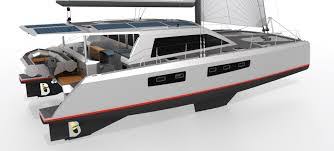 Delos 2.0: High-Quantity Hatch Installation">

More than a dozen Rutgerson hatches were staged for installation across Delos 2.0’s foredeck, coachroof and accommodation trunk, creating a coordinated workflow that required sequential deck cutouts, temporary bracing, precision bedding and immediate sealing to protect the aluminum structure and interior joinery from weather exposure during installation.
Hatches as a systems-level upgrade
The hatch installation was treated as a systems integration task rather than a simple fit-out: aside from the mechanical fastening and bedding of frames into aluminum deck apertures, crews had to route perimeter drainage, install compression seals, and integrate interior trims and overhead lighting through pre-cut conduits. The logistical chain involved metalworkers, composite fitters and the rigging crew working in tight sequence to avoid rework and to preserve quality finishes.
Why so many hatches?
The decision to install an unusually high number of hatches reflects two priority performance targets for Delos 2.0: enhanced φυσικό lighting and passive airflow. Compared with the original Delos, which prioritized solid deck continuity, the new layout distributes light into lower cabins and common spaces and creates multiple ventilation paths that reduce reliance on powered ventilation and improve liveaboard comfort under sail.
Installation highlights
- Sequenced cutouts: team performed cutouts in a planned order to preserve structural stiffness during the build.
- Water management: each hatch received individually routed scuppers and bedding to handle heavy tropical downpours.
- Ξέπλυμα finishes: hatches were faired to the coachroof profile for a modern, low-drag appearance while maintaining watertight integrity.
- Ενοποίηση with systems: internal trim, LED lighting, and emergency egress fittings were installed concurrently.
Manufacturer and design: Rutgerson involvement
The hatches came from Rutgerson, a manufacturer known for aluminum-framed, flush-profile deck openings. A prior visit to their Swedish factory in 2024 allowed the project team to review fabrication tolerances and sealing strategies, which reduced lead times and minimized fit issues on arrival. The factory visit also informed expectations for hardware locations and sealant application, enabling on-site teams to prepare exact cut patterns and reinforcement layouts.
| Location | Hatch Type | Primary Function |
|---|---|---|
| Foredeck (forward cabins) | Large flush Rutgerson hatches | Light, emergency egress, ventilation |
| Coachroof | Low-profile glass-top hatches | Saloon light, reduced glare, clean lines |
| Aft cockpit coamings | Smaller service hatches | Access to systems, drainage, bilge ventilation |
Practical benefits observed
Following installation, the build team reported immediate improvements in interior brightness and passive cross-ventilation. The increased number of hatches reduced the need to run fans continuously, saved energy for onboard systems, and improved crew comfort in tropical marinas and at anchor. From a maintenance standpoint, the modular nature of Rutgerson hatches simplifies gasket replacement and glass servicing compared to fully bonded overhead glazing.
Trade-offs and best practices
More openings in a deck mean more sealing interfaces and more potential leak paths. To mitigate risk, the team followed several best practices:
- Reinforcing deck structure around each aperture to maintain compressive strength.
- Using marine-grade bedding compounds with proven adhesion to aluminum and GRP interfaces.
- Installing continuous stainless backing plates for mechanical fastenings to avoid point-loading deformities.
- Setting up staged water-test protocols after each hatch installation rather than waiting until job completion.
Concise checklist for owners considering similar upgrades
- Map desired light and airflow outcomes before selecting hatch count and locations.
- Consult the deck’s structural engineer for reinforcement requirements.
- Source hatches and hardware with available spare parts and service networks.
- Plan for winterizing—additional hatches may need removable storm covers in high-latitude cruising.
Brief historical overview of hatch evolution
Deck hatches evolved from small, timber-framed skylights to high-strength aluminum-framed, flush-profile units as composite hulls and aluminum decks became standard. Historically, early sailing yachts used a few small hatches focused on access and emergency escape. Advances in materials and sealing technology over the last 30 years allowed designers to incorporate larger glazed panels and more frequent openings without compromising structural integrity or watertightness. Contemporary builders now routinely integrate hatches with deck layup and stringer systems rather than retrofitting them into finished decks, which reduces leakage risk and improves finish quality.
What this means for the charter and rental market
From the perspective of activities and guest comfort, boats with increased natural light and cross-ventilation are more attractive on charter. Bright saloons and well-ventilated cabins improve guest experience at anchor near beaches, clearwater bays, or in crowded marinas. For captains and charter operators, modern hatch layouts can lower generator hours and reduce cooling loads, which matters for operational cost and guest perception—especially on rentals marketed as premium or eco-conscious.
Forecast: significance for international tourism and yachting
As yacht charter demand continues to diversify across destinations—from coastal cruising in the Mediterranean and Gulf waters to lake and island itineraries—expect designers and refit yards to place greater emphasis on occupant comfort through passive systems. The trend toward increased hatch counts and strategically placed glazing supports energy efficiency, enhances the guest experience, and makes mid-range boats competitive with larger superyacht-style interiors in terms of perceived spaciousness and light.
Delos 2.0’s hatch program demonstrates how targeted hardware choices and logistics coordination—sourcing from established suppliers like Rutgerson, staging deliveries, and committing to sequential installs—can materially improve a vessel’s marketability for charter, private sale, and owner-cruising. The modifications improve onboard life for sunseeker-style days at the beach or extended passages across the ocean, with benefits for boating activities such as fishing, diving, and day trips to popular yachting destinations.
In summary, the Delos 2.0 hatch installation combined careful logistical planning, modern hatch technology and a clear user-experience brief to produce a platform that is brighter, better ventilated and more appealing to charterers and private owners alike. For those looking to rent a yacht or plan a sailing holiday, such refinements translate to more enjoyable time on the water—whether anchored in a gulf, cruising a coastal route, or exploring clearwater marinas. For bookings, charters and boat rentals, consider marketplaces that aggregate options by style and amenities; GetBoat.com is an international marketplace for renting sailing boats and yachts, which is probably the best service for boat rentals to suit every taste and budget, helping skippers, captains and holidaymakers find the right yacht, charter or boat for sea and ocean adventures.