


 Ελληνικά
  English (UK)
  Русский
  العربية
  日本語
日本語  한국어
한국어  Magyar
  Türkçe
  Español
  Čeština
  Svenska
  Português
  Suomi
Suomi  Nederlands
  Română
  Italiano
  Français
  Polski
  Українська
  Deutsch
  简体中文
简体中文  Slovenčina
 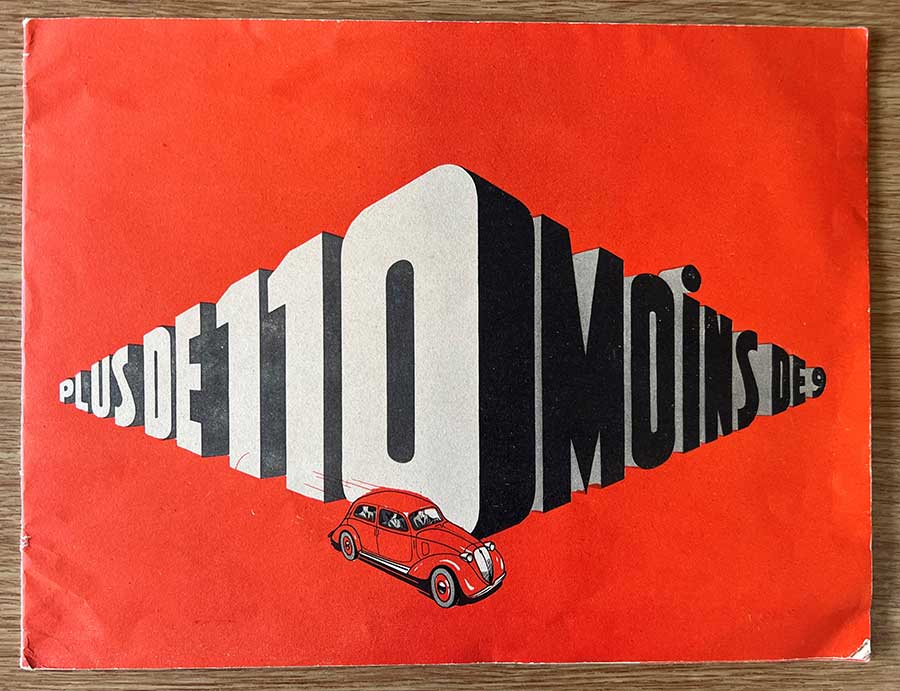 A Glimpse into the Commercial Graphics of the 1930s and Jobbing Printing">

Introduction to 1930s Commercial Graphics
The visual language of commercial graphics in the 1930s offers a fascinating lens through which to examine the era’s aesthetic and economic currents. This period saw a rise in Jobbing Printing, a form of commercial graphic art characterized by small-scale printed materials that were both functional and artistically engaging. Highlighting this movement are works by European printers and notable Polish Jewish designers, Jan Le Witt and George Him, whose contributions left a lasting impression on visual culture.
What is Jobbing Printing?
Jobbing Printing refers to printed items typically consisting of no more than a couple of sheets, embracing forms such as posters, leaflets, company catalogues, magazine covers, and product labels. These print runs, often short and economically produced, were instrumental in advertising and communication during the 1930s. Interestingly, this type of printing maintains relevance even today, evident in modern promotional materials encountered in museums or events.
Examples of Jobbing Printing
- Posters for art exhibitions and commercial products
- Leaflets and brochures distributed to the public
- Magazine covers reflecting contemporary trends
- Brand labels designed for consumer goods
Historical Context and Early Development
The roots of Jobbing Printing trace back to the 19th century, originally describing small jobs carried out by printing offices. An insightful perspective on this practice comes from Beatrice Ward, a typography scholar, who highlighted how collections of specimen pages and prospectuses—called ‘jobs’—served as samples of contemporary typographic trends.
The 1930s, particularly following the Wall Street Crash of 1929, witnessed a shift where businesses increasingly relied on graphic design to stimulate economic activity. Companies like Fortnum and Mason, Guinness, and Shell commissioned eye-catching advertisements to entice consumers amid challenging economic conditions. This trend marked the flowering of commercial graphic art using Jobbing Printing techniques.
Commercial Art and the Role of Philip James
A key figure in assembling a reference collection of Jobbing Printing was Philip James, who began collecting these works in 1936. His initiative involved reaching out to designers, printers, publishers, and corporations worldwide to acquire graphic examples that could serve as study material for students and budding commercial artists. This collection not only preserved valuable artifacts but also helped shape the future of commercial graphic design education.
Though active collection ceased during World War II as commercial advertising took a backseat, later decades saw a resurgence in acquiring and studying these materials, showcasing the evolution from the 20th century into modern design.
The Artistic Partnership of Jan Le Witt and George Him
The display featuring Jan Le Witt and George Him illuminates the duo’s creative journey and impact. Originating in Warsaw and forming their partnership in 1933, their designs were playful yet sharply conceptual, combining surreal humor with commercial effectiveness. After relocating to London in 1937, supported by cultural institutions, their work gained contracts from significant clients including London Transport and several government departments.
Their portfolio, which included campaigns for brands like Birds Eye, demonstrated a unique synergy of wit, surrealism, and eye-catching simplicity, setting their work apart in a competitive field. Their success helped establish a new standard for commercial graphic art in Britain.
Examples of Their Work
| Project | Client | Style Notes |
|---|---|---|
| “Your table – a paradise” | Birds Eye | Humorous, surrealist imagery with strong visual impact |
| “Skamander” Cover Proof | Group of poets in Warsaw | Elegant design reflecting literary modernism |
Curating the Legacy
The archival work around Jobbing Printing involves detailed examination of correspondence between Philip James and the contributors of these works. Each piece displayed today is linked to original letters, enriching the understanding of creative intent and collaboration. Such meticulous curatorial practice not only preserves artifacts but contextualizes them within a broader narrative of commercial art’s evolution.
Impact on Contemporary Design and Tourism
The legacy of 1930s commercial graphics and Jobbing Printing offers valuable insights into the foundation of visual communication in advertising and public messaging. These historical practices laid groundwork for modern branding and design disciplines seen in today’s marketing strategies. Although primarily a print tradition, the artistic principles and commercial savvy resonate in present-day design norms, from digital advertising to signage in public spaces—including coastal and marine destinations popular for sailing and boating.
Looking Ahead: The Influence on Modern Commercial Graphics
The revival and study of 1930s commercial graphics inspire contemporary designers, especially in destinations where visual identity shapes visitor experiences. This is particularly true in maritime resorts and yacht charters where distinct branding and informative signage play key roles in engaging tourists. Graphic design’s historical roots reinforce the importance of combining creativity with functionality, a principle critical in the development of promotional materials for sailing, boat rentals, marinas, and seaside activities.
Summary
The 1930s era of Jobbing Printing and commercial graphic art marked a transformative period in visual advertising, bridging artistic innovation and commercial necessity. Figures like Philip James and design duos Jan Le Witt and George Him were central to this creative flourishing, producing enduring works that continue to inform contemporary design practices.
In the context of today’s tourism and boating industries, the influence of these historic commercial graphics is evident in the branding and promotional efforts that enhance visitor engagement across marine environments. Elegant, impactful graphic design remains as vital now as it was nearly a century ago—whether displayed in brochures, advertisements, or yacht charters.
For those interested in exploring how art and design intersect with travel, leisure, and boating, the international marketplace for renting sailing boats and yachts, GetBoat.com, offers an excellent platform. It caters to a wide range of tastes and budgets, providing access to a world of sailing adventures framed by rich visual and cultural traditions.