


 Ελληνικά
  English (UK)
  Русский
  العربية
  日本語
日本語  한국어
한국어  Magyar
  Türkçe
  Español
  Čeština
  Svenska
  Português
  Suomi
Suomi  Nederlands
  Română
  Italiano
  Français
  Polski
  Українська
  Deutsch
  简体中文
简体中文  Slovenčina
 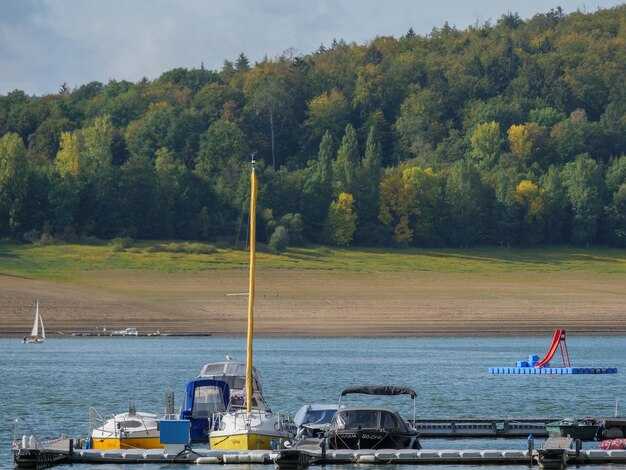 Lake Minnetonka’s Boating Guide – Tips, Marinas & Routes">

Ξεκινήστε το weekend with a practical safety prep: conduct a 15-minute gear check, verify extinguishers are charged, inspect PFDs for wear, and replace any expired flares. Planning ahead helps you stay ready on the water; ensure your crew knows the route and expected conditions, and keep a printed map on board. Always have a whistle, a waterproof light, and a charged phone, so accidents are less likely and you can respond quickly while weather shifts or changing currents come up.
Three reliable marinas serve the lake’s north, central and south shores: Wayzata Bay Marina, Tonka Bay Marina, and Excelsior Harbor. They offer fuel docks, transient slips, and pump-out stations, plus restrooms and on-site cleaning supplies at service docks. Call ahead to confirm slip availability, hours, rates, and whether they require reservations on busy weekends.
Map a simple loop that starts near the north shore and returns along the central bays, letting you sail past varied scenery and sheltered coves. The plan helps you limit travel time between stops to a few hours, with a natural pause for snacks or fuel. While you sail, stay alert for waterfowl along shoreline reeds; keep speed polite in busy coves and around anchored boats, and use charts to stay clear of no-wake zones and shallow flats. If conditions change, have a backup route saved ahead of time and be ready to adjust.
Keep your craft prepared with routine checks: test the engine, battery, and charging system; inspect lines, anchors, and fenders; verify extinguishers’ pressure and that all safety gear is within date. Store gear in waterproof bags and make a quick deck cleaning after every trip to prevent slick spots. If you plan a longer weekend outing, wont miss a beat by packing a spare belt, tools, and a basic first-aid kit, ensuring you’re ready for minor hiccups without delaying the plan.
Lake Minnetonka Boating Guide: Practical Tips, Marinas & Routes
Always run a vesselsafetycheck before leaving the dock. Carry your certificate on board and keep it accessible. Do a quick check of life jackets, fire extinguisher, spring line and fenders to reduce delays at the first stop.
Equip every passenger with a Coast Guard–approved PFD and wear them during underway. Secure lines and fenders, and keep a whistle and VHF radio within easy reach. In shallow water, check depth in feet before placing the anchor, and confirm the battery and bilge are ready.
Weather can switch quickly on Lake Minnetonka, especially in spring. Wind shifts around coves can create wave patterns that catch unfamiliar boats off guard. The niccum of wind and current means you should map a route that stays in sheltered water during unsettled periods, and keep a close eye on the forecast when you head out early in the day, when the air might be cold.
Respect no-wake zones around shorelines and stay in marked channels to avoid shoals. A practical loop for most boaters follows the main channel toward Excelsior, then returns along the south shore, offering scenic coastlines and pockets of shallow water you should pass slowly. Upon approaching a dock, reduce speed, line up with the cleat, and maintain control of the vessel. This route stays closer to sheltered water, safer than rushing along the coast.
Marinas and guest access: Wayzata Marina and Excelsior-area docks provide fueling, slips, and pump-out, with additional transient berths at nearby towns like Deephaven and Shorewood. Most facilities offer restrooms, loaner life jackets, and ramps, and they tend to fill up on weekends in late spring and early summer–plan early if you need a slip and live aboard arrangements. Boaters around the lake can enjoy convenient access to shore services and quick repairs if needed.
Avoid angler zones: anglers often operate along coves, sometimes close to shore. They could be surprised by a passing craft, so reduce speed, give wide berth, and watch lines and hooks. When you spot someone fishing, maintain a safe distance and yield the right of way when appropriate.
Emergency readiness: carry a charged cell phone in a waterproof case and have a marine radio on channel 16 for help. In an incident, someone should stay calm, note your location, and call for assistance; if you lose power, drop an anchor and move to safer water while you await rescue. Always have a plan and share it with your crew before you head out.
Understanding the rental process helps: several companies offer craft suitable for Lake Minnetonka, from pontoon rentals to small bowriders. The process typically requires showing a valid certificate, signing a brief safety agreement, and receiving a short safety briefing. Most operators require a quick demonstration of basic maneuvers and docking; plan your trip for early or midweek if you want more flexible times and enjoy a safe, relaxed day on the water.
Popular Day Routes for Beginners and Families
Start with a gentle circuit from Wayzata Bay, heading toward West Indian Point, then return along the shore. This smooth ride keeps wake light, ideal for kids and first-time boaters. Renewal on the water accompanies this loop, assisting new skippers as they learn the cadence of Minnetonka.
For a gentle, family-friendly option, plan a 4-6 mile circuit that takes about 60-90 minutes at a calm pace. Stay in protected bays and follow no-wake zones, using the main channel as a reference to return to the launch.
Pause at a sheltered cove for a snack or a quick skim of shoreline views, staying inside marked areas. Keep a lightweight paddle or throw line on board for safety and enjoy views of cottages and wooded bluffs along the way.
Bring life jackets for every passenger, check weather forecast before departure, and keep an eye on other boats, skiffs and paddle craft. Maintain low speed near docks, swimmers, and shallow coves to ensure a relaxed outing for all ages.
When you want a second option, try an alternate route that stays along the north shore with a short detour to a sandy beach, offering another calm day on the water.
Top Marinas, Docks, and Quick Tie-Up Tips
Choose the Port of Wayzata for the quickest, most reliable tie-ups during July weekends.
- Port of Wayzata – Wayzata Bay harbor, sheltered slips, 250+ power and water pedestals, pump-out, and a short walk to shops; equipped for sailboats and powerboats, with five slip types to fit length and beam.
- Excelsior City Marina – public docks with easy access, near town amenities, shallow water close to the channel, ideal for day trips and small-to-mid keelboats; docks remain well-maintained and staff provide quick assistance.
- Orono Public Dock – flexible tie-up options, easy approach from the main channel, good for short stops and fueling, with nearby boat ramps and fishing access.
- Mound Harbor Docks – interior harbor with finger docks, protected from prevailing winds, convenient to local eateries, and great for half- or full-day visits.
- Shorewood Public Docks – straightforward entry, nearby bridge openings and shallow approach areas, known for orderly lines and reliable access to restrooms and water.
Five Quick Tie-Up Tips
- Planning and location awareness: Plan your approach using the published location and bridge schedules; the risk remains if you skip checks. This must be done by anyone piloting a craft; awareness saves time and reduces collisions.
- Approach and wind management: Approach at a controlled angle, give sailboats and other traffic room, and keep a slow, steady speed as you line up with the dock. Maintain situational awareness to avoid collisions with pilings or other boats; they can shift quickly in currents.
- Lines, fenders, and grip: Use a three-point mooring with a bow line, stern line, and a midship line when needed; employ one or two half-hitches to secure slack. Keep fenders at the correct height to prevent hull contact, and wear moisture-wicking gloves for a secure grip.
- Safety gear and readiness: Have a throwable device within reach and ensure life jackets are accessible for all aboard. Keep spare dock lines and a small toolkit handy for quick fixes, providing confidence during busy periods.
- Post-dock check and adjustments: After tying, verify lines are secure and cleats are not overloaded; monitor bridge openings and traffic in the channel. Ensure everything remains tidy, watch for waterfowl near the pilings, and adjust as needed to maintain safe clearance for approaching sailboats and other craft.
Cold Water Safety Gear: PFDs, Wetsuits, and Thermal Layers
Wear a properly fitted PFD at all times on Lake Minnetonka when the water is cold, test buoyancy before heading out, and clip the straps so the vest stays secure; this gives you great peace of mind as depths shift with conditions.
Pair the PFD with thermal protection: base layers like polypropylene or merino next to the skin, a wetsuit or drysuit, and an outer layer. For late spring and early fall, a 3/2 mm or 4/3 mm wetsuit works well; in colder conditions, add a fleece mid-layer or switch to a drysuit. Paul and another angler keep a light, quick-drying base beneath a wetsuit and carry a drysuit for the cold snaps; youve got to adjust layers for depths and weather conditions. Winterizing your gear after the season helps you keep everything in good condition, with nothing left to chance.
Store gear in enclosed compartments, check zippers and seams, and keep extinguishers accessible on powered boats; set a simple measures routine to verify that nothing else is missing before launch. If you could add a spare repair kit, do it; else you might be stranded on the shore. For canoes, kayaks, and other small craft, ensure PFDs are worn and visible by bright marks or color.
Registrations and the latest safety guidance appear on the website. Before you go, verify registrations and check the depth-related guidelines on the Lake Minnetonka boating information website; keep your gear in color-coded bags so you can locate them quickly on a busy day.
| Εργαλείο | Recommendation | Σημειώσεις |
|---|---|---|
| PFDs | USCG-approved Type III, properly fitted; inspect straps and seams; replace worn gear | Keep on at all times; Paul and others should have one handy during angler trips |
| Wetsuits | 3/2 mm to 4/3 mm for cool seasons; thicker 5/4 mm or a drysuit for winter | Depths vary; near shore can feel warmer in sun |
| Thermal layers | Base: polypropylene or merino; Mid: fleece; Outer: wind shell | Layer up or down based on weather and season |
| Safety items | Whistle, lights, signaling; extinguishers on enclosed motorboats | Nothing else should be missing before launch |
Cold Water Shock: Early Signs, Preventive Steps and Rescue Basics
Immediately get your head above water and start controlled breathing, then move toward the nearest deck or shore and signal for help.
Τα πρώιμα σημάδια του σοκ από το κρύο νερό εμφανίζονται γρήγορα σε νερά γύρω από τη λίμνη Μιννετόνκα και παρόμοια περιβάλλοντα. Αναζητήστε:
- Λαχάνιασμα, γρήγορη αναπνοή ή αίσθηση ότι ο αέρας είναι λιγοστός κατά τις πρώτες στιγμές της βύθισης.
- Μούδιασμα ή μυρμήγκιασμα στα δάχτυλα των χεριών και των ποδιών, με μια άκαμπτη ή άκαμπτη λαβή στις ράγες που μοιάζει με σίδερο στο κρύο.
- Αποπροσανατολισμός, σύγχυση ή μια αίσθηση ότι η ισορροπία έχει χαθεί μέσα σε λίγα λεπτά μετά την είσοδο στο νερό.
- Αλλαγές στο χρώμα του δέρματος, όπως χλωμό ή μπλε χείλη και δέρμα, υποδεικνύουν κίνδυνο υποθερμίας.
- Αδυναμία να μιλήσει κάποιος καθαρά ή να σχηματίσει λέξεις, ή μια ξαφνική απροθυμία να κινήσει τα άκρα του.
Τα προληπτικά μέτρα για τη μείωση αυτών των κινδύνων ξεκινούν πριν φύγετε από την προβλήτα και συνεχίζονται καθ’ όλη τη διάρκεια του Σαββατοκύριακού σας στις ακτές ή τις όχθες των λιμνών. Δώστε προτεραιότητα στα βασικά και μείνετε εντός των ορίων σας:
- Να φοράτε σωστά εφαρμοσμένο ατομικό βοηθητικό μέσο πλευστότητας (PFD) ανά πάσα στιγμή. να έχετε το δικό σας εύκολα προσβάσιμο και να ελέγχετε την εφαρμογή με μια γρήγορη λίστα ελέγχου ασφαλείας μεγέθους κάρτας.
- Ελέγξτε τις εποχιακές απαιτήσεις ασφαλείας και τους κανόνες του εμπόρου ή του καπετάνιου της μαρίνας πριν ξεκινήσετε ένα ταξίδι. βεβαιωθείτε ότι τα αυτοκόλλητα στον εξοπλισμό ασφαλείας είναι ορατά.
- Ελέγξτε όπως θα κάνατε σε ένα όχημα: στάθμη καυσίμου, μπαταρία, σεντίνα και ακεραιότητα γάστρας, και εξαρτήματα καταστρώματος για να ελαχιστοποιήσετε τα ατυχήματα σε δύσκολες θάλασσες.
- Ετοιμάστε μια απλή κάρτα ασφαλείας ή μια λίστα ελέγχου για να καθοδηγήσετε τις προσπάθειές σας κατά τη διάρκεια μιας ανταπόκρισης, συμπεριλαμβανομένων των αριθμών τηλεφώνου έκτακτης ανάγκης και των λεπτομερειών τοποθεσίας.
- Περιορίστε την έκθεση φορώντας ρούχα ανάλογα με τη θερμοκρασία του νερού και μην υπερβάλλετε με τις εξορμήσεις του Σαββατοκύριακου όταν η θερμοκρασία του αέρα πέφτει.
- Να έχετε κατά νου ένα σαφές σχέδιο διαφυγής και να εξασκείτε τη γρήγορη ανάκτηση του εξοπλισμού από το σκάφος σας ή την παράκτια αποθήκη με το πλήρωμά σας.
- Επικοινωνήστε με τον αντιπρόσωπό σας ή τον τοπικό σας αναπληρωτή για τις προτεινόμενες αναβαθμίσεις εξοπλισμού και τυχόν εποχιακές αλλαγές στους κανόνες της λίμνης Minnetonka.
Οι βασικές αρχές διάσωσης ξεκινούν με την πρόληψη και έπειτα προχωρούν σε αποτελεσματικές, καλά προετοιμασμένες ενέργειες. Τα ακόλουθα βήματα σας βοηθούν να ανταποκριθείτε με ηρεμία και αποτελεσματικότητα όταν συμβεί το σοκ από το κρύο νερό:
- Εάν δείτε κάποιον να μπαίνει στο νερό, ρίξτε πρώτα μια συσκευή επίπλευσης ή προσεγγίστε τον με ένα μακρύ σχοινί. Μην πηδήξετε μέσα εκτός εάν έχετε εκπαιδευτεί και είναι απαραίτητο για την άμεση ασφάλειά του.
- Φωνάξτε για βοήθεια, ενεργοποιήστε το σήμα κινδύνου και καλέστε το 911 ή τον τοπικό σερίφη ή την ακτοφυλακή, ανάλογα με την περίπτωση· δώστε την ακριβή τοποθεσία σας και μια σύντομη περιγραφή του συμβάντος.
- Σβήστε τη μηχανή του σκάφους και ασφαλίστε το κατάστρωμα για να αποφύγετε τραυματισμούς από την προπέλα, ενώ βοηθάτε από το πλάι ή την πλώρη. κρατήστε την γάστρα μακριά από οποιονδήποτε βρίσκεται στο νερό.
- Προσφέρετε ένα σχοινί ή κουπί στο άτομο διατηρώντας το δικό σας σώμα χαμηλά στο νερό και καθοδηγώντας το προς το ασφαλέστερο σημείο εισόδου του σκάφους· αποφύγετε τις απότομες κινήσεις που θα μπορούσαν να επιδεινώσουν το σοκ.
- Μόλις επιβιβαστείτε, αφαιρέστε τα βρεγμένα ρούχα και αντικαταστήστε τα με στεγνά στρώματα ή μια κουβέρτα. δώστε ζεστά υγρά, εάν το άτομο μπορεί να καταπιεί με ασφάλεια και παραμένει συνειδητό και παρακολουθήστε για σημάδια υποθερμίας.
- Αξιολογήστε την ψυχική και σωματική κατάσταση, καταγράψτε τα συμπτώματα και αναφέρετε το περιστατικό στον υπεύθυνο ασφαλείας, στον αντιπρόσωπό σας ή στον λιμενικό για παρακολούθηση και ελέγχους σταθερότητας καυσίμου και κύτους μετά το συμβάν.
Η παροχή ήρεμης ηγεσίας κατά τη διάρκεια ενός συμβάντος βοηθά στη διαχείριση του ηθικού του πληρώματός σας και μειώνει τον κίνδυνο περαιτέρω τραυματισμών. Να θυμάστε ότι οι γρήγορες, καλά συντονισμένες προσπάθειες ξεκινούν με ένα έτοιμο σχέδιο, τον κατάλληλο εξοπλισμό και μια σαφή κατανόηση του τρόπου με τον οποίο το σοκ από το κρύο νερό μπορεί να εξελιχθεί σε μια εξόρμηση το σαββατοκύριακο ή κατά τη διάρκεια της συνήθους εκπαίδευσης με το πλήρωμά σας.
Καιρός, Θερμοκρασία και Ορατότητα: Πότε να Πάτε και Πότε να Μείνετε Έξω
Βγείτε στο νερό μόνο όταν οι άνεμοι παραμένουν κάτω από 15 μίλια/ώρα σταθερά με ριπές κάτω από 20 μίλια/ώρα, η ορατότητα είναι 4 μίλια ή περισσότερο και οι θερμοκρασίες αέρα κυμαίνονται από 65°F έως 85°F. Εάν αυτές οι συνθήκες αποτύχουν, μείνετε στην ακτή. Αυτό το άνοιγμα σάς βοηθά να κερδίσετε την εμπιστοσύνη των επιβατών και κάνει μια μέρα πιο ασφαλή. Αφιερώνοντας λίγο χρόνο για να ελέγξετε μια πρόγνωση πολλών ημερών διατηρεί τα σχέδια προσεκτικά. Ελέγξτε την πρόγνωση για τις επόμενες ημέρες.
Θερμοκρασία και έκθεση: Τις θερμές ημέρες (άνω των 90°F) ενυδατωθείτε και παρακολουθήστε για θερμική καταπόνηση. Η χρήση ανοιχτόχρωμων ρούχων και η εφαρμογή αντηλιακού βοηθούν. Τα ψυχρά μέτωπα μπορούν να μειώσουν γρήγορα τις θερμοκρασίες του αέρα. να έχετε ένα σχέδιο για να συντομεύσετε τα ταξίδια και να φτάσετε στην ακτή πριν αλλάξει ο άνεμος. Ο κίνδυνος υποθερμίας αυξάνεται όταν το νερό είναι κρύο και τα ρούχα είναι βρεγμένα. περιορίστε την έκθεση, μείνετε σε προστατευμένες περιοχές και να έχετε έτοιμα στεγνά στρώματα. Εάν πρέπει να αντιμετωπίσετε μια ξαφνική ριπή, κατευθυνθείτε προς την πλησιέστερη ακτή.
Ορατότητα και πλοήγηση: Η ομίχλη μπορεί να απλωθεί στη λίμνη, μειώνοντας την ορατότητα σε λιγότερο από ένα μίλι μέσα σε λίγα λεπτά. Πριν από την αναχώρηση, ελέγξτε τις ζωντανές ενημερώσεις από τη μαρίνα σας ή τις εφαρμογές καιρού και να είστε έτοιμοι να ακυρώσετε τα σχέδιά σας εάν η ορατότητα πέσει κάτω από 3 μίλια. Τις ημέρες με θολούρα ή θαλασσοταραχή, εμμείνετε στα σηματοδοτημένα κανάλια και βασιστείτε σε συσκευές όπως GPS, ραντάρ και AIS. Αρκετοί κωπηλάτες και ποδήλατα θαλάσσης δραστηριοποιούνται κοντά στην ακτή. διατηρείτε μια ασφαλή απόσταση από πλοία μεταφοράς εμπορευμάτων και μεγαλύτερα σκάφη.
Εξοπλισμός και επίγνωση ασφάλειας: Βεβαιωθείτε ότι κάθε άτομο φοράει ένα σωσίβιο εγκεκριμένο από την Ακτοφυλακή· διατηρείτε τους πυροσβεστήρες προσβάσιμους σε μηχανοκίνητα σκάφη· ελέγξτε ότι οι πυροσβεστήρες δεν έχουν λήξει. Να έχετε μαζί σας σφυρίχτρα ή κόρνα και μια συσκευή ρίψης. Εάν ανατραπείτε, η παραμονή στο σκάφος διευκολύνει τη διάσωση. Η διατήρηση ενός εφεδρικού σωσιβίου και ενός στεγνού ρούχου βοηθά στην αντιμετώπιση απρόσμενων συνθηκών.
Σχεδιασμός διαδρομής και εξοπλισμός: Αυτό το σχέδιο θα περιλαμβάνει μια λίστα ελέγχου πριν την αναχώρηση και θα παραμένει κοντά στην ακτή σε αβέβαιες συνθήκες. Τα Σαββατοκύριακα αυξάνουν την κίνηση, με πολλές διαδρομές να είναι πολυσύχναστες. συνεννοηθείτε με τον αντιπρόσωπο ή τη μαρίνα σας για τρέχουσες οδηγίες και ζωντανές καιρικές ενημερώσεις. Αφιερώνοντας λίγα λεπτά για να πακετάρετε επιπλέον εξοπλισμό ασφαλείας, συμπεριλαμβανομένου ενός κιτ πρώτων βοηθειών και ενός φακού, μειώνετε τον κίνδυνο. Βεβαιωθείτε ότι φοράτε κατάλληλα ρούχα για την εποχή και ελέγξτε τις καιρικές προειδοποιήσεις που δημοσιεύονται από τις κρατικές αρχές και τους διαχειριστές λιμνών.