


 Ελληνικά
  English (UK)
  Русский
  العربية
  日本語
日本語  한국어
한국어  Magyar
  Türkçe
  Español
  Čeština
  Svenska
  Português
  Suomi
Suomi  Nederlands
  Română
  Italiano
  Français
  Polski
  Українська
  Deutsch
  简体中文
简体中文  Slovenčina
 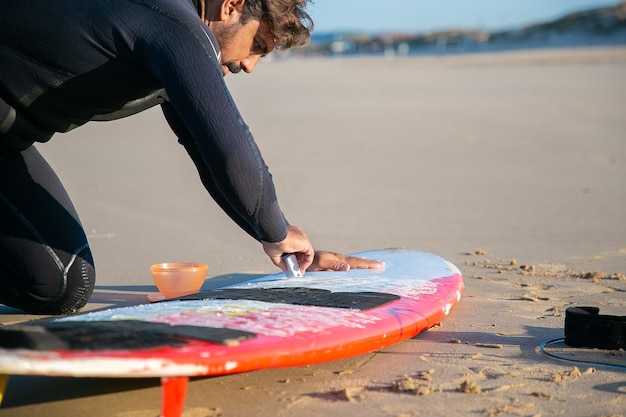 How to Choose the Right Wakesurf Board – A Practical Guide">

Start point: a 52–54 inch wake-surf board for riders weighing 120–180 pounds; 54–60 inches for 180–240 pounds; kids under 90 pounds benefit from 40–44 inches. This start point keeps ease of learning, reduces frustration for them, where momentum stays predictable. Such ranges are designed to balance stability, speed, and control, avoiding heavy boards that curb airs. This start helps you learn confidently.
Next step: shapes based on where you ride and how you want to feel. For a playful, surfy vibe, look for boards σχεδιασμένο with a soft rocker and forgiving rails that stay responsive on wake. Skim-style shapes offer quick starts and less drag, while fuller shapes keep surfy stability. For beginners, a twin-fin or quad-fin setup is common to keep balance while you learn. Start with fins around 1.75–2.75 inches for kids, or 3–4 inches for adults, and adjust based on feel. As you start learning, note how grip changes handling.
For aerial performance, ensure deck response matches intent. A board with a lively feel on wake allows you to line up aerials without fighting balance. Moderate rocker and a surfy, rounded profile keeps enough speed to set up easy airs without crowding lines. Lightweight construction helps beginners, while reinforced tails cut impact when landing from bigger jumps. This approach βοηθά most riders progress without overdoing it. If you are trying new tricks, keep sessions conservative until form improves.
In practice, tailor picks to rider specifics. If you consider options, try two models briefly on water before committing. Kids benefit from lighter boards with shorter length for easy handling. Look for designs with a wider midsection and forgiving rocker to improve stability during startups and turns. For all weights, check weight capacity and aim at pounds within recommended range to preserve pop and speed. A padded deck, durable fins, and a safe leash boost daily use and keep sessions fun, reducing frustration after stumbles.
Twin Fin Wakesurf Board Selection
Pick 5’9″–6’1″ surfboard with twin fins, moderate rocker, wide platform for stable handling on waves.
Rider weight mapping: under 70 kg: 5’9″–5’11”; 70–95 kg: 5’11″–6’1″; 95–110 kg: 6’0″–6’3″.
Essential for progression, stable stance, and protection during learning sessions in ocean conditions.
- Fins: twin setup uses two 3.75″–4.25″ blades delivering balanced drive; keep symmetrical rake for predictable exits; this supports handling in mixed chop and makes paddling through chop much easier.
- Rocker: less aggressive than high-performance shapes; still moderate enough to push through chop and protect on landing.
- Platform: width around 18″–20″ (46–51 cm) yields stable stance; ensure stance width aligns with rider shoulder span for comfortable balance.
- Volume range: 25–60 L depending on rider weight; light 25–35 L; mid-weight 35–45 L; heavy 45–60 L.
- Shapes: specifically tuned to deliver a predictable feel; rounded rails yield smoother contact in ocean chop and smaller days; avoid extreme pins for learning sessions.
- Protection: rounded rails and reinforced nose reduce abrasion during beach launches or ding risk; look for durable skin or protective layer for frequent travel.
- Handle: integrated carry handle reduces risk during shore entries; if not present, use belt or short strap for grip when lifting into boat or on deck.
In smaller days, this twin-fin configuration makes waves easier to manage for learning, offering more control and protection against slips.
Looking for options, focus on profile matching to weight and wave temperament; this saves time on water and improves performing in ocean conditions.
Assess Your Skill Level and Riding Style
For most buyers, starting with a larger board, size 56-60 inches, offers stable stance and easier learning; this range balances buoyancy and turns, reduces drag, and makes initial progress possible.
Beginner profiles being new to riding benefit from low entry rocker and wide outline to improve stability; for mid-level riders a midrange size blends stability with responsive feel; advanced riders target compact length and more rocker for quick on-water adjustments. Only experienced riders handle high-speed maneuvers.
Align moves with styles: playful cruising benefits from a wider, forgiving outline and a softer rail; proper stance requires a board with stable width, while guided carves need enough rocker to hold line without dragging; this combination makes transitions smoother and handles power surges without losing control.
Select size by rider weight, height, and ability; for weight under 150 lb, 52-56 inch surface helps with quick response; for 150-190 lb, 56-58 inch models fit; over 190 lb, 58-62 inch boards keep stability. Among surfboards, look for a model offering a balanced rocker to balance speed with maneuverability; a well-rounded profile is specially designed to handle a range of conditions, from slack water to small waves.
When evaluating options, consider buyers’ feedback and look for a versatile setup that spans styles and conditions; a board that handles power transitions with less drag offers more control for long sessions; aim for a model that makes learning curves shorter while staying playful on small waves.
Choose Board Length and Width Based on Weight and Experience
Recommendation: riders under 140 pounds should target 5’8″–5’10” surfboard-length wakesurfer with 19″–20″ width, well suited for stability. 140–180 pounds: 5’9″–6’0″ length and 18″–19.5″ width. 180–210 pounds: 6’0″–6’2″ length and 19″–20.5″ width. 210+ pounds: 6’2″–6’6″ length and 20″–21″ width. Beginners add 2 inches to length and 1 inch to width, thats a default bias toward stability; experienced riders can trim toward lower ends to blend power and playfulness. This rule applies to beginners only.
Weight in pounds sets buoyancy needs; youre experience decides stability versus maneuverability. For a configurable surfboard, look for four or five fin options or inserts that support a blend of stability and performance; check which setup feels best in ocean conditions.
Ocean conditions influence choice: in calm seas shorter boards spark quick turns; in bigger chop, longer boards offer power and easier planing against wind and water. In big ocean conditions, this setup behaves like boat against chop. Less buoyancy requires wider width for stability; wider outlines boost balance, narrower styles sharpen response.
Skimmer vs traditional: skimmer models often sit four to five inches shorter than longboard shapes yet deliver stable feel thanks to wide planing surface; for playfulness, width matters; for power, length matters. Configurable fins plus rocker tune help align with preferences.
Check boxes on spec charts: weight range, length, width, rocker, fin setup; compare size against ocean conditions and personal preferences; use those four data points to pick surfboard that will be performing in most sessions.
Understand Twin Fin Geometry: Fin Size, Position, and Turn Feel

Start with two 3.0–3.5 inch fins, designed for symmetric placement just behind the tail, centered left to right. This setup will ensure balanced grip on water and a predictable feel in chop, helping you progress without surprises. For some riders, this setup may be the fastest way to gain confidence in them.
Size decisions hinge on weight, factors such as needs and preferences, and the experience level of the rider. For lighter riders or when you want a looser, easier ride, choose 2.5–3.0 inch fins. For heavier riders or when maximum grip at speed is needed, move to 3.5–4.0 inches. In practice, time on water will show which range benefits them. Experienced riders and those with intermediate-advanced preferences often find a 3.25–3.75 inch range balances factors like grip and ease.
Positioning matters more than many expect. Forward bias (closer to center) reduces pivot, improves straight-line stability, and eases early planing. Rear bias (toward the tail) increases bite, allowing quick, reactive turns. Start with about 0.5–1 inch behind center for a rearward bias and adjust in 0.25 inch increments to feel the influence on turn feel. This can push your craft toward the feel you want, maybe delivering a sharper arc or a smoother exit.
Turn feel is a product of size, area and foil. Fins with a modest rake and rounded tips deliver smooth transitions and steady grip on water, while a straight leading edge yields more direct response at the expense of some looseness. Larger total fin area increases grip and area coverage, but adds drag; smaller areas feel lighter and easier to rotate. If mounting is padded, you’ll notice less chatter and more confidence pushing into edges. The benefit is easier control during aggressive lines, especially for intermediate-advanced riders who know how to ride the edge.
Riding level and preferences vary: some know they benefit from a balanced, moderate profile, others push for an aggressive setup that rewards timing and precision. Intermediate-advanced riders may push more toward rear bias to pull tighter arcs, while a forward setup can be better for easy power and early release. Time on water will reveal what works for them, and awareness of these factors makes it possible to dial in a setup that balances grip, ease, and reaction.
Rocker, Tail Shape, and Width for Different Wake Conditions
Opt for a mild nose and tail rocker with a rounded or squash tail for versatile wake conditions; this balances speed, catching ability, and maneuverability, helping you learn today easily and providing protection against catching and stalling. For lighter water and smaller wakes, choose lighter boards; this improves balance and lets you respond quickly. There are options across skimmer styles and playful shapes, so you can test a few to find what balances your style. Use this information to narrow down options and pick confidently, much more sure than guessing.
| Wake Condition | Rocker Recommendation | Tail Shape | Width (in) | Σημειώσεις |
|---|---|---|---|---|
| Light chop / calm water | Low/mild | Rounded | 19–21 | Easy catching; recommended for learning; playful feel; balances speed and stability. |
| Moderate chop / mixed wakes | Moderate nose + tail rocker | Squash | 20–22 | Stable through chop; better maneuverability; protection against catching edges. |
| Big wakes / steep bowls | Higher nose and tail rocker | Square or Bat-tail | 19–21 | Increased maneuverability; quick edge transitions; expert handling needed; recommended for controlling bigger sections. |
| Smooth water with skimmer emphasis | Flat rocker | Swallowtail or Bat-tail | 21–23 | Skimmer styles shine; faster planing; easy catching and turning; lighter feel for quick responses. |
Fins Setup, Hardware, and Tuning for Optimal Stability
Start with a three-fin setup tuned to weight and wake range. Three-fin designs provide base stability and predictable grip on rails. Center fin should be bigger for stability; outer fins smaller for turn response. For a rider around 70–95 kg, set center fin 3.0–3.5 in, outer fins 1.75–2.25 in. If weight is higher, bump center to 3.5 in; if lighter, drop to 2.8–3.2 in. Outer fins around 2.0 in keep performance crisp when edging into wakes.
Material mix informs grip and stability. In most cases, fiberglass center fins deliver core rigidity and stable tracking across a range of wakes. Blended designs, combining fiberglass cores with soft outer skins, provide a balance between stability and responsiveness. If possible, consider aerials-style fins for improved bite in chop. A hybrid setup with large center and matching outer fins enhances performance while staying stable. Typically, this arrangement will feel predictable for riders of varying weight.
Hardware, box, and tuning details. Confirm fin box spacing matches your board design. Use a grip-friendly base washer and fresh screws; avoid overtightening to prevent cracking fiberglass. After mounting, test on smooth water; if feel is slightly off, swap outer fins to sizes from 1.75–2.25 in and center to 3.0–3.5 in for a more stable ride. Weight will shift during turns, know weight and skill to adjust fin size based on riding style. Experienced riders may rotate fins to tune grip, or move toward bigger center when accelerating through wakes.