


 Ελληνικά
  English (UK)
  Русский
  العربية
  日本語
日本語  한국어
한국어  Magyar
  Türkçe
  Español
  Čeština
  Svenska
  Português
  Suomi
Suomi  Nederlands
  Română
  Italiano
  Français
  Polski
  Українська
  Deutsch
  简体中文
简体中文  Slovenčina
 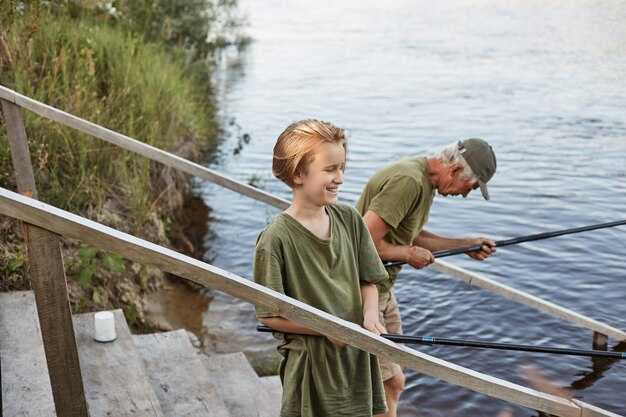 How to Avoid Seasickness on a Fishing Boat – 8 Practical Tips">

1. take meclizine with a light snack roughly one hour before you depart to blunt the onset of nausea on the water. your intake should be planned, and you can adjust the dose by weight and tolerance as needed.
2. Place yourself toward the center and forward on the craft; keep your gaze level toward the horizon and avoid looking below deck where motion is more predictable; those adjustments reduce the acceleration felt by the vestibular system.
3. Snack lightly during the voyage with options like pretzels, crackers, or fruit; through the day, nibbling in small portions helps staying feeling steady on long ταξίδια.
4. Skip heavy meals before the voyage; opt for gentle, easily digestible options to reduce gastric load, especially if you have years of exposure to rough seas.
5. Hydration matters: sip water regularly to support your system and monitor your intake; avoid dehydration as a trigger for nausea.
6. If you are new to these trips, start with shorter runs to gauge what works for yourself; specifically, adjust pacing and cabin temperature to reduce stress through the day.
7. Embrace a gentle routine: breathe evenly, stay outdoors when possible, and keep a steady gaze on the horizon; gentle movement and light stretching help prevent queasiness between tasks.
8. Build your own kit of monitoring cues from years of trips: note what triggers discomfort and adapt your intake and rest periods through careful planning; staying proactive will keep you feeling capable, confident, and ready to handle rough waves.
Practical strategies for anglers to stay steady on deck
Stand with feet shoulder-width apart, knees slightly bent, core engaged, and one hand gripping a stable rail; this stance will keep your upper body steady as cruising begins and swells roll through the deck.
Fix your gaze on the horizon and maintain a constant head position; a steady line of sight reduces the onset of queasiness, and avoids unnecessary shifts near the wheel.
Control breathing: slow, deep breaths, in through the nose and out through the mouth; anxiety, typically a trigger, is alleviated when you keep breathing steady.
Wear non-slip footwear and secure gear to minimize movement; essentials like a compact harness, a whistle, a small first-aid kit, and a bottle of water belong in a chest pocket to prevent unnecessary shuffling.
Move with discipline: limit sudden steps, plan routine tasks, and coordinate with crewmates; these options reduce nausea chances and let you stay focused, even when others need to pull hard on the line; if theyre moving, you adjust with minimal crossing.
All-natural remedies such as ginger, peppermint tea, or acupressure bands can provide relief with minimal side effects; medicine options are available if discomfort returns, but choose medicine options with care.
Positioning relative to the wind and spray matters: face slightly into the wind, keep a low stance, and avoid leaning into gusts; winds can be a primary trigger for imbalance. If you want to minimize risk, adopt this posture.
Manage conflict of motion by keeping a routine: lock in a single task at a time, and shift attention to the world around you or the wonders of the sea to stay engaged while movement occurs, know what your body signals and adjust, which boosts enjoyment.
Horizon checks paired with hands near the wheel provide a natural reflex to stabilize; if you must adjust, do so in small increments and keep three-point contact with a rail, says a seasoned deckhand who understands calm balance.
Onset of queasiness can return; if that happens, sit, hydrate, and reassess food intake; the chances of a full setback drop when you stay disciplined and rest periodically.
Pre-boat meals and ginger snacks to settle the stomach
Eat a gentle, balanced snack 1.5–3 hours before departure and choose options that sit well on the stomach: toast with a light spread, warm oatmeal, or yogurt with crackers. plenty of fluids, especially water, support digestion and reduce nausea before the first swell.
Ginger is a natural helper: candy choices such as ginger candies or crystallized ginger provide a steady effect. Take one or two pieces 30–60 minutes before heading out; theyre easy to carry and won’t weigh you down when the deck starts rocking. If you prefer, ginger tea offers a soothing alternative, but candy is quick and portable in light winds.
For preventative relief, over-the-counter medicine can be considered after a quick consult with an experienced clinician or pharmacist. Use according to the label and avoid mixing with alcohol. This option can enhance comfort by reducing nausea signals before they peak, helping you stay on deck longer and safer.
Technique matters: chew each bite thoroughly, eat slowly, and vary meal timing with sea state. A small, steady intake combined with a candy or fruit, plus a light beverage, helps keep the stomach calm as the rocking increases. If symptoms appear, have plenty of options ready: candy, crackers, fruit, and medicine if approved. Points to consider include choosing foods that stay stable in your stomach and keeping a few strategies in your pocket for varying conditions.
Most scenarios show proactive choices reduce nausea; when used consistently, the effect tends to disappear quickly, or at least feels manageable, increasing your chances to stay on task and help the crew. Experienced hands know that gentle foods and ginger snacks can be a reliable first line, improving your ability to enjoy the trip.
Choose a stable stance and keep eyes on the horizon
Stand with feet shoulder-width apart, knees softly bent, weight centered, and chest open. This easy alignment dampens pitch and roll, stabilizing your center and maintaining comfort during long watches. Keep your gaze about 20–30 degrees above the horizon to anchor your senses and reduce disorientation. These experiences, such as mild nausea, are commonly mitigated by proper stance.
- Gradually adjust your stance as the sail shifts: small 5–10 degree corrections keep balance without triggering abrupt motion. Never snap into position; smooth transitions lower the risk of vomiting and fatigue.
- Fix your reference: steady gaze toward the horizon, avoid following fast-moving gear from the deck or nearby objects, and keep the head and eyes aligned with the line of sight. This light focus gives steadiness to your inner system.
- Secure your body: place a hand on a rail or lip of the cockpit; keep shoulders relaxed and avoid tensing, which amplifies signals of motion.
- Hydration and sugar remedy: sip water regularly; a small sugar-containing snack helps maintain blood sugar and reduces nausea. If you feel dizzy, take a break and breathe slowly.
- Breathing and pacing: use slow, deep breaths–inhale through the nose, exhale through the mouth–to support the body’s response and lessen seasick sensations.
- Prepare for shifts: pack a compact kit with hydration fluids, sugar lozenges, and a lightweight fan or shade to keep light from triggering eye strain and to maintain comfort against glare.
- Know when to seek help: if youre experiencing persistent disorientation or vomiting or if symptoms worsen, stop and inform the crew; a doctor may suggest a different remedy or position.
Onboard natural remedies: ginger, peppermint, aromatherapy, and acupressure bands
Take ginger before heading into the swell: 250–500 mg capsules or chewable strips, 1–2 doses before departure; theyre easy to store in pockets or seats, and the taste is brisk enough to settle the mouth, which gets you through rough seas. Ginger blocks brain signals and gut triggers, significantly reducing vomiting risk during cruising, because the active compounds interact with receptors in the brain. Hydrated waters help the effect through the journey, so sip water after ingestion to maintain fluids and comfort.
Το μέντα λειτουργεί ως ένα ήπιο αντιεμετικό όταν λαμβάνεται ως τσάι, κάψουλα ή τσέπη εισπνευστήρα. Το έλαιο μέντας δροσίζει το στομάχι και μπορεί να γευτεί ή να αναπνευστεί· το άρωμα ανεκτό εύκολα από τους περισσότερους θαλασσοπόρους. Συγκεκριμένα, το μέντα βοηθά να ηρεμήσει ο εγκέφαλος και να μειώσει τη ναυτία στα αρχικά στάδια, κάνοντας την κρουαζιέρα λιγότερο αγχωτική. Σιπίζετε μια μικρή ποσότητα τσαγιού μέντας κατά τη διάρκεια των διαλειμμάτων για να υποστηρίξετε την ενυδάτωση και την σταθερή αναπνοή.
Η αρωματοθεραπεία στο κατάστρωμα χρησιμοποιεί έναν συμπαγή διαχυτή ή προσωπικούς εισπνευστές με μέντα, εσπεριδοειδή ή λεβάντα. Διατηρήστε τα αρώματα ελαφριά για να αποφύγετε την υπερφόρτωση των αισθήσεων· ένα ήρεμο άρωμα βοηθά το βλέμμα να παραμένει εστιασμένο στον ορίζοντα, περιορίζοντας τα ζάλα. Η αρωματοθεραπεία λειτουργεί ως προληπτικό μέτρο που ενισχύει την άνεση χωρίς βαριά φάρμακα και ταξιδεύει καλά μέσα σε υγρά καταλύματα.
Οι ιμάντες ακουπρέσσυρας εφαρμόζουν απαλή πίεση στο σημείο P6 στον εσωτερικό καρπό, ευρέως μελετημένες προληπτικές στρατηγικές. Είναι άνετοι και παραμένουν στη θέση τους μέσα από άγριες θάλασσες, γεγονός που τους καθιστά πρακτικούς για καθίσματα και όρθιες θέσεις εξίσου. Η χρήση τους κατά τη διάρκεια του ταξιδιού μειώνει την αίσθηση του εμετού και σας διατηρεί ενυδατωμένους, μειώνοντας τον κίνδυνο αφυδάτωσης που μπορεί να προκαλέσει περισσότερο ναυτία. Ορισμένοι προμηθευτές με βάση το Σαν Φρανσίσκο προσφέρουν συμπαγή σετ από ιμάντες και λωρίδες για εύκολη χρήση πριν, κατά τη διάρκεια και μετά από περιόδους κίνησης.
Ενυδάτωση, τεχνικές αναπνοής και καθαρός αέρας στο κατάστρωμα
Ενυδατωθείτε με μικρές, σταθερές γουλιές και αγκυρώστε αυτή τη συνήθεια σε ένα χρονόμετρο: πιείτε 150–200 ml κάθε 15 λεπτά κατά τη διάρκεια της κρουάζ. Αυτό διατηρεί τα επίπεδα υγρών σας σταθερά και αποτρέπει την απότομη ζάλη, βοηθώντας σας να αποτρέψετε τα συμπτώματα πριν ξεκινήσουν.
Για τα ταξίδια, κρατήστε ένα συμπαγές μπουκάλι σε ετοιμότητα και σχεδιάστε έναν ρυθμό που να ταιριάζει στον ρυθμό σας. Εάν προτιμάτε, τα ζάχαρα είναι μια απλή επιλογή για να διατηρήσετε την ενέργεια στο κατάστρωμα.
Κρατήστε ταμπλέτες ζάχαρης στην τσέπη σας ως γρήγορη πηγή ενέργειας· αυτό το απλό μέτρο βοηθά στην πρόληψη απότομων πτώσεων του σακχάρου στο αίμα κατά τη διάρκεια της ιστιοπλοΐας. Για όσους προτιμούν μια γρήγορη ώθηση, αυτές οι επιλογές παραμένουν εύχρηστες κατά τη διάρκεια μεγαλύτερων διαδρομών.
Χρησιμοποιήστε έναν κύκλο τριών αναπνοών για να ηρεμήσετε το στομάχι: εισπνεύστε από τη μύτη για τέσσερα δευτερόλεπτα, κρατήστε για δύο, εκπνεύστε από τα σφιγμένα χείλη για έξι. Ενώ φαίνεται ήπιο, επαναλάβετε τρεις κύκλους· αυτά τα θαύματα, μαζί με τσάι μέντας, λειτουργούν σταδιακά για να σας κρατούν άνετα σε κυμαινόμενα καταστρώματα.
Ο καθαρός αέρας στο κατάστρωμα είναι σημαντικός: βγείτε έξω για πεντάλεπτα διαλείμματα, κοιτάξτε στον άνεμο και κρατήστε το κεφάλι σας πάνω από την καρδιά σας όταν αισθάνεστε αδύναμοι. Αυτά τα μικρά διαλείμματα, που λαμβάνονται κατά τη διάρκεια της κρουάζ, σταδιακά μειώνουν την δυσφορία και βελτιώνουν την ισορροπία σας. Ο stan σημειώνει ότι η ύπαρξη αυτών των επιλογών στο πρόγραμμά σας σας κρατά άνετους κατά τη διάρκεια μεγάλων διαδρομών.
Κάθε ταξιδιώτης βιώνει τη θάλασσα διαφορετικά, οπότε ρυθμίστε αυτόν τον ρυθμό σύμφωνα με την αντοχή σας και τον δικό σας ρυθμό. Κάθε προσαρμογή μπορεί να σας βοηθήσει να παραμείνετε σταθεροί, περισσότερο από ό,τι περιμένετε.
Εάν έχετε ιατρικές παθήσεις ή ερωτήσεις, μιλήστε με τον γιατρό σας πριν ξεκινήσετε αυτή τη ρουτίνα και ακολουθήστε το σχέδιο που σας ταιριάζει καλύτερα. Κάθε ταξιδιώτης θα πρέπει να προσαρμόσει τον ρυθμό, αλλά η βασική ιδέα παραμένει η ίδια: η ενυδάτωση, ο ελεγχόμενος αναπνοή και ο χρόνος σε εξωτερικούς χώρους σας κρατούν αγκυρωμένους.
| Action | How to do it | Benefits |
|---|---|---|
| Ρυθμός ενυδάτωσης | Πίνετε 150–200 ml κάθε 15 λεπτά· κρατήστε δισκία ζάχαρης πρόχειρο | Σταθεροποιεί τα υγρά και την ενέργεια, αποτρέποντας ζάλη. |
| Μοτίβο αναπνοής | Τρίδυμος κύκλος: εισπνοή 4 δευτ., αναμονή 2 δευτ., εκπνοή 6 δευτ.; επαναλάβετε τρεις κύκλους | Ηρεμεί το εσωτερικό αυτί, μειώνει τις αισθήσεις ναυτίας |
| Εξωτερικός χρόνος | Βγείτε στο κατάστρωμα για αρκετές πεντάλεπτες συνεδρίες· αντιμετωπίστε το αεράκι· χρησιμοποιήστε άρωμα μέντας, αν προτιμάτε | Βελτιώνει την κυκλοφορία και την άνεση κατά τη διάρκεια της κρουάζ. |
| Μέτρα και επιπλέον | Φέρτε μέντα, μερικά ζαχαρωτά δισκία και ένα μικρό ανεμιστήρα· κάντε διαλείμματα σταδιακά | Έτοιμες επιλογές για να νιώσετε καλύτερα γρήγορα |
| Σημείωση ασφαλείας | Εάν τα συμπτώματα επιμένουν, συμβουλευτείτε τον γιατρό σας· προσαρμόστε το ρυθμό όπως απαιτείται. | Ασφάλεια και η σωστή φροντίδα |
Ανάπαυση, ο χρονισμός της καφεΐνης και η έκθεση στο φως για την πρόληψη της κόπωσης
Μεγιστοποιήστε την ανάπαυση με ένα σταθερό πρόγραμμα και σύντομα υπνάκια κατά τη διάρκεια ήρεμων περιόδων για να παραμείνετε συγκεντρωμένοι σε ένα ταξίδι. Στοχεύστε σε 7–9 ώρες βασικού ύπνου όταν είστε στην ξηρά· εάν αυτό δεν είναι δυνατό, ένα υπνάκο 20–30 λεπτών μπορεί να επαναφέρει την προσοχή χωρίς έντονη υπνηλία. Δημιουργήστε μια ζώνη άνεσης: αρκετό σκοτάδι, ήσυχο χώρο, αναπνεύσιμο ρουχισμό και σταθερή θερμοκρασία για να υποστηρίξετε την αποκατάσταση και να μειώσετε τον κίνδυνο πονοκεφάλου.
Σχεδιάστε την καφεΐνη με σκοπό. Μια δόση ταχείας δράσης 100–200 mg προσφέρει μια γρήγορη ώθηση σε 15–30 λεπτά, ακολουθούμενη από μια κανονική δόση εάν η κόπωση επιμένει. Διατηρήστε τη συνολική ημερήσια πρόσληψη κάτω από 400 mg για να αποφύγετε νευρικότητα και διαταραχή του ύπνου. Περιορίστε τη χρήση αργά μέσα στην ημέρα για να διατηρήσετε ένα σταθερό βιολογικό ρολόι και σταθερή ενέργεια κατά τη διάρκεια της περιφρούρησης. Προτιμήστε να πίνετε νερό ανάμεσα σε φλιτζάνια για να παραμείνετε ενυδατωμένοι και άνετοι.
Το έντονο φως επαναφέρει το κιρκάδιο ρολόι. Αναζητήστε ηλιακό φως σε εξωτερικούς χώρους εντός της πρώτης 1–2 ωρών μετά το ξύπνημα για να οξύνετε την εγρήγορση και την πρόληψη της κόπωσης. Όταν ο ήλιος είναι σπάνιος, μια συνεδρία 20–30 λεπτών με ένα λαμπτήρα που παρέχει 2.500–5.000 lux μπορεί να αντικαταστήσει. Φορέστε γυαλιά ηλίου για αντανάκλαση και καπέλο για άνεση στο κατάστρωμα, διατηρώντας τη διάθεση και τη συγκέντρωση.
Η Ginger παρέχει μια δημοφιλή, φυσική επιλογή για την ανακούφιση της ναυτίας που σχετίζεται με την κίνηση και την υποστήριξη της άνεσης σε παρατεταμένες παρατηρήσεις. Μια τυπική δοσολογία είναι 1–2 g την ημέρα, προσαρμοσμένη στην ανοχή και την ανταπόκριση. Οι ταχέως απορροφημένες μορφές τζίντζερ μπορούν να βοηθήσουν στην άνεση και ενδέχεται να βοηθήσουν στη διαχείριση του κινδύνου πονοκεφάλου κατά τη διάρκεια μεγάλων βαρδιών στο κατάστρωμα.
Ο Σταν, επόπτης πληρώματος, σημειώνει ότι μια προληπτική προσέγγιση με σταθερό χρόνο ανάπαυσης, μετρημένη καφεΐνη και φωτεινά σήματα ευθυγραμμίζει τους κύκλους βάρδιας και μειώνει τον κίνδυνο κόπωσης.
Υπάρχουν διάφορες αποτελεσματικές ρυθμίσεις για τη διατήρηση της ενέργειας και της διάθεσης: σταθερή ανάπαυση, προγραμματισμένη χρονική στιγμή καφεΐνης και χρονομετρημένη έκθεση στο φως· αποτρέπουν την κόπωση και σας βοηθούν να απολαύσετε το ταξίδι.