


 Ελληνικά
  English (UK)
  Русский
  العربية
  日本語
日本語  한국어
한국어  Magyar
  Türkçe
  Español
  Čeština
  Svenska
  Português
  Suomi
Suomi  Nederlands
  Română
  Italiano
  Français
  Polski
  Українська
  Deutsch
  简体中文
简体中文  Slovenčina
 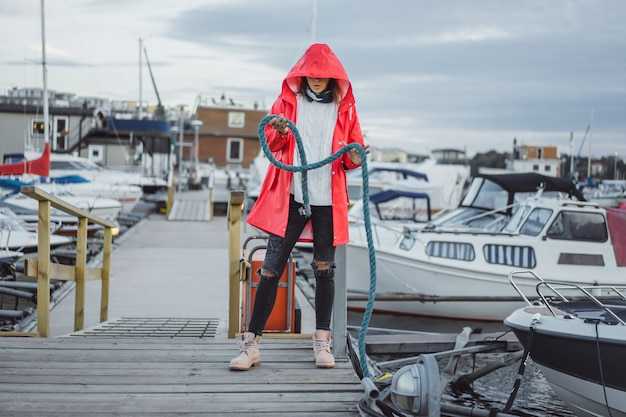 How to Anchor a Boat – A Step-by-Step Guide for Safe Mooring">

Drop hi-test chain and line to a 5:1–7:1 scope in calm, shallow water, and attach it securely to a robust bow cleat. Let the rode be lying on the bottom and the boat riding the current, not dragging. This setup follows a rule that reduces risk and offers a stable reference as conditions shift.
The intended bottom type matters: sand with low current holds better; rocky or weedy beds demand shorter scope and more power to maintain grip. Most vessels in depths up to 8 m use about 6x depth of rode; at 5 m depth that equals 30 m of line and chain. Use hi-test chain to reduce stretch; keep the line attached to the chain, not to the bow cleat or locker, to prevent creep and chafe.
Before settling, run a quick test: ease the line and watch for drag; if the vessel shifts more than a meter in 15 seconds, increase scope or shift to a deeper spot. The rule is simple: more power yields more holding, while letting slack invites drift. The crew should have skills in reading currents and tying reliable knots, such as a bowline or cleat hitch, though the latter varies by gear. The line should remain attached to the cleat and to the rode to prevent chafe. Sailing practice helps you apply these checks easily, even if winds rise unexpectedly.
In shallow harbors and crowded marinas, use a shorter rode to reduce swing, making the task easier. Such disciplined checks, though repetitive, fit most vessels and crew sizes; it minimizes risk while preserving power to ride out short squalls. Taking the time to rehearse the setup builds confidence and keeps the process simple, even when the water looks choppy, and the horizon seems like a toon cartoon rather than a calm scene. Most importantly, always verify weather updates and be ready to adjust if the wind shifts abruptly.
Bahamian Moor Setup: Site Evaluation, Gear, and Execution
Locate a well-sheltered site with good holding and a limited swing radius; lay two mushroom anchors in a circle to keep a recreational vessel lying steady, just like a well-timed setup that makes calm conditions easier to handle, even when winds shift or currents change.
Depth target: 5–12 m. Bottom: sand or mud for best holding; weed, rock, or coral reduce grip; areas like weed patches should be avoided; locate underwater obstructions and map the areas you plan to use; with rule of thumb, allow at least 1.5–2 vessel lengths of clearance from structures or shoals; current, wind, and surge should be evaluated instance by instance; lines should lie easily, wrapped around cleats to prevent chafe.
Gear: two mushroom anchors rated 25–60 pounds each, two lines 15–30 m long for each, optional short chain segment to help set, buoy and float to mark, and a secondary line for adjustment; attach to the vessel with a hand-over-hand wrap and keep lines wrapped around cleats to reduce wear; a spare rope stored in the home locker provides quick replacement if needed.
Steps to execute: drop the two anchors to the seabed while maintaining the vessel in a true position, arrange them to form a circle around the vessel, mark the stern line with a buoy, connect the secondary line for adjustments, start the engine at idle to test hold and swing, verify the vessel lies well inside the circle, and adjust by hauling a short length of line and re-wrapping if necessary, then recheck buoy visibility and keep a safe distance from other craft.
Maintenance and checks: inspect lines and buoys for wear, wrap damage, and chafe; replace worn components; boater should practice come-aboard signaling and keep the engine ready; instance of heavy swells, shorten lines gradually; ensure the circle remains clear of propellers and traffic; store spare parts home for quick access.
Evaluate wind, current, depth, and swing room to prevent crowding
Recommendation: Set swing room minimum 1.5x–2x boat length, rising to 3x in gusty winds or stronger current. For a 28 ft craft that means 42–56 ft of clearance, up to 84 ft when gusts top 25 mph or current exceeds 2 knots. Maintain extra space near buoys, sandbar, and shorelines where seaweed, grass, or shallow bottoms raise snag risk. When in currents, keep stern clear of the channel; use spare rode length to adjust riding position.
Wind and current assessment helps plan adjustments. Check local forecasts; note likely gust timing and direction; upon wind shift, swing room increases or decreases accordingly. If winds come from a direction that brings boats toward a crowded area with buoys or a sandbar, increase clearance and shorten riding length to avoid contact. In shallower basins near seaweed or grass, swing room must be kept large enough so you do not drift onto the bottom or into other craft lines.
Depth, bottom, and swing geometry. Measure depth at low tide and at expected high; base your rope length on range. In shallow zones, extra caution with height of stern to avoid contact with bottom; check for sandbar edges or grass beds; seaweed can snag lines. If the bottom is hard or rocky, adjust line length accordingly. Larger boats require more margin; if depth drops quickly, reduce swing by moving to a deeper hole or repositioning to a more favorable angle.
Obstacle awareness and riding strategy. Keep clear of buoys, sandbar, seaweed beds; if you ride near them, you risk entanglement. Use a flexible approach: adjust techniques, swap to a horizontal line when winds push you sideways; throw a longer line to the cleat on deck; maintain a strong grip and use a hard stop if needed. When gusts hit, use a larger margin to maintain strength; also check strength of line and rode; use steel cleats with protective chafe gear.
Local context and practical tips. Based on local needs, choose a berth style that suits the site. If winds shift, adjust height strategy and re-check swing room; best practice is to enjoy calm moments, then escalate line length when wind rises. Avoid crowding by ensuring a safe distance from other vessels, with room to ride your style without impacting neighbors. It comes down to technique, skills, and adjustments made times when conditions change.
Identify hazards and plan an exit route using charts and sounder
Begin with a hazard scan using charts and sounder, establishing a clear exit corridor at minimum three vessel lengths from edge features and seabed shadows. In calm white water, keep the crew shifted toward the windward side, and account for current drift. This setup reduces sudden movement as you ride the approach.
Plot hazards on charts and confirm with the sounder: edge drop-offs, rocky outcrops, weed beds, wrecks, and submerged cables. Note seabed type and depth changes, marking the next gate in your path that keeps you out of shallow pockets. If markers exist, record their positions and log buoys that signal the route to follow.
During close-in work, use sonar data to verify bottom structure along the chosen path: when depth falls sharply, shift to a deeper lane with the same general heading. Document sizes and shapes of features; keep a safe margin of three vessel lengths whenever abrupt relief or soft soils appear in the seabed.
Assign a hand at the helm and another on the chart while the crew watches the water ahead. danik can verify markers, while barletta buoys help define the white corridor and signal the area riding the edge. Use calm, deliberate motions; throw a line only when control remains solid.
After clearing the hazard zone, rotate to a safe heading and confirm depth with the sounder. If there is a couple on deck, share watch to maintain awareness; keep communication clear and avoid rushed decisions. Stay well back from the edge, and monitor the seabed as you transition to calm water.
Select and prepare gear: bow anchor, stern line or secondary anchor, rode, fenders, and chafe protection
Start with a heavy plow-style bow device, designated recreational use, with a roller head assembly and corrosion-resistant finish, preferably white.
Pair it with a stern line or designated secondary device, plus a robust rode in braided nylon or polyester; keep spare line on deck to react quickly to changes in wind or current.
Rode length equals water depth multiplied by 7 to 10, with an extra 5 m on deck to move easily. Use an appropriate amount of absorption to damp shock loads; moderate tension works best in light chop.
Two fenders, white as a preference, are mandatory at bow and stern, with chafe protection along hull contact points; ensure both lines have protection where they pass through hardware; ashore adjustments can help show best results.
Chafe protection: install sleeves or protective tape on the rode where it passes through hardware; use roller fairleads to reduce wear; check security of all connections.
Most setups benefit from keeping both lines accessible and easy to handle, looking clean ashore; this choice is a favorite among recreational crews, as it resists wear while enhancing safety and security at the moment of moor.
Position the rode to move downwind toward the most favorable direction; this idea reduces stress on gear and helps to moor in a stable stance, even in gusty conditions. That approach makes the setup easy to manage, and you can enjoy adjustments without fuss.
Finally, ashore, make adjustments to ensure the lines look neat and secure; the position of gear should be clear; most crews enjoy safety, security, and ease of handling with a well-planned scheme, which helps to moor confidently and move down the channel with less effort.
| Item | Specification | Σημειώσεις |
|---|---|---|
| Bow device | heavy, plow-style, white finish, roller | weight by boat length: 3–6 m: 4–6 kg; 6–9 m: 7–12 kg; 9–12 m: 12–20 kg; >12 m: 20–40 kg |
| Stern line / secondary device | braided rope or resin-coated line; rated to main gear | backup control; easy to secure ashore |
| Rode | polyester or nylon braid; scope 7:1–10:1; depth-based length + deck reserve | absorption reduces shock; move down current if needed |
| Fenders | two large white fenders | position at bow and stern; prevent hull contact |
| Προστασία από τριβές | μανίκια ή προστατευτική ταινία· φοράτε προστατευτικά | όπου γραμμές διασχίζουν υλικό |
Ρίξτε και αφήστε την άγκυρα της πλώρης με τη σωστή αναλογία και επίγνωση του ανέμου/ρεύματος
Ρίξτε τον γάντζο πλώρης με ελάχιστο εύρος 5:1 σε ήρεμα νερά και 7:1 όταν ενισχύεται ο άνεμος ή το ρεύμα. Σε ρηχές περιοχές, χρησιμοποιήστε ένα βαρύ βαρίδι μανιτάρι σε ένα νάιλον σκοινί για να προσφέρει χρήσιμο κράτημα. Συμπεριλαμβανομένου του κατάλληλου βάρους και της τοποθέτησης, καθίσταται εύκολη η επαναφορά εάν αλλάξει η κατάσταση. Αυτή η επιλογή λειτουργεί καλά για πολυσύχναστα λιμάνια και μπορεί να είναι ακόμη πιο προβλέψιμη με προσεκτικό έλεγχο.
Από τη λέμβο, τοποθετήστε το σκάφος με την πλώρη προς τον άνεμο ή το ρεύμα και, στη συνέχεια, κατεβάστε αργά τον εξοπλισμό. Αφήστε τη γραμμή να ξετυλιχθεί μέχρι τον βυθό. συνδέστε έναν πλωτήρα στο σχοινί, ώστε το σημείο να είναι ορατό από το σκάφος. Διατηρήστε τη νάιλον γραμμή λεία και προσθέστε προστασία κατά της τριβής όπου περνάει κατά μήκος του κύτους ή μέσα από τα στόμια, για να αποφύγετε τη φθορά. Σε ρηχά νερά, διατηρήστε τη γραμμή πιο κοντή για να μειώσετε την αντίσταση. σε βαθιά νερά, αφήστε μεγαλύτερο μήκος. Αυτή η προσέγγιση παρέχει φάρους και δείκτες για να σας καθοδηγήσουν κατά τη διάρκεια του κύκλου.
Μόλις ο εξοπλισμός φτάσει στον πυθμένα, κάντε απαλά όπισθεν με το σκάφος για να βοηθήσετε το δάγκωμα και παρακολουθήστε την γραμμή για οποιαδήποτε κίνηση. Εάν ανιχνευθεί κίνηση, επαναφέρετε υποχωρώντας και ρίχνοντας ξανά. Αφού δημιουργηθεί κράτημα, κυκλώστε το σκοινί για να αποφύγετε τη συσσώρευση και παρακολουθήστε για φθορά σε συνθήκες κύλισης. Εάν χρειαστεί, επαναλάβετε τη διαδικασία στην ίδια κατάσταση.
συμβουλές: καταγράψτε τη θέση στο smartphone για αρχεία στο σπίτι και διατηρήστε τους φάρους ορατούς. Εάν φεύγετε, ασφαλίστε την γραμμή και μειώστε τον κίνδυνο επιλέγοντας μικρότερο εύρος σε ήρεμο καιρό ή επεκτείνοντας μόνο όσο χρειάζεται σε συνθήκες αέρα. Αυτή η έξυπνη επιλογή μειώνει την παρέκκλιση και διατηρεί τον εξοπλισμό έτοιμο για γρήγορη επαναφορά, εάν απαιτείται.
Οι γενικές τεχνικές δίνουν έμφαση στην αντίληψη του ανέμου, στις αλλαγές της παλίρροιας και στη διαχείριση του εξοπλισμού: διατηρείτε τους σημαδούρες ορατούς, διατηρείτε έναν πλωτήρα στο σχοινί και προστατέψτε τη νάιλον γραμμή με εξοπλισμό προστασίας από τριβές. Να έχετε πάντα τον απαραίτητο εφεδρικό εξοπλισμό και ένα smartphone για να τεκμηριώνετε πώς συμπεριφέρεται η συγκράτηση σε κάθε περίπτωση.
Ασφαλίστε την Μ Bahamian Moor: συνδέστε έναν πρυμνήσιο κάβο σε μια δευτερεύουσα άγκυρα ή σταθερό σημείο και τακτοποιήστε τους κάβους.
Προσδέστε μια σταθερή γραμμή σε μια καθορισμένη δευτερεύουσα άγκυρα ή σταθερό σημείο κατάντη, κατόπιν τακτοποιήστε όλες τις γραμμές για να μειώσετε τον κίνδυνο εμπλοκής και να εξασφαλίσετε γρήγορη απελευθέρωση εάν αλλάξουν οι συνθήκες. Χρησιμοποιήστε την εξοικείωση με το έδαφος, τους φάρους και ένα σαφές σχέδιο για να ελέγξετε την τάση σε μεταβαλλόμενα νερά.
- Έλεγχος προετοιμασίας: επιλέξτε μια εφεδρική άγκυρα ή σταθερό σημείο με σταθερό έδαφος συγκράτησης–άμμο, λάσπη ή καθαρό βράχο–εντός εμβέλειας από την πρύμνη. Επιβεβαιώστε ότι ο δευτερεύων στόχος είναι ορατός από το πηδάλιο και ότι η πορεία της γραμμής αποφεύγει τις προπέλες και τον μηχανισμό του πηδαλίου.
- Δρομολόγηση σχοινιών: από το σκαμπό της πρύμνης, περάστε το σχοινί της πρύμνης προς τα πίσω και συνδέστε το στον καθορισμένο άγκυρα ή σταθερό σημείο στην υπήνεμη πλευρά. Διατηρήστε περίπου 1 μήκος σκάφους μεταξύ της σύνδεσης της πρύμνης και του δευτερεύοντος εξαρτήματος, ώστε να επιτρέψετε μια μικρή πτώση εάν μετακινηθεί το έδαφος και κρατήστε το σχοινί μακριά από τα εξαρτήματα του καταστρώματος και τα μπλοκ φόρτωσης.
- Επιλογή σχοινιού: επιλέξτε ένα κηρώδες πλεκτό σχοινί ή νάιλον με υψηλή αντοχή στην τριβή και σκληρή, προβλέψιμη στρώση. Εξετάστε μια επιλογή κάβου για εφεδρεία. Ο εξοπλισμός από χάλυβα θα πρέπει να έχει μέγεθος ανάλογο με το φορτίο και την αντοχή στη διάβρωση. Οι φάροι Barletta ή παρόμοια βοηθήματα ναυσιπλοΐας απαιτούν προσεκτική δρομολόγηση για την αποφυγή παρεμβολών.
- Τακτοποίηση σχοινιών: μαζέψτε το επιπλέον σχοινί κατά μήκος των σχοινιών ασφαλείας και στερεώστε το στο μπροστινό κατάστρωμα μακριά από τις καταπακτές. Δημιουργήστε μια καθαρή διαδρομή μέσα από τις πρυμνιές βάσεις ή τα κλειδιά για να αποφύγετε το μπλέξιμο και προσανατολίστε τα σχοινιά έτσι ώστε να απομακρύνονται από την γάστρα υπό φορτίο. Κρατήστε όλα τα σχοινιά ομαδοποιημένα ανά λειτουργία για να απλοποιήσετε τους νυχτερινούς ελέγχους.
- Παρακολούθηση και προσαρμογές: παρατηρήστε την απόσταση από σκάφη, σημαδούρες και παράκτιες κατασκευές. Ελέγξτε τα χαρακτηριστικά συγκράτησης σε διάφορους τύπους βυθού και την μεταβαλλόμενη ισχύ από τον άνεμο ή το ρεύμα. Σε περίπτωση θραύσης ή ορμής, χαλαρώστε για λίγο την τάση και επανασφαλίστε όταν βελτιωθεί η συγκράτηση στο βυθό. Γι' αυτό το σχέδιο δίνει έμφαση στις τακτοποιημένες γραμμές και την εύκολη απελευθέρωση, και τέλος βεβαιωθείτε ότι μπορείτε να απελευθερώσετε γρήγορα αν χρειαστεί.
Οι νυχτερινές επιχειρήσεις επωφελούνται από ένα σχέδιο προσκείμενο στο φως: φωτίστε την πρυμνή γραμμή με ένα μικρό φως χαμηλής ισχύος και επιβεβαιώστε ότι οι φάροι παραμένουν σε θέα. Πλοηγηθείτε αργά σε στενούς χώρους, διατηρήστε ασφαλή απόσταση από άλλα σκάφη και κάντε πρόβα την ακολουθία απελευθέρωσης με τον καθορισμένο εξοπλισμό πρόσδεσης. Η επιλογή της άγκυρας, η χρήση της μικρής άγκυρας και οι φάροι barletta θα πρέπει να ευθυγραμμίζονται με τα χαρακτηριστικά του βυθού, την εγγύτητα σε δεμένα σκάφη και τα θαλάσσια πρότυπα κυκλοφορίας. Να έχετε πάντα έτοιμη μια εφεδρική γραμμή, ώστε η συγκράτηση να παραμένει αξιόπιστη σε όλο το μήκος του σκάφους σας.
Δοκιμαστική συγκράτηση, παρακολούθηση απόκλισης και εφαρμογή σχεδίου έκτακτης ανάγκης για μεταβαλλόμενες συνθήκες
Αρχικά, εκτελέστε μια δοκιμή συγκράτησης, εφαρμόζοντας ένα ελεγχόμενο φορτίο στις γραμμές και παρακολουθώντας την κίνηση της κεφαλής και την ανατροπή σε ένα διάστημα 5–10 λεπτών. Αυτό το βήμα είναι χρήσιμο και έχει επικυρωθεί από τις τοπικές κοινότητες σκαφών. Χρησιμοποιήστε ένα φόρτιο εργασίας σε λίβρες κατάλληλο για το σκάφος (ξεκινήστε περίπου 20–40 λίβρες ανά γραμμή και, στη συνέχεια, προσαρμόστε). Οι γραμμές πρέπει να είναι δεμένες στην απλή διαμόρφωση που χρησιμοποιείτε κανονικά και να έχετε έτοιμες μερικές εφεδρικές γραμμές. Εάν η κίνηση υπερβαίνει μερικές ίντσες ανά λεπτό, πρέπει να ρυθμίσετε τις γωνίες, να σφίξετε την εξάπλωση της γραμμής ή να εξετάσετε το ενδεχόμενο μιας μικρής άγκυρας (kedge) για να βελτιώσετε τη σταθερότητα. Η ύπαρξη μιας σαφούς, επαναλαμβανόμενης μεθόδου μειώνει τον κίνδυνο για την οικογένεια και όλους τους επιβαίνοντες, συμπεριλαμβανομένου του πλοιάρχου και του πληρώματος.
- Μετρήστε την παρέκκλιση: σημειώστε ένα σταθερό σημείο αναφοράς στο κατάστρωμα και καταγράψτε την πλευρική κίνηση κάθε 5 λεπτά για να προσδιορίσετε τον ρυθμό και την κατεύθυνση παρέκκλισης υπό τις τρέχουσες συνθήκες. Αυτή η τεχνική βοηθά στην αποφυγή απρόσμενων μετατοπίσεων σε πολυσύχναστα περιβάλλοντα, συμπεριλαμβανομένων των πολυσύχναστων λιμανιών.
- Αξιολόγηση του βυθού και του εύρους: επαλήθευση του τύπου του βυθού και διασφάλιση επαρκούς μήκους σχοινιού καθόδου και διέλευσης, ώστε να αποφευχθεί η επαφή των σχοινιών με ακατάλληλα σημεία. Περιλαμβάνονται έλεγχοι για να διασφαλιστεί ότι η αλυσίδα ή το νάιλον σχοινί παραμένει απαλλαγμένο από φθορές και κόπωση.
- Ενέργειες έκτακτης ανάγκης: εάν η παρέκκλιση συνεχιστεί, αναπτύξτε μια βοηθητική άγκυρα από ασφαλές σημείο, αναδιαμορφώστε τις γραμμές για να κατανείμετε το φορτίο και κατευθυνθείτε σε ένα πιο ευνοϊκό ρεύμα. Σε πολυσύχναστες μαρίνες, ζητήστε από τον καπετάνιο να ανακοινώνει τις αλλαγές και να ενημερώνει τον βαρκάρη και την οικογένειά του.
- Ρόλοι και επικοινωνία: ανάθεση ενός απλού σχεδίου με σαφή σήματα· ο επικεφαλής επιβλέπει τις αποφάσεις, ένα μέλος του πληρώματος χειρίζεται τους κάβους και ένας επιβάτης επί του σκάφους παραμένει ενήμερος για τις συνθήκες μέσω ενός τοπικού συνδέσμου καιρού.
Μετά την εφαρμογή, παρακολουθήστε μέχρι να σταθεροποιηθούν οι συνθήκες. Βεβαιωθείτε ότι έχετε αρκετό χρόνο για να αξιολογήσετε, αποφύγετε να λέτε ψέματα στον εαυτό σας για την απόδοση και μόνο τότε μειώστε τα μέτρα έκτακτης ανάγκης. Τέλος, καταγράψτε ώρα, άνεμο, παλίρροια, μετρήσεις σε λίβρες και σημειώσεις για τον βυθό για να βελτιώσετε τις τεχνικές για μελλοντικές αλλαγές. Επίσης, προτείνετε να διατηρείτε αυτά τα δεδομένα σε έναν κοινόχρηστο σύνδεσμο για γρήγορη αναφορά από το πλήρωμα και την οικογένεια στο πλοίο.