


 Ελληνικά
  English (UK)
  Русский
  العربية
  日本語
日本語  한국어
한국어  Magyar
  Türkçe
  Español
  Čeština
  Svenska
  Português
  Suomi
Suomi  Nederlands
  Română
  Italiano
  Français
  Polski
  Українська
  Deutsch
  简体中文
简体中文  Slovenčina
 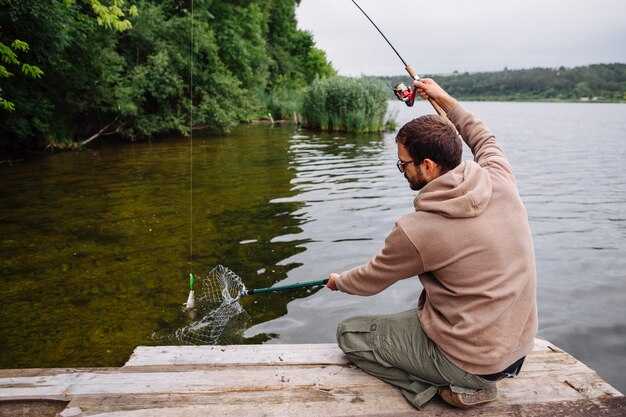 BVI Fishing – Your Ultimate Guide to Island Angling Bliss">

Pack two rods: a light setup for nearshore jigging and a heavier one for reef drops this summer. Just enough gear, planned and lightweight, cuts setup time and boosts catching time. With a clear plan, youre able to adapt to shifting currents and sun glare without second thoughts. Keep just enough spare line in the box to cover any last-minute change.
patterns shift with tides and wind, so prep must covering the basics: rods, line, and a small box of baits. Planning ahead, knowing where to land the boat for drop-offs, and having a favorite lure pattern makes mornings more predictable than the afternoon heat.
In this archipelago, the local department of natural resources publishes seasonal maps; check it for size limits and protected zones. A stay at a villa along the southern shore can be a big advantage: a vantage for early runs and midday rest. The favorite sunrise terrace really gives a front-row seat to shoals where crevalle and snapper start feeding again.
Some catching secrets come from patience and water-reading: watch the waves, listen to the current, and know where bait fronts tend to hold. Shrimp trails off reef ledges are recurring hotspots; actually, they often draw snappers and other species within a short window after dawn. Be aware of tides, and sure to have back-up spots in mind if the main area quiets, other boats also target the same pockets.
Before you leave the dock, run a simple checklist: test the anchors, prep the cooler, and note the seasonal limits. With discipline, keeping a journal of where and when you caught and which patterns were in play, you can repeat successes on future trips. nothing beats a well-timed bite when the water turns calm, and youre set with a plan to return to the same land, again and again.
Licensing basics: who needs a BVI fishing license and how to qualify
Check the licensing requirements now and book the permit before you depart; they take minutes to process and they provide clarity, allowing you to pursue your passion on the blue ocean. Knowing the rules helps with protection of the reefs and keeps you in good standing. Pack sunscreen and stay hydrated while on the water.
Who needs a license
- Anyone fishing inside the territorial waters, whether from shore or aboard a boat; they must hold a valid license, regardless of nationality or residency.
- Residents and visitors, with three common license options: daily, weekly, and annual; choose based on the duration of the trip and the type of angling planned.
- Operators of charter trips should ensure every participant is covered; failure to have coverage can lead to fines and the trip being stopped.
How to qualify
- Check with the official authority via the online portal or local office to determine eligibility and required documents; they typically ask for a photo ID, passport for non-residents, and contact details.
- Choose the license type based on your specific plan: three options exist (daily, weekly, annual); confirm location restrictions and any gear limitations as part of the method.
- Submit the application and pay the fee; you will receive a digital card or printed permit that you must keep during the stay; the license will be booked in the system once approved.
- If you intend to fish wrecks such as wrecksbottom or near norman wrecks, verify any site-specific limitations and strike zones; weather conditions can affect when you can fish safely and legally.
- After approval, store the license with your documents so you can do catching in accordance with local protection rules; this helps eating restrictions and demonstrates expertise and responsible doing.
Registration steps: where to apply, documents required, and processing times
Apply online through the department licensing post to keep things simple and start within 24 hours. The lightweight form provided on the official site captures owner details, vessel data, and water usage. Follow the rules to keep your file protected against delays, and bring the necessary documents to speed up processing. If you have questions, Peter from the licensing desk can confirm exact requirements and guide you through the steps. This setup offers a perfect starting point for living and working within coastal waters, and it keeps families and individual anglers informed.
Πού να υποβάλει αίτηση
Use the official licensing portal hosted by the department. The page lists licenses offered, the required form, post-submission steps, and how to check status. All applications should be submitted using the online form; once you press post, your request becomes active. Keep a record of the submission number for future reference, and note that the system protects personal data during processing.
Documents required and processing times
Provide proof of identity (passport or government ID), proof of address within the living area, and proof of residency. Include vessel details: name, registration number, weight, length, and intended water areas (shallows or deep waters). For families planning trips, list names and ages of all accompanying members. The department offers licenses for different purposes; choose the one that matches your activities, such as angling, spotting, or coastal exploration. The documents provided should show your intent to post or transport equipment safely; bring minimal gear weight when possible. The process typically takes 5–7 working days after a complete file is submitted, and licenses are issued within 10–14 days in peak periods. In an instance where items are missing or incorrect, expect a brief delay while corrections are requested–often just a few days. Once active, keep licenses in a secure place and ensure you comply with rules behind protected waters and reefs. You can track status within the same post, and expert staff are available if you need help. If you plan to capture stills or videos of barracuda in deep waters, make sure your permit covers those activities.
Fees, validity, and renewal timelines
Get an annual sport license if you plan multiple trips; it reduces waiting and total costs. Fees vary by status: daily permits usually US$15–US$25; an annual license for visitors commonly US$60–US$120, valid for 12 months from issue date. The Fisheries Department usually provides fast processing in tortola, and some operators offer the license as part of the booked package, which makes the setting comfortable. For drop-offs and restricted zones, carrying the license is required and a quick check can prevent penalties. island expert advice from local leaders and schools of guides helps you target amberjack and other game fish around the neck of the island.
Validity is typically 12 months from the issue date; some short-term permits exist for stays under a week, usually aligned with the trip window. Renewal timelines usually require applications at least 60 days before expiry; online renewals are typically processed within 3–5 business days, while in-person submissions may take longer during peak season. If you are booked on guided trips, confirm whether the operator handles the permit for you; this offering is common and can shorten waiting times. Always check the latest rates and rules before departing, and keep a copy of your license with you on island trips toward drop-offs.
Ways to obtain include online via the official portal, in-person at the fisheries office in tortola, or through a guided operator who includes it in the trip package. For comfortable planning, choose a package with a reputable expert and local leaders; this can help with jigging setups and spotting opportunities around drop-offs. For amberjack and other game species, jigging is recommended on ledges and near structure; being booked on a guided trip increases success and makes the most of your time. Provided documentation and checklists help you stay compliant; and, if offered, take advantage of the licensing service provided by your operator.
Seasonal rules and protected species: limits, gear restrictions, and area designations
Always verify the current limits with the department before your trip. these rules shift by season and zone, so youve got to know the specifics for barracuda, ballyhoo, and other game species. in june the biting tends to intensify around iland reefs, so prep and plan accordingly, and expect tighter quotas and careful handling of bycatch. eating is allowed only within established limits; if youve caught a protected creature, release promptly to minimize stress.
Protected species and area designations safeguard breeding cycles. Look for no-take zones near reefs and wrecks, and around iland clusters where MPAs designate boundaries. The most common protected taxa include sea turtles, certain sharks, and some groupers; if you encounter them, stop fishing and release with minimal handling.
Gear restrictions emphasize responsible tackle: no nets or traps, no spearfishing; use circle hooks or single barbless hooks, and keep baits like ballyhoo under the regulations. For live baiting, use minimal sizes and avoid long leaders; these rules reduce bycatch and protect little reef dwellers. For half-day trips, you may switch to lighter gear when you move from wrecks to reefs.
Area designations designate reef and wreck zones where fishing is permitted with restrictions; always check the current map and boundaries before you head out. The iland-anchored MPAs can restrict extraction even for a half-day run; respect the lines and avoid protected corridors. Boats must stay outside closed corridors and respect speed limits near habitat zones.
The process begins with a quick prep: review the specific limits, secure any required permits, and keep a copy of the rules on board. When you plan a trip, you should decide whether to fish for game species or focus on reef species; these choices influence gear and the approach. If youre aiming for a quick half-day session, plan to target a few spots such as reefs and wrecks; look for biting conditions and adjust your tactics accordingly.
Once you understand the framework, you can tailor a half-day schedule or a longer excursion to align with regs and bite windows. If the bite is good, expect more action around reefs and wrecks; still, avoid pushing beyond the limits, and never go over the quotas. For eating, plan the menu with a local chef, who can prepare sustainable options from permitted catches while honoring quotas; the process from catch to plate is straightforward and ensures responsible tourism.
Additional tips: record your catch in the log, respect area designations, and be mindful of the conservation business at the shoreline. When you come back, review what worked this trip and what requires adjustment for june and other months–and involve the chef in prep for great meals, not waste.
On-water best practices and eco-friendly angling in the BVIs
Put on a wide-brimmed hat and lightweight shirt, mount a compact gear kit on the go-to side of the deck, and keep a post-ready note with information on deck for quick reference. This reduces sun exposure, boosts mobility, and increases the chance of spotting tailing wahoo and small reef fish while scanning the views from virgin flats to the beach and wrecks.
Avoid anchoring on reefs or wrecks; drift in open water near features to minimize impact. Use accessible launch points for family trips, and adopt eco-friendly procedures: choose circle or barbless hooks, handle catches with wet hands, minimize land time, and release promptly. Be mindful of protected habitats and record observations when you can, and include those notes in your information stream.
heres a quick tip: focus on gear that blends strength with lightness: lightweight reels paired with a reliable line, and a go-to setup tuned for the local species; for wahoo, a 50–65 lb setup works well. Keep a short, natural leader to reduce strike resistance near reefs, and performing tailing captures with smooth motions to avoid spooking fish. Meanwhile, plan successive runs toward land and reefs to balance drift, and wait for the right moment to land, capturing footage or records with minimal disturbance.
After each session, post impressions and capture information for the log, then register any data on sightings, habitats, and catches. This helps maintain a healthy ecosystem and informs future routes, ensuring ongoing access to accessible grounds and pristine views.