


 Ελληνικά
  English (UK)
  Русский
  العربية
  日本語
日本語  한국어
한국어  Magyar
  Türkçe
  Español
  Čeština
  Svenska
  Português
  Suomi
Suomi  Nederlands
  Română
  Italiano
  Français
  Polski
  Українська
  Deutsch
  简体中文
简体中文  Slovenčina
  Boating Made Easy – A Beginner’s Guide to Safe and Simple Boating">

Σχεδιάστε την αναχώρησή σας για το φως της ημέρας. και να φοράτε σωσίβια για κάθε επιβάτη· να έχετε έναν μικρό φακό για έκτακτες ανάγκες. Η ασφάλεια προέρχεται από την προετοιμασία και μια προβλέψιμη ρουτίνα στο νερό μειώνει το άγχος από τον πρώτο απόπλου. Για αρχάριους, ξεκινήστε με ένα βασικό κιτ ασφαλείας 5 αντικειμένων και βεβαιωθείτε ότι κάθε άτομο έχει ένα σωσίβιο σωστής εφαρμογής.
Build a φιλικός προς τον χρήστη λίστα ελέγχου πριν την εκδρομή: έλεγχος καιρού (ιδανικά άνεμος κάτω από 15 mph για αρχάριους), στάθμη καυσίμου πάνω από το ένα τέταρτο του ρεζερβουάρ και σαφής διαδρομή. Λάβετε υπόψη και τα δύο sides του σκάφους και του προγραμματισμένου locations, στη συνέχεια αντιστοιχίστε πολλά options για την εξόρμησή σας. Η διατήρηση ενός απλού σχεδίου σάς βοηθά να έχετε υπόψη τους κινδύνους και διατηρεί μια ήρεμη ατμόσφαιρα στο σκάφος.
Επιλογή του κατάλληλου εξοπλισμού πράγματα: ένα σωστά τοποθετημένο σωσίβιο, ένα καπέλο προστασίας από το νερό και τον ήλιο, ένας φακός που λειτουργεί με εφεδρικές μπαταρίες και μια βασική συσκευή σηματοδότησης. Πριν αναχωρήσετε, δοκιμάστε την κόρνα ή το σφύριγμα, επιβεβαιώστε ότι έχετε ένα λειτουργικό ασύρματο VHF, αν έχετε, και κλείστε όλες τις καταπακτές για να παραμείνετε στεγνοί. Η παραμονή σε μια ασφαλή απόσταση από την ακτή μειώνει τον κίνδυνο και σας κρατά τον έλεγχο.
Στο νερό, ακολουθήστε έναν σταθερό ρυθμό και διατηρήστε ένα προβλέψιμος Σχεδιάστε, ώστε το πλήρωμά σας να ξέρει τι να περιμένει. Παραμείνετε ενήμεροι για τα καλά sight γραμμές σε άλλα σκάφη και εμπόδια, προσαρμόστε την ταχύτητα για ρηχές περιοχές και επιλέξτε locations με ήρεμα νερά για εξάσκηση. Καθώς αποκτάτε εμπειρία, μπορείτε να επεκτείνετε το options χωρίς να θυσιάζεται η ασφάλεια, καθιστώντας την βαρκάδα πιο προσιτή στους πρωτάρηδες και δημιουργώντας μια φιλική ατμόσφαιρα για όλους τους επιβαίνοντες.
Μάθηση και τήρηση των νόμων για τα σωσίβια γιλέκα
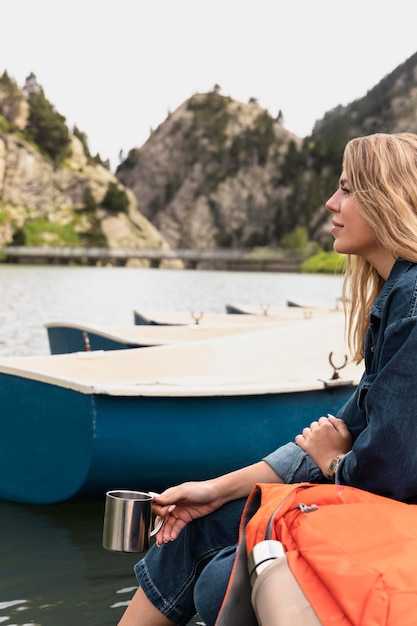
Να φοράτε σωστά εφαρμοσμένο σωσίβιο κάθε φορά που το σκάφος είναι εν κινήσει. Αυτή η απλή ενέργεια μειώνει τον κίνδυνο πνιγμού, ειδικά σε ταραγμένα νερά ή ξαφνικό απόηχο, και σας βοηθά να κερδίσετε χρόνο για να αντιδράσετε. Σκεφτείτε την τοποθεσία σας και ελέγξτε τους τοπικούς κανονισμούς πριν αποπλεύσετε. Οι νόμοι διαφέρουν ανά πολιτεία, επαρχία ή χώρα και ορισμένα μέρη απαιτούν ατομικά βοηθήματα επίπλευσης για όλους όσους βρίσκονται στο κατάστρωμα υπό ορισμένες συνθήκες. Ελέγξτε τους κανονισμούς αυτής της εβδομάδας και ακολουθήστε τις συνιστώμενες οδηγίες για να παραμείνετε συμμορφωμένοι και ασφαλείς.
Επιλέξτε ένα σωσίβιο ατομικής άνωσης (PFD) εγκεκριμένο για την περιοχή σας (αναζητήστε σήμανση USCG, CE ή αντίστοιχη) και βεβαιωθείτε ότι είναι πραγματικά κατάλληλο για κάθε άτομο που βρίσκεται επί του σκάφους. Κάντε μια γρήγορη δοκιμή εφαρμογής με τους ιμάντες σφιχτούς και το τζάκετ κουμπωμένο και, στη συνέχεια, ζητήστε από όλους να κινηθούν και να σηκώσουν τα χέρια σας για να επιβεβαιώσετε ότι παραμένει ασφαλές. Για τα παιδιά, επιλέξτε συσκευές παιδικού μεγέθους και ρυθμίστε τις σφιχτά. Αποφύγετε τα ογκώδη στρώματα από κάτω που εμποδίζουν την κίνηση ή την άνωση και διατηρήστε το τζάκετ σε καλή κατάσταση για βέλτιστη απόδοση.
Να έχετε τα απαραίτητα αντικείμενα σε κοντινή απόσταση: μια σφυρίχτρα, αντηλιακό, ένα κιτ πρώτων βοηθειών και έναν μικρό φακό ή συσκευή σηματοδότησης. Το ατομικό σωσίβιο (PFD) δεν θα πρέπει να εμποδίζει την ικανότητά σας να επικοινωνείτε με το πλήρωμα ή να χειρίζεστε ηλεκτρονικές συσκευές. Αποθηκεύστε τις συσκευές σε αδιάβροχες τσέπες και να έχετε πρόχειρη μια αδιάβροχη τσάντα. Για σκάφη με εξωλέμβιους κινητήρες, τηρείτε τα όρια ταχύτητας και φοράτε PFD κατά τη διάρκεια ελιγμών κατά μήκος των προγραμματισμένων διαδρομών σας. Αυτή η προσέγγιση δημιουργεί μια ευχάριστη ατμόσφαιρα στο κατάστρωμα και μειώνει τον κίνδυνο εάν κάποιος πέσει στη θάλασσα.
Πριν τον απόπλου, κάντε έναν γρήγορο έλεγχο ασφαλείας: βεβαιωθείτε ότι κάθε άτομο έχει ένα σωσίβιο, επιβεβαιώστε τη σωστή εφαρμογή και τοποθετήστε το γιλέκο σε εύκολη πρόσβαση πάνω στο κατάστρωμα. Μια τέτοια ρουτίνα δημιουργεί μια κουλτούρα αυτοπεποίθησης και προσωπικής ασφάλειας και δίνει τον τόνο για μια υπέροχη μέρα στο νερό. Να θυμάστε ότι οι νόμοι ισχύουν για την τοποθεσία σας και η συνεχής ενημέρωση σάς βοηθά να επικοινωνείτε αποτελεσματικά με τους επιβάτες και το πλήρωμα ενώ απολαμβάνετε τη βόλτα σας.
| Scenario | Requirement | Σημειώσεις |
|---|---|---|
| Εν πλω | Φορέστε ένα εφαρμοστό σωσίβιο. | Να φυλάσσεται στο κατάστρωμα σε κοντινή απόσταση· να ελέγχεται η εφαρμογή |
| Παιδιά στο όχημα | Χρησιμοποιήστε σωσίβια κατάλληλου μεγέθους για παιδιά. ασφαλίστε τα λουριά | Να επιβλέπετε διαρκώς |
| Χαμηλή ορατότητα ή ταραγμένα νερά | Φοράτε σωσίβιο υψηλής ορατότητας. προσαρτήστε σφυρίχτρα | Σκεφτείτε την ανακλαστική ταινία |
| Περιστατικό με πτώση στη θάλασσα | Επικοινωνήστε και δώστε σήμα· εντοπίστε γρήγορα | Γνωρίζετε τα δεδομένα τοποθεσίας και τις προγραμματισμένες διαδρομές |
Ποιοι Τύποι Σωσιβίων Απαιτούνται από το Νόμο;
Να έχετε Εγκεκριμένο σωσίβιο από την Αμερικανική Ακτοφυλακή (USCG) για κάθε άτομο στο σκάφος, με το σωστό μέγεθος για κάθε βαρκάρη, και να διατηρείτε τα γιλέκα σε κοντινή απόσταση, στον μπροστινό πάγκο ή κοντά στο τιμόνι. Αυτό το απλό βήμα μειώνει τον κίνδυνο έκτακτης ανάγκης και θέτει ένα σαφές πρότυπο για όλους τους λάτρεις του σκάφους. Υπάρχει πιθανός κίνδυνος όταν τα ατομικά βοηθήματα επίπλευσης δεν έχουν σωστό μέγεθος ή δεν είναι άμεσα προσβάσιμα σε στιγμή ανάγκης.
Τα σωσίβια είναι εξοπλισμός που πληροί κρίσιμο roles σε οποιοδήποτε σκάφος. Οι νόμοι επικεντρώνονται στην κατοχή ενός πιστοποιημένου ατομικού βοηθήματος επίπλευσης (PFD) αντί να υπαγορεύουν το ακριβές μοντέλο, οπότε θα βρείτε Τύπου I, Τύπος II, Τύπος III φορητές συσκευές, και Type IV αντικείμενα που μπορούν να ριχτούν, με Type V μπουφάν που καλύπτουν συγκεκριμένες δραστηριότητες. Για καθημερινή χρήση, ένα Τύπος III το γιλέκο είναι δημοφιλές· Κράτα ένα Τύπου I για υπεράκτια ταξίδια και ένα Τύπος II για χρήση κοντά στην ακτή, ενώ ένα Type IV πρέπει να είναι εύκολα προσβάσιμα σε σκάφη ορισμένου μήκους. Ανεξάρτητα από τον τύπο, κάθε άτομο επί του σκάφους πρέπει να έχει ένα σωστού μεγέθους, Εγκεκριμένο σωσίβιο από την Αμερικανική Ακτοφυλακή (USCG).
Οι κανονισμοί διαφέρουν ανά χώρα και πολιτεία. Στις Ηνωμένες Πολιτείες, η Ακτοφυλακή απαιτεί έναν PFD σε κάθε άτομο επί του σκάφους και ότι τα παιδιά κάτω των 13 ετών φορούν ένα σε ανοιχτά καταστρώματα κατά τη διάρκεια ψυχαγωγικής ιστιοπλοΐας. Ορισμένες δικαιοδοσίες απαιτούν Type IV προβλεπόμενη συσκευή να είναι προσβάσιμη και οι Κυρώσεις που θα αντιμετωπίσουν για μη συμμόρφωση διαφέρουν. Οι πινακίδες υποδεικνύουν τον απαιτούμενο εξοπλισμό και οι τοπικές αρχές δημοσιεύουν συγκεκριμένες λεπτομέρειες, οπότε να ελέγχετε πάντα τους τοπικούς κανονισμούς πριν ξεκινήσετε.
Συστάσεις για την επιλογή και τη συντήρηση: επιλέξτε ένα εγκεκριμένο από την Αμερικανική Ακτοφυλακή (USCG) σωσίβιο στο σωστό μέγεθος, ελέγξτε για σημάδια φθοράς και αντικαταστήστε κατεστραμμένο ή μουσκεμένο αφρό. Οι πόρπες, τα φερμουάρ και οι ραφές πρέπει να λειτουργούν ομαλά και τα σωσίβια να εφαρμόζουν άνετα όταν είναι κουμπωμένα. Φυλάξτε τα σωσίβια στο μπροστινό μέρος του σκάφους ή σε ειδικό χώρο αποθήκευσης, ώστε να είναι προσβάσιμα σε περίπτωση έκτακτης ανάγκης και εύκολο να τα πιάσετε σε δύσκολες καιρικές συνθήκες. Ορισμένα ενοικιαζόμενα σκάφη προσθέτουν χρεώσεις εάν λείπουν ατομικά βοηθήματα επίπλευσης (PFD), επομένως επαληθεύστε τι φέρνετε ή νοικιάζετε.
Οι λάτρεις της βαρκάδας μοιράζονται εμπειρίες ότι η σύννομη χρήση ΣΑΠ μειώνει τον πανικό σε καταστάσεις έκτακτης ανάγκης και προστατεύει τις οικογένειες. Η ανάγνωση βιβλίων και επίσημων οδηγών ενισχύει την κατανόηση σχετικά με το ρόλο του εξοπλισμού κατά τη διάρκεια μιας κρίσης. Η συμμετοχή σε ένα μάθημα ή σε έναν όμιλο ασφάλειας ενισχύει τις καλές συνήθειες και το σεβασμό στο νόμο. Εάν ένα μπουφάν παρουσιάζει κακή κατάσταση, αντικαταστήστε το αμέσως. Αυτό το απλό βήμα διατηρεί την ασφάλεια και μειώνει τον πιθανό κίνδυνο για όλους τους επιβαίνοντες. Η πορεία προς τη σταθερή ασφάλεια ξεκινά με κάθε βαρκάρη που αναλαμβάνει την ευθύνη για τον δικό του εξοπλισμό και για εκείνους που βρίσκονται γύρω του.
Πού και πότε να φοράτε σωσίβιο σε διαφορετικά σκάφη
Always wear a life jacket while underway on kayaks, canoes, stand-up paddleboards, and inflatable boats; on powerboats, sailboats, jet skis, and larger vessels, wear one whenever you are underway or on deck in rough weather or when visibility is limited. Do a pre-departure check to ensure every person has a properly sized PFD within easy reach.
Guidance varies by craft, but the goal stays the same: buoyant support that stays with you, even if you move from calm water to a deeper, wind-roughened area. For novices and experienced boaters alike, choosing a light, properly fitted PFD creates a lasting connection between safety and confidence, giving you freedom to focus on the water, the wind, and the escape into tranquil coastlines or busy, excited waters near islands.
- Kayaks, canoes, and stand-up paddleboards (SUPs)
- Wear a Type III wearable PFD at all times while on the water. In moving water, near rocks, or when the depth varies, switch to a higher-buoyancy option if you anticipate a fall. Ensure the belt and shoulder straps are snug so the jacket stays in place during paddling.
- Keep a light, quick-release PFD for easy removal when you’re on land, but always put it on before entering the water. A compact, light vest is easier for long sessions and reduces fatigue for novices learning balance and stance.
- Attach a whistle and a small lash bag with a flashlight; these back-up items improve signaling and visibility in dim times or fog. If you’re paddling near islands or along coastlines, visibility becomes critical and your connection to the crew matters more than ever.
- Ιστιοφόρα
- Wear a PFD when anyone is on deck, especially when tacking, maneuvering through lines, or working around the wheel and rigging. In heavier seas or gusty wind, keep PFDs fastened and within reach for quick use when you move below or above deck.
- Choose a snug Type II or Type III vest for daily sailing; consider a lighter, low-profile option for long passages. Ensure the life jacket does not snag lines or interfere with the wheel and winches.
- Before departure, review weather forecasts and adjust the crew’s equipment accordingly. If a change in wind or visibility is likely, have everyone on deck ready to clip into safety gear as needed.
- Powerboats and speedboats
- All occupants should wear a PFD whenever the boat is moving or navigating in open water. In calm, well-manned harbors with shallow depths, it’s still wise to have a PFD on for every passenger, especially children and non-swimmers.
- Keep at least one extra PFD on board as a back-up in case the crew size changes or someone’s jacket becomes wet and needs replacement. A total of one PFD per person plus one spare is a practical guideline for typical day trips.
- For high-speed runs or extended time offshore, upgrade to a Type I or inflatable option for longer sessions; these offer increased buoyancy and comfort if you’ll be seated for extended periods or moving across waves.
- Jet skis and personal watercraft
- Wear a PFD every time you ride, with a snug fit and proper fastenings. These craft move quickly and a fall can lead to immediate immersion in chop or wind-driven spray.
- Choose a compact, light jacket that won’t hinder throttle control or balance. Attach a whistle or signaling device and consider a leash for your board if you’re riding away from shore.
- Fishing boats and inland recreational craft
- On inland lakes, wear a PFD when the water is cold, visibility is limited, or you’ll be away from shore. Inland waterways can deepen quickly; a well-fitted PFD reduces fatigue and supports confidence for varying depth scenarios.
- Keep PFDs in visible places near the helm and along seating areas so crew can grab one without delaying a response during a change in conditions.
Insights from research and field tests confirm that well-fitted life jackets with simple access reduce reaction time and increase safe outcomes, especially for novices and excited first-timers who tend to drift away from shorelines. In practice, lines of communication and the habit of a brief pre-departure routine create a strong connection between safety and enjoyment. The atmosphere aboard becomes calmer when every rider understands the value of staying visible to fellow crew members and when back-up gear remains within reach near the wheel and helm.
Practical tips to improve wearing habit across craft:
- Test fit at home and adjust straps so it sits snugly without restricting movement for paddling or steering.
- Label PFDs with sizes and names to avoid confusion among crew and keep the right jacket on the right person.
- Use a simple clip-on whistle, light, or beacon to improve chances of being found during times of low visibility.
- Before each trip, review local rules and weather forecasts; wind shifts and changing depth often require a quick equipment check and possible swap to a different PFD.
- Maintain a calm, cooperative attitude among fellow boaters; that rapport helps in shared decisions about when to keep everyone wearing a PFD and when a quick break might be safe before continuing.
How to Check Fit and Condition to Stay Compliant
Check every PFD before you set sail to ensure a snug fit and current flotation rating. Verify the straps hold, the buckles latch, and the label shows the correct size for each rider. Have ready access to options in your gear bag, including inflation devices or manual backups, and confirm you have enough essentials for each person on board.
Test the fit with the wearer standing and moving. Have the rider raise their arms, twist, and take a light jog on deck; the PFD should stay securely in place. The eyes should be on the fit, and a quick pinch test should allow only a small amount of strap to be pinched at the shoulder. If not, exchange for a better size or style from the essentials kit.
Check flotation properties and condition. Inflate inflatable models to verify seals work, and inspect for leaks or rips in fabric. For typical recreational use, keep Type III vests as the default, but have one Type I alternative for extended trips in rough water. Replace any item showing wear, sun damage, or water penetration.
Review all safety devices. Confirm the audible signals, emergency beacon if you have one, and any extra devices are in working order and within service dates. Inspect fire extinguisher pressure gauge, flare expiry dates, and battery integrity for navigational devices such as VHF radios or GPS units. Additionally, forget nothing: record each check in your safety log.
Run a quick equipment checklist before you depart. Safety checks involving all roles on board–captain, lookout, and crew–ensure shared responsibility. Compare your gear options against the maps and navigational tools you plan to use. Confirm you have essentials for the planned route, such as a spare flashlight, a whistle, a first-aid kit, and a basic tool kit. If youre the captain, youre responsible for a final pass on all gear and to compare the current setup with the planned run on the maps, then adjust your decision to proceed or change course if needed.
In chicago area lakes or harbors, check local rules about flotation devices, service dates, and required signaling gear. Contact the marina or coast guard office for updates before your planned departure. Without compliance, you risk fines and unsafe conditions. If weather dictates a change, adjust your plan and proceed only after rechecking gear.
Keep the habit consistent: spend a few minutes on the pre-departure check, as it saves time, reduces stress, and makes boating more enjoyable. Use the same routine, and add small improvements each season–such as swapping old devices, testing new navigational tools, or updating your maps for changed routes. This approach helps you spend less time worrying and more time on the water.
Who Needs a Jacket by Age on Your Boat?
Always require a properly fitted life jacket for every person on your boat, and keep a back-up jacket within easy reach to ensure a quick response in any situation.
Infants and toddlers under 4 must wear USCG-approved infant jackets with full head support while the boat is moving; these jackets stay in place and prevent slipping when seas are rough.
Children ages 4 to 12 should wear youth-size jackets that fit snugly and fasten securely; check the weight range labeled on the tag and adjust as they grow, with the goal to prevent riding up and keep their face clear of water.
Teens 13 to 17 can wear adult jackets, but you still verify fit, strap tightness, and correct type; confident movement is crucial for safe maneuvering.
Adults should wear jackets when underway, even on short trips; everyone must be equipped and mindful of their own comfort, since a good fit enhances reaction time and reduces fatigue. For a formal day trip, keep jackets accessible and ensure the crew stays confident on deck; this is not a force but a safety habit, vital for calm decision-making. Shoes with good grip help prevent slips on a slick deck.
Older adults and people with medical conditions require jackets with easy front-closures, adjustable straps, and plenty of buoyancy; confirm that the jacket floats properly and stays in place during movement, night-of rough seas.
In a night-of rough seas, keep jackets fastened and ready to deploy if someone goes overboard; this simple step enhances safety and provides a back-up option when conditions shift.
Before departure, assign someone to confirm each jacket is properly sized and in good condition; check the year of manufacture and that the buoyancy rating matches the user’s weight. This approach can provide concrete insights for first-time boaters and seasoned skippers alike. The back-up plan offered by the crew enhances safety on every trip. Wear shoes with good grip to stay stable on a slick deck, and stay mindful on rough water conditions.
How to Verify Local Rules: Federal vs. State/Provincial Laws

Check official sources first: visit the Coast Guard site for federal requirements and your state or provincial marine authority for local rules before you sail. These sources provide a clear baseline and show how regulations differ across coastlines and vessel types. heres a practical approach you can apply every time you plan a trip with your sailboat.
Regulations often come in a two-layer structure: federal baseline rules combined with state or provincial additions. Renowned authorities and many agencies publish concise summaries to help boaters compare what is similar and what is different. Mind that each region may publish nuanced interpretations for similar activities, so you must verify both to stay compliant on the water. This matters on the coast where navigation aids differ by area and where brands of gear influence what is required. Specialized guidance accompanies these rules, so review the official notes and the accompanying maintenance recommendations.
- Identify region and vessel type: determine if you operate in federal waters or in a state/provincial zone. For a sailboat, check if the local rule set requires a specific number of life jackets, such as a 3-person kit, and ensure at least one life jacket per person is accessible on deck.
- Compare federal vs. state/provincial specifics: read the federal regulations on safety gear, navigation, and lighting, then review the local codes for extras like vessel size limits or local permit needs. Look for what’s similar and what’s different in your area.
- Verify required aids and equipment: confirm life jackets, visual signals, lights, compass or electronic navigation, and a VHF radio; ensure the brands and models meet approved standards and that you have proof of maintenance.
- Ελέγξτε τον εξοπλισμό και τη συντήρησή σας: πραγματοποιήστε μια απογραφή τύπου πάγκου εργασίας, επαληθεύστε τις ημερομηνίες στα σωσίβια και τις φωτοβολίδες και αντικαταστήστε οτιδήποτε πλησιάζει την ημερομηνία λήξης. Κρατήστε ένα αρχείο ανά εξάρτημα, ώστε να μπορείτε να κάνετε γρήγορα έναν έλεγχο την επόμενη σεζόν.
- Να ενημερώνεστε συνεχώς: οι κανόνες αλλάζουν με τις εποχές και τις πλωτές οδούς. εγγραφείτε στις επίσημες ειδοποιήσεις προς ναυτιλλομένους και ελέγξτε ξανά πριν από κάθε ταξίδι, ειδικά μετά από καιρικά φαινόμενα ή ενημερώσεις υπηρεσιών.
Πριν αποπλεύσετε, κάντε έναν γρήγορο έλεγχο στο μπροστινό μέρος του σκάφους: δοκιμάστε το τιμόνι, επιθεωρήστε το κατάστρωμα για φθορές και βεβαιωθείτε ότι όλα τα βοηθήματα ναυσιπλοΐας λειτουργούν. Αυτή η απλή ρουτίνα υποστηρίζει το πάθος σας για τη βαρκάδα και διατηρεί την ασφάλεια της ζωής στο σκάφος για εσάς και το πλήρωμά σας κατά μήκος της ακτής.