


 Ελληνικά
  English (UK)
  Русский
  العربية
  日本語
日本語  한국어
한국어  Magyar
  Türkçe
  Español
  Čeština
  Svenska
  Português
  Suomi
Suomi  Nederlands
  Română
  Italiano
  Français
  Polski
  Українська
  Deutsch
  简体中文
简体中文  Slovenčina
 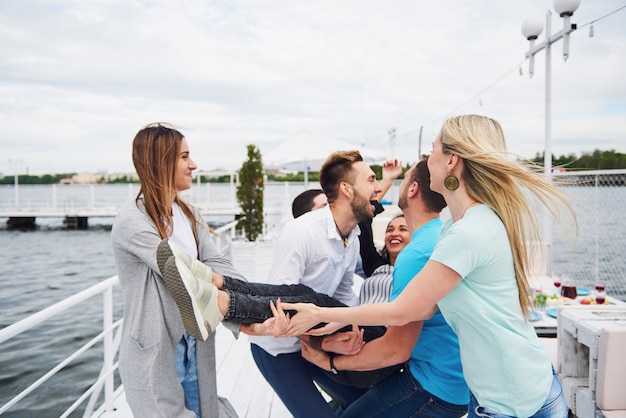 Boat Passenger Etiquette – Essential Tips for Polite, Safe, and Enjoyable Boating">

Secure all gear and take a seat near the captains seat before engine start. This limits loose items; reduces trip hazards; keeps boarding smooth. Remember this approach shapes behavior aboard during boarding on the ocean; also, it reduces risk.
In terms of etiquette, keep behavior calm; adhere to measured tones; avoid blocking seating or rail; use the radio to communicate with captains when needed; this helps boaters coordinate moves while on board; keeping people safe.
During boarding, remember to choose a seat that does not block passage; keep near the light on the ocean; this respects limited space; prevents crowding; helps people staying comfortable on a rolling deck. This practice also supports smoother movements when gear shifts with waves.
Bring sunscreen; a cap; water; a compact weather kit; secure these items in pockets near the seat. Keeping things close to the body reduces risk if waves rise; this is especially helpful during staying on calm or rough legs of a trip.
This knowledge supports staying secure; boaters adhere to marked zones; keep voices low; watch people near the rail; maintain hands on grab bars; avoid leaning over edge; check gear before leaving dock.
Remember yourself as a participant; your behavior shapes the vibe for others. Vigilance with weather, light, sea state keeps everyone secure along the voyage; boaters share space gracefully; this reduces risk.
Boat Passenger Etiquette: Practical Tips for Polite, Safe, and Enjoyable Boating
Start with a concise briefing on guidelines, prioritizing staying clear of motion paths, preserving space near seating, avoiding damage to vessels.
These guidelines emphasize mindful behavior near rails; prefer quiet talk; avoid crowded zones.
Maintain close distance to travelers by seating along the side rails; this reduces crowding, keeps movement predictable; theyre mindful of others.
Boarding; disembarking: keep the process orderly; if space is tight, wait for a light motion interval.
Children require mindful supervision; set a designated area, ensure life jackets sized correctly; dont leave them unattended.
Protect vessels by avoiding marks, damage; store gear securely; use reusable containers; this supports eco-friendly culture.
Navigation: keep clear of motion zones; await crew guidance before close passing; stay mindful near wakes; navigate conditions.
Passing boats: yield space, respect rules; boaters expect courtesy; communicate intent via radio; if visibility is limited, slow to idle.
Environmental care: stay on marked routes, dont leave marks, avoid litter, rinse gear after use; this reduces damage to ecosystems much, supporting resilience.
Conclusion: mindful behavior, adherence to guidelines, respectful talk reinforce etiquette on the water. There is value in consistency.
Pre-Boarding Briefing for Guests: What to know before you step aboard
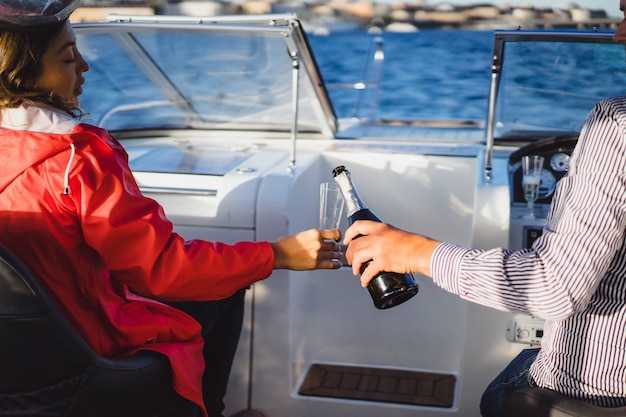
Arrive at least 15 minutes early; choose parking on higher ground if available, avoiding busy lanes; bring minimal belongings; this save time during check-in; adhere to posted guidelines; little delays reduce stresses.
Review the pre-boarding safety notice with the crew; note the closest exit, location of life jackets, seating rules; the best seat is near the center of the vessels to minimize sway; clutter; crowding; this reduces stresses during movement, ensuring comfort.
Keep voices low; reserve talk for open areas; υπάρχει limited space below deck; photos allowed on deck; avoid flash that disturbs others; remember to conserve battery; personal devices kept quiet near others; long conversations near exits discouraged.
Children must remain within arm’s reach of an adult; supervision on deck required; life jackets worn when directed; swimming prohibited within boundaries; this ensures safety; remember them, keep young guests near the side rails to prevent slips near waters.
Store personal belongings in designated pockets or bags attached to seating; keep valuables close to the body; avoid loose items that could shift during passing wakes; this prevents damage to vessels; pack a compact bag with essential items only; same guidelines apply to all guests.
Choose eco-friendly transit to reach the dock; there’s limited dock space during busy periods; move with care when passing vessels; keep noise moderate; respect sleeping passengers; this aligns with great best practices; great start to your experience.
During boarding, maintain calm; there’s a single path to the seating area; avoid blocking the doorway; touch surfaces lightly; keep music at a moderate level; with thoughtful conduct, most guests feel welcome; also speak briefly, then enjoy the journey; this approach αποθήκευση time, reduces stresses, strengthens the shared experience, making the ride more enjoyable.
Boarding and Disembarking: Step-by-step manners to follow
Stand ready at the designated entry; await the crew’s cue before stepping on board.
Grip the railing with one hand; keep the other free; move down slowly; maintain distance from the edge.
Children require supervision; animals should be kept in personal space; leash or carrier secured.
Before boarding, verify gear: life jackets, signaling devices, radio.
Keep distance from the railing edge; navigate toward the designated area; limited space may exist there.
Use the marine radio to report readiness; this keeps times coordinated; reduces confusion.
Remember their personal space; invite passengers to move with care; never block the hatch; disembark in single-file.
Where there is limited loading, lines form at the designated point; times of transfer should align with crew to prevent crowding.
After docking, store gear; save movements that may cause slips; remember to stay near the deck until clearance.
Consult a trusted crew member if doubt arises; their guidance keeps safety procedures predictable.
Guest Conduct on Deck: Noise, space, footwear, and personal items
Keep voices low within designated zones; gear kept secure to prevent damage.
These points establish a baseline for passenger behavior on deck, in marine settings, with minimal gear on deck, whether youre on a long passage or a short harbor hop.
- Noise: maintain light levels; avoid shouting; avoid loud music in busy zones, especially when crew is working in crowded spaces.
- Space, movement: in limited spaces, keep seat(s) in use; aisles clear; yield to those passing; move slowly along the deck.
- Footwear: wear flat, non-marking footwear; avoid high heels; on a wet surface, switch to grip-focused gear before moving.
- Personal items: store gear in designated pockets; secure cameras, bags, and phones to keep head free; avoid leaving items in walkways to prevent damage to vessels.
- Photos: keep devices secured during rough conditions; avoid throwing photos or equipment into the air; never chase action shots from edges.
- Common practice: this approach keeps experiences positive for people; passengers alike; start by keeping little space reserved for others when arriving in busy zones.
- Boarding, boating: consistency applies to all vessels; the same guidelines apply to every guest on board.
- Arrive calmly: loading and unloading in crowded zones proceed slowly; designate a small spot to store items that might otherwise block passages.
- Long-term effect: gear storage, low voices reduce risk; experiences stay positive; passenger comfort remains high.
Safety Gear and Emergency Roles: Life jackets, signaling, and readiness
Wear life jackets before stepping onto the ramp and keep them on until you reach shore or a sheltered side. Ensure a snug fit, check straps and buckles, replace worn parts. Never rely on memory; always verify certification and weight rating by person. This will reduce risk during rough conditions or sudden movement on the water.
Emergency roles: The head of crew coordinates signaling; radio use remains the responsibility of the appointed guest; assign a dedicated watcher, a second guest handles throw rings; designate a muster point; in busy zones near jetties and ramp, add extra lookouts; ensure every guest knows a position, the order of actions, and the location of gear. A brief briefing lasting less than a few minutes before departure improves readiness and response time. Whether winds shift or seas change, this setup improves preparedness.
Signaling gear: VHF radio; whistle; distress flares; daylight signaling mirror. Before departure, test radio battery; confirm channel 16; check expiry dates on flares; store signaling kit within reach of the head. This will help you react quickly if a guest or vessel needs help here on this marine trip. Photos of gear in a log improve maintenance.
Alcohol aboard reduces judgment; drinking on deck during signaling or rescue work is prohibited. Use a dedicated guest to observe gear; this creates an opportunity to practice a slow, deliberate routine. Stay mindful of animals near jetties; whether the water is calm or rough, respect zones around vessels; youre safety depends on preparation.
| Item | Purpose | Readiness Check | Σημειώσεις |
|---|---|---|---|
| Life jackets (PFDs) | Provide buoyancy for each person; regulate buoyant rating by wearer | Fit test; inspect straps, buckles; replace worn components; verify size per person | Keep accessible near Muster points; Type III preferred near shore; Type I for limited water visibility |
| Throwable devices (ring buoy, throw line) | Reach a swimmer or MOB quickly; facilitate controlled toss | Line condition; rope length; secure attachment; location within arm’s reach | Practice throws along the vessel side; rotate gear seasonally |
| Signaling devices (flares, whistle, mirror) | Draw attention; indicate distress; day or night signaling | Expiry dates checked; containers watertight; horn or whistle operates | Keep within the head’s reach; photos help track expiry |
| Radio and communication (VHF) | Two‑way communication with authorities and vessels | Battery test; antenna secure; channel 16 monitored; volume set | Know local channels; maintain backup power if possible |
| First aid kit and fire extinguisher | Address injuries; suppress small fires | Monthly check; replenish used items; accessible location | Basic training advised; replace after any use |
Communicating with the Captain: Clear questions, listening, and following instructions
Always address the captain with a precise question, listen intently, then comply with instructions without delay.
To navigate safely, secure belongings; avoid leaving items in the path; maintain distance from docks; parking areas; plus other vessels; ensure you are ready to react to changes; keep a clear line of sight to the captain.
Before departure, verify fuel; check parking guidance; ensure belongings are secured; first, confirm the planned route with the captain; if changes occur, ask for clarification with a concrete example; stay mindful of theyre stresses.
During motion, drinking is prohibited on deck; keep distance from rails; moving gear; adhere to instructions by taking appropriate action; example: when told to reduce speed, respond with a quick confirmation; a measured response follows.
This moment presents an opportunity to learn; reply with a concise recap to show you adhere to the plan; this builds trust, reduces pressure during docking; ensures no damage to docks or gear; if you are unsure, take a moment to ask a brief question before proceeding; always stay mindful of their signals, distance, plus level of readiness; you as a passenger contribute to smooth operation.