


 Ελληνικά
  English (UK)
  Русский
  العربية
  日本語
日本語  한국어
한국어  Magyar
  Türkçe
  Español
  Čeština
  Svenska
  Português
  Suomi
Suomi  Nederlands
  Română
  Italiano
  Français
  Polski
  Українська
  Deutsch
  简体中文
简体中文  Slovenčina
 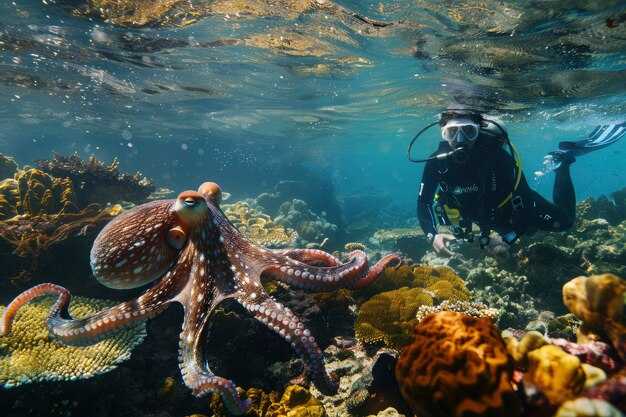 Best Dive Trips – Top Scuba Diving Destinations">

Start with Sipadan, Malaysia, for a standout scuba experience that instantly raises the bar. From crystal-clear water to bustling pelagic life, the small island and surrounding reefs deliver memorable encounters with turtles and sharks. Choose a licensed operator and a compact itinerary that keeps travel simple and safety a priority on the water.
Indonesia’s Raja Ampat is a must for a multi‑day, multi‑site route across small islands with extraordinary biodiversity. A liveaboard lets you stay in one place while you explore ridge walls, lagoons, and coral gardens. Expect manta sightings, colorful macro life, and afternoons on beach stops to rest and review skills.
The Red Sea, southern Egypt, provides reliable water and dramatic underwater formations. A southern Sinai base or Hurghada liveaboard unlocks Ras Mohammed and Straits of Tiran, where turtles and reef fish are common. Plan your days to balance scuba sessions with shore time to stay fresh and safe.
Belize offers calm, accessible routes around Turneffe Atoll and Lighthouse Reef for steady progress. Shore entries are straightforward, visibility stays good, and you can meet nurse sharks, rays, and turtles while refining skills. Pair reef time with a beach break to soak in the Caribbean sun between sessions.
For a compact, predictable option, Bonaire keeps the focus on shore excursions and excellent visibility. The island’s protected waters let you practice fundamentals, explore from beach access, and loop through several islands or corners on a single trip. Great for first timers and those building confidence before longer expeditions.
Next steps include selecting operators with solid safety records, verifying equipment standards, and matching your plan to seasonal conditions into optimal windows. Also hydrate well, pace activities, and rely on local guides who know the best beach spots and wildlife behavior at each stop.
St Maarten/St Martin Dive Highlights: Wrecks, Reefs, and Shore Access
Begin with a guided underwater excursion to wrecks off maartens and then explore the surrounding reefs; this approach makes your vacation efficient and suits first‑timers as well as experienced visitors, and it helps you know where to look from the start.
Wrecks and Reefs: What to Expect
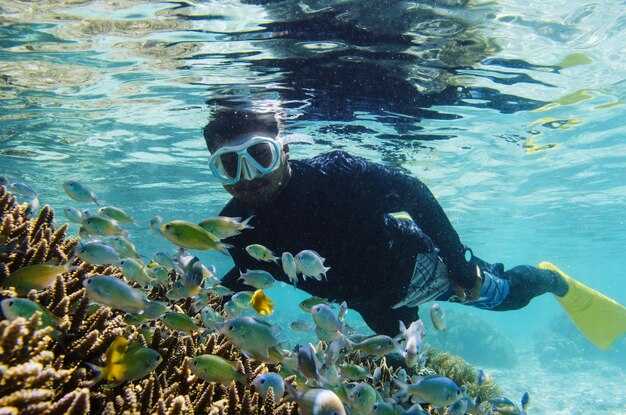
The wrecks around maartens lie mainly at shallow to mid depths, typically 12–25 meters, where hulls offer easy entries and comfortable bottom times. The latest safety practices apply to both beginners and the most experienced travelers; visibility commonly ranges 15–30 meters and water temperature sits around 26–29°C, with caribbean waters staying well lit in morning hours. Most wrecks are accessible from shore or short boat rides, giving you flexible options with a partner or group.
Shore Access and Tips
Shore access is well organized at several beaches, making it easy to start from land or to combine shore options with a short boat transfer. To make the most of your time, plan around tides–low tide often provides calmer entry and exit points. Bring a surface marker buoy, keep attention to currents, and maintain a comfortable reserve of air; this helps you explore calmly with a guide who speaks english, which many visitors value. The favourite spots are usually the ones with turtles and eels visible, mainly in calmer mornings, so check the latest forecast and wrap your vacation with a few memorable photos plus a quick swim in warm waters.
Best Time to Dive: Visibility, Sea State, and Water Temperature in St Maarten
Your best window is February through May: visibility is at its best and sea conditions stay calm to moderate. Visibility ranges between 25 and 40 meters on clear days, with a sea state of 0–2 meters and rarely more than 3 meters after fronts. Water temperatures stay around 27–29°C, so a 3–5 mm wetsuit keeps you comfortable back-to-back sessions during this period. Overall conditions are favorable for divers, and many visitors choose this window for their vacation.
During the off-peak months, June through November, expect more variability: visibility can dip to 15–25 meters after heavy showers, and sea state can be choppier with occasional 2–3 meter swells. Water stays warm, typically 26–29°C, but unsettled skies can disrupt schedules and days on the water. This pattern has been stable over many seasons.
On sint maarten, maartens reefs along the south coast showcase highlights for visitors. Reefs teem with corals, fish, and in-water life, and sharks are occasionally spotted near outer edges. The best chances to see them align with calmer mornings and clearer conditions, making these sessions attractive for many divers.
First-time visitors with a padi certification or any international certification will find a center offering refresher courses, equipment checks, and guided sessions. Centers tailor experiences to your level and schedule, often free of charge for gear checks, and then help plan next steps for their vacation.
Seasonal Highlights and Practical Tips
Book during the February–May window for your best visibility and the most consistent sea state. If you must travel in the off-season, plan back-to-back sessions on days with a solid forecast, and take advantage of free equipment checks at the center. Attention to conditions on the day keeps your plans flexible and ensures a safe, enjoyable experience for visitors and their companions.
Planning Your Visit: Certification, Centers, and Family Options
Choose a local international center that offers a variety of options, from beginner-friendly scuba sessions to advanced courses. Next to your certified status, you can free a few hours for snorkelers or beach time, making it easy to balance non-diving activities during your vacation. Many centers are located near popular hotels, making back-to-back outings convenient for you and your group.
Top Dive Sites: From Shore Reefs to Boat-Accessible Wrecks around the Islands
Start at juliana reef, a popular destination where shore access is free and you can book a relaxed morning with eels and varied reef life. They rarely disappoint divers who come for the variety and the chance to build skills before tackling the open water.
Then move to boat-accessible wrecks around the islands to extend the experience. These sites offer a mix of structure, currents, and wildlife, with maximum bottom time provided that conditions stay calm. They have been popular for years, and the highlights include maartens wreck, sheng platform, and martin wreck, each presenting different conditions and opportunities for exploration.
- maartens wreck – shallow entry, accessible decks, and a graceful ascent; depth up to 20m, plenty of schooling fish and occasional eels; ideal for beginner to intermediate groups seeking a varied experience.
- sheng platform – mid-depth site with a lattice of beams, swim-throughs, and cleaner stations; watch for silt in lower tides and plan a shorter penetration if visibility dips.
- martin wreck – larger vessel with multiple compartments, robust hull structure, and a handful of artifacts; offers extended bottom time for experienced groups and a chance to practice navigation.
Practical tips to keep the trip well within limits: check weather and sea state, book with operators who tailor programs to skill levels, and respect local guidelines so that the responsibility rests with everyone. Having the right gear, a compact torch for wrecks, and a backup plan for cloudy days helps maximize the break between sessions and keeps the group safe. This plan keeps everyone well prepared and ready to adjust plans as conditions shift.
Choosing a Dive Operator: Certifications, Safety Protocols, and Gear Availability
Choose a padi-certified operator with transparent safety protocols, reliable gear, and a clear emergency plan.
Ask for proof of current credentials and written safety procedures, including on-board oxygen availability, a marine-radio protocol, and an established rescue plan. Confirm staff have up-to-date certifications and that the crew routinely briefing visitors before each scuba excursion covers route, depth, and environmental conditions.
In philipsburg and along the south shore, several operators run day trips that start near the beach and head toward wrecks, reefs, and encrusted hulls. Guides tailor routes to the group, aiming for maximum exposure to visibility, interesting marine life, and smooth seas on calm days.
Certifications and Safety Protocols
Verify that the operator’s crew holds recognized credentials and that the shop maintains an updated safety program. Look for a written plan for weather changes, medical emergencies, and transport to a medical facility if needed. Ensure the boat has a first‑aid kit, a functioning radio, and clear procedures for calling emergency services.
Gear Availability and Boat Experience
Check gear inventory, sizing options, and backup equipment. Confirm scuba sets, regulators, BCDs, masks, fins, and weight systems are in good condition, with spare parts on hand. Ask whether they provide free or affordable rental kits, and whether spare air or back‑ups are accessible during the trip. A well‑equipped boat with a disciplined briefing helps divers stay comfortable, especially when marine life like lobsters or eels appears around wrecks and reefs.
| Aspect | Checklist | Why it matters |
|---|---|---|
| Certifications | Current padi or other recognized agency cards; expiry date; cross‑check with official listings | Ensures qualified instruction and eligible supervision for a given route |
| Εξοπλισμός ασφαλείας | On‑board O2, first aid, marine radio, rescue equipment; posted emergency plan | Reduces response time in an incident and improves outcomes |
| Boat and crew | Crew proficiency, guest ratio, planned routes (wrecks vs reefs), time at depth | Influences safety, comfort, and overall experience |
| Gear availability | Range of sizes, back‑up regulators, spare weights, free vs. paid rentals | Prevents last‑minute gear issues and fit problems |
| Local conditions | Water temperature ranges; visibility; typical depths; traffic around popular sites | Aids in selecting appropriate exposure protection and planning |
Underwater Photography and Marine Life: What to Capture and How to Plan
Begin with a wide reef shot in warm water to set the scene, then approach a grouper around a sheltering ledge to capture texture and eye. This does not require high-end gear to start; a standard zoom or a 60mm macro with natural light yields strong results, and you can shoot both stills and short sequences at a site.
What to capture
Sharks add drama when they appear around the edge of a drop, so maintain a safe distance and use a longer focal length. Groupers often loiter around mid-water hollows and crevices; frame their bulk against vibrant coral for scale. Eels weave between coral heads; shoot low to highlight their sinuous lines. Small reef residents–wrasses, gobies, shrimps–shine when you backlight against a varied backdrop of arches and sand patches. Capture a mix of wide scenes and tight detail, and between subjects try to include a colorful moment that tells the reef’s story. Keep captions in english and log where you found each subject to build a clear, repeatable workflow. This approach is popular with visitors who want a varied portfolio that explains what lives around the reefs.
Planning and field tips
Plan your sessions near philipsburg on the southern coast, where reefs and islands offer varied landscapes and a relaxed pace. The sint maarten environment blends a dutch heritage with warm water and easy access, making it a friendly destination for photographers. Local guides like sheng run center workshops that cover scene setup, gear handling, and safety notes. For gear, bring a wide-angle to capture large reef structures and a macro for small life; set ISO 100–400, aperture around f/8 for mids, and adjust shutter speed to avoid motion blur. Time your visits for morning and late afternoon when warm light lasts longer and water clarity is best. Observe wildlife distance guidelines and back from corals to protect the reef; rarely do you need more than 60 minutes at a site to gain a compelling sequence, and you can return later time for fresh subjects. By planning across a few sites, you can build a diversified collection that reflects the center, between their reefs, and the energy of the southern islands around philipsburg.