


 Ελληνικά
  English (UK)
  Русский
  العربية
  日本語
日本語  한국어
한국어  Magyar
  Türkçe
  Español
  Čeština
  Svenska
  Português
  Suomi
Suomi  Nederlands
  Română
  Italiano
  Français
  Polski
  Українська
  Deutsch
  简体中文
简体中文  Slovenčina
  A Complete Guide to Sail Types">

Choose a forward forestay with a robust wire and set the mainsails for stable handling in variable wind; this layout keeps the boat moving smoothly and reduces weather helm. Match this base for most boats before adding specialized sails.
In light airs, a drifter or genoas setup is a go-to choice; they lift speed by increasing the angle of attack, keeping the boat moving without overloading the rig. Genoas, when set with the forestay, extend reach and maintain momentum on long passages; they pair with mainsails to balance load on the mast and the crew.
In moderate wind, a fractionally-cut genoas combined with standard mainsails offers predictable trimming; adjust the angle by trimming and easing the sheet while syncing with the forestay tension using wire-supported rigs. For stronger winds, reduce the exposed area with a smaller jib or reef the mainsails to prevent overloading; the crew should coordinate to maintain heave and prevent slamming. This approach keeps boats stable and enhances safety. They adjust the angles of attack to respond to wind shifts.
Choosing a set that remains suitable across conditions requires considering the boats’ size, displacement, and rig setup; they should always maintain balance when moving through seas, and the forestay tension along with the wire must be checked regularly by the crew. When switching between genoas and drifters, ensure proper halyard control and sheet efficiency so the boats stay responsive and safe.
To enhance performance and safety, document which rig configurations work best for your boats and adjust accordingly; a well-tuned setup reduces drag and improves handling; this becomes a reliable baseline for moving through diverse conditions.
Sail Types in Practice: Practical Rules for Picking the Right Sail
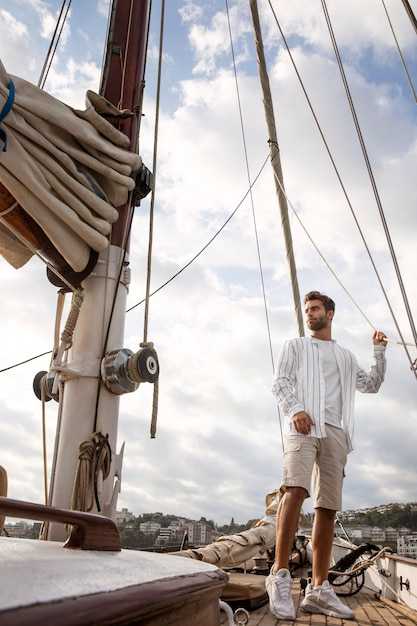
Start with a simple, balanced rig: a modest fore cloth and a mid-size main cloth, set so the halyard height yields power on demand without sudden shifts and keeps handling predictable for cruising.
In stronger breeze, move to a smaller forward cloth and reef to trim power. This reduces heeling and improves handling while keeping speed.
Gusts and transitions: during gusts, ease the forward cloth a touch and trim the main cloth again to keep speed steady; this keeps them moving instead of surging.
Heading matters: when you’re on a close heading, keep overlap modest; coming from behind, increase overlap to grab more wind.
Typical practice by wind range: typically in light air use a larger fore cloth with gentle power, generally in moderate wind keep a balanced overlap, and in strong wind go compact and steady.
Knowledge means power: read windseeker cues, monitor heading changes, and adjust halyard and sheets so the setup can withstand gusts and stay effective; theyre adjustments keep performance smooth.
источник of practical advice: field tests and skipper notes provide a reliable источник for tuning in your conditions, track speed and balance across wind shifts.
Boats differ in power balance: start with conservative settings and move to targeted tuning as you learn the craft; keep the overlap that preserves control and speed for your vessel.
Assess Your Boat’s Rig, Mast, and Deck Layout to Size Sails
Begin with a concrete plan: mainsails paired with genoas in the 110–135% range for 8–18 knots, then switch to 100–110% genoas as winds rise; keep drifters on hand for light air to sustain momentum and maximize performance across a wide wind range.
Assess rigging by mapping mast height, forestay length, and track positions. Being attentive to halyards, sheets, blocks, and turnbuckles ensures lines run on the correct paths and seats align. These checks increase control and reduce friction, which means you can trim sails more accurately as winds shift from puffy to steady.
Deck layout must support smooth operation: place winches and cleats for mainsails and genoas within easy reach; set genoa tracks to allow cars to move without binding; keep halyard lines placed away from foot traffic for safety. These parts are placed as part of the boat’s handling system to deliver balance and ease in heavy weather for specific purposes.
Wind management and sail selection: 6–12 knots, go with a larger genoa to increase light-wind acceleration; 12–20 knots, trim mainsails and adopt a mid-range genoa; above 20 knots, reef or swap to a smaller headsail, and deploy a drifter for very light air when needed. For broad reaches, the spinnaker adds momentum and keeps the forward drive stronger. This setup serves most conditions; ensure forestay and mast fittings can handle the spinnaker’s loads.
Match Sails to Wind Range: Light, Moderate, and Heavy Conditions

Divide wind into three bands and assign the rig accordingly; this direct rule keeps the boat moving and manageable.
Light winds: mainsail trimmed well; a genoa flown to maximize power helps keep speed without overloading the rig. Aim for a wind angle around 40–60 degrees to the breeze to maintain forward motion on waters that are mostly calm. This setup is great for maintaining maneuverability and avoids stalling, while remaining easy to handle. If extra power is needed, use the larger fore sail rather than forcing the main, and keep trim steady so the boat stays well balanced and controllable.
Moderate winds: balance the arrangement with a working jib or staysail alongside the mainsail; trim for efficiency and reduce weather helm. Target a wind angle in the 30–55 degree range and adjust trim to keep the boat handled smoothly by a small crew. This approach delivers a direct, effective response and a great blend of speed and control in common cruising or club racing conditions. Sailors should monitor load and adjust the rig as wind shifts, using information from wind reports (источник) where possible.
Heavy winds: reef the mainsail or fly a trysail to divide sail area and keep loads manageable; add a storm jib if gusts demand it. Tighten the angle to roughly 25–40 degrees to maintain drive while preventing overpowering, and trim to keep the center of effort low. Withstand gusts with a solid, predictable response, and have a plan to shorten sail quickly if conditions worsen. The goal is to keep the boat controllable and the crew safe, even when seas are steep and wind is fierce.
Practical note: practical trimming and handling instructions here emphasize that the combination of windseeker data, hands-on experience, and a well-structured plan will deliver the best results. Here is a concise approach to testing and refining your setup, and a reliable источник of information for reference, so you can adapt quickly to changing conditions and stay prepared on the water, regardless of who’s on deck, or what the angle of attack may be.
Compare Main, Headsail, and Specialty Sails: When to Use Each
Start with the mainsail as the base rig and add a suitable headsail for most conditions; this basic setup gives ideal balance on a sailboat and predictable hull flow. Read the wind and trim to keep the boat steady; in light air, using a headsail to increase drive helps; in heavy weather, reef the main and consider a trysail to prevent overpowering the hull. This approach answers which options work best in varying winds and keeps you in charge while the wind shifts.
The main’s strength lies in reliability and ease of handling when the boat is on a close-hauled course. For most cruising, this common setup remains your first choice, with the halyard tension adjusted to keep a clean luff and to improve flow along the deck. When the wind is light to moderate, you can stay with the main alone or add a small headsail to read shifts and increase speed without overloading the rig. Trim for different wind points to maintain balance. These combinations have sailed well in diverse conditions.
Headsails come into play when you need extra power upwind or want more balance on a breeze that is shifting. A jib or genoa sized to the rig (roughly 100–130% on many boats) is suitable for most days; using a larger genoa improves progress into light wind, but can slow you down and hurt pointing in stronger breeze. Adjust halyard tension to keep the luff tight and read the sheets to maintain a clean entry. When coming from behind or to windward on a broad reach, these rigs help you keep speed, but you must choose the right size for your hull and rig.
Specialty gear expands the range: a downwind spinnaker or gennaker shines on broad reaches and light air; a code zero fills gaps between genoas and downwind sheets; a trysail delivers controlled power in heavy weather. Each requires its own halyard, sheets, and pole or launch alignment; use this gear only when you have the crew, the space, and the information to operate safely. Explore these configurations on a calm day before risking heavy weather, so you know how to trim, read changes in wind pressure, and adjust gear as conditions shift.
Flow is your guide: if the breeze is light and coming from aft, switch to a downwind option to increase speed; if you face heavy seas, drop the downwind gear and set the trysail. Whether the boat is on a close-hauled course or a broad reach, this flow of information should tell you which rig to select. For most voyages, the basic main plus a suitable jib is enough; only increase use of these extras when you read the forecast and know your hull and rig well. The aim is to keep speed up, trim stable, and prevent loss of control by overloading the rig.
Understand Materials and Build Quality: Dacron vs Laminates vs Composite
Start with Dacron-based fabric for most cruising vessels: predictable handling, well-damped loading, and low annual cost.
General comparisons and practical implications:
- Dacron (polyester) – common, versatile, and forgiving. Weights typically 4–6 oz/yd^2; elongation about 8–12% at break, with working elongation around 4–6%. These fabrics produce predictable shape changes under load, are easy to inspect and repair, and offer a long service life (roughly 7–12+ years with proper UV protection and regular checks).
- Laminates (Mylar or PET film with fiber reinforcement) – higher stiffness and lower stretch. Typical fabric weight around 2–3 oz/yd^2; very low creep under load (roughly 4–6% or less) and crisper edges in moderate to high wind. More sensitive to punctures and delamination; repairs require skilled workmanship and careful UV protection. Great for versatile, performance-minded mains and headsails where you want controlled momentum and steady shape under gusts.
- Composite (carbon, aramid blends) – ultimate stiffness, very low elongation (often 1–3%), and best upwind performance. Weight per area in practice 1.5–3 oz/yd^2 equivalent, depending on the resin/fiber mix; expensive and repair-heavy, requiring specialists. Ideal for offshore racers or vessels pursuing the highest efficiency in a narrow wind band; the physics of load distribution favors these when budgets and service setup allow.
Guidance by purpose:
- For common cruising on a budget, pick Dacron mains and headsails. The material is well suited for a broad wind range and common offshore profiles, with straightforward repairs in-port or on the water.
- For club racing or performance cruising, laminate headsails or a laminate main provide improved shape-holding and faster response. Expect higher initial cost and more careful maintenance.
- For specialized speed runs or offshore campaigns, composite construction offers the best control at close angles and during high-load gusts. This choice demands premium support, precise luff curves, and disciplined handling to preserve long-term performance.
Practical notes about equipment and configurations:
- Spinnaker fabrics benefit from lower stretch and high tear resistance; laminated or nylon-based versions perform well across light-to-mid wind ranges, with lamination giving crisper edges in stronger trades.
- Οι περιπλανώμενοι, σχεδιασμένοι για ημέρες με ελαφρύ αέρα, προτιμούν υφάσματα με καλή διαπερατότητα και χαμηλή τριβή· η επιλογή συχνά πέφτει σε μείγματα Dacron ή νάιλον ανάλογα με το φορτίο και τον προϋπολογισμό.
- Τα ιστία ποικίλλουν ανάλογα με τον ρόλο τους: χρησιμοποιήστε Dacron για ανθεκτικότητα και δυνατότητα επισκευής· laminate υλικά για βελτιωμένη απόδοση ανάντη· σύνθετα για μέγιστη απόδοση όταν το πλήρωμα και το εργαστήριο είναι προετοιμασμένοι να τα υποστηρίξουν.
Βασικά συμπεράσματα: γενικά, όσο περισσότερο απαιτείτε από τη σταθερότητα και την ταχύτητα του σχήματος, τόσο περισσότερο τείνετε προς τα laminate ή τα σύνθετα υλικά· για αξιοπιστία και οικονομία, το Dacron παραμένει κοινό. Δεν υπάρχει μια λύση που να ταιριάζει σε όλους· συνήθως θα υιοθετήσετε πολλαπλά υλικά για να καλύψετε πολλαπλούς σκοπούς και κλιματικές συνθήκες πίσω από το ίδιο σκάφος. Πάντα ευθυγραμμίστε τις επιλογές σας με τον κώδικα σχεδίασης, τα αναμενόμενα εύρη ανέμου και το λειτουργικό προφίλ: πλεύση σε μεταβαλλόμενους ριους, εργασία υπό ανέφεση κοντά στον άνεμο και η χρήση ενός spinnaker ή ενός drifter υπό ειδικές συνθήκες. Θα έχετε ισχυρή απόδοση εάν ταιριάξετε τα υλικά με τη φυσική της φόρτωσης και το στοχευμένο πλαίσιο.
Προσοχή, Χειρισμός και Γρήγορες Ρυθμίσεις για να Επεκτείνετε τη Διάρκεια Ζωής των Ιστίων
Άμεση ενέργεια: αντικαταστήστε τα φθαρμένα χειρόμονα και τα σκοινιά· επιθεωρήστε το κεφάλι και την άκρη για φθορά και ξαναδέστε τους μπερδεμένους κόμπους· κρατήστε τις γραμμές τοποθετημένες μακριά από περιοχές με μεγάλη φθορά για να αποτρέψετε την τριβή· ξεπλύνετε με γλυκό νερό μετά από ψεκασμό αλατιού, στεγνώστε γρήγορα και αποθηκεύστε σε σκιερό, αεριζόμενο χώρο αποθήκευσης, πηγή: έμπειρα πληρώματα.
Οι δυνατοί άνεμοι απαιτούν μετρημένη ελέγχου: χαλαρώστε το πανί κατά τη διάρκεια ριπών, στρίψτε το τιμόνι ομαλά και αποφύγετε την υπερβολική ρύθμιση της κεφαλής του υφάσματος· είτε σε κοντινή πορεία είτε σε πιο ανοιχτή, διατηρήστε σταθερή πορεία με ήπιες ρυθμίσεις· γι' αυτό και αυτή η προσέγγιση θα διατηρήσει το ύφασμα ενώ διατηρεί την ταχύτητα προσβάσιμη.
Για διαμορφώσεις που χρησιμοποιούν τριγωνικά headsails, ρυθμίστε την τάση του άκρου σε ένα ήπιο φορτίο και χρησιμοποιήστε τους χειρισμούς κατά μήκος του πλάτους για να ρυθμίσετε το σχέδιο· αποφύγετε την υπερφόρτωση χωρίς να τραβήξετε πολύ σφιχτά το άκρο· αν στρίψετε σε γωνία παρεούλας, βεβαιωθείτε ότι το ύφασμα παραμένει ομοιόμορφα τεντωμένο και δεν εμφανίζει ζάρες· ο χρησιμοποιημένος εξοπλισμός θα πρέπει να επιθεωρείται τακτικά και να αποσύρεται όταν η φθορά υπερβαίνει τα ασφαλή όρια.
Συντήρηση που ενισχύει τη διάρκεια ζωής: ξεπλύνετε μετά την έκθεση σε αλάτι, αφήστε το να στεγνώσει εντελώς στον αέρα και αποθηκεύστε το μακριά από άμεσο ηλιακό φως σε ένα χώρο με αερισμό. Περιστρέψτε ποια άκρη βλέπει προς τα έξω για να εξισορροπήσετε τη φθορά και εφαρμόστε ένα ελαφρύ προστατευτικό UV επίστρωμα μόνο εάν είναι συμβατό με το ύφασμα. Αυτό θα παρατείνει τη διάρκεια ζωής πολύ αποτελεσματικά.
Γρήγοροι έλεγχοι κατά τη διάρκεια ενός ταξιδιού: κάθε δύο ώρες εξέταση των άκρων στα μπλοκ για φθορά ή ξεφρύγαρες και αντικατάσταση των φθαρμένων αντικειμένων αμέσως· επαλήθευση ότι οι ραφές κεφαλής, αβρού και βάσης παραμένουν άθικτες και ότι οι ασφάλειες των σανιών παραμένουν ασφαλείς· αυτές οι προσεκτικές ενέργειες θα βελτιώσουν την απόδοση οδήγησης σε κάθε σκέλος της διαδρομής και θα μειώσουν την πιθανότητα αστοχίας στη θάλασσα.