


 Ελληνικά
  English (UK)
  Русский
  العربية
  日本語
日本語  한국어
한국어  Magyar
  Türkçe
  Español
  Čeština
  Svenska
  Português
  Suomi
Suomi  Nederlands
  Română
  Italiano
  Français
  Polski
  Українська
  Deutsch
  简体中文
简体中文  Slovenčina
 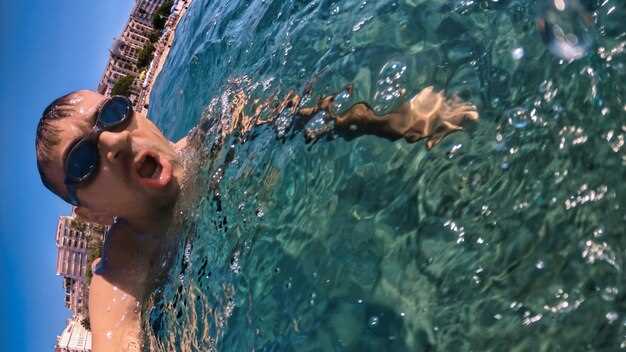 9 Best Snorkeling Experiences in St. Thomas – The Ultimate Underwater Guide">

Start at Coki Beach harbor in calmest morning light, where visibility stretches long and angelfish drift past rocky reefs. Plan a 60–75 minute snorkel loop to gauge currents and adjust pace, then retreat to shade for a quick sip of water. This first stop provides stable depth, shallow coral columns, and a compass of schools so mind stays focused on detail rather than distance.
Next, visiting cays near thomas harbor presents colonies of coral and swarms of angelfish patrolling rocky ledges. An additional stop at nearby beachs adds a brief pause to stretch, sip water, and reset focus. This route also reveals tiny cleaner shrimp, and a 40–60 minute snorkel here suits travelers seeking a deeper look at reef architecture, with visibility high in the morning and currents typically calm by midday.
For a long, personalized experience, choose a guided session that tailors depth and route to your skill level. Look for a 75–90 minute schedule with a brief safety briefing, gear check, and a planned stop to observe angelfish schooling around rocky outcrops. Looking for a route tailored to your mind and interests yields deeper insight into reef design and life patterns.
In deeper zones, rocky drop-offs host barracudas and rays; maintain distance. Choose sites with long sunbeams slicing through water to reveal vivid color on coral. A 50–70 minute session allows a surface interval and perhaps a second stop near a sheltered cay to spot juvenile snapper schools over sandy flats.
Another option spans calmer coastlines where currents ease, exposing macro life such as tube worms and octopus. These harbor-edge spots offer a chance to photograph shy creatures in mere inches of water. Visiting early or late in the day increases visibility for close-ups over reef textures, creating vivid memories of colored parrotfish and angelfish.
Plan a multi-stop route with total duration around 2.0–3.0 hours to keep energy high and avoid fatigue. A flexible pace helps adapt to currents, light, and wind. Also, keep a mental map of locations, channels, and cays to optimize routes and minimize backtracking.
From a mindful perspective, selecting gear and pacing yields sustainable, personalized adventures. By checking local tide charts, you improve visibility and reduce surface glare, while enjoying macro glimpses of angelfish, parrotfish, and tiny crustaceans. A final, quiet stop over ocean reflections lets you close this chapter and plan future visiting thomas routes.
Narrow, practical plan for exploring St. Thomas’s underwater world
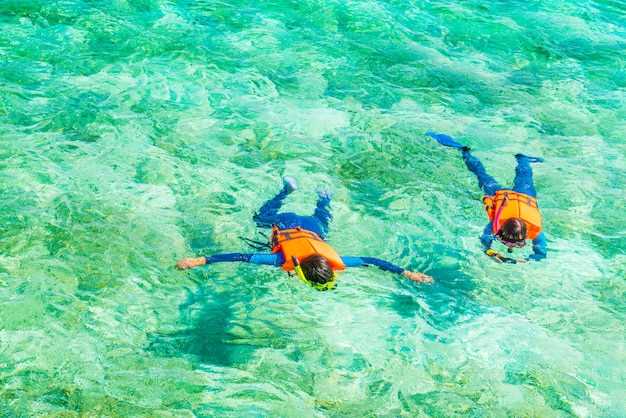
Begin with this direct recommendation: hire a compact powerboat at dawn from magens harbor, then motor across crystal waters toward sheltered reefs. youll enjoy maximum visibility and the chance to spot lobster, rays, and turtles before crowds arrive. theres a calm window to start, within this plan this morning offers an unforgettable opening, and you can also maintain a steady pace without rushing.
Three anchor stops ensure coverage: first, a shallow reef near harbor for easy entry; second, a mid-depth drop-off across from the harbor where ledges attract fish; third, a covered sand shelf where you can pause, swap air, and enjoy views of schooling fish. snorkeler can move deliberately and look for rays and lobster pockets in crevices. across the route, trees line the shore and the waters stay clear, making the experience feel seamless.
Within this plan, timing is key: morning isnt the only window, though calmer seas are most common at first light. If conditions shift, shorten the loop to two sites and return to harbor, then join a different leg later. carry complimentary water and sunscreen, plus a dry bag; after the last stop, you can sample wine on the deck while reviewing photos. excursionsst options at the marina offer add-ons, but this plan allows you to stay flexible and still cover key habitats.
Equipment and safety: bring mask, snorkel, fins that fit well, plus a small dry bag. The harbor location allows quick returns if weather worsens and keeps the trip away from crowded bays, while the approach itself can combine several spots with a single launch. this plan eliminates wasted time on boats while maximizing site variety, keeping you across different habitats with maximum exposure to underwater life. always respect local rules and avoid touching corals. If you want to extend the day, magens can serve as a midpoint to switch to another shallow run and keep moving, with the option to enjoy a complimentary wind-down break back at the harbor.
Shoreline Snorkel Spots for Beginners and Easy Access
Start at Coki Point Beach for easy access, shallow entry, and clear water. Food trucks nearby support a full morning or extended afternoon outing, especially for families planning a calm day around fish and coral. Visibility in calm conditions often reaches 20–40 feet, with a blue surroundings framed by rocky shoulders along a sheltered reef.
- Coki Point Beach – sandy entry, gentle slope, and a protected reef zone just offshore. Visibility commonly reaches 20–40 feet in morning calm, with blue water and vibrant coral heads ideal for first-timers. Location is within quick reach of parked cars, and private charters can drop you off for a private session before lunch.
- Magens Bay Beach – long, crescent shoreline with shallow, forgiving water near shore. Reefs extend a short distance, creating reliable sightings for beginners. In morning hours, visibility improves and you’ll see generous color variety among parrotfish andunki wrasse, great for a relaxed full or half-day plan.
- Sapphire Beach – turquoise, sapphire hues frame a protected bay. Shore access is straightforward, with palm-fringed margins and easy stepping stones to shallow reefs. In morning or late afternoon, visibility stays solid and wildlife keeps to view, perfect for families and short loops.
- Lindquist Beach (Smith Bay Park) – calm, sandy approach with gradual drop-off. Stairs or boardwalks simplify access, while water stays clear within a close range of shore. Surrounding water features light currents, making it simple to stay within comfortable limits for beginners.
- Morningstar Beach – convenient for resort guests and locals alike. Morning light smooths water and keeps visibility steady, letting you see a variety of reef life close to shore. Afternoon turns sometimes windier, so planning a morning session may be ideal for many visitors.
- Hull Bay Beach – a quieter spot with steady, gentle surf on calm days. Easy entry zones and a protected reef patch draw beginners, while the surrounding blue water provides a reliable backdrop for simple snorkel loops during morning hours or a relaxed sunset finish.
- Secret Harbour Beach – sheltered cove with shallow depth and soft sand, great for slow, extended sessions. Visibility remains solid in morning and again in late afternoon; private setups or small-group charters offer flexible drop-off points, increasing options for what youve seen along this coast.
- Mangrove Lagoon (Mangrove surroundings) – shallow channels among mangrove roots invite safe exploration for beginners. This spot rewards careful planning and flexibility, as you can drift along within protected pockets and observe small fish and crabs moving through murky-to-clear patches. For a full day, mangrove terrain pairs well with nearby blue-water views and framed reflections in shallow bays.
Whats more, each location around thomas island offers nearby access points so you can adjust plans on the fly. Youve got options to pair morning sessions with afternoon explorations, or to pause for food and rest and resume when currents allow. Private arrangements or charters often extend snorkel windows beyond shoreline limits, enabling longer experiences without sacrificing safety or visibility. For families, these spots provide easy access, clear water, and protected zones that let beginners build confidence while still enjoying vibrant marine life during sunrise or sunset views.
Boat-Based Snorkel Trips with Reef Highlights and Convenient Gear
Recommendation: book a private morning tour on a compact fleet that includes mask, snorkel, fins, and life jackets; an early departure yields calmer surface conditions, clearer water, and extended reef time.
Route highlights typically pass through a sheltered lagoon to the reef edge, with the chance to swim through framed formations of coral and schools of tropical fish. Visibility is clear in the morning, and currents stay manageable near the edge; for a snorkeler, these conditions are welcoming.
Gear and on-board convenience save time: equipment is stored on deck, quick rinse options exist, shaded seating is available, and drinks flow between swims. Keep your feet relaxed on the surface and use the fins to glide with minimal effort; safety lines keep you in position near the dyke and reef walls.
Crew and safety: thomass and john lead the boat, with a british crew providing a concise briefing and ready safety equipment. Those seeking flexibility can tailor the stops, and extended tours offer extra reef time. The setup typically allows you to photograph through frames of coral while moving at a comfortable pace.
Booking notes: christmas slots and off-season itineraries are available, and private tours can adapt to early starts or late returns. If fitness is a concern, choose a route with shorter swims and rests between sections; this opportunity suits travelers looking for a relaxed tour along the lagoon, dyke, and edge while enjoying an extended surface view.
Protected Areas and Reefs: Where to Expect Clear Water and Dense Life
Go to mangrove-fringed coves on western shores at dawn for pristine water and full visibility; thats when dense life has a chance to show up and memorable sightings occur.
Protected areas, framed by healthy reefs, often yield pristine water and sheltered vantage points, with sightings of such species as spotted grouper, parrotfish, and rays gliding by; smith locals share these sightings.
Take a short tour that explores shallow reef flats and mangrove channels; take right along mangrove edge to reach calmer pockets; this option provides a convenient route to reach rich habitats without crowds. also, smith locals share maps showing preferred routes along these coasts.
Locals emphasize observing from safe distances; food and snacks attract activity around reefs, though mind the impact and avoid feeding; thats approach yields full sighting potential without disruption.
magens offers a practical anchor, with shallow, clear water and dense life suitable for frame-worthy moments; sarandë adds another option for a calmer backdrop, though currents reaches varying strengths.
Morning calm after light winds offers highest clarity; carry a mask and fins, plus a spare snack, to stay comfortable and mindful of physical currents and wildlife. Something simple: move slow and mind the moment.
Key Marine Life to Observe: Turtles, Reef Fish, Rays, and More

Book sunrise powerboat charters across magens for turtle sightings; such options deliver unforgettable light on corals and a smooth, low-disturbance drift.
Mind your distance and observe from a respectful 3–4 m when approaching coki. Green and hawksbill turtles surface along seagrass edges and around coral heads; photograph from the side to avoid glare on their shells, them staying calm throughout.
Reef fish color up best in right light along vertical drop-offs and reef walls. Look for parrotfish, surgeonfish, wrasses, and snappers as schools swirl around ledges; keep your hands off the reef and let them come to you.
Eagle rays and southern stingrays glide over sandy pockets, especially near christmas coves and outer reef flats. Watch their smooth arcs from a stable position in about 1–2 m of water; a slow drift with the current increases your chances of sightings.
Corals anchor the scene: brain, star, elkhorn, and fan formations provide shelter for damselfish and tiny critters. Identify such structures across thomas- locations like coki and magens, and note how light plays across the polyp surfaces throughout the morning.
Για να σχεδιάσετε τις ημέρες σας, διαβάστε κριτικές από άλλους δύτες και ταξιδιώτες που δοκίμασαν πολλαπλές επιλογές. Τοποθεσίες σε όλη την Thomas- και κοντινά νησάκια προσφέρουν πολλαπλά πλεονεκτήματα· ορισμένες ναυλώσεις προσαρμόζουν τα δρομολόγια στις κατάλληλες συνθήκες και σε μικρότερες μετακινήσεις, ώστε να αποφύγετε τα πολλά ρεύματα και να τραβήξετε περισσότερες φωτογραφίες. Χάρη σε αυτές τις σημειώσεις, μπορείτε να επιλέξετε ένα πρόγραμμα που ταιριάζει στη φυσική σας κατάσταση και στο πρόγραμμά σας, απολαμβάνοντας παράλληλα τα σκηνικά της Thomas- που μοιάζουν απομακρυσμένα αλλά προσβάσιμα.
Τα σνακ κατά τη διάρκεια της διαδρομής διατηρούν την ενέργεια σε υψηλά επίπεδα σε μεγάλες διαδρομές. Δεν υπάρχει λόγος να βιάζεστε, πάρτε το χρόνο σας, σεβαστείτε την άγρια ζωή και απολαύστε τα χρώματα καθ' όλη τη διάρκεια της ημέρας.
Εξοπλισμός, Χρονοδιάγραμμα και Ασφάλεια: Ένα Πρακτικό Ημερήσιο Πλάνο για Κολυμβητές με Αναπνευστήρα
Νοικιάστε μάσκα και βατραχοπέδιλα από αξιόπιστο κατάστημα το προηγούμενο βράδυ και κλείστε μικρό σκάφος για ολοήμερη εκδρομή. Συνάντηση στο λιμάνι στις 08:00· σύντομη ενημέρωση για την ασφάλεια· εξοπλισμός παρέχεται από το πλήρωμα· επιβεβαιώστε ότι η μάσκα σφραγίζει καλά και τα βατραχοπέδιλα εφαρμόζουν στα πόδια.
Ετοιμάστε μια ελαφριά τσάντα: 1 λίτρο νερό ανά άτομο, μεσημεριανό γεύμα, αντιηλιακό ασφαλές για τον ύφαλο, αδιάβροχη θήκη για τιμαλφή. Βεβαιωθείτε ότι ο αναπνευστήρας έχει βαλβίδα εξαέρωσης· φέρτε εφεδρικό επιστόμιο αν χρειαστεί· εξασφαλίστε πρόσβαση στον εξοπλισμό που παρέχεται από τον ναυλωτή· διατηρήστε τον ρυθμό με τον σύντροφό σας.
Πρωινό πλάνο: Οι ύφαλοι του Sapphire Cays προσφέρουν καθαρές εικόνες· επόμενος σταθμός Buck Island spots· οι συνεδρίες περιορίζονται στα 50–60 λεπτά· διατηρείτε απόσταση 6–8 μέτρων από τον σύντροφο· πιθανές θεάσεις χταποδιών σε βραχώδεις περιοχές.
Ασφάλεια: πάντα σε ζευγάρια· μείνετε κοντά, αποφύγετε να αγγίζετε κοράλλια ή άγρια ζωή· εάν τα ρεύματα αυξηθούν ή η ορατότητα μειωθεί, ματαιώστε και επιστρέψτε στο σκάφος· σηματοδοτήστε με σφυρίχτρα ή φωτεινό σημαντήρα· η ενημέρωση για τις μέδουσες είναι σημαντική.
Διάλειμμα για μεσημεριανό: Γεύμα σε ήρεμη παραλία ή σε σημείο δίπλα στο πάρκο· μετά το μεσημεριανό, δεύτερη συνεδρία κοντά στο Gorda Cay και κοντινά cays· η πρόσβαση σε σημεία με υφάλους παραμένει ισχυρή· το τι θα ακολουθήσει εξαρτάται από τις συνθήκες· πολλοί επισκέπτονται τοποθεσίες με ήρεμα νερά. Οι επιλογές για μεσημεριανό γεύμα στην ακτή μπορεί να περιλαμβάνουν νερό και προαιρετικό κρασί.
Κρουαζιέρα στο λιμάνι: Εάν υπάρχουν κρουαζιερόπλοια στο λιμάνι, το επόμενο βήμα είναι η μετάβαση σε πιο ήρεμους κόλπους, η προσαρμογή των ωρών έναρξης και η επιλογή συντομότερων συνεδριών, η διατήρηση μικρής τσάντας. Αυτό βοηθά στην πρόσβαση σε σημεία όπως τα Sapphire, Buck, Gorda και Cays.
Μετά την κατάδυση: ξεπλύνετε καλά τον εξοπλισμό. ακολουθήστε τα παρεχόμενα βήματα καθαρισμού. αποθηκεύστε στη σκιά. επιβεβαιώστε με το πλήρωμα πού να τον αφήσετε. πηγή: