


 Ελληνικά
  English (UK)
  Русский
  العربية
  日本語
日本語  한국어
한국어  Magyar
  Türkçe
  Español
  Čeština
  Svenska
  Português
  Suomi
Suomi  Nederlands
  Română
  Italiano
  Français
  Polski
  Українська
  Deutsch
  简体中文
简体中文  Slovenčina
 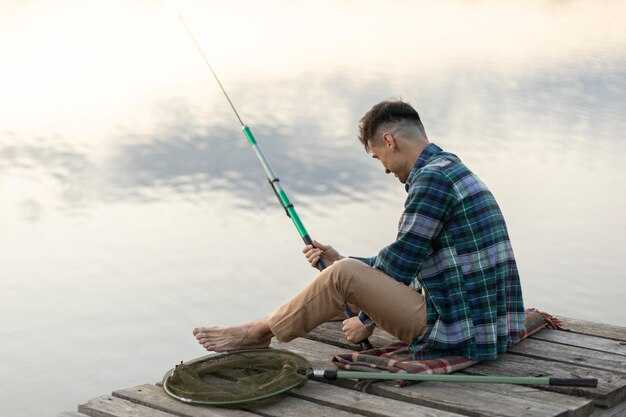 6 Pro Fishing Tips – How to Become a Better Fisherman">

There is one concrete recommendation to jump-start your progress: set up a dependable, compact rig and test it on the water. For an adult angler aiming to improve quickly, use a 6’6″–7’0″ medium-light rod, 8–12 lb test line, and a diameter 0.28–0.30 mm line. Pair with a size 6–8 hook and a small slip-float or light jig. This combo will provide consistent feel and fewer tangles, so you can practice timing and line control more effectively and allow quicker feedback.
Apply a clean casting rhythm: stand with feet shoulder-width apart, keep your shoulder aligned to the target, and use a controlled wrist flick backed by hip rotation. This definitely builds strength and accuracy, and you can study images from local events to refine your form.
Read the water by watching weed edges, sunfish haunts, and the first drop-offs near the woods. Identify place where currents converge and baitfish swirl; these spots work well, especially early morning.
Keep a simple kit with extra jigs, hooks, and a spare bobber. If you spot sunfish showing quick movements, try a bright jig on a short line and a slow, irregular rhythm. This approach lets you test different lures quickly and learn what can happen under changing light.
Keep a compact log: date, location, wind, water clarity, lure tried, and result. Review images from your sessions to spot patterns, then apply what you learned next time. A few focused sessions raise your bites per hour and help you place consistent catches.
Advanced Angling Mastery: Practical Steps for Real Results
Start with a precise line diameter check and re-tie all critical knots to prevent failures; this gives you instant reliability on every cast and builds a sturdy platform for training, something you can count on.
Understand water structure by mapping current seams, depth changes, and forage zones where fish concentrate, especially in morning light. Note the colour of the water and bottom, then choose lures and leaders that match the forage and the pattern you expect. For brook and other species, adjust diameter and leader length to the target size; use a 0.12–0.18 mm leader in tight brooks and a 0.20–0.25 mm leader where clarity is higher. Cast unto the bank near weed edges to test how the current influences bait presentation.
Try special, uncommon rigs for shallow, calm runs; a dropper setup with a small bead and a light fluorocarbon leader keeps the presentation natural and reduces line glare, helping fish take easily. In beattie Brook, locals call the stretch beattie, a place to test subtle actions. The brook tests the method under changing light. Channel a superman mindset. Hold the rod with a steady, confident grip, and if a take occurs, lift smoothly and relax your grip. Maintain a deliberate cadence; this approach shines in green weed edges where hides are tight.
At events across various waters, compare results and log what works. Track bite windows as light shifts and adjust your cast angle to keep line quiet; short, controlled sweeps win in tight cover. Understand when to switch from broad presentations to subtle taps; this adaptation reduces the problem of missed takes and improves consistency.
Maintain gear care and place discipline into daily routine: clean reels, examine drag, and replace worn lines or beads. The habit gives training value and translates to real results, with the performance becoming smoother each week. After each session, store gear in a dry place and check knots once more; this simple step prevents surprises and keeps you on track for future catches. This approach has been tested by guides and pros, and it continues to yield reliable outcomes.
Choose the Right Rod and Reel for Your Target Species
Begin with a versatile setup: a 6 ft 6 in to 7 ft rod, medium-light power, fast action, paired with a 2500 reel. This answer gives you sensitivity for shy bites along brush and in brook pockets, plus enough backbone to handle adult fish in moderate current. Ask staff for guidance on line diameter and reel size for your local conditions, but start with 6–8 lb test in clear water or 10–14 lb in stained water. A small fluorocarbon leader (2–4 ft) helps you stay stealthy and keep everything presenting cleanly.
-
Trout, brook trout, and panfish: 6 ft 6 in to 7 ft, medium-light, fast action; reel 1000–2500; line 4–8 lb test; line diameter kept minimal for quiet presentations in shade. Fish near brush and along the bank to locate likely bites; you should be able to lodge the rod in a holder during pauses. This setup is nice for small jigs, live bait, and light lures on clear streams.
-
Bass and larger open-water fish: 7 ft to 7 ft 4 in, medium-heavy, fast action; reel 3000–4000; line 12–20 lb test; consider black braided line with a fluorocarbon leader. This tactic handles cover and be reached through weed edges and open water alike, where you need steady backbone. Use a larger spool to avoid line twist and keep pressure on the fish without overtaxing your shoulder.
-
Walleye and river species: 7 ft to 7 ft 6 in, medium, moderate action; reel 2500–3000; line 6–14 lb test; use a fluoro leader for subtle presentations in clear water. Its diameter is a compromise between sensitivity and abrasion resistance, and you can easily adjust to stealthy, accurate casts to structure and lanes where fish hide.
-
Large predators or heavy cover: 7 ft 6 in to 8 ft, medium-heavy, fast action; reel 5000+, line 20–30 lb test; consider a strong, dark braid for abrasion resistance. In thick brush or fallen timber, a longer rod helps you keep pressure on the fish while you lodge the line and keep the presentation tight. This setup is ideal when you expect big bites after a long beat along bank and rock, and it gives you control where the fish are likely to sit.
Read Water: Identify Structure, Currents, and Likely Hangouts
Start by reading water in three steps: identify structure, pinpoint currents, and mark likely hangouts. For beginners this quick read yields immediate targets and boosts confidence on the water. Note the opportunity to move to better angles; the easier you see early structure, the sooner you can target key spots with precision. Throughout the day, many guides taught this three-zone read as a simple, repeatable routine – and the beauty of it is how fast you can gain confidence and make smarter calls. Never underestimate the clarity a few minutes of water reading gives you.
Identify structure quickly. Scan the shoreline and water column for sunken cover (trees, limbs), rock piles, and abrupt depth changes. Use your eyes to trace weed edges and edge transitions. When you find a point or bend that turns toward deeper water, mark it as a target. Move your boat or adjust your approach so your cast travels along the edge, not across it–this puts the lure into the hold zones where fish sit. Elite anglers and bassmaster competitors stress structure first; regardless of lake or season, structure holds more bites than open water. Note the location of cover that breaks the current and creates an ambush zone. For coaches who teach clients, the structure read builds confidence and speed. The leader mindset follows this rule: structure first, every time. Three cues to watch: cover, ledge, and edge.
Read currents to locate seams. Look for fast water meeting slower pockets, places where a point creates a seam, and eddies behind rocks or brush. These seams concentrate bait and increase your chance to get a bite. Cast up current and drift your lure along the edge, pausing to let the bait sink into the target depth. Use a steady speed on the retrieve; speed up slightly in faster seams and slow down in slow sections. Three-second counts to depth work well for moderate water; in clear lakes you can see depth transitions with your depth finder, if you have one. What happens next often hinges on timing, so keep a mental clock and adjust accordingly. Reels should run smooth to maximize feel and efficiency.
Target likely hangouts and apply a targeted plan. Inside bends, outside bends, and points that drop into deeper water are your primary hangouts. Inside bends hold fish that feed under varying light conditions; outside bends hold cruising fish that ambush from the current edge; points offer a funnel and a quick drop to deeper holds. Regardless of lake clarity, weed lines and timber edges attract prey and bass alike. Use targeting to pick three spots on your map and run through them in order before moving to the next area. Note how many bites you get at each spot and whether your lure should run shallower or deeper to keep pace with depth change. Many followers and coaching clients see more success when they stay disciplined and targeting the obvious ambush zones.
Practical moves you can apply now. Keep reels silky; a smooth retrieve helps you feel subtle bites. Place three casts per structure to verify depth and reaction, then shift downstream to the next structure. Build confidence by repeating this pattern with different lures: a spinnerbait or swimbait on windy days, and a soft jerkbait on calm mornings. The founder of many local clubs and the sport’s leaders would tell you that consistency beats flashes; practice the same routine across three spots per lake, regardless of mood. This habit creates more opportunities, moves your average catch upward, and trains you to read water with elite-level discipline.
Set Up Your Tackle: Hooks, Lines, and Weights to Match Your Lure
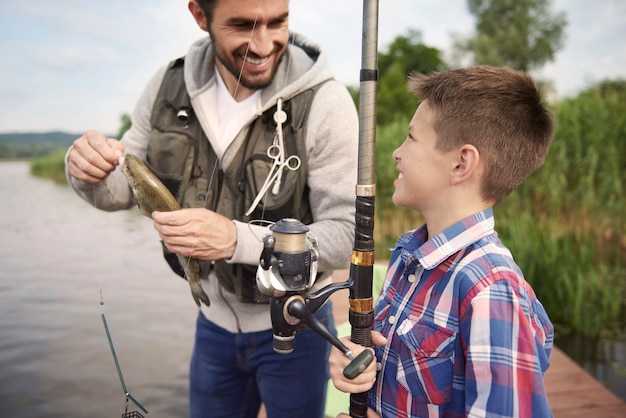
Always start with a braided main line in the 60–80 lb range and a 60–100 lb fluorocarbon leader; match hooks and weights to lure size for the conditions and the windows of opportunity you’re pursuing. For muskies, use bigger gear to handle heavy plugs and aggressive hits, and keep the setup balanced so you can learn quickly and stay confident on the water.
Hooks, not leaders, set the hook. For muskies choose heavy-wire trebles in the 8/0–12/0 range or dependable singles in the 9/0–11/0 range when the lure calls for a stout bite. For smaller lures aimed at smallmouths chasing in lakes, 2/0–4/0 trebles or offset singles keep action clean and reduce missed grabs. Pick rust-resistant finishes (black nickel or mega-strong stainless) and keep gaps matched to lure mouth size; making this fit is the simple step that boosts hookups every time you swing for the front edge of weedbeds or rocky shoals.
Line choice matters as much as the hook. Use braided main line in the 60–100 lb class for muskies, paired with a leader in the 60–120 lb range when you fish through timber or rough rock. If you target smallmouths in clear lakes, a 10–20 lb fluorocarbon leader pairs well with mid-weight plugs. Wire leaders are an option for razor-sharp teeth or heavy cover, but they reduce feel; test both in local waters to see what gives you the best balance. After tying, run a quick patrol of the knot to verify security.
Weights must match lure weight and technique. Start with jig heads around 1/4–3/8 oz for finesse presentations; switch to 1/2–2 oz for mid-size swimbaits; for big musky baits, 3–6 oz or more keeps your lure deep and lively in current or wind. In backcountry lakes with deeper structure, use the heavier end; in calm, shallow bays, lower the weight to improve the lure’s action and sound.
A simple rule: heavier gear for bigger, louder lures; lighter gear for smaller, more subtle baits. This approach makes it easier to control the drop and anticipate the hit, which improves your learning and confidence over multiple sessions, last season on the water highlighted how small changes added up. If you fish with a buddy like mike or a lady angler on a local lake, share notes after each outing; multiple small changes add up to a big gain over the season.
Keep a quick-change kit ready: extra hooks, spare leaders in multiple lengths, and weights in varied sizes. This setup minimizes gaps in your tackle, keeps you safe on the water, and helps you stay focused on improving every outing–whether you’re chasing muskies in backcountry lakes or smallmouths along Brook streams. Continuous adjustment makes you faster, more precise, and ready for whatever the day brings.
Match Baits and Lures to Water Temperature and Season
Use a temperature ladder: cool water calls for deeper, slower setups; as temps rise into spring, move toward midsize swimbaits and versatile cranks; hot days favor speed and weedline ambushes. This approach gives you an immediate advantage by aligning baits with their likely feeding periods.
- Cool water (below 10°C / 50°F)
- baits and lures: jigs with craw trailers, finesse swimbaits (3–4 inches), drop-shot rigs, and deep-diving crankbaits, all kept compact
- setups: use fluorocarbon or braid-to-fluoro leaders, 6–12 lb line for finesse, and 1/8–3/8 oz jig heads; fish around brush and deeper saddles beyond weed edges
- where to fish: deeper flats, slow tapering shorelines, and structure near the drop-off; early morning or late evening windows in spring are most productive
- patterns: look for slow, tactile feel on the bottom; keep learning to read subtle bites in cool water as fish are more lethargic
- Transition (10–16°C / 50–60°F)
- baits and lures: lipless crankbaits, mid-sized swimbaits (4–5 inches), creature baits, and spinnerbaits with compact blades
- setups: 3/16–1/2 oz jigs with craw trailers, 12–14 lb line, and versatility to cover both brush and open water; adjust color toward natural greens and browns
- where to fish: edges of weedlines, brush50–150 cm under the surface, and transition zones between shallow bays and deeper basins
- patterns: watch for shifting schooling activity and rising water clarity; periods of clearer water often correspond to more aggressive bites
- Warm water (16–21°C / 60–70°F)
- baits and lures: larger swimbaits (5–7 inches) and vibrating jigs, chatterbaits, and medium to fast-moving crankbaits
- setups: use 1/2–3/4 oz jigs or swimbaits on heavier heads; 12–20 lb line for longer casts; fish weedlines and points with a steady, moderate pace
- where to fish: weed edges, sunlit flats, and pockets around brush and cane; Ontario lakes show strong post-front feeding in spring warmth
- patterns: early mornings and late evenings light up with topwater bursts; mid-day bites shift to mid-depth cover as the sun heats the water
- Hot days (>21°C / >70°F)
- baits and lures: fast-moving swimbaits, squarebill/crankbaits, and chatterbaits; topwater plugs in the first hour after sunrise
- setups: use lighter heads for speed and agility, 14–20 lb line, and keep a spare lighter setup for quick swaps; target shallow, sunlit flats and weed pockets
- where to fish: shallow structures near brush, edges of green weed lines, and points adjacent to current areas
- patterns: look for schooling fish under bright glare; feed windows shorten, so be ready to move quickly between hotspots
Across periods, maintain a flexible head and track their feeling for the water. In spring, anglers in the Ontario area often see two clear shifts: early season brush and weedline activity, then a mid-season move to deeper, cooler pockets. Keep a compact set of client-style setups so you can adapt without pause, and practice a short learning loop between casts to sharpen your pattern recognition. By matching baits to temperature and season, you gain a tangible edge and keep your head in the game rather than chasing guesses.
Master Casting and Retrieval: Pace, Pauses, and Hooksets
Rule: pace your retrieve to the depth and takes you expect. Match the rhythm to depth, keep lines taut at the rod tip, and stay focused on the bite. Taking a clean cast, then a deliberate 0.5-second pause, followed by a 2- to 3-foot reel sweep; repeat 6 to 8 times per pass to lock in timing. This approach makes the first connection clear and reduces missed hits.
Taking cues from year-round fishing, adjust speed to water temperature and visibility. In fresh, cool mornings, drop the lure deeper and lengthen pauses; in bright, warm afternoons, shorten pauses and reel more aggressively. Eyes on the line help you detect faint takes that might not be obvious. There is a fine balance between pressure on the line and the urge to keep the lure moving into the strike zone.
From research for line diameter and lure actions, the best performers tailor gear to the situation. For clear water, a finer diameter line improves sensitivity; in heavy cover, a thicker diameter resists snagging and helps you pull through things. Times you practice with different combinations, and you will see a successful increase in bites.
Spincast reels offer a smooth learning path, but you should watch for malfunction and tune accordingly. If you notice things like slack on the cast or a rough retrieve, tighten the drag slightly and test a lighter lure. From there, progress to spinning gear for more control when conditions allow, which improves overall accuracy.
Hooksets demand a deliberate, confident move. When you feel a take, snap the rod with the shoulder and drive the hookset through the mouth; then maintain a steady tension to finish the take. Aim for a fast, clean reaction in times you feel the bite, and avoid jerky wrist actions that waste energy and miss the point of the strike.
Split practice sessions help you build the instincts you need. Alternate between drills focusing on pace and pauses and sessions focusing on precise hooksets. It has been shown that consistent, short sessions outperform sporadic, long efforts; the improvement shows in every lake and river you fish. Already, the method has earned trust from guides and anglers alike.
| Quick reference by condition | |
| Condition | Tip |
|---|---|
| Shallow, clear water | Short pauses, faster reel increments, fine diameter line for feel |
| Deep water or heavy cover | Longer pauses, slower retrieve, thicker line to resist snag |
| Fresh, cool mornings | Cast deeper, increase hold time at peak pause, lean toward heavier lure if needed |
| Year-round practice | Maintain a consistent rhythm; log times and takes to refine rule-based decisions |
Practice Quick, Humane Release to Preserve Fish and Habitat
Release quickly and humanely: keep the fish in the water while unhooking, complete the release within a split second rhythm, ideally under 30 seconds, and use barbless hooks; this split second rhythm saves time and reduces stress.
Wet hands, cradle the bodies, and avoid touching the gills or eyes. Support under the belly, keep the fish horizontal, and move it gently back into the current for revival; aim for a split-second pause before release to check that the fish is breathing again.
Minimize air exposure by staying above the bottom when handling from a boat in ontario waters and return the fish upright, especially in fall when activity and gill response change. If you must lift, keep the head above the tail and avoid twisting; this helps speed up recovery and keeps the body intact.
Know what you chase and what you can do: in ontario waters, circle hooks or barbless single hooks reduce gut injuries and speed up the release. Understand the types you are targeting–walleye, bass, panfish–and how their patterns affect targeting success, and how bruising responds to quick handling. Recently, ellis tactic tips have helped others maintain habitat quality across ontarios lakes and rivers.
Becoming proficient at quick release starts with a nice routine: get the gear ready, practice unhooking, and pay attention to the fish’s feeling. A little rehearsal gets you getting the timing right, which speeds the process and protects the habitat. When wind is up or water is rough, keeping a calm, deliberate rhythm feels tough at first, but the second you settle into the pace, you hear the splash fade as you return the fish to water and watch it recover; that second of calm can keep great populations thriving.