


 Ελληνικά
  English (UK)
  Русский
  العربية
  日本語
日本語  한국어
한국어  Magyar
  Türkçe
  Español
  Čeština
  Svenska
  Português
  Suomi
Suomi  Nederlands
  Română
  Italiano
  Français
  Polski
  Українська
  Deutsch
  简体中文
简体中文  Slovenčina
  6 Most Common Boat Insurance Claims and How to Avoid Them">

Start with a formal cover review before cruising: set the number that matches the asset value, then adjust to risk. This keeps valuable gear protected, which makes your voyage preparation more robust for the serious hours ahead. Ensure the chosen cover aligns with the gear’s value to avoid gaps.
Six loss scenarios hitting a vessel on the water include hull damage from collisions, dockside mishaps, theft or vandalism of gear, water intrusion through fittings, liability arising during trips with passengers, plus mechanical failure mid-cruise; both repair costs, replacement costs spike the number of potential expenses, keeping a focused balance between cover, more protection is key.
To reduce exposure, implement a practical schedule: keep up with inspections, replace worn fittings, secure valuable equipment, install security aids, store gear in a suitable place, monitor weather during cruising; this approach will raise resilience.
Whether you cruise inland lakes or offshore routes, the right plan should include cover for fittings, electronics, safety gear; choose another option if needed to raise protection for valuable equipment.
Keep records of maintenance required by the policy; keeping receipts for repairs, replacements, seasonal service; you take proactive steps, aiding the case that you handle risk responsibly; this will reduce premium expectations.
Thus, mastering these six exposure areas strengthens your preparations, ensuring smooth cruising and reducing downtime when the sea tests you.
Practical steps to reduce the top boating insurance risks
Store safety gear in a secure storage place; ideally check expiry dates on flares, life jackets; replace worn items before peak season.
Maintain a document of maintenance tasks; verify bilge pump function; test navigation lights; inspect deck hardware for corrosion.
Storm readiness plan: assemble a storm safety checklist; assign roles; secure loose gear; store lines properly.
Modifications: call a leading specialist; specialise in marine systems; ensure drawings, certificates, tested components stay up to date.
List potential risk sources: fuel storage, battery faults, loose equipment, propeller strikes, passenger load.
Tips for passengers: brief safety orientation; demonstrate life jacket fit; designate a supervisor; deter risky behavior under adverse conditions.
Article note: maintain a pre-season document; track forecasts; route changes; keep people informed about each change; preserve crew readiness.
Additional measures: upgrade storage area; install non-slip surfaces; add weather resistant lighting; place keys out of sight to deter theft.
Resulting improvements: reduced failure risk; happier passengers; preventable losses decline; people stay safer. There, overall risk profile improves.
Collision Prevention: Safe Navigation, Lookouts, and Right-of-Way Practices
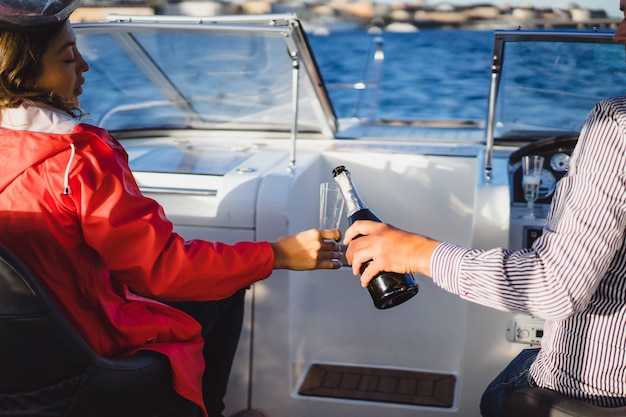
Keep a dedicated lookout rotation; assign a trusted observer for 360-degree coverage, particularly during transitions from open water into congested channels, dusk, or poor visibility.
Respect right-of-way rules by reducing speed well before risk; yield to crossing traffic; proceed with a predictable path using clear signaling.
Monitor weather; consult источник such as official marine bulletins; adapt plan according to wind shifts, tide, traffic density; keep people informed about changes in course.
Utilise AIS; radar where possible; in busy waterways reduce speed well before crossing paths; set a conservative course, which depends on traffic density; communicate intent via VHF call when necessary.
Equip crew with a working call system; brief passengers thoroughly prior to departure; cover hazards aboard your boat; stay alert during events with multiple vessels.
The equipment mix matters: outboard power, high-visibility lights, secure stowage, reliable signalling reduce costly damage after a collision; down-speed drills, practice sudden stops, stay within safe berthing corridors.
Train personnel to specialise in collision-prevention; youre invited to practise high-skill tasks; join recognized courses; stay updated with safety standards.
Document near-miss events thoroughly; maintain logs for weather, traffic density, corrective actions; review monthly to refine procedures; news sources; industry reports feed updates, источник.
In busy waterways a multitude of companies operate passenger services; your approach to navigation depends on experience; which makes safety crucial for every vessel you operate; youre responsible to cover passengers securely, reducing accidental contact.
Preventing Sinking: Bilge Checks, Ballast Management, and Proper Floatation
Test bilge pump operation before every voyage. Verify power supply; confirm float switch triggers promptly as water rises; inspect discharge hose for kinks or blockages; replace corroded fittings. Here onboard this isnt optional; it reduces risk were a leak to occur.
Balance ballast with load; trim toward port-side during strong weather-related shifts; verify ballast gauge readings; keep ballast within design limits to prevent sudden trim changes; define what triggers ballast shifts.
Maintain visibility by clearing deck clutter; secure loose gear; seal storage compartments; keep spare parts where they cannot shift; unchecked water intrusion leads to sinks.
Fuel management: inspect motor fuel lines for leaks; store fuel in approved containers; monitor gauge daily; this is very costly for ownership; insurer bears costs.
Here onboard, ownership remains with the crew; contact insurer for guidance; request a quote covering ballast checks, bilge tests, floatation aids; services from multiple companies support reliability; this advice informs risk planning.
Thieves target unsecured storage; install locking hardware; keep valuables in storage here onboard in locked lockers; use alarms.
Significant gains come from a disciplined routine: bilge checks, ballast readings, floatation aids deployment; mean results indicate reduced risk; to meet maintenance cycles, keep a bill of maintenance.
Advice focuses on prevention of preventable losses: check sensors daily; monitor surroundings including weather shifts; maintain visibility; schedule maintenance; track a clear bill of maintenance.
Avoiding Damage from Underwater Objects: Charting, Depth Finding, and Scout Waters
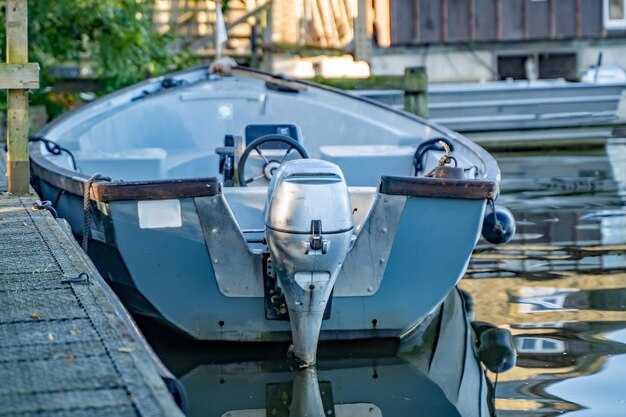
Begin every voyage with a precise plan: update charts before departure; verify depths along the route with a reliable depth finder; mark submerged hazards to cover risks.
Understanding what lies beneath requires crucial preparation. Map known wrecks, sunken logs, rock piles on the chart; depth finding reveals ranging depths; this information becomes valuable for setting safe limits for boats through shallow channels; keep a close watch on depth readings during maneuvering. Understanding depth data channels actions into safer decisions.
There exists a customer-focused workflow to stay secure. Always begin with a pre-voyage log; built from reliable data, this routine becomes a habit. quote: “Depth data prevents costly outcomes,” says a veteran skipper. Such discipline supports your policies, especially during adverse conditions. Sometimes tides shift; revise your route using the latest charts; update your notes with dates and changes. This approach meets the needs of operators of boats who rely on timely data.
On-water procedure includes turning away from danger; leave the area promptly, safely, securely. Keep the motor trimmed for shallow spans; if water intrusion occurs, have a pump ready; after passing hazards, reinforce your craft’s stability by reducing speed; maintain a steady course. Such actions reduce risk of hull or propulsion damage.
| Step | Action | Σημειώσεις |
|---|---|---|
| 1 | Chart planning | plot known hazards; verify dates; mark changes on the master chart |
| 2 | Depth finding | range checks; set safe limits; keep the pump ready |
| 3 | Scout waters | low-speed passes; observe for protrusions; log observations |
| 4 | Απάντηση | if obstacle occurs, leave area; re-route |
This approach keeps boats safer, protects valuable assets, supports customer confidence on every voyage. Your decisions align with policies that secure stability for dates ahead.
Fire Safety Onboard: Electrical Checks, Fuel Handling, and Accessible Fire Extinguishers
Begin with a simple five-minute pre-departure sweep: verify electrical stability, secure fuel handling, and confirm extinguisher readiness. thats a practical routine that ownership can take on, and it meets safety targets around each voyage.
- Electrical checks
- Inspect battery terminals for corrosion; tighten clamps and measure system voltage (12V or 24V) with a multimeter.
- Examine wiring for chafing, damaged insulation, or moisture; replace compromised sections; keep sinks and bilge areas dry to prevent shorts; fix any leaks near power equipment promptly.
- Test safety devices: circuit breakers, GFCI outlets in galley and head; ensure panels do not overheat during operation.
- Keep a tidy setup around electrical gear; poor organization increases spark risk; label cables clearly and document changes in a log.
- Assign ownership for the electrical log and routine checks; review results each trip and add notes for future reference.
- Fuel handling
- Store fuel only in approved containers with tight caps; label them and place in a ventilated area away from heat or ignition sources.
- During fueling, keep ignition sources away; engines off; fill slowly and never top off to reduce vapors and incidents around the seams.
- Have a spill kit ready and absorbent pads; clean leaks immediately and dispose contaminated rags per policy.
- Ventilate the space well after fueling; wipe spills and recheck the area for fumes that could ignite.
- Assign an extra person to oversee fueling operations; follow policies to keep fuel handling safe around every trip.
- Accessible fire extinguishers
- Place extinguishers in visible, unobstructed spots near the helm/steering console, galley, and engine room; ensure path to reach them is clear and quick.
- Use ABC or BC rated devices appropriate for electrical and fuel fires; verify pressure gauge, pull pin, and tamper seal; replace if damaged or after discharge.
- Keep inspection tags current and have a licensed technician service annually; maintain a simple safety log to track maintenance.
- Keep an extra extinguisher in the aft locker to boost response time in a real incident.
- Practice a quick drill with crew to reduce serious response time; clarity around steering area aids fast access to extinguishers.
источник: official manuals and safety policies
Weather-Related and Storm Damage Preparedness: Routine Weather Checks and Securement
Begin with a pre-storm checklist: secure loose gear; inspect wiring; verify mooring lines are doubled; confirm life jackets are accessible.
Weather-related precautions require routine checks. Check NOAA forecasts or local weather services every 12 hours during storm season; track wind speed; gusts; pressure; plan next moves; adjust securing plan if gusts exceed 40 knots (46 mph) or a gale warning is issued.
Securement protocol: re-rig moorings with extra spring lines; install chafe protection on lines left exposed to spray; ensure fenders maintain distance from dock; verify dock cleats and bollards are not corroded; test wind direction by observing waterline motion.
Electrical readiness: inspect wiring insulation; check battery condition; inspect for fire risk; remove moisture sources; store portable chargers in dry places; confirm bilge pump operation; keep spare fuses accessible.
Valuables protection: place valuables in watertight containers; locate portable GPS, radios in elevated, dry positions; keep life jackets within reach; remove jewelry to prevent loss; photograph valuable gear for records.
Cost considerations: costs related to protection measures may be reimbursed by insurer; keeping the bill for replacements; make a quick call to confirm coverage; having documented steps eases review.
Post-storm evaluation: after a weather event, inspect hull integrity, bulkheads, electrical wiring; run a functional check on auxiliary systems; meet with services to verify safe operation before returning to routine ownership tasks.
Theft Prevention on and from Your Boat: Locks, Alarms, Secure Moorings, and Inventory Controls
Install a high-security padlock on the port-side hatch and set a marine-grade alarm that triggers a loud siren and alerts your provider; this concrete step cuts stolen risk and delivers a clear result when you reboard after a trip.
- Locks and hardware
- Choose stainless steel or marine-grade locks; attach to solid frames; add tamper indicators and locking hasps that resist prying; fit fittings with anti-corrosion hardware to withstand winds and spray.
- Secure cabin and cockpit compartments, especially on exposed uses; ensure every locker can be locked; replace worn latches to prevent forced entry and loss of items.
- Keep an ownership log for every installed item: take photos, note serials, and store these checks in a simple file for quick checks when youre on the move; this helps you prove ownership if something is lost or stolen.
- Alarms and tracking
- Install a monitored alarm plus GPS beacon; choose a provider with real-time alerts and battery backup for power outages or signal gaps.
- Ensure the system reports location data during winds or docking; this helps locate a vessel quickly if something is moved.
- Secure moorings
- Use two independent lines for bow and stern, secured to solid cleats; replace worn lines and add chafe protection; keep a spare set of fittings in the stern locker.
- Maintain a tie-down plan for nightly stays or long trips; if unattended, consider a secondary anchor or fixed mooring to reduce movement in tidal cycles.
- Inventory controls
- Establish a simple inventory checklist: every item, its location, and its serial; update after every boating run and check for discrepancies.
- Photograph gear and keep a central record so checks are thorough; share access with your crew or a trusted partner so youre not flying solo in keeping this list.
- Response and recovery
- If something is stolen, file a report immediately, notify the provider, and note the loss with dates and potential value; the sooner you act the better the chances of recovery.
- Review the incident for the next voyage; document what caused the breach and adjust order of checks to reduce risk in future trips.