


 Ελληνικά
  English (UK)
  Русский
  العربية
  日本語
日本語  한국어
한국어  Magyar
  Türkçe
  Español
  Čeština
  Svenska
  Português
  Suomi
Suomi  Nederlands
  Română
  Italiano
  Français
  Polski
  Українська
  Deutsch
  简体中文
简体中文  Slovenčina
  5 Essential Waterway Rules You Need to Know for Safe Navigation">

Ξεκινήστε κάθε ταξίδι με μια σύντομη ενημέρωση ασφαλείας και επισκόπηση του εξοπλισμού. Σε λεπτά, επιβεβαιώστε ότι τα ατομικά βοηθήματα πλευστότητας (PFDs) είναι έτοιμα, οι συσκευές ρίψης είναι προσβάσιμες, ο πυροσβεστικός εξοπλισμός είναι στη θέση του και το ραδιόφωνο ή το chart plotter είναι σε κοντινή απόσταση πριν από την εκκίνηση των κινητήρων.
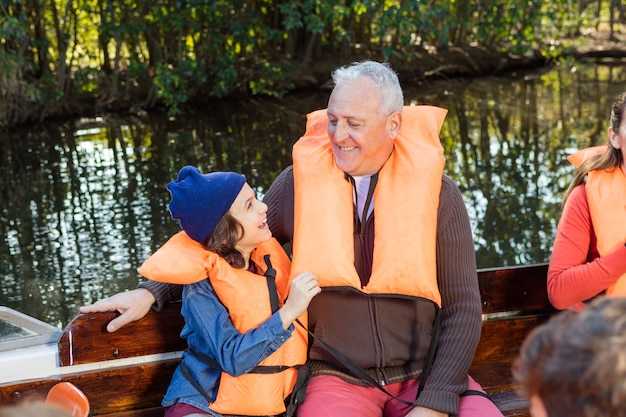
Κανόνας 1: Βεβαιωθείτε ότι κάθε άτομο επί του σκάφους φοράει σωσίβιο ενώ το σκάφος βρίσκεται εν κινήσει. Always αυτή η απλή συνήθεια αποτρέπει τον πνιγμό σε περίπτωση ανατροπής ή απότομου ελιγμού και διατηρεί το πλήρωμα ασφαλέστερο ενώ επαναξιολογείται η διακυβέρνηση.
Κανόνας 2: Διατηρείτε ασφαλή απόσταση από άλλα πλοία και αποφεύγετε τα πολυσύχναστα κανάλια όταν η ορατότητα είναι περιορισμένη. Χρησιμοποιήστε μια σαφή πορεία. Για να περάσετε, μειώστε ταχύτητα πολύ πριν τις διασταυρώσεις και ορίστε έναν παρατηρητή για να εντοπίζει τα πλοία που πλησιάζουν εγκαίρως ώστε να αντιδράσετε.
Κανόνας 3: Χρησιμοποιήστε σαφή σήματα και επιβεβαιώστε την πρόθεση με άλλους κυβερνήτες μέσω ασυρμάτου ή κόρνας. Ηχητικά σήματα βοηθούν στην αποφυγή ακούσιας επαφής και αποσαφηνίζουν τις αποστάσεις κατά τη διάρκεια ελιγμών διέλευσης ή προσπέρασης. Να επιβεβαιώνετε πάντα ότι το άλλο μέρος κατανοεί το σχέδιο πριν προχωρήσετε.
Κανόνας 4: Παρακολουθήστε τις προβλέψεις καιρού, ορατότητας, ανέμου και ρευμάτων πριν από τον απόπλου και κατά τη διάρκεια του ταξιδιού. Εάν σχηματιστεί ομίχλη ή η βροχή μειώνει την ορατότητα, μειώστε την ταχύτητα, αυξήστε την επιτήρηση και σχεδιάστε να αλλάξετε πορεία για να μείνετε μακριά από την κυκλοφορία και τους κινδύνους.
Κανόνας 5: Να έχετε ένα σχέδιο έκτακτης ανάγκης και έναν αξιόπιστο τρόπο να καλέσετε βοήθεια, καθώς και ασκήσεις για αστοχία εξοπλισμού ή για περίπτωση που ένα άτομο πέσει στο νερό. Εξασκηθείτε με το πλήρωμα, βεβαιωθείτε ότι υπάρχει διαθέσιμο VHF ραδιόφωνο ή ένα φορτισμένο κινητό και μάθετε πώς να χρησιμοποιείτε σωσίβια και συσκευές σηματοδότησης για να καλέσετε γρήγορα βοήθεια.
Οδηγός Ασφάλειας Σκάφους: Πρακτική Πλοήγηση στο Νερό
Να δίνετε πάντα προτεραιότητα στους κωπηλάτες και άλλους χρήστες χωρίς μηχανή· να διατηρείτε μια ευγενική απόσταση και να μειώνετε ταχύτητα όταν πλησιάζετε σε ένα στενό σημείο και να περνάτε τη γραμμή διέλευσης μόνο όταν υπάρχει ένα ασφαλές άνοιγμα.
Οι κανόνες προτεραιότητας ευνοούν τα λιγότερο ευέλικτα σκάφη. Οι σανίδες SUP και άλλα μη μηχανοκίνητα σκάφη έχουν προτεραιότητα. Εάν είστε σε μηχανοκίνητο σκάφος, επιβραδύνετε νωρίς και δώστε μεγάλη απόσταση καθώς πλησιάζετε από πίσω ή δίπλα. Εάν χρειαστεί να προσαρμοστείτε, κάντε το σταδιακά για να διατηρήσετε τον έλεγχο και να μειώσετε τον κίνδυνο για όλους.
Διατηρείτε απόσταση τουλάχιστον 50 ποδών (15 μέτρων) όταν προσπερνάτε άτομα που κάνουν paddleboard, ειδικά κοντά στην ακτή όπου μπορεί να υπάρχουν άνθρωποι στο νερό. Χρησιμοποιήστε ένα ευρύ, προβλέψιμο τόξο και προσαρμόστε την ταχύτητά σας πριν ολοκληρώσετε την προσπέραση, ώστε να παραμείνετε στη δική σας λωρίδα, όπως ένας δρόμος με σαφείς λωρίδες για την διερχόμενη κυκλοφορία.
Ο σχεδιασμός επιβίβασης έχει σημασία: εκτυπώστε μια βασική λίστα ελέγχου τσέπης και ανατρέξτε στην πηγή για τους κανόνες πλεύσης. Παρατηρήστε τις πινακίδες και τους σημαδούρες, διατηρήστε μια ευγενική, προβλέψιμη πορεία και διαμορφώστε ένα ασφαλές σχέδιο εκεί, λαμβάνοντας υπόψη όλα τα εμπλεκόμενα σκάφη.
Εάν συναντήσετε σανίδες SUP ή άτομα που κάνουν SUP, επιβραδύνετε ακόμη περισσότερο, δώστε χώρο και αποφύγετε απότομους ελιγμούς. Να είστε ευγενικοί, παραμείνετε στην πορεία σας και να θυμάστε ότι η πλωτή οδός είναι κοινόχρηστη. Οι πράξεις σας επηρεάζουν τους άλλους, οπότε κατανοήστε αυτές τις οδηγίες και εφαρμόστε τις σε κάθε ταξίδι.
5 Βασικοί Κανόνες Ναυσιπλοΐας που Πρέπει να Γνωρίζετε για Ασφαλή Πλοήγηση· 5 Απλοί Κανόνες για να Παραμείνετε Ασφαλείς Ενώ Κάνετε Βαρκάδα
Ξεκινήστε με έναν έλεγχο ασφαλείας πριν τον απόπλου: επιβεβαιώστε ότι κάθε επιβάτης φοράει σωσίβιο, οι κινητήρες είναι έτοιμοι, τα καύσιμα επαρκούν για την προγραμματισμένη κρουαζιέρα σας και ο εξοπλισμός σηματοδότησης λειτουργεί. Αυτό το άμεσο βήμα εξασφαλίζει γρήγορη ανταπόκριση σε περίπτωση έκτακτης ανάγκης, διασφαλίζοντας ότι το πλήρωμά σας παραμένει ασφαλές και πολύ πιο προετοιμασμένο πριν ξεκινήσετε.
Κανόνας 1: Φοράτε σωστά το σωσίβιό σας ανά πάσα στιγμή και βεβαιωθείτε ότι κάθε επιβάτης έχει ένα σε κοντινή απόσταση. Αυτή η συνήθεια που βασίζεται στις δεξιότητες ελαχιστοποιεί τον κίνδυνο πνιγμού και υποστηρίζει την ασφαλή στάση σε περίπτωση απότομου ελιγμού ή ρεύματος που χτυπήσει το σκάφος σας.
Κανόνας 2: Ακολουθήστε τους κανόνες προτεραιότητας: παραμείνετε στη δεξιά πλευρά του καναλιού, παραχωρήστε προτεραιότητα σε σκάφη που διασχίζουν την πορεία σας και πραγματοποιήστε προσπεράσεις με καθαρή οπτική γωνία και επαρκή χώρο· σεβαστείτε τα σήματα, τους σημαντήρες και τις ναυτικές σημάνσεις για να αποφύγετε σύγκρουση.
Κανόνας 3: Σε πολυσύχναστες πλωτές οδούς, μειώστε ταχύτητα και ελαχιστοποιήστε τα απόνερα κοντά στην ακτή και σε ζώνες με κολύμβηση. Προσαρμοστείτε στους ανέμους και την κυκλοφορία και διατηρήστε μια ασφαλή απόσταση από αγκυροβολημένα σκάφη και άλλες βάρκες.
Κανόνας 4: Επικοινωνήστε και να είστε προετοιμασμένοι για κίνδυνο: φέρτε ένα ασύρματο VHF, παρακολουθείτε το κανάλι 16 και χρησιμοποιήστε μια συνοπτική κλήση κινδύνου εάν χρειάζεστε βοήθεια. γνωρίζετε τα σήματα κινδύνου σας και ακολουθήστε το σχέδιό σας για να φτάσετε γρήγορα σε ασφαλές λιμάνι.
Κανόνας 5: Ελέγξτε την πρόγνωση και παρακολουθήστε τον καιρό πριν και κατά τη διάρκεια του ταξιδιού σας. ελέγξτε τις στάθμες καυσίμων και τις μετρήσεις του κινητήρα, έχετε ένα σχέδιο έκτακτης ανάγκης για να αναζητήσετε καταφύγιο εάν αλλάξει ο άνεμος ή η βροχή και να είστε έτοιμοι να πλεύσετε προς την ακτή ή ένα λιμάνι. για μια κρουαζιέρα στη Ζηλανδία ή ένα παράκτιο ταξίδι, γνωρίστε τα κοντινά σημεία και τις επιλογές λιμανιών και μοιραστείτε συμβουλές με άλλες ομάδες βαρκάρηδων στο LinkedIn.
| Κανόνας | Action | Why it matters |
|---|---|---|
| Κανόνας 1 | Φορέστε σωσίβια και βεβαιωθείτε ότι ο εξοπλισμός ασφαλείας είναι προσβάσιμος | Αποτρέπει τον πνιγμό και επιτρέπει τη γρήγορη στάση σε περίπτωση έκτακτης ανάγκης |
| Κανόνας 2 | Διατηρήστε τη δεξιά θέση· σχεδιάστε διελεύσεις με καθαρή οπτική επαφή | Μειώνει τον κίνδυνο σύγκρουσης· εναρμονίζεται με τη θαλάσσια και ναυτική κυκλοφορία |
| Κανόνας 3 | Επιβραδύνετε κοντά στην ακτή. ελαχιστοποιήστε τα απόνερα. προσέξτε τους κολυμβητές. | Προστατεύει τους κολυμβητές και τις παράκτιες κατασκευές· ενισχύει τον έλεγχο στους ανέμους |
| Κανόνας 4 | Χρησιμοποιήστε το VHF κανάλι 16· να έχετε ένα συνοπτικό σχέδιο κινδύνου | Οι σκανδάλες βοηθούν γρήγορα· μειώνουν τον κίνδυνο δυσφορίας για το πλήρωμα |
| Κανόνας 5 | Έλεγχοι πρόγνωσης· σχεδιασμός λιμένων· γνώση σημαδιών και συμβόλων | Αποτρέπει τις καιρικές εκπλήξεις· παρέχει επιλογές ασφαλούς αγκυροβολίου |
Σενάρια Προτεραιότητας: Παραχώρηση Δικαιώματος Διέλευσης σε Διασταυρούμενα, Αντίθετα και Προσπερνώντας Σκάφη
Να παραχωρείτε πάντα προτεραιότητα στα σκάφη στα δεξιά σας και να ενεργείτε έγκαιρα για να αποφύγετε μια σύγκρουση. Προβλέψτε τις κινήσεις, επιβραδύνετε ομαλά και ορίστε μια ασφαλή πορεία πολύ πριν συγκλίνουν οι διαδρομές για να διατηρείται η κυκλοφορία καθαρή στην πλωτή οδό. Αυτή η πρακτική ακολουθεί τον βασικό κανόνα και αποτρέπει τη συσσώρευση σκαφών σε ένα στενό κανάλι.
Διασταύρωση: Εάν ένα άλλο σκάφος βρίσκεται στη δεξιά σας πλευρά, είστε το σκάφος που παραχωρεί τη διέλευση. Μειώστε ταχύτητα, αλλάξτε ελαφρώς την πορεία σας για να περάσετε πίσω ή σε ασφαλή απόσταση και αποφύγετε να περάσετε μπροστά. Χρησιμοποιήστε μια καθαρά ακουστή κόρνα και φώτα για να επικοινωνήσετε τις προθέσεις σας· οι χρήστες σανίδων κωπηλασίας και άλλοι μη μηχανοκίνητοι χρήστες απαιτούν επιπλέον χώρο. Η κυκλοφορία σκαφών του Σαββατοκύριακου συχνά δημιουργεί συνωστισμό στα κανάλια, γι' αυτό διαχειριστείτε αποτελεσματικά τα καύσιμα και αποφύγετε τις απότομες στροφές που εκπλήσσουν τους άλλους. Σε όλες τις περιπτώσεις, να γνωρίζετε τα σήματα και τα βοηθήματα ναυσιπλοΐας που καθοδηγούν την ασφαλή διέλευση.
Meeting: In a meeting, both vessels should alter course to starboard to pass port-to-port. Announce intentions with brief communications, keep speed steady, and avoid last-minute changes. If space is limited, reduce speed early and give way as needed. This approach maintains etiquette while handling circumstances like busy weekend marinas or waters with marked channels.
Overtaking: The overtaking vessel must stay well clear and pass on the port side; do not cut in front of the other vessel or use its wake. The overtaken vessel should maintain heading and speed until the pass is complete. Use persistent communications to confirm when you are clear; never take actions through the other vessel’s path. Use the rules in all boating conditions while considering currents and turns marked by buoys.
Practical tips for safe navigation: Always follow the rule and tailor your actions to the circumstances. Take into account the heading, current, and traffic density, and be prepared to adjust while boats cross paths. Communicate early and clearly; introduce signals with horn or radio to keep everyone aware, and keep to etiquette that respects paddleboarders, rowers, and other waterway users. On trips that begin on the weekend or pass through busy channels, plan fuel and timing to avoid rushing. By taking these steps, you become more confident and consistent boater who can handle the modern maritime environment.
Interpreting Channel Markers, Buoys, and Depth Indicators for a Clear Route
Stick to the marked channel and verify your plan with the nearest markers and depth indicators before you move. Check your weight and draft against the shown depth to prevent an accident, and track your location as you proceed.
Channel markers use colors and shapes to separate navigable water from hazards. Red markers generally mark the left edge of the channel when returning to port, and green markers the right edge; these cues help you stay inside the safe line. If you’re unsure whether you should cross the marker line, stay well inside the channel and follow proper navigational etiquette.
Buoys come in fixed and floating forms; use them to stay within the center of the channel. These markers act as a visible boundary that helps boats, engines, paddleboarders, and swimmers share the water without collisions. Align your hull with the markers, not against them, and don’t crowd into the line formed by these buoys.
Depth indicators on boards, charts, or dock-side gauges show water depth along the route. If forecasts indicate low water near a bend or shoal, adjust your path before you reach that shallow point. For paddleboarders and other light crafts, choose the deeper lane to reduce grounding; keep within the marked water and avoid the seabed near marinas where boats frequently turn. These practices reduce risk for all vessels and protect the marina side of the channel.
In congested marinas and busy waterfronts, give slow crafts like swimmers and paddleboarders a separate lane and maintain extra space. Theyre often harder to spot in traffic, so expect movement near docks and stay clear of engine wakes. When you see no-wake zones, drop speed and stick to the marked route; this approach lowers risk for all, even in heavy traffic and near vessels approaching from multiple directions. Use such guidelines to understand the waterway and be prepared for shifts in channel position as forecasts change.
Quick checklist: read markers first and at least once more as you pass; confirm depth indicators in both the front and rear sections of the channel; plan to stay within the centerline, and be ready to yield to paddleboarders, swimmers, and other boats. With this mindset, you reduce the chance of accident and keep everyone safe while navigating a busy waterway.
Navigation Lights and Signal Rules for Day and Night Boating
Check your navigation lights before sunset and ensure they function clearly across the body of water. A quick check at the dock reveals flicker, dimness or cracked lenses, letting you replace bulbs or clean housings to enhance visibility for other boats. Another thumb rule is to test them again in darkness to confirm they perform as expected when you’re actually on the water.
Night operations rely on a standard three-lights layout: red sidelight on the port side, green sidelight on the starboard side, and a white masthead light if the vessel is underway; add a white stern light when moving forward or astern. Keep lenses clean, verify battery or generator power, and carry spare bulbs or fuses to prevent outages and keep the body of the boat visible. This setup will help other vessels see you across crowded channels and calm waters alike.
During the day, stay visible with clear navigational cues and predictable behavior. Use clear, audible signals when required to clarify intent in busy channels, and maintain a steady course to reduce confusion. Even in bright light, a well-lit, well-spaced profile helps families and beginners stay peaceful on the water and lowers the chance of a collision.
Right-of-way rules: when crossing, the vessel on your starboard side holds the right-of-way; the give-way vessel slows or changes course to avoid contact. If a risk of collision exists, both boats should take early action and communicate with sound signals or radio to adjust speed or direction. In any close-quarters situation, reduce your speed and make your intentions obvious to the other boat.
For beginner crews and family outings, plan simple routes, travel at a manageable pace, and keep a clear watch around you. Maintain a safe distance from wakes and larger boats, and always yield when another vessel approaches from the port or starboard side. A calm, predictable approach makes the water feel more peaceful for everyone around you.
Practical tips you can apply today: perform a monthly test of all navigational lights, polish lenses, and confirm battery backups. Use the rule-of-thumb approach: check, enhance, then test again before you depart. Carry a basic toolkit and spare fuses, and keep a small first-aid kit ready for minor injuries (blood). Ensure fueling areas are ventilated to minimize vapors and avoid ignition sources. If you spot a potential hazard, contact the other vessel and adjust your plan to maintain a good margin of safety. Sharing these steps on linkedin can help fellow crews stay prepared and informed.
Speed, Wake Reduction, and Safe Distances on Popular Waterways
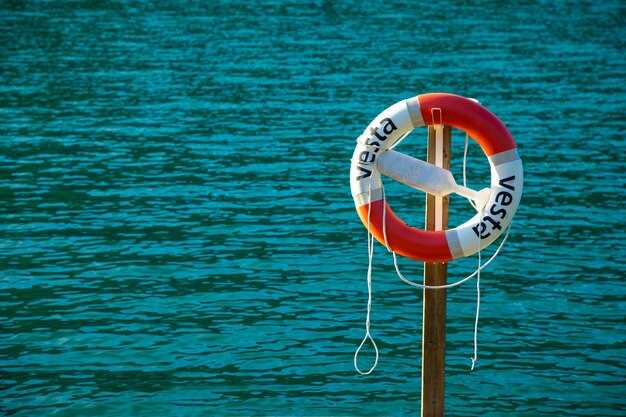
Reduce speed to idle or no-wake within 100 feet of swimmers, canoes, paddlers, and near shore. This action clearly protects anyone in the water and minimizes wakes that can affect small craft and shorelines much.
Wakes increase with speed; heavy hulls and motorboats draw larger waves that can throw a paddleboarder off balance or push a canoe toward the wake. Slowing down a little cuts wakes and gives you much better control in busy channels.
Given these guidelines, on popular waterways maintain at least 100 feet from swimmers, 50 to 100 feet from canoes and other paddle craft, and 200 feet from large, fast-moving vessels when conditions are crowded. These distances reduce risk of collision or loss of stability for smaller boats and keep operation safe, especially around boards and kayaks.
In such narrow sections, heading changes require gradual steering and steady speed. If conditions are uncertain, ease off and allow more space. This approach helps you manage draws from passing boats and reduces wash that can carry across the water.
Use aids and posted signs to plan your path. When you see swimmers, they require extra care; give them space. Remember to signal your intentions and adjust speed before closing the distance, so anyone on the water has time to react. This offers assurance to other users that you will act predictably.
Ultimately, this is part of your responsibility; whether you’re on a board, a motorboat, or a canoe, keeping speed low, reducing wakes, and respecting safe distances helps them enjoy the water safely over many trips to come.
Safety Gear and Pre-Departure Checklist: PFDs, Whistles, Flares, and Fire Extinguisher
Put on a properly fitted PFD for every person before starting the engine. Verify each PFD is USCG-approved or local equivalent, adjust the straps for a snug, stable fit, and keep jackets within easy reach on deck. Ensure they stay accessible for quick response in rough wakes or sudden maneuvering, and stick to a clear plan that keeps the crew safe on every boating outing.
- PFDs and fit: Select a nautical-approved PFD sized to each person, typically Type III for recreational boating or Type I for extended ranges. Fasten all buckles, snug the straps, and test buoyancy by lifting the wearer from the shoulders. Inspect for wear or stiffness and replace damaged units promptly to protect against injury or loss of flotation; ensure every person wears their PFD close to the body for maximum effectiveness.
- Whistles and signals: Attach a whistle to each PFD and keep a backup signaling device on hand. Teach the crew to use 1 long blast to attract attention and 3 short blasts to indicate distress, and verify the sound carries over wakes and wind so others on the water can hear you clearly.
- Flares and signaling devices: Pack at least two handheld red flares and one aerial flare kit. Check expiration dates and replace if needed; store in a waterproof container near the helm. Use flares only as part of a planned emergency signal to avoid unnecessary alarms and potential spills or injuries.
- Fire extinguisher: Carry a portable ABC extinguisher in an accessible location, with the gauge in the green zone. Inspect monthly for damage; ensure the pin and tamper seal are intact. Learn and apply PASS: Pull, Aim, Squeeze, Sweep. Replace after any discharge or expiry date to keep you ready for a small fire and protect property.
- Pre-departure checks: Here is a concise general checklist: forecasts and weather updates for the planned route; verify fuel level and oil; test batteries and lights; inspect bilges for moisture; coil lines and secure equipment to avoid trips or injuries. Confirm anchor, rope, and fenders are ready, and walk the deck to confirm everyone’s feet have a stable footing before moving.
- Fueling, spills, and vapors: During fueling, avoid ignition sources and ventilate the area. Wipe up any spills immediately to prevent slick decks and vapors buildup that could spark a fire. Have the extinguisher accessible and know how to respond to a small fire to avoid a collision or property damage.
- Courtesy and awareness on the water: Maintain wide distances from other craft, especially near docks or crowded areas. Signal clearly, slow down in confined spaces, and keep wakes away from smaller boats to protect others on the water. Courteous behavior reduces risk and builds confidence among your crew and nearby boaters.
- Injury prevention and first aid readiness: Keep a basic first-aid kit on board and train the crew in simple safety skills. If injury or bleeding occurs, apply pressure to control blood loss and seek medical help as needed. Regular drills reinforce readiness and help everyone react calmly under pressure, even when conditions are changing.
Following these steps shows others your commitment to safety, minimizes the chance of a collision, and keeps the boating experience enjoyable for everyone on the water.