


 Ελληνικά
  English (UK)
  Русский
  العربية
  日本語
日本語  한국어
한국어  Magyar
  Türkçe
  Español
  Čeština
  Svenska
  Português
  Suomi
Suomi  Nederlands
  Română
  Italiano
  Français
  Polski
  Українська
  Deutsch
  简体中文
简体中文  Slovenčina
  5 Easy Wakeboarding Tricks to Master – Quick Beginner’s Guide">

Start with a solid posture: set your feet shoulder-width apart, knees soft, and head level with eyes forward. This foundation helps prevent unbalanced tilts and keeps your body in a position you can control, so you feel confident right from the first pull, like a pro.
For a structured start, booking a session with a professional instructor sets expectations and speeds progress. They guide stepping drills, give immediate feedback, and help you stay focused on the execution that follows, rather than chasing speed.
The five core motions build on that base: each move is designed to feel natural on the water and to translate into clean, repeatable results. Treat each set like a sequence you can repeat, with a steady rhythm and mindful shoulders guiding the board. The goal is to replace guesses with precise execution.
Dry-land prep matters: pull-ups strengthen shoulders for the handle, while stepping drills build ankle stability. On the water, maintain a steady outside edge and focus on your path, not the boat. positives you notice in the line and turnout reinforce progress and encourage you to stay on track.
When a misstep happen, treat it like φάρμακο for progress. Revisit what occurred, adjust your posture, and reset your line with a fresh breath. Tell yourself to stay calm, keep your eyes forward, and tear down old hesitation to make the next run sharper.
Beginner Tricks and Strength Plan
Recommendation: Start with a 15-minute mobility warm-up and three 30-minute strength blocks per week that will train shoulders, core and legs. This plan will build control for rides and reduce risk on lakes sessions. Use a moderate rocker board at first to ease handling and keep your chest aligned with the board. For beginners, focus on form over speed and track progress with simple notes; consider keeping sessions to 45 minutes max until you build comfort.
Shoulder activation routine: 3×12 external rotations with a resistance band, 3×12 face pulls, and 3×10 dumbbell presses with light loads. These movements strengthen the rotator cuff and scapular control, aiding in handle control during slams on lakes rides. The shoulder is a key link; protect it with controlled tempo and no flare.
Core and hips drive balance: 3x30s planks, 3×12 dead bugs per side, 3×10 Pallof presses, and 3x20s side planks. Strong midsection reduces torso swings and keeps the drive stable when the line yanks. This reduces the chance of a sharp loss of control and helps the rider handle the load from the handle. Just stay smooth in your reps.
Legs and balance: goblet squats 3×12, Bulgarian split squats 3×8 per leg, single-leg Romanian deadlifts 3×8 per side, and 3x60s single-leg stands to improve ankle stability. This base supports a stable stance during entry and the next rides on lakes. For beginners, keep a slow tempo and pause at the bottom to feel depth.
Technique cues for beginners: maintain an ideal stance with knees slightly bent, chest up, and hips engaged. For riders using boards with a medium rocker, keep the board flat at the start and gradually roll the rocker as you gain confidence. The shoulders should stay relaxed, grip light, and drive with the hips instead of pulling with the shoulders. If you have past falls, practice soft landings to minimize impact on the shoulder. Consider what you feel and adjust the stance as needed.
Progression and safety: increase load by 2–5% each week or add one more set every two weeks. If joints flare up, cut volume by 20% and switch to lighter resistance. This approach suits older athletes who want to stay active without overdoing it. Always wear a life vest and choose shallow lakes for practice with a spotter nearby. Consider consulting a coach online if you want a tailored plan and to avoid inflammation from overtraining.
Recovery and inflammation: applying ice after demanding sessions helps, but essential recovery includes proper sleep, protein, and hydration. Inflammation will reduce if you distribute protein across meals and finish with a cool-down routine. Schedule at least 48 hours between hard water days to allow tissue repair and adaptation, giving your body time to respond.
Tracking and motivation: keep an online log of what you did and what you felt. Note your favorite drills and what conditions you rode best in, then use past data to plan next steps and drive steady gains, giving you a clear path to progress.
Next steps: pair this plan with video feedback online to refine stance, edge control and timing. A practical approach is to train on land twice per week and one session on water to maintain balance between conditioning and technique, and to keep the progress going.
Ollie Off the Wake
To begin, you must set a balanced stance: feet shoulder-width apart, knees soft at about 15-25 degrees, weight centered over the midboard, and the chest level with the deck. Keep shoulders square and the handle near waist height. As you approach the lip, compress with the legs, then extend quickly to leave the water and ride the lip cleanly.
Choosing the proper setup also means foot placement: front foot near the center, back foot on or just behind the tail. Target a stance width roughly 1.0 to 1.15 times shoulder width. Maintain a level board on takeoff and let the front knee drive toward the nose while the back leg absorbs landings. heres a concise checklist: choosing the stance, hold the handle relaxed, keep the board flat over the water, leave the spot clear.
Pop and air control: as you reach the wake, plant into the tail and push with your hips to generate lift, then stand tall to get a clean exit. If you want a small rotation, you can add a modest shoulder and hip twist while keeping the gaze forward and a light grip on the handle. Spin, if chosen, should stay controlled and quick, not a full rotation.
Maintaining progress requires a progressive plan over months. After each session, run quick assessments: height of the jump, consistency of landings, and how well you hold the line. Increase the height gradually each week and reduce the pop time incrementally; log metrics and compare at the end of each month to verify steady progress.
Safety and gear: always wear a proper helmet and impact vest; waterproof gear protects you and keeps equipment dry. Evening practice helps focus in calmer conditions; check wind, current, and spotters before you start. Must assess conditions and leave the water if visibility declines. Ensure the board fits your weight and height and use a waterproof bag to safeguard gear between sessions.
Nose Grab
Grab the board’s nose with your lead hand as you exit the wake, keeping the chest over the midline and the shoulders square to your direction of travel. Look forward to stay balanced, and release the nose only when you feel the edge settling into the water.
In cold conditions, suit up with a wetsuit that is waterproof at the seams to maintain warmth and flexibility. Staying warm helps you keep power in the legs and muscle memory required for a clean grip. To progress, incorporate a short hold on the nose, then extend the duration next sets as you develop balance; they will notice your wrists and forearms stay relaxed while the grip remains firm. If you sense any tear in the grip or risk of slipping, stop and reset, safety being front of mind. Both shoulders should stay level, avoiding chest slack that can throw you off line, even when the water is rough.
Technique refinement and progression: maintain a regular pace and approach, then aim for a steady nose grab on both sides. Safety being priority means you monitor the line and stop if technique degrades. In snowboarding, the cross-discipline cues help coordinate hips, chest, and shoulders; next, work with a professional to fine-tune grip height and release timing. Incorporating these steps will help you push your limits gradually without abrupt jolts and prevent injury.
Frontside 180
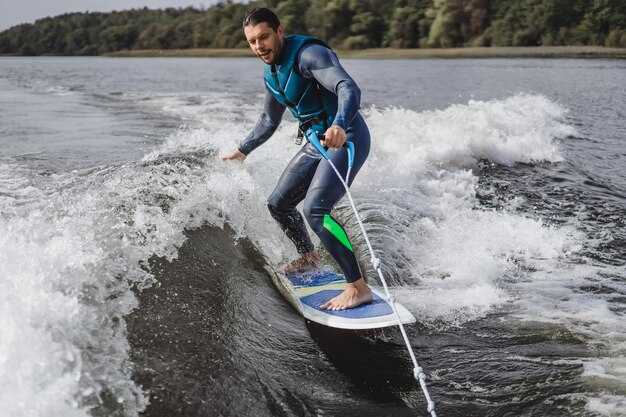
Set a tight, centered stance and practice a three-stage rotation to reliably land a frontside 180. This foundation keeps you in staying balanced through the approach and places your weight over the center of the board, reducing unbalanced reactions at impact. Basics start with a moderate edge, knees flexed, and eyes on the landing place.
Three-stage sequence: load, pop, rotate. Stage 1 – Load: bend knees, shift weight toward the front foot, and keep shoulder alignment to prevent twisting. Stage 2 – Pop: press off the high-pressure wake with controlled height, storing energy in the legs for a smooth release. Stage 3 – Rotate: drive the lead shoulder toward the landing, let the hips follow, and spot the landing while the board tracks on the wake line. This approach improves consistency and lowers the risk of unbalanced finishes.
Movements and cues matter: keep shoulder square to the wake, use modest upper-body movement, and avoid flailing. Controlling the hands and arms, including light rowing with the arms, helps balance the torso and supports the mental focus needed to stay calm under pressure. Simple drills reinforce basics and gradually build confidence, so each session adds to experiences that tighten technique and reduce tightness over time.
Common issues and fixes: if the rotation feels rushed, shorten the arc and increase storage of momentum during the load. If you drift off line or look away from the landing, re-center by pulling the chest back and re-aiming with the eyes. If the board stays unbalanced, re-check stance width, edge angle, and knee bend; hold three-stage positions until you sense clean flow. Riders report that sticking to a three-stage sequence in practice hones frontside consistency and reduces injuries.
Progression plan and coaching notes: start with low speed, light water, and a shallow rotation; gradually raise height and speed as control becomes reliable. Track improvements with a simple log of reps, stance changes, and comfort level; mental routines help you stay focused during transitions. Experiences show that a controlled approach to this move builds confidence, and with steady practice, each repetition improves line control and overall balance–making it an easy next step for a widening skill set. Storage of momentum through the legs and precise shoulder control are the keys to repeatable results.
| Stage | Key Actions | Common Pitfalls | Drills |
|---|---|---|---|
| Load | Knees bend, weight over the center, shoulders square; eyes forward | early extension, uneven weight transfer | Edge-change drill; hold 45-degree edge for 2–3 reps |
| Pop | Push off wake with controlled height; store momentum in legs | too tall or uncontrolled height | Mini-jump drill; 3-2-1 timing drill |
| Rotate | Lead shoulder toward landing; hips follow; board tracks | over-rotation; head swings off line | Shoulder-to-hip rotation drill |
| Landing | Absorb impact; knees bend; board flattens on water | landing on tip/heel edge | Spot-and-absorb drill |
Tail Grab
Set your pre-ride plan: stance shoulder-width apart, knees flexed 20-25 degrees, hips square, chest up, and eyes forward. Tighten the binding system to a snug but comfortable setting, then verify boots and straps. Gear up with wetsuits or jackets according to water temperature; bring a towel. Choose a line among the wake that stays clear of others and keeps you on a steady path. Among seasoned riders, this build confidence and reduces surprises on takeoff. If you also ride skis in winter, carry over stance cues and keep balance to avoid slips.
Approach with a smooth pop and maintain a soft, controlled edge. Reach back with your trailing hand to grab the tail edge while keeping the board flat on the water. Keep the opposite hand steady, shoulders squared, chest open, and eyes toward the horizon. Let the tail grab occur as you rise; hold for about 0.5-1 second, then transfer weight forward to prepare for landing. Stand tall through the grab and maintain a steady core. Absorb the impact by bending knees and rolling the shoulders, landing softly and staying balanced. If you plan to add spins, start with a small hip rotation during the grab and unwind on the way down.
Progression and safety tips: practice on both sides to build symmetry. Some drills involve grabbing the tail with both hands while the board remains level, then adding height gradually. Use yoga-inspired breathing to stay relaxed and overcome anxiety; a flexible core and ankles help control rotation and landing. When ready, experiment with turning transitions and gentle spins to extend the move. For endurance and focus, keep a steady pre-ride routine and invite family to watch sessions. Choose protective gear, and stay within your skill level to reduce risk while building confidence and control.
Backside 180
Begin with a plan: practice a gradual 90-degree backside rotation on calm water during first-time sessions, then add the second half once your stability through the move feels smooth. Booking with instructors accelerates progress, and you’ll stay cool under pressure as you advance in the world of board sports.
- Stance and holding: Set feet 22–26 inches apart, knees bent, hips over the middle of the board, weight centered. Hold the handle with a tight grip using both hands, elbows relaxed. Keep shoulders square to travel direction and eyes on the landing spot. Patience pays off here–don’t rush the setup.
- Edge, speed, and approach: Edge slightly toward the back foot while riding the wake line. Maintain stability with a steady pace (roughly 18–22 mph for a rider in the 60–80 kg range). Look to a point on the horizon to guide the turn; stay relaxed and avoid rushing the rotation.
- Initiate the rotation: On the pop from the wake, rotate hips first, then shoulders, turning toward the backside. Keep the board flat beneath you and your core engaged. Incorporate a tiny pause at the peak of the twist to help with balance and perfecting the timing.
- Spot and land: As you approach 180, focus on the landing area and bend your knees to absorb. Keep the board under the body, weight centered, and maintain a tight grip on the handle. Hold your head up slightly to keep vision forward and avoid drifting off course.
- Progression and fixes: If you feel an incorrect edge or a sloppy landing, commit to smaller increments, ease off the rotation, recheck your setup, and practice the 90-degree rotation on a calm section of the spot across several sessions until you land with stability. Among themselves and coaches, share notes, compare lines, and refine timing.
When you have built confidence, try the move behind boats under supervision to simulate real sessions. This approach helps you connect the dots among the various cues your instructors give and reinforces holding patterns that keep you balanced.