


 Ελληνικά
  English (UK)
  Русский
  العربية
  日本語
日本語  한국어
한국어  Magyar
  Türkçe
  Español
  Čeština
  Svenska
  Português
  Suomi
Suomi  Nederlands
  Română
  Italiano
  Français
  Polski
  Українська
  Deutsch
  简体中文
简体中文  Slovenčina
 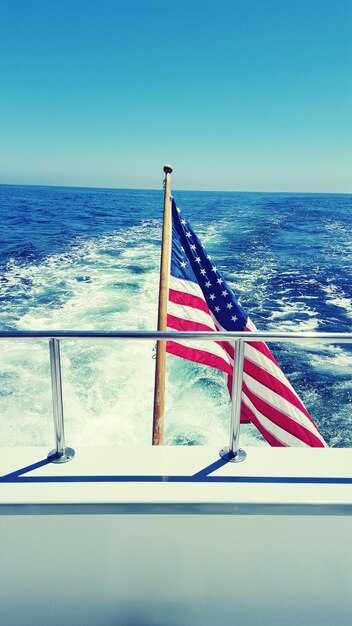 10 Boating Safety Tips for a Happy 4th of July">

Always wear a life jacket as you depart the dock. That simple move anchors everything you do that day and builds the foundation for a safe celebration on the water. Keep weight and balance in mind; even a gust can shift your course, so stay aware and move with the wind.
Before leaving the dock, confirm gear: a life jacket on each person; a throwable device secured; a charged radio; and lights that work. Weight distribution matters; keep heavier items low and toward the center along the hull. Salt spray can corrode contacts, so rinse and dry connectors after use and store them away from electronics. If your outing runs into night hours, youll rely on properly powered lights and a visible profile. Take a moment to inspect yourself and the crew for any snag or loose strap.
Education resources and courses cover man-overboard drills, navigation basics, and weather interpretation. Review a recent report on near-misses and practice accordingly. Rehearse recovery with a teammate in calm water; if someone goes overboard, shout the call and respond quickly with a ladder or floating device. weve learned that quick practice builds muscle memory and reduces risk.
During Independence Day celebrations, the scene on the water grows busier; youll need to stay aware of wind, currents, and the boats along their routes. Keep a safe distance, slow your speed in high-traffic zones, and avoid alcohol or distractions that dull judgment. If the crowd swells, be careful around swimmers and personal watercraft, along the shoreline and near docks.
Maintain a simple pre- and post-trip routine across days; keep a log so you can track changes and improvements. weve found that consistent checks and clear communication keep everyone safe. When you return, youll share what you learned with your crew, noting any equipment that needs service and planning education opportunities to raise the next outing.
Safety Briefing for Everyone Onboard: Key Guidelines
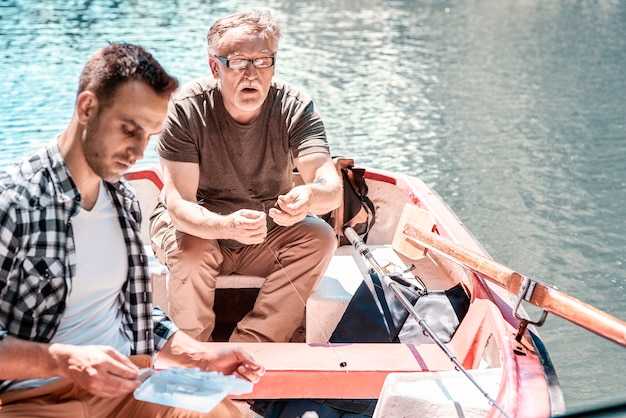
Wear a PFD immediately and keep it on while underway or near crowds. At first departure, confirm everyone is accounted by a headcount, then recheck after each leg. Maintain a registered guest list and designate a call-out person to alert if someone is missing or conditions shift. If you would challenge readiness, youve a quick call to the skipper for clarification.
- Predeparture checks: ensure every passenger has a properly sized PFD; confirm at least one auxiliary device is available; verify night navigation lights if night operation is expected; have a marine radio and spare batteries accessible; keep decks clear to prevent trips.
- Lookout and communication: designate a single caller to issue commands; maintain a 360-degree watch; keep voices calm; use clear hand signals when engines are engaged; ensure access to enforcement or the commission if required.
- Collision avoidance near crowds: slow to safe speed; maintain a distance of at least three boat lengths from others; avoid abrupt maneuvers; in dark or low-light conditions, increase alertness and reduce the chance of a collision.
- Overboard response: if someone goes overboard, shout overboard and throw a float immediately; keep eyes on the person until recovery; never leave a person in water; call emergency services if needed.
- Anchoring and night operation: select anchoring sites with certain depth and bottom conditions; set anchor with ample rode and check swing radius; switch to running lights and keep a lookout; avoid anchoring in zones with crowds or heavy traffic.
- Fuel handling and power: shut power down before fueling; avoid smoking near fuel; store fuel away from heat sources; ventilate compartments; some vessels require leak checks; never top off when the tank is hot.
- Post-cruise and records: verify gear is stowed; leave dock with everyone accounted; carry registration documents; report any incident to enforcement or the commission.
Some days demand extra vigilance; if conditions change, head count and call discipline rise in importance to prevent mishaps.
Tip 1-2: Verify Boat Capacity and Ensure PFD Accessibility
Check the vessel’s capacity plate immediately; ensure each occupant has a PFD within quick reach. Each person should also have a jacket within quick reach. Fully read the phrase on the label; these limits dictate how many can ride and how much gear can float. Also clarify what counts toward limits.
In july weekends, crowds at locations along waters often exceed the most conservative estimates; observers and others nearby might overlook small gaps in gear, while anchoring and watch efforts stay inconsistent. These gaps are smaller than you think; boat-ed hulls can shift more than expected, so you wont be surprised. Each PFD should fit the body of wearer.
Jackets should float near seating areas and be accessible without crossing aisles; avoid burying them in lockers.
During fall or high wind conditions, watch line tension and speed changes; if you encounter a sudden acceleration, use the PFDs and stay anchored. youll be glad you prepared.
| Item | Guidance | Σημειώσεις |
|---|---|---|
| Max occupancy | Capacity plate shows most people and weight limits; stay under to prevent failure. | Visible on dash |
| PFD accessibility | Ensure each body has a jacket within reach; jackets should be USCG-approved. | Keep extra sizes available |
| Gear storage & access | Store items so float jackets stay within line of sight; avoid clutter blocking exits | these steps reduce delays |
| Observers & anchoring | Designate a line watch; verify anchoring and review locations on waters | recreational use varies |
Tip 3-4: Require and Fit Coast Guard-Approved Life Jackets for All
Coast Guard-Approved life jackets worn by everyone on board; confirm each one fits snugly, with straps tightened and no slack at the shoulders, and have them secure. Maintain a complete range of sizes so ones match every body type; adjust before leaving the dock and recheck after every move between location and above water. The jacket stays in place when being tugged, and the chin strap is fastened. Also check that jacket fit allows full mobility, so the wearer can reach controls without restriction.
Store jackets in an accessible location and ensure everyone can reach one quickly; nobody should search when a wave hits. Before departure, inspect each piece: torn seams, faded colors, or stiff closures. If a defect is reported, swap immediately, and youll spot wear early and order replacements to keep a ready supply; it takes just moments. In summer, keep jackets free of dirt so they fit smoothly and revert to position quickly. If any jackets were damaged, replace them immediately.
During boating season, apply this standard consistently. This approach raises safety by ensuring everyone stays equipped and mindful. Maintain awareness of surroundings, location, weather, and traffic; keep a lookout on the horizon. Follow the rules with everyone aboard; nearly all injuries are avoidable when people wear the right ones and stay alert. Never assume conditions are stable; Avoid jacket looseness, which can amplify the effects of rough water; reported changes can alter speed, wind, and currents, like wind shifts, so adjust course and distance to prevent incidents.
Tip 5-6: Conduct a Pre-Departure Safety Briefing and Assign Roles
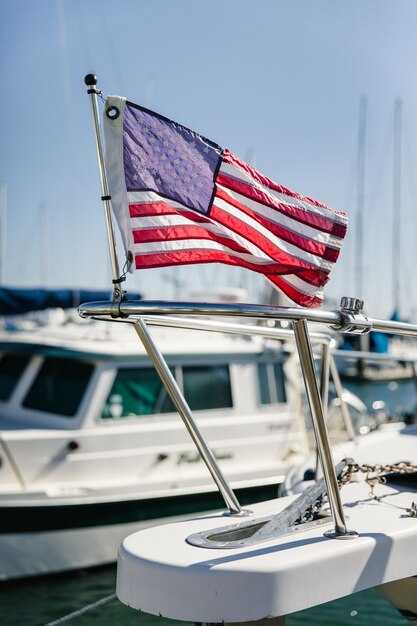
Begin with a 5-minute pre-departure briefing that confirms roles, checks gear, and clarifies emergency procedures. weve found this keeps people focused when going underway and reduces miscommunication if conditions shift, and carefully reviews equipment.
Assign explicit roles and lock in the plan: who guards the helm, who manages anchoring, who monitors the weather, and who handles communications. The captain commissions tasks to ensure each person knows their duty.
Use a simple phrase to confirm actions; cover the key things and what each person will do, and require everyone to respond with the same meaning, not just a nod. Give a clear order and check understanding; if someone hesitates, repeat.
Checklist item: lifejackets checked and within reach; confirm they’re registered to each person and assigned to those on board. Confirm kill switch is accessible and engines are ready to start. Include ongoing checking of lifejackets and rescue gear.
Briefing adds risk awareness: review causes of capsizing, entanglement, and propeller injuries; plan steps to avoid those.
Plan execution: designate a go-to person, take control of the vessel, and ensure critical tasks and assistance availability if a crew member needs help.
Close by listing the expected timeline and party responsibilities; keep the chain of command tight and ready to adapt.
Documentation: record the roles, checklists, and any changes; post-briefing notes stay within the vessel until departure.
Συμβουλή 7-8: Επιθεωρήστε τον Εξοπλισμό Έκτακτης Ανάγκης (Πυροσβεστήρα, Κόρνα, Φώτα) και Σηματοδότησης
Βεβαιωθείτε ότι κάθε είδος έκτακτης ανάγκης είναι έτοιμο: πυροσβεστήρας φορτισμένος, δείκτης στο πράσινο, ημερομηνία υδροστατικής δοκιμής σε ισχύ· ετικέτα παρούσα και η πρόσβαση καθαρή. Δοκιμάστε την κόρνα πατώντας την, επιβεβαιώστε τον ακουστό τόνο σε όλο το περιβάλλον. Ελέγξτε τα φώτα: οι λυχνίες καταστρώματος και πιλοτηρίου φωτεινές, οι εφεδρικές μπαταρίες διαθέσιμες, οι φακοί καθαροί και ο διακόπτης δοκιμασμένος. Διατηρήστε τον εξοπλισμό σηματοδότησης σε ένα απλό, αδιάβροχο δοχείο σε κοντινή απόσταση· βεβαιωθείτε ότι η σφυρίχτρα, ο καθρέφτης και το κιτ φωτοβολίδων είναι άθικτα και έτοιμα, με όλα επισημασμένα με σαφήνεια.
Κατά τη διάρκεια της λειτουργίας, υπενθυμίστε στους επισκέπτες και την οικογένεια ότι δεν επιτρέπεται το αλκοόλ κοντά σε αυτόν τον εξοπλισμό· το αλκοόλ και οι ψυχαγωγικές δραστηριότητες, συμπεριλαμβανομένων των σπορ επί του σκάφους, απαιτούν νηφάλιο χειρισμό και προστασία από περισπασμούς. Οι επισκέπτες δεν θα αγνοήσουν τα βασικά. Ορισμένες μεγάλες συγκεντρώσεις δείχνουν πώς αυξάνονται οι περισπασμοί· η επιβολή σε ορισμένα λιμάνια διευκρινίζει ότι μια καθαρή παρουσίαση μειώνει τον κίνδυνο. Εκεί, ο έλεγχος των αντικειμένων μαζί δείχνει ότι είστε προσεκτικοί· υπάρχει μια απλή επίδειξη ετοιμότητας που σχεδόν όλοι μπορούν να ακολουθήσουν. Εάν οποιοδήποτε αντικείμενο αναφερθεί ως ελαττωματικό, λάβετε άμεση δράση και αντικαταστήστε ή επισκευάστε το πριν προχωρήσετε.
Οι αλλαγές του καιρού μπορεί να επηρεάσουν την αναγνωσιμότητα· φροντίστε να λειτουργούν τα φώτα σε περίπτωση ομίχλης ή σούρουπου· βεβαιωθείτε ότι το περιβάλλον είναι ορατό από το τιμόνι. Ενώ μαζεύονται παιδιά ή επισκέπτες, κρατήστε μια απόσταση ασφαλείας γύρω από τον εξοπλισμό, ώστε να μην ανατραπούν μεγάλα ποτήρια με ποτά· αφιερώστε λίγο χρόνο για να σκουπίσετε την υγρασία, να ελέγξετε ότι όλα είναι στεγνά και να αποθηκεύσετε εφεδρικές μπαταρίες. Οι απλοί έλεγχοι διαρκούν λιγότερο από πέντε λεπτά: επιβεβαιώστε ότι η ετικέτα του πυροσβεστήρα είναι τρέχουσα, δοκιμάστε την κόρνα, επαληθεύστε τα φώτα και εξασκηθείτε στην σηματοδότηση με μια σφυρίχτρα. Αυτή η ρουτίνα σάς βοηθά να παραμείνετε ασφαλείς, να αποκτήσετε μεγαλύτερη αυτοπεποίθηση και να διατηρήσετε τις οικιακές περιπέτειες σταθερές και χαρούμενες.
Συμβουλή 9-10: Ελέγξτε τις Καιρικές Συνθήκες και τις Συνθήκες των Υδάτινων Οδών και Σχεδιάστε Ασφαλείς Διαδρομές
Ελέγξτε την τελευταία πρόγνωση, τον άνεμο και τα κύματα· ελέγξτε όσα έχουν αναρτηθεί από τις λιμενικές αρχές· στη συνέχεια, χαράξτε δύο ασφαλείς διαδρομές που ελαχιστοποιούν τη συμφόρηση και τον κίνδυνο σύγκρουσης, διατηρώντας αυτούς τους ανθρώπους και το πλήρωμα μαζί και την κίνηση σταθερή.
- Μετεωρολογικές πληροφορίες: άντληση της πρόβλεψης 0-12 ωρών από μια αξιόπιστη πηγή· έλεγχος για πρόσφατες ενημερώσεις καιρού· σημείωση ανέμου 8-18 κόμβων με ριπές έως 22, θάλασσες 2-4 πόδια, ορατότητα 5+ μίλια και τυχόν επερχόμενα μέτωπα ή καταιγίδες εντός 6 ωρών· επισκόπηση ειδοποιήσεων που εκδόθηκαν αυτόν τον μήνα· εάν οι συνθήκες επιδεινωθούν, να μην διστάσετε να αλλάξετε διαδρομή ή να καθυστερήσετε την αναχώρηση· αυτές οι αλλαγές θα απαιτήσουν προσαρμογή της ταχύτητας για να παραμείνετε με ασφάλεια εντός των ορίων.
- Κατάσταση πλωτής οδού: ελέγξτε τις ανακοινώσεις προς ναυτιλλομένους για λεπτομέρειες σχετικά με περιορισμούς, εκσκαφές, αβαθή και παράκτια κινδύνους· εντοπίστε ζώνες με αυξημένη κίνηση κατά τη διάρκεια εορταστικών εκδηλώσεων το Σαββατοκύριακο· αποφύγετε περιοχές όπου συγκεντρώνονται άνθρωποι σε αποβάθρες ή παραλίες· βεβαιωθείτε ότι η διαδρομή σας παραμένει εντός βαθιών καναλιών και μακριά από αβαθή.
- Συνωστισμός και επίγνωση κινδύνου: αξιολογήστε λιμάνια, εισόδους μαρινών και δημοφιλείς αγκυροβόλια· αυτά τα άτομα στην ακτή μπορεί να δημιουργήσουν απρόβλεπτα απόνερα· φύλλα από διερχόμενα σκάφη μπορούν να διαταράξουν την κίνηση, επομένως κρατήστε μια ασφαλή απόσταση και μειώστε την ταχύτητα όταν πλησιάζετε πολυσύχναστα σημεία.
- Σχεδιασμός διαδρομής: η κύρια διαδρομή παραμένει σε βαθύτερα κανάλια· η δεύτερη διαδρομή ως εφεδρική που αποφεύγει πολυσύχναστες λωρίδες· έχουμε χαρτογραφήσει αυτές τις επιλογές και έχουμε συμπεριλάβει την απόσταση, την ΕΤΑ και τη διαθεσιμότητα αγκυροβολίου/προβλήτας· εάν χρειαστεί αλλαγή, αλλάξτε έγκαιρα και επικοινωνήστε με το πλήρωμα.
- Ρόλοι πληρώματος και επικοινωνία: ορίστε ειδικούς παρατηρητές, χειριστή του πηδαλίου και αναθέστε έναν χειριστή ασυρμάτου. Χρησιμοποιήστε απλά σήματα και συχνότητα ελέγχου 1–2 λεπτών, ώστε να παραμένουν όλοι συντονισμένοι. Ελέγχετε τι συμβαίνει γύρω σας πριν εισέλθετε σε οποιαδήποτε περιοχή με συμφόρηση και σχετικά με τα πράγματα που πρέπει να παρακολουθείτε.
- Πειθαρχία στην απόφαση: εάν οι άνεμοι ή η ορατότητα υπερβαίνουν τα ασφαλή όρια, επανεξέτασε τι υπάρχει σε κοντινή απόσταση και απέφυγε ακατάλληλους ελιγμούς από άλλα σκάφη· προτίμησε ένα ασφαλές λιμάνι αντί να πιέσεις για ένα επικίνδυνο κομμάτι· δεν έχει σημασία αν κόβει από τις γιορτές, η προτεραιότητα θα σε κρατήσει με ασφάλεια μακριά από τον κίνδυνο και θα αποφύγεις τη σύγκρουση.