


 Deutsch
  English (UK)
  Русский
  العربية
  日本語
日本語  한국어
한국어  Magyar
  Türkçe
  Español
  Čeština
  Svenska
  Português
  Ελληνικά
  Suomi
Suomi  Nederlands
  Română
  Italiano
  Français
  Polski
  Українська
  简体中文
简体中文  Slovenčina
 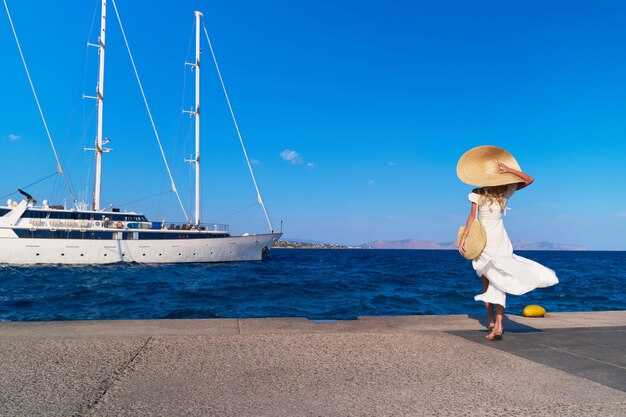 Where to Sail in May – Top Destinations for Ideal Spring Sailing">

Recommendation: Head to bodrum in May for the most reliable spring sailing. The climate offers light, steady breezes and visibility often above 8 miles on sunny days, with temperatures around 23–26°C and water near 20°C. Plan day sails at a pace of 4–6 hours, and anchor in sheltered bays along the bight for calm evenings.
In dubrovnik on the Adriatic, another strong option for May cruises, you’ll find ancient walls and heritage that invite Erkundung von along the coast. In May, weather is usually mild–air 20–23°C, sea 17–20°C–and you’ll encounter fewer crowds, which means more hours to learn from locals and refine your sailing routine. If you prefer longer hops, target the straits between the mainland and the island chain, where visibility stays high and the pace stays moderate, with regatta weekends adding a friendly challenge.
Further east, the bodrum coast links to a string of coves and a lower anchorage density than peak July weeks, so you can find quiet anchorages and still join a regatta weekend or practice the art of tacking along the coast. If you explore the Turkish coast, learn from local captains about regulations and safety, and keep to only sanctioned marinas to protect heritage sites and the coast’s fragile ecosystems. Such precautions help you sail with confidence while you enjoy the pace of spring sailing. Each stop offers a different rhythm, with coves, towns, and wind shifts to discover.
For a compact route, start near Split in Croatia or along the Dalmatian coast, with a final leg into in dubrovnik’s coastal waters where the sea remains less crowded than mid-summer, and you can anchor in the quiet bays that dot the approach to the island chain. Choose a sailing plan that balances daily legs around 25–40 nautical miles and shorter hops when winds shift, which keeps the pace lively yet comfortable. Always check regulations and local mooring rules, and book early to secure slips before the month fills.
Are you ready to sail? Find and book your yacht today
Book a yacht today for May sailing in the grenadines to lock in reliable weather, steady trade winds, and calm anchorages. Daytime heat averages 28-30c, with brief showers that pass quickly and bright visibility on most routes. Choose a balanced monohull or a wide-beam catamaran for easy handling and a full deck experience, making every leg smooth on the seaside. Enlist a local skipper to access tips and safe navigation through busy bays and narrow channels while keeping everyone safe.
Plan routes between Bequia, Mustique, Union, and Mayreau, each island offering a distinct culture and welcoming harbors. Festivals along the coasts bring music, seafood markets, and storytelling that enhance the climate of the region while you sail. Look for cala coves and sheltered anchorages on both sides of the islands to maximize rest after a day of sailing, and some routes let you hop from one island to another with minimal ferry downtime. Whether you seek lively social evenings or quiet coves, May sailing in these waters suits every sailor.
Visibility tends to be high in May, with clear horizons from dawn to dusk. Expect steady wind of 8-15 knots in the morning, building toward 18-22 knots in the afternoon, which keeps sailing enjoyable without rough seas. With heat and sun, pack breathable layers, reefed sails for gusts, and sun protection to stay comfortable on deck. In this window, the southeast trades are usually steady, giving you predictability for planning nightly anchorages.
Tips for booking: choose a reliable operator, request a plan with short hops between ports, and confirm berth availability in popular harbors. Ask for a current weather источник and compare forecasts from two providers to gauge consistency. Confirm porto docking slots and provisioning arrangements at each stop, and request cabin layouts that fit your group. For the best experience, add flexible dates to your search so you can ride late May breezes if a favorite cala or festival opens up.
Ready to sail? Contact your preferred charter, view yachts with full equipment lists, and lock in a May voyage that matches your pace, appetite for culture, and love of the sea. The grenadines backdrop offers clear skies, warm water, and the rhythm of knots and sails as you glide between seaside havens.
May weather windows by region: Mediterranean, Caribbean, Pacific
For May sailing, begin in the eastern Mediterranean where early-season winds are gentle and seas stay smooth. youll notice the best windows begins in greeces and turkeys coasts, with Dubrovnik offering calmer mornings as May progresses. From there, you can hop between islands along greek heritage routes and the lower Adriatic, without rushing between ports.
-
Mediterranean window (Eastern and Central)
- Early May (1–15) – winds usually 8–16 knots, seas 0.5–1.5 m. Ideal for Santorini, Crete, Rhodes, and the Saronic Gulf; Dubrovnik is calmer in the first half of the month. This is a great time for first-timers to establish confidence without heavy crowds.
- Mid to late May (16–31) – winds 12–22 knots, seas 1–2 m. Cyclades, Naxos to Mykonos routes open up, and the Turkish coast from Bodrum to Marmaris becomes more reliable for longer hops. Lower heat makes days comfortable for sailing and shore time.
- Practical tip: plan sheltered mornings on the east coast and take advantage of land-breeze fading in the afternoon. There are opportunities to taste greek and turkish culture along the coast and in each harbor’s Feier calendars–watch for demonstrations and local markets at small ports.
-
Caribbean window
- Early May (1–15) – steady NE trades around 15–20 knots, seas 2–3 ft; air and water temps rise toward 27–29°C. Great for Grenada, Carriacou, St. Vincent & the Grenadines, and Antigua. The sailing sides of many islands stay comfortable, and you can enjoy calm anchorages after crossings.
- Late May (16–31) – trades 18–25 knots; seas 2–3 ft with occasional build to 4 ft in exposed passages. Peak routes include the BVIs, St. Barts, and Turks & Caicos. This period offers excellent sailing opportunities, lively beaches, and plenty of Feier events on islands that keep heritage alive in summer preparations.
- Safety note: hurricane season begins in June, so May is a reliable shoulder period. If you see a tropical disturbance, adjust routing toward sheltered bays and anchorages.
-
Pacific window
- Hawaii (Central Pacific) – May is warm and steady, with tradewinds typically 15–25 knots. Best sailing from 1–20 May for island-hopping between Oahu, Maui, and the Big Island; later in May some trades tighten and afternoon sun can bring brief showers. Water 24–27°C; seas 2–6 ft depending on exposure.
- Sea of Cortez / Baja California (Mexico) – winds 10–18 knots, seas 2–5 ft; temps 25–30°C. Ideal for La Paz, Loreto, and Bahía de los Ángeles. The sheltered bays along Baja’s eastern shore offer smooth afternoons and excellent wildlife encounters.
- French Polynesia & Marquesas (Tahiti, Bora Bora, Haamene) – trades 15–25 knots, seas 3–6 ft; water 26–28°C. May–June provides reliable winds and good visibility for long passages. Haamene Bay (a noted shelter in the Marquesas) gives a gentle welcome to longer itineraries; you can combine Society and Marquesas legs for a rich cultural and natural experience.
- Practical note: plan flexible days to chase the wind when a front passes and to sail the sides of islands for the best scenery. In many Pacific destinations you’ll encounter thoughtful demonstrations of local culture and heritage sites along shorelines, so crowd-aware itineraries work well.
Top 7– to 10-day spring sailing itineraries by destination
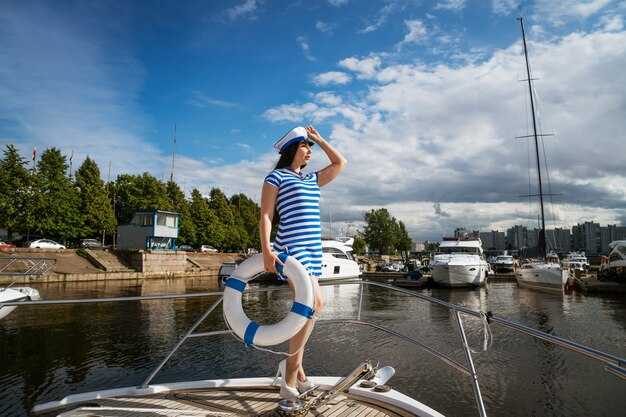
Start with grenadines for a 7– to 10-day spring sailing, calmer seas and hopping between islets create a relaxed, varied cruise.
grenadines itinerary: 8 days: Bequia → Mustique → Union Island → Mayreau → Tobago Cays Marine Park → Canouan → Palm Island → Bequia. Calmer winds prevail most days, and hopping between protected anchorages keeps seas gentle. Mooring in popular spots is straightforward; traffic concentrates at main harbors in mornings. Food ranges from local street fare to waterfront bistros; consider a marine reserve for snorkeling and turtle sightings. This region suits a sailor who loves island culture, clear water, and relaxed nights under stars. This route also allows flexible pacing for a small crew.
In langesund region, plan a 7– to 9-day coastal loop along the southern norwegian coast. Start in langesund, sail to arendal and grimstad, then kristiansand before returning, threading through sheltered bays and archipelago isles. Expect calmer spring seas, gentle currents, and long daylight hours that extend sailing time. Harbors are walkable, with cafés offering seafood and pastry; traffic remains light outside the main ports. This norwegian itinerary suits a norwegian-flagged or locally hosted charter and is ideal for a sailor who wants steady seas and a relaxed pace.
Tahiti offers a 9-day loop among tahiti, bora bora, moorea, huahine, and raiatea. Fly into Papeete, then charter a catamaran to ride the lagoon, anchor in calm passes, and snorkel with rays and turtles. May brings pleasant temps and calmer seas for an ocean crossing between atolls. Experiences include a hike to a lookout, a market visit, and a culinary night with poi and poisson cru. teresa, a local host, shares reef-safe tips and stories that enhance days ashore, enriching your understanding of the environment and marine life.
Porto coastal cruise for 8 days: Porto → Vila do Conde → Aveiro → Nazare → Peniche → Obidos → Cascais → Lisbon. Start with a day in Porto tasting port wine, then sail the Atlantic coast, stopping for fresh fish along the way. Vineyard visits in the Douro valley can be arranged as a day trip, with a riverbank lunch and a private cellar tour. Spring winds favor a moderate pace; keep an eye on traffic and currents near Lisbon’s river mouth. A navigator with river and ocean experience works well; this route suits a sailor who loves culinary stops and dramatic cliffs, and the scenery lets you know why this region attracts both locals and visitors alike.
saint martin and neighboring islands make a 7– to 10-day Caribbean circuit: saint martin → anguilla → saint barthelemy → tortola, with optional stops at virgin gorda or jost van dyke. Trade winds are reliable, seas are generally calm near lee shores, and anchorages are straightforward for a mixed crew. This route suits a sailor who loves lively food scenes, island markets, and memorable beach bars. tips include checking marina schedules, booking early in May, and respecting reef protection zones. Know local customs, and plan two short hops plus one longer day to Tortola for the best sunset sails. Locals come alive with markets and music as you move from island to island, making every night a new experience.
Tips to choose a yacht and secure May availability
Lock in May availability now by contacting a licensed charter broker and confirming your boat eight weeks in advance to secure prime dates and fair prices. Start with your groups and preferred form of sailing, then filter boats that can accommodate everyone comfortably; look for vessels with two heads and robust provisioning to keep food fresh and enjoyable.
Wähle ein Schiff, das zu der Art von Törns passt, die du planst. Für Küstenhopping bietet ein 40-50 Fuß langer Monohull oder Katamaran ein stabiles Handling und ausreichend Platz für geselliges Beisammensein. Im Mai wehen die Winde auf beliebten Routen durchschnittlich mit 12-20 Knoten, was gemäßigte See für Anfänger und erfahrene Skipper gleichermaßen freundlich macht, Schultersaison. Das hilft dir, mit Zuversicht zu planen. Bitte um einen detaillierten Saisonkalender, der die verfügbaren Termine und den Crewplan zeigt, um sicherzustellen, dass genügend Zeit für Ruhepausen und Putzaktionen vorhanden ist.
Ziele, die Sie im Mai in Betracht ziehen könnten, sind Procida und Camogli, beide beliebt für ihre geschützten Häfen und malerischen Küstenansichten. Procida bietet ruhigere Ankerplätze für Gruppen, von denen aus Sie die Küste der Cinque Terre erreichen können, während Camogli einen schnellen Zugang zum selben Küstenabschnitt ermöglicht. Wenn Sie Tahiti in Betracht ziehen, planen Sie weit im Voraus; Langstreckenreisen erfordern eine umfassendere Planung und ein größeres Budget, oft mit anderen Gruppen an Bord. Für alles vor Juli finden Sie mehr Optionen und niedrigere Preise.
Um Mai festzulegen, fragen Sie nach flexiblen Stornierungsbedingungen und einem klaren Zahlungsplan. Stellen Sie sicher, dass Bereitstellung, Hafengebühren und Skipperkosten aufgeschlüsselt sind, um Transparenz zu gewährleisten. Wenn Sie sich anderen Reisenden anschließen möchten, fragen Sie nach einer gemeinsamen Charteroption; dies hält den Moment oft lebhaft und am Leben, während Sie innerhalb des Budgets bleiben. Überprüfen Sie vor der Unterzeichnung die Stornierungsbedingungen und bestätigen Sie, dass Form und Layout des Bootes Ihren Bedürfnissen entsprechen.
Am Abreisetag sollten Sie kurz das Deck schrubben und die Leinen und Segel überprüfen. Bringen Sie eine kompakte Einkaufsliste für Snacks mit, um die Lebensmittel frisch zu halten; ein paar Lieblingsartikel machen die Mahlzeiten angenehmer und geselliger. Bitten Sie die Crew um eine kurze Sicherheitseinweisung zu Knoten, Notausgängen und lokalen Vorschriften, damit sich der erste Moment an Bord sicher und aufregend anfühlt.
Budgetplanung: Preisgestaltung, saisonale Trends und Sparen für Mai
Gehen Sie für Ihre Familie folgendermaßen vor: Sichern Sie sich einen 7-tägigen Charter im Mai in Poros, Amalfi oder Cinque für etwa 3.000–5.500 € auf einem Boot mit 3–4 Kabinen, und Sie werden mildere See, 27–29 °C Höchsttemperaturen am Tag, idyllische Ankerplätze, weniger Menschenmassen und eine üppige Landschaft genießen.
Die meisten Angebote tauchen in den Wochen vor der Hochsaison auf, mit Rabatten von 10–25 % gegenüber Juli–August, insbesondere bei kleineren Flotten. Das Ende der Hochsaisontarife kann bereits Ende Mai eintreten, daher sollten Sie dies genau prüfen und den Endpreis frühzeitig festlegen. Eine geringfügige Änderung der Bootsgröße oder des Reiseverlaufs, von Poros nach Cinque, kann Hunderte sparen; nutzen Sie die Vorteile von Starts unter der Woche und Routen, die überfüllte Hafenwochenenden vermeiden. In der Ägäis können die Winde im Mai den Meltemi im Laufe des Monats bringen, berücksichtigen Sie daher die Navigationsaspekte.
Im Rahmen der Planung sind die Vorräte wichtig: Denken Sie an Hühnerbrühe und lokale Grundnahrungsmittel auf den Märkten, planen Sie ein paar Einkäufe in Maria oder den umliegenden Städten ein und budgetieren Sie gelegentlich Truthähne, wenn Sie für die Familie während der Feiertage kochen. Wählen Sie, wo immer möglich, lokale Anbieter, um die Kosten an Land zu senken und die Navigation zu vereinfachen, insbesondere in Kanälen, die präzise Steuerungen erfordern.
Die Preise in Poros sind im Mai tendenziell freundlicher, während sich die Angebote in Amalfi mit der Wochenendnachfrage ändern. Motu-Routen erfordern eine sorgfältige Navigation; Faaroa-Routen sprechen abenteuerlustige Segler an. Bei einer Cinque-Route wird in den Angeboten oft Cinque in den Notizen verwendet, um Routen im ligurischen Stil zu kennzeichnen. Die Höchsttemperaturen liegen im Mai auf vielen Routen zwischen 27 und 29 °C. Von Poros nach Tortola belohnt die Saison frühe Planung und lokale Versorgung.
| Destination | Typische 7-Tage-Preisspanne (€) | Hinweise für Mai | Clever sparen |
|---|---|---|---|
| Poros, Griechenland | 2.800–5.000 | mildere Winde, idyllische Häfen; Anfang Mai sind weniger Menschen unterwegs | frühzeitig buchen, einen Start unter der Woche in Erwägung ziehen, sich auf lokalen Märkten versorgen |
| Amalfi Coast, Italy | 3.800–7.000 | 27–29 °C tagsüber; beliebt während Feierlichkeiten; Wochenendausflüge füllen die Marinas | Stoßzeiten am Wochenende vermeiden, kleinere Häfen wählen, Endpreisbedingungen prüfen |
| Cinque Terre, Italien | 3.500–6.000 | angenehme Temperaturen; malerische Häfen; idyllische Ankerplätze | nach 4-Bett-Angeboten suchen, Ausgleich mit einem Landaufenthalt in Maria |
| Tortola, Britische Jungferninseln | 6.000–12.000 | lokale Veranstaltungen; Menschenmassen entstehen um Feiertage herum | nach Rabatten für bemannte Charter oder Charter mit längerer Laufzeit suchen |
| Motu, Französisch-Polynesien | 8.000–18.000 | entlegene Lagunen; Navigation tieferer Gewässer | Buchen Sie rechtzeitig im Voraus; ziehen Sie geführte Routen in Betracht. |
| Faaroa, Gebiet Tahiti | 6.000–14.000 | ruhige Lagunen; stetige Winde | mit Landtagen kombinieren; auf Marchés Locaux einkaufen |
Was man für einen Segeltörn im Mai packen und vorbereiten sollte
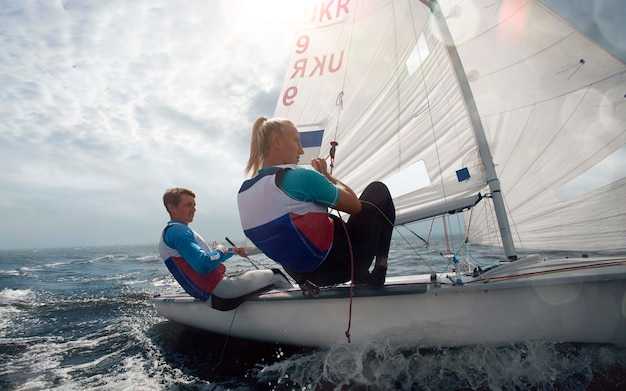
Packen Sie eine kompakte, atmungsaktive Regenjacke und ein schnelltrocknendes Baselayer-System ein; diese Form sorgt für Komfort, wenn der Wind sich von kühlen Morgendämmerungen zu warmen Nachmittagen bei Mai-Segeltörns ändert.
Stellen Sie eine Garderobe zusammen, die sich den Tageszeiten anpasst: ein UV-Sonnenshirt, ein leichtes Fleece und eine winddichte Shell. In Istrien und Bonifacio sind die Morgen kühler, während die Mittagshitze in der milderen Übergangszeit ansteigen kann. Packen Sie einen Badeanzug für Badewasser und schnell trocknende Shorts ein; fügen Sie einen breitkrempigen Hut, UV-Sonnenbrillen und Wasserschuhe für felsige Ufer hinzu.
Schütze die Ausrüstung mit einem kompakten Packsack für Elektronik, einer persönlichen Schwimmhilfe und einer zusätzlichen Rettungsweste; halte eine Stirnlampe für abendliche Kontrollen bereit. Packe ein kleines Erste-Hilfe-Set, bei Bedarf ein Mittel gegen Seekrankheit und ein einfaches Werkzeugset für schnelle Reparaturen an der Takelage ein. Trage eine wasserdichte Handyhülle und ein Ladegerät mit Solarbank bei dir und überwache vor der Abfahrt die Wettervorhersage auf Sichtverhältnisse.
Berücksichtigen Sie die Planung für jede Route: Istrien und Bonifacio belohnen frühe Abfahrten, um das brillante Licht auf ikonischen Küstenlinien und klarem Wasser einzufangen; planen Sie Landgänge für Zeiten, in denen die Sonne sanfter ist. Bei Pazifik-Routen sind längere Passagen mit größerem Seegang und Riffe zu erwarten, wo Korallenformationen eine sorgfältige Navigation erfordern. Porsgrunn bietet kühlere Abende und Fjordlandschaften, also packen Sie eine warme Zwischenschicht für Aktivitäten an Land nach Sonnenuntergang ein; richten Sie Ihre Route an dem lokalen Klima und den Strömungen aus.
Decke dich mit Essen und Trinken ein: Nüsse, Trockenfrüchte,Studentenfutter und kompakte Sandwiches lassen sich am besten transportieren, plus Elektrolytgetränke für lange Tage auf See. Für junge Segler plane ein paar Aktivitäten und freundschaftliche Wettbewerbe und versuche, an einem abendlichen Rennen oder einem entspannten Treffen mit lokalen Crews an Land teilzunehmen. Diese kleinen Routinen halten die Crew bei Laune und sorgen für Sicherheit, während sie neue Ufer erkundet.
Beginnen Sie im März mit den Vorbereitungen, um frühzeitig Buchungen und frühere Ankünfte zu sichern. Bestätigen Sie die Zeiten im Yachthafen und die Regeln für die Liegeplätze, laden Sie die Elektronik vor und packen Sie einen frischen Vorrat an haltbaren Lebensmitteln für 28-30°C Tage ein. Informieren Sie sich über korallenfreundliche Sonnencreme und riffschonende Praktiken; bringen Sie der Crew grundlegende Bordformulare für Rotationen bei, damit alle mitmachen. Führen Sie eine knappe Checkliste für Lebensmittel, Wasser und Ersatzteile, und planen Sie, den Plan nach den ersten Stunden auf dem Wasser zu überarbeiten.