


 Deutsch
  English (UK)
  Русский
  العربية
  日本語
日本語  한국어
한국어  Magyar
  Türkçe
  Español
  Čeština
  Svenska
  Português
  Ελληνικά
  Suomi
Suomi  Nederlands
  Română
  Italiano
  Français
  Polski
  Українська
  简体中文
简体中文  Slovenčina
 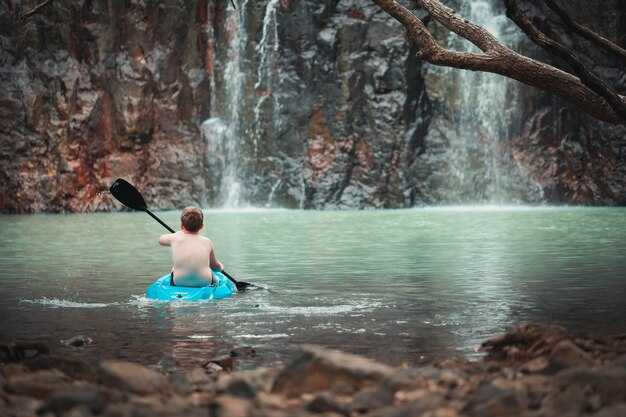 Where to Go for Bioluminescent Night Kayaking – Top Spots Revealed">

Begin your bioluminescent kayak plan with Mosquito Lagoon, east of Titusville, as your first stop. On calm evenings, dinoflagellate light shows turn each paddle stroke into a neon trail along the surface. Local operators run 2–3 hour tours that start at sunset and pass mangrove rows and grotto-like coves where the glow brightens with every stroke. Travelers chasing photos report brilliant wakes and a moonlit horizon that feels almost unreal.
Next, head to Merritt Island National Wildlife Refuge and the Indian River Lagoon corridor, where tropical lagoons glow on calm nights. There, you’ll see glowing lines trace along the surface as you paddle, sometimes curling toward pelican roosts and marsh edges. The cost ranges from $45–$70 per person, with gear and safety briefings included, and you’ll want to book ahead for weekend slots.
In the tampa region, several operators offer quick put-ins around bayside lagoons, giving travelers a practical option for a night mission. Combine a sunset paddle with the glow on the surface, and you’ll see a brilliant display that often lingers after the moon climbs. Typical guided trips run about 2 hours and cost $40–$60 per person, with equipment included.
Time windows vary, but late spring through tropical summers bring stronger blooms in central Florida’s lagoons. For vivid scenes, target nights with a new moon or a clear sky after sunset. On a full moon, the glow can be subtler, so plan ahead with your guide to pick the right night.
To lock a great slot, book early for weekends; most operators publish schedules a month ahead. Bring a lightweight jacket for after dusk, and note if you want extra time for long exposure photos during the paddle. Gear usually includes a kayak, paddle, PFDs, and a brief safety briefing.
When planning, consider a few key routes: Mosquito Lagoon near Titusville; Merritt Island’s lagoon corridor; and the Tampa Bay area’s sheltered lagoons. Each offers its own charm: open marsh edges, mangrove channels, and shallow flats that turn luminous at night. This opportunity to paddle under a starry sky often yields sparkling reflections on the surface and the occasional glowing grotto-like hollow. Bring a dry bag for your gear and a camera for photos.
Space Coast Bioluminescent Kayaking: 5 Practical Spots and Access Tips
Plan ahead: launch from Haulover Canal in Mosquito Lagoon, located along Florida’s east coast, just after dusk for the brightest sparks and the calmest water on the east coast.
|
Spot |
Access & Parking |
Best Time / Conditions |
Was zu erwarten ist |
Zugriffstipps |
|---|---|---|---|---|
|
Mosquito Lagoon – Haulover Canal |
Public ramp near Haulover Canal; parking can fill on weekends–arrive early. |
Calm nights with light winds under 7 mph; after dark, water stays glassy; plan for a long exposure after the new moon. |
Dinoflagellates produce an intense electric-blue glow; sparks trail with each paddle stroke; glow appears amongst mangroves, especially around roots. The light themselves can be seen along the paddle path; simply paddle slowly to reveal the show. |
Plan ahead; bring insect repellent for mosquitoes; wear a PFD; carry a waterproof bag; leave no trace; if you fall in, swim to shore; use a red headlamp to preserve night vision; from the ramp, stay in established channels; year after year, this area makes a reliable glow; just be mindful of boat traffic to avoid a crash. |
|
Banana River Lagoon – Jetty Park / Port Canaveral area |
Jetty Park Boat Ramp offers public access with parking; nearby Cocoa Beach ramps provide alternatives; check cruise ship schedules that can limit spaces. |
Wind under 8 mph yields smoother water; best after sunset; east-facing shoreline helps with visibility; the glow tends to intensify once the ambient light fades. |
Glow travels along shallow channels; you may see reflections from the shoreline; snorkel-friendly zones exist where water is shallow; the electric-blue glow wraps around you, producing a picturesque scene you can share with others as you move amongst the lapped water. |
Access Tips: bring red-filtered lights; mosquitoes are common at park edges; stay in marked channels; bring water and a dry bag; leave the area as the tide shifts; from Tampa, this is a straightforward eastbound drive; simply arrive after sun set and be ready for a calm paddle; if boat wakes crash nearby, reposition to calmer coves. |
|
Turkey Creek Sanctuary – Palm Bay |
Parking at the sanctuary entrance; access to the water is through designated channels suitable for kayaks and small craft. |
Calm evenings after dusk; avoid windy nights; warm months yield stronger visibility; dusk to after-dark windows provide the best contrast. |
Dense mangroves create pockets where bioluminescence appears intense; you’ll notice glow along roots and slim channels, sometimes drifting around silhouettes of wildlife; the glow comes from tiny organisms that create light themselves, offering a soft, magical experience. |
Access Tips: plan ahead; insect repellent helps against mosquitoes; wear a life jacket and leash your craft; keep to established waterways to minimize disturbance; leave no trace; from the east coast corridor near Tampa, this is typically a short evening trip; if you hear boat traffic, pause and wait for a safer window; leaves of mangrove trees occasionally drift into view–watch where you paddle to avoid tangles. |
|
Sebastian Inlet State Park – Sebastian |
North side boat ramp and a dedicated kayak launch; park fees apply; parking closes after hours, so plan accordingly. |
Best in calm conditions; after-dark windows reveal strong glow along inlet edges; spring and fall often provide clearer skies and richer color; tides influence visibility and movement. |
Bioluminescence lines the inlet channels with a vivid glow that can be seen from several feet away; paddle strokes can trigger little flashes that resemble sparks; shallow zones invite snorkel exploration in warmer months. |
Access Tips: mosquitoes may buzz near the shore; carry a whistle and light source; use a red headlamp; stay in marked channels and respect wildlife; leave the park via the same ramp when finished; from the Tampa region, this spot is a comfortable hour-and-a-half drive; to avoid river traffic, time returns with calmer currents; if you collide with a submerged log, ease out smoothly to prevent a crash. |
|
Indian River Lagoon Corridor – Melbourne to Vero Beach |
Rotary Park (Melbourne) and nearby city ramps along A1A provide accessible launch points; multiple launch sites make it easy to extend a trip. |
Best after dark on calm nights; late spring through fall yields stronger glow; plan a longer outing to explore multiple channels; further exploration around eddies increases visibility. |
Glow along mangrove edges and flats; the light is produced by the same organisms and can appear as a soft aura or more defined trails with your paddle strokes; snorkeling in shallow pockets can reveal close-up color; as the night comes, color intensifies and becomes more dramatic. |
Access Tips: leave no trace; carry a map and weather app; red-light mode helps preserve night vision; remain aware of boats and wildlife to prevent any collision; mosquitoes can be persistent; from Tampa, the drive east is within reach for a weekend paddle; comes with the benefit of a broad lagoon system that invites exploring different coves; leaves the shore quietly for a deeper experience while avoiding disturbance. |
Mosquito Lagoon: Best launch points, tides, and glow timing
Begin at Haulover Canal Boat Ramp in Titusville for fast access to Mosquito Lagoon. From there, paddle toward the shallow flats where glow forms, typically 10–25 minutes after leaving the ramp, depending on current and wind. An alternative entry is Black Point Boat Ramp along Black Point Wildlife Drive, offering a southern route with calmer water and a shorter first leg.
Tide timing matters. Target a window when water moves, usually a 2–3 hour span around rising or falling tide. Check NOAA tide tables for local times and adjust for wind; light winds under 10 mph keep surfaces smooth, maximizing glow visibility during strokes.
Moon phase influences intensity. Plan for nights near new or crescent moons to gain darker skies after dark. in july, warm nights extend the glow window, but bright moonlight can wash out the glow, so aim for a night with limited moonlight when possible.
Glow occurs when paddle strokes stir the water and excite a chemical creature in the lagoon. Move slowly; keep overhead lighting off and use a red headlamp to preserve night vision. A dry bag protects phones and cameras.
Bright neon trails follow each stroke, creating a living wake along the hull. The scene evokes vaadhoo in the Maldives, a must-see moment on a tropical itinerary. Источник glow lies in moving water and microscopic life that responds to motion.
Gear checklist: PFD, whistle, dry bag, camera with dry pouch, and a red-light headlamp. Paddle with a light touch to minimize wildlife disruption. Avoid loud chatter and stay clear of manatees and wading birds.
For night paddlers seeking a memorable session, Mosquito Lagoon delivers accessible ramps, moving tides, and luminous wakes that turn ordinary paddling into a neon experience under florida skies. Nearby hotspots such as vaadhoo in the Maldives illustrate global glow, yet Mosquito Lagoon offers a distinct, local glow you can chase nearby. источник
Indian River Lagoon: Night routes, viewing hotspots, and safety tips
Kick off from Sebastian Inlet State Park boat ramp for a beginner-friendly, neon-lit show along shallow mangrove channels. Launch in a kayak, single or tandem, with a trusted partner guiding you through 1–2 miles of flats where dinoflagellates spark as your paddle breaks the surface after sunset, in the evening. In february, target a window roughly 60–75 minutes after official sunset; in summers, start earlier to beat heat and humidity while the lagoon glows brighter in darker pockets where wildlife watches you pass.
Night routes: from Sebastian Inlet north jetty, follow the channel toward Pelican Island National Wildlife Refuge for a gentle loop through shallow water and mangroves. Another option runs along the Vero Beach canal system toward the ICW north of Riverside Park, where calm reflections give you a neon-like halo around every paddle stroke. An experienced guide can tailor the pace and pick a safe path for first-time night paddlers. Guides could bring kayaks, and if wind stays light, you could add a second pass near Fort Pierce Inlet or Turkey Creek to extend the view.
Viewing hotspots and tips: Pelican Island NWR offers a magnificent display along its mangrove shoreline; the Vero Beach canal network reveals hidden pockets where sparks surge across the water with every paddle stroke. theres a guana perched on branches at some coves, adding wildlife ambiance. The mood can feel rangali, america-inspired yet unmistakably local, and some paddlers compare it to jamaicas glow while staying in an all-American setting. Naples outfitters and jervis-area shops offer kayaks and guided routes for after-dark sessions, with guides who tell you what to expect and safety briefs included, providing an opportunity to learn about seagrass ecosystems and bioluminescent biology. A worm-like shimmer traces along the seagrass beds, signaling microbial activity that enhances the glow–an inviting reason to want a guided, instructional first night paddle.
Safety tips: wear a properly fitted PFD at all times; carry a whistle and a waterproof light; use a red light setting to preserve night vision; keep to marked channels and avoid busy boat lanes; watch for manatees, dolphins, and alligators near shorelines; avoid operating in windy or choppy conditions; check weather and tides before heading out; go with a buddy or a guide who knows the area. If you’re paddling with kids or new paddlers, keep trips compact and plan a return before peak glow fades and crowds pick up.
Banana River Lagoon: Calm channels, beginner-friendly options, and etiquette
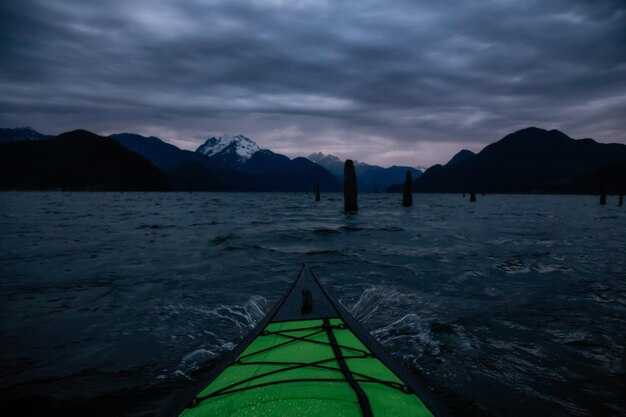
lets start with a plan: Rentals from a local outfitter along Banana River let you kick off with a 60–90 minute dusk paddle through calm channels near shore, with a view toward the ocean.
Five beginner-friendly spots exist inside the lagoon, each keeping you in sheltered water with gentle movement and clear sightlines. Spot A runs along the mangrove edge toward a grotto-like opening, Spot B circles a cluster of small islands, Spot C follows a quiet inlet behind a marina, Spot D glides past a shallow sandbar, and Spot E traces a calm bend where bird life concentrates. These routes let you stay close to shore and reduce wave impact while you learn how your kayak tracks in low light, and such options keep the trip accessible for first-timers.
At night, a display unfolds as local bioluminescent organisms emitting light when disturbed. Movement from your paddles creates sparks that shimmer along the water, forming a gentle glow you can follow from the mangroves to open water. The glow varies with season and weather; on darker evenings it becomes easier to spot, sometimes coming and fading with gusts. If you’ve seen vaadhoo’s famous glow, you’ll notice Banana River’s display is softer but more frequent, ideal for repeat-night trips.
Etiquette: stay in marked channels to protect seagrass beds and wildlife, avoid chasing wildlife or generating loud splashes, and keep a comfortable distance from other paddlers. Use a low-output light or red-night-vision option to preserve the nocturnal display for others, and keep voices quiet during the show. Bring a trash bag and pack out everything; never leave debris behind. When you finish, glide to shore and park in the designated area to minimize wake and avoid disturbing nearby neighbors. Rentals should be returned on time to keep services running everywhere nearby, because shared access depends on mutual respect. Remember to check wind and tide before you go.
Practical planning: aim for calm evenings with light winds, and plan a 60–90 minute window after sundown. Check tide charts and moon phase–the darker nights reveal the glow more clearly. If you’re traveling from america or puerto locales, Banana River offers a convenient pre- or post-cruise night paddle, with rentals and guides commonly available. lets start from a central location near the Cape and finish with a stroll along the riverfront, perhaps accompanying a nearby center-area event or gathering on weekends. For travelers from nearby states, this short trip fits neatly into a Florida night itinerary.
Cape Canaveral National Seashore: Access, parking, and gear recommendations
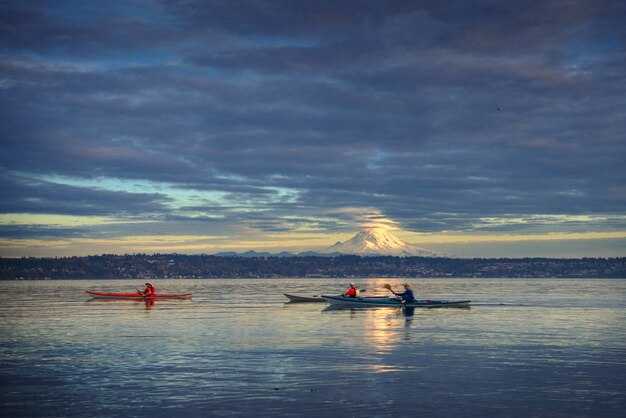
Enter via the Playalinda Beach entrance and park in the day-use lot closest to the marsh; youll have easy water access and calm, low-current waters ideal for a first night paddle to view bioluminescence.
- Access: Use the Playalinda Beach district entry for straightforward water access. A short walk from the parking area leads to the launch points along the marsh edge, where calm, shallow water is common after sunset. Always check current alerts on the NPS site, as sections may close for nesting seasons or weather.
- Parking: Day-use lots near the marshside are free and typically fill on weekends. If you arrive late, you may find overflow spaces along the access road, which adds a brief stroll to reach the ramp. Plan to arrive before sunset for the best choice of spots.
- Park rules: Stay on designated paths, respect dune habitats, and avoid entering restricted zones. Pack out everything you bring in, and keep noise low to preserve night skies for bioluminescence observations.
- Gear essentials: Kayaking setup with a reliable PFD, a paddle, a dry bag for keeping phone and keys dry, a whistle, and a headlamp with a red filter. Add a compact throw line and a small safety kit for quick fixes on the water.
- Footwear and clothing: wear tropical shoes or water shoes that protect your feet from shells and rocks; quick-dry clothing and a light windbreaker work well as temps drop after sunset. Have a spare layer handy for when the air cools.
- Waterproofing and visibility: keep electronics in a dry bag; use a dim red light to preserve night vision, and avoid bright white lights when entering the water to protect the experience for everyone and all wildlife along the island margins.
Bioluminescence timing and best practices: nights with glassy, calm water after sunset yield the strongest glows; this occurs most reliably on warm, low-wind evenings along the barrier island. Plan your outing around a dark sky–new moon periods offer the best contrast–and expect a shifting display as you move, creating trails that look like theyre alive on the water.
- Timing: start after nautical dusk and shoot for a 60–90 minute window when the water surface is smooth and the glow is easiest to see. The island’s shallow bays are ideal for gentle paddling, making it friendly for beginners and travelers alike.
- Best conditions: look for light winds and clear skies; when there’s wind or chop, the glow can be muted and the experience less dramatic.
- Enter/exit strategy: enter when water is calm, and exit before you lose light; keeping your group close reduces risk and helps you share the moment with another set of paddlers.
- Jellies and wildlife: jellies may appear on warm nights; wear long sleeves or a light wetsuit if you’re prone to stings, and avoid swimming if swarms are present. Stay in your craft and maintain a safe distance from wildlife.
- Safety and etiquette: travel groups should maintain a steady pace, communicate plans, and avoid blocking channels used by others; always have a plan B in case conditions shift, and respect fellow travelers who are exploring the worlds of bioluminescence around this tropical island.
Five practical takeaways: arrive early for parking, keep lights low, bring dry storage for valuables, wear appropriate footwear, and monitor weather and jelly activity before entering. Cape Canaveral National Seashore offers a great backdrop for strolling-kayaks under a starry sky, making it a must-visit for travelers seeking a tropical night on the water with bioluminescence live and vivid. Plan ahead, check conditions, and you’ll enjoy a memorable, full experience that feels like stepping into another world.
Titusville Area: Guided tours vs. self-paddle, pricing, and what to expect
Go with a guided tour for your first Titusville bioluminescent night paddle–you’ll get a safety briefing, a proven route, and photos that truly capture the glow.
Guided tours typically run 50–85 per person for a 2–3 hour outing. Private small groups (2–4 people) start around 120–180, depending on dusk timing and group size. Most operators include a stable kayak or sit-on-top, a personal flotation device, a paddle, and a headlamp or flashlight, plus a short safety briefing. Some add dry bags or waterproof cases, which helps you keep phones and wallets dry. For best glow conditions, book on a clear night with little moonlight, and plan to arrive 15 minutes early to gear up and map your route.
Self-paddle rentals run roughly 25–40 per hour or 60–120 for a half-day, with maps marking easy trails along the Mosquito Lagoon and Indian River shores. You’ll typically supply your own PFD or rent one, and you’ll rely on posted routes rather than a guide. Bring lightweight rain gear, water, and shoes you don’t mind getting wet; spray from the water is common, so protective cases help. If you want more flexibility, this option lets you steal a few minutes for photos at your own pace, especially along clear edges where algae glows best.
Seasonality matters: September nights stay warm and often calm, which enhances the nightly display across shallow, sheltered bays. The glow isn’t guaranteed every day, but the best nights align with near-new moon phases and low wind, creating a stunning neon display along easy trails. The experience feels like a different worlds cross between outdoor adventure and art, a once-in-a-lifetime moment that many compare to a heavens-lit sky rather than a typical night paddle. If you’re curious about how a guided route compares to a DIY paddle, nights with stronger blooms tend to favor guided groups that can optimize the glow while you focus on your own paddling rhythm.
What to expect when you arrive: a quiet, warm shoreline, friendly guides, and the chance to see the glow with your own shoes confidently on the kayak deck. The glow comes from algae-rich edges and is most vivid with slow, steady paddling–nightly light shows you can capture in photos and video, though stills often demand a steady hand and a bit of patience. Plan for 2–3 hours total, including loading, paddling, and a short cooldown on the water. Home comforts fade in comparison to the moment you drift along the glow; it isnt unusual to leave with a renewed sense of wonder, nearly Cambodia-level in its sense of travel and discovery, and with the sense that you’ve stepped into a neon heavens that feels bigger than a single day’s trip.