


 Deutsch
  English (UK)
  Русский
  العربية
  日本語
日本語  한국어
한국어  Magyar
  Türkçe
  Español
  Čeština
  Svenska
  Português
  Ελληνικά
  Suomi
Suomi  Nederlands
  Română
  Italiano
  Français
  Polski
  Українська
  简体中文
简体中文  Slovenčina
 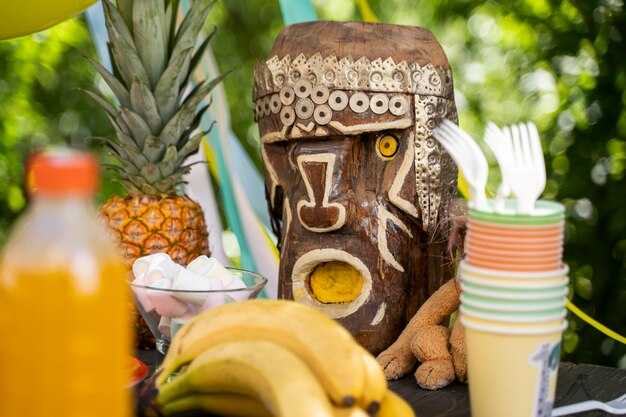 What to Pack for a Tahiti &">

Pack three must-have clothing pieces for seven days in Tahiti: quick-dry shorts, a UV-protective rash guard, and a breathable shirt. Add two swimsuits and a cover-up you can wear for dining and sunset strolls, plus a light rain jacket for sudden showers in the south Pacific. For shore paths and boat trips, bring one pair of sandals and, if you snorkel, lightweight water shoes. Whatever plans you have, keep the total weight manageable to stay well-prepared.
Keep devices protected with a waterproof pouch and a compact power bank. Bring a universal plug adapter so mornings before activities stay smooth. Copy important numbers and hotel reservations to a small USB drive, and save digital backups in your email. If you travel with a friend, sharing sunscreen and gear keeps packing light. This makes packing easier. These tips help you stay well-prepared, whatever the forecast says.
Minimize waste by carrying a reusable bottle and a small tote for excursions. Use reef-safe sunscreen and carry a travel-sized vera gel for after-sun care. If you wear makeup, keep a light, water-resistant kit that stays intact in humidity. If you travel with a friend, sharing sunscreen and gear keeps packing light. Avoid unnecessary plastic and keep the beaches pristine and welcoming for wildlife.
Organize by days and outfits: three pieces for beachwear, two for evenings, and two for travel days. Pack a small daypack for dining times and short trips; a waterproof pouch for valuables; a spare hat. If you enjoy simple meals on the go, include a tiny cook kit with a collapsible cup and compact utensils. This way you stay pristine and ready to make memories with a friend around wildlife-filled lagoons.
What to Pack for a Tahiti & – Local Currency and Maps
Carry a small amount of XPF cash for taxis, markets, and tips at the start of your Tahiti trip.
Tahiti uses CFP franc (XPF). Withdraw cash at ATMs in Papeete and larger towns; many shops and eateries accept cards, but rural stalls and some markets require cash. Exchange a few notes at the airport or hotel on arrival, then rely on local ATMs to replenish. Plan for a few days of cash for casual purchases, while keeping a card for larger expenses.
Maps and navigation
- Download offline maps for Tahiti and the Society Islands; save them in your phone for quick access.
- Carry a compact paper map as backup; signal can drop on remote beaches and inland trails.
- Ask hotel staff or shop clerks for directions if you get turned around.
Packing list
- Capsule wardrobe: pack a few items that mix and match, including a t-shirt, a sturdy pair of shorts, and wrinkle-resistant fabrics to reduce wrinkles.
- Lightweight jacket for evenings and boat trips; winds can be cool after sunset.
- Footwear: comfortable sandals for the beach and strong sneakers for hikes; keep feet comfortable all day.
- Face care: reef-safe sunscreen, a cap or hat, and sunglasses to protect your face in strong sun.
- Insects1: insect repellent for evenings outdoors; choose a trusted formula suitable for humid climates.
- First-aid: a compact kit with bandages, antiseptic wipes, pain relievers, and any personal meds.
- Accessories: reusable water bottle, travel-sized toiletries, and a small dry bag for valuables at the beach.
- Sustainable options: a reusable tote for market visits and a refillable sunscreen bottle to minimize plastic use.
- Cocktail-ready outfits: a simple dress or polo for resort cocktail hours and sunset lounges.
- Room essentials: a compact toiletry bag that fits in hotel drawers and a microfiber towel for quick dries.
- Preparation mindset: capsule pieces with versatile colors help you stay comfortable while keeping luggage light.
Post-vacation note: organize receipts and photos, ensuring you have a smooth wrap-up and are ready for the next trip.
Tahiti Packing, Local Currency, and Maps: a practical checklist
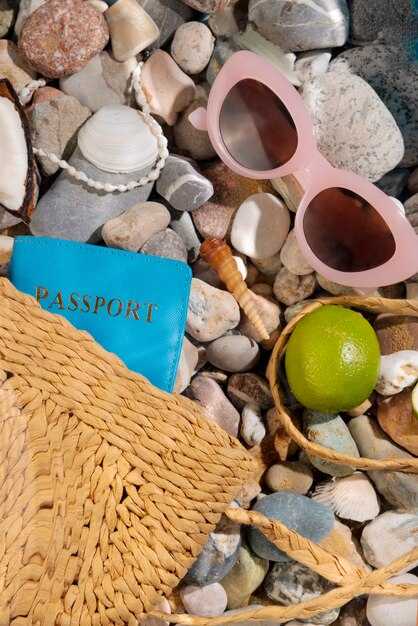
Pack a waterproof map case and CFP francs (XPF) in a compact wallet before you depart for Tahiti; a smooth start helps you stay relaxed during vacation.
Carry a thermometer to monitor heat, reef-safe sunscreen, and permethrin-treated clothing to shield skin on trails and during boat trips. Friends who’ve been here can share tips, but keep your plan flexible to enjoy exploration and downtime with ease.
| Category | Item | Anmerkungen | Qty/Tip |
| Packing Essentials | Lightweight, quick-dry clothing | Warm, humid days; favor breathable fabrics; include a couple of warm layers for cooler evenings | 6-8 tops; 3-4 bottoms |
| Water & Boat Gear | Mask, snorkel, fins | Rentals available; bring fins if you prefer your own fit; use reef-safe sunscreen | 1 set (optional: spare mask) |
| Protection & Health | Permethrin-treated clothing; reef-safe sunscreen; hat | Permethrin on clothes; shield skin with sunscreen; seek shade at noon | 1 sunscreen; 1 long-sleeve shirt |
| Landeswährung | CFP franc (XPF); credit/debit cards | ATMs in Papeete; cash handy for markets and taxis | Initial 2,000–5,000 XPF |
| Maps & Navigation | Printed map; offline maps on phone; waterproof map case | Keep in dry pouch; offline maps help in remote spots; plan routes | 1 map; digital backup |
| Storage & Comfort | Cooler; dry bag; cabin bag | Cooler keeps drinks fresh on boat; dry bag protects valuables | 1 small cooler; 1 dry bag |
| Wildlife & Viewing | Lightweight footwear; sun protection; binoculars | Respect coral spots; observe birds from safe distances; trails lead to viewpoints | As needed |
On the boat or in the cabin, stow valuables in a dry bag and keep a cooler for drinks. Evening viewing from the deck offers breathtaking sunsets, while nearby coral spots invite snorkeling with fins and calm marinated seafood snacks from local markets. Live music at sunset adds a relaxing vibe to the scene, making the island feel welcoming for friends and solo travelers alike.
Seasonal packing tips for Tahiti’s tropical climate
Pack lightweight, quick-dry layers and a packable rain jacket for wet-weather days. dont rely on one outfit; having two swimwear sets and a breathable tee per day keeps you flexible. Smart packing saves space and time. Tahiti’s climate is hot and humid, so moisture management matters more than heavy fabrics, which ensures you stay quite comfortable. A compact microfiber towel can replace bulky bath towels on days you sail or explore, and it travels easily. Bring a main set of 3-4 tops, 2-3 shorts, and 1-2 lightweight pants to cover different activities, from Erkundung to sailing on a Segelboot. Be mindful: dont overpack bulky items.
Choose outfits that mix and match: pairs of lightweight pants or skirts with 2-3 tops create multiple outfit options for days ashore and on a Segelboot. A smooth approach keeps your packing efficient and makes the course of each day flow, so you can swap layers without fuss. Imagine yourself moving from a morning reef-snorkel to an afternoon café, and you’ll see how few pieces cover most activities.
For protection, choose reef-safe sunscreen, a wide-brim hat, UV sunglasses, and insect repellent; having these on hand makes afternoons more enjoyable. Sunscreen should be applied 15 minutes before sun exposure and re-applied every two hours when swimming. It doesnt feel heavy if you choose lightweight formulas, and it dries quickly for easy re-donning.
Footwear: pairs of versatile footwear–two sandals and one pair of water shoes–plus a light sneaker for excursions. Keep a compact pair of flip-flops for shore visits and a hiking-friendly option for rocky trails. The goal is smooth comfort without bulk, so limit to a practical few items for feet across the trip.
Evening layers: a lightweight sweater covers breezes on deck and at dinners. For long days, you can switch to a breathable long-sleeve top to protect skin while keeping outfit possibilities flexible. A simple outfit rotation helps you stay fresh without re-washing constantly.
Gear you may consider: a small dry bag, a phone waterproof case, a portable charger, and a compact snorkel kit if you have one. A snorkel adds value on a warm day, but keep it light for travel days and on a Segelboot course.
Plane tageweise eine kompakte Checkliste: Für eine 7-Tage-Reise rechne mit 7 Badeanzügen, 5-7 Oberteilen, 3 Unterteilen, 1-2 Pullovern und einer leichten Regenschicht. Wenn du mit nassem Wetter rechnest, packe 1 wasserdichte Schicht sowie 1 schnell trocknendes Handtuch ein. Dieser Ansatz reduziert das Volumen und hält gleichzeitig possible outfit optionen flexibel und enjoyable während Ihres Aufenthalts in Tahiti.
Kleidung, Schuhe und riffsichere Badebekleidung, die Sie täglich verwenden werden
Atmungsaktive, schnelltrocknende Stoffe und riff-freundliche Sonnencreme für den täglichen Gebrauch einpacken. Für Moorea beginnen Sie mit 3–4 leichten T-Shirts, 2 Shorts, 1 luftigen Kleid und 1 langärmligen UV-Shirt, um sich vom Essen bis zum Sonnenuntergang wohlzufühlen. Diese Kleidungsstücke sind vielseitig einsetzbar, vom Strand bis zum Café.
Hier ist eine einfach zusammengestellte, riffschonende Ausrüstung: ein UPF 50+ Rash Guard, ein langärmliger Badeanzug, Boardshorts und ein schnelltrocknendes Handtuch. Verwenden Sie riffschonende Sonnencreme und spülen Sie die Ausrüstung nach dem Aufenthalt im Meer ab, um Korallen zu schützen und die Ausrüstung für morgen bereit zu halten.
Wählen Sie ein Paar bequeme Sandalen mit Fußgewölbeunterstützung und ein zweites Paar Wasserschuhe zum Wattwandern. Achten Sie darauf, dass die Riemen weich bleiben und auch bei langen Erkundungstouren mit Ihrem Unternehmen nicht scheuern.
Nimm eine wiederverwendbare Flasche und einen kleinen, wasserdichten Akku für Handys oder Kameras mit. Ergänze dies durch einen leichten Hut, eine UV-Sonnenbrille und eine kompakte Regenjacke für tropische Schauer.
Outfits passen sich perfekt an verschiedene Orte an, vom Marktbummel bis zum Essen am Meer; diese einfache Mischung hilft Ihnen, sich zu entspannen und Frieden zu finden. Ein vielseitiges Kleid oder eine leichte Hose eignen sich gut für Abendausflüge und sorgen gleichzeitig für Komfort in der Meeresbrise.
Optionen bedeuten ausreichende Abdeckung ohne Überpacken. Dazu gehört ein kleiner book für ruhige Abende und ein paar Notizen für learning über das Erbe Tahitis; diese Extras halten Sie während der Ausfallzeiten in Moorea in Verbindung, während shopping Reisen oder in einer Hotellounge.
Für kühlere Nächte, ein Kompakter down Die Jacke lässt sich in einer kleinen Tasche verstauen. Das bedeutet, dass Sie warm bleiben, ohne viel Gepäck mit sich herumzutragen. Alle Artikel arbeiten zusammen, um Ihnen ein Gefühl der Sicherheit zu geben, während Sie die Insel besuchen, einkaufen und das Erbe und die Kultur erkunden.
Sonnenschutz und riffschonende Must-haves für das Inselleben
Wählen Sie riffsichere Mineral-Sonnencreme (Zinkoxid) und tragen Sie UPF 50+-Shirts. Diese Kombination blockiert etwa 98 % der UV-Strahlen und schützt Korallenökosysteme, während Sie atemberaubendes natürliches Licht genießen.
Es dauert etwa eine Minute, um eine Ganzkörper-Schicht aufzutragen, und dann alle zwei Stunden oder nach dem Schwimmen, Schwitzen oder Abtrocknen mit dem Handtuch erneut aufzutragen. Bei höheren Sonnenwinkeln müssen Sie möglicherweise um die Mittagszeit häufiger nachlegen.
Lippenschutz ist wichtig: Ein Lippenbalsam mit LSF 15+ und Zinkoxid hält auch bei windigen Bootsfahrten. Wählen Sie riffsichere Rezepturen mit der Kennzeichnung "Non-Nano", um die Belastung des Riffs zu minimieren.
Grundlegende Kleidung hält dich bedeckt: ein leichtes, langärmeliges UPF 50+ Shirt, ein Hut mit breiter Krempe und UV-blockierende Sonnenbrille. Für Nackenschutz, führe ein Seidentuch mit, das du während Kreuzfahrten oder Bootstransfers drapieren kannst; eine dünne Wollschicht hilft an kühleren Abenden, auch wenn die Luft warm bleibt. Wenn du Make-up getragen hast, wähle riff-sichere Tücher.
Wählen Sie riff-freundliche Produkte mit natürlichen Inhaltsstoffen und vermeiden Sie Oxybenzon und Octinoxat. Packen Sie zwei kompakte Flaschen ein, um Platz in Ihrer Tasche für Souvenirs zu lassen; ziehen Sie biologisch abbaubare Tücher für eine schnelle Erfrischung unterwegs in Betracht.
Gut vorbereitete planen zwei Sets: eines für Strandtage in einem trockenen Raum und eines für Bootstage in einer wasserdichten Tasche. Packen Sie ein kleines, wasserdichtes Buch mit Riff-Knigge und Lerntipps ein, damit Sie für die Erkundung bereit sind. Dieser Ansatz hilft Ihnen, ob Sie nun auf Kreuzfahrt gehen oder die Gegend erkunden, den Schutz griffbereit zu haben, für eine außergewöhnliche, angenehme und entspannende Reise.
Landeswährung, Geldautomatenzugang und Kartenzahlung in Tahiti
Empfehlung: Führen Sie CFP-Francs (XPF) in kleinen Scheinen für Märkte, Taxifahrten und Trinkgelder mit und verwenden Sie Ihre Karte für Abendessen und Hotels. Tahiti ist ein Paradies, aber Bargeld ist an Orten, an denen keine Karten akzeptiert werden, weiterhin nützlich. Bereiten Sie einfach eine Mischung aus Bargeld und Karte vor und gehen Sie unbesorgt los. Unverzichtbar sind eine Karte mit niedrigen Auslandsgebühren, eine Ersatzkarte und ein bescheidener Bargeldbetrag für Tagesausflüge; packen Sie außerdem Reiseadapter, ein leichtes Hemd und einen kühlen Kopf ein, um sich keine Sorgen zu machen.
Landeswährung und Cashflow: Die offizielle Währung ist der CFP-Franc (XPF). In der Praxis zeigen die meisten Schilder und Preise XPF an, und Bargeld eignet sich gut für kleine Einkäufe, Snacks und Bootsfahrten. Geldautomaten sind in Papeete und größeren Städten sowie in der Nähe größerer Resorts üblich; Sie finden dort in der Regel Optionen von Banque de Tahiti, Banque Socredo und Banque de Polynésie. Wenn Sie von Hawaii kommen, läuft Tahiti immer noch mit XPF, planen Sie also einen reibungslosen Übergang, indem Sie sich für den ersten Tag mit Bargeld eindecken und für größere Ausgaben Karten verwenden.
Geldautomatenzugang und -kosten: Heben Sie von Automaten der eigenen Bank ab, um Gebühren zu minimieren, und vermeiden Sie die dynamische Währungsumrechnung (DCC) am Automaten, die Sie an einen ungünstigeren Kurs bindet. Rechnen Sie mit einer Servicegebühr des Automatenbetreibers zuzüglich der Auslandstransaktionsgebühr Ihrer Hausbank; die Gesamtsumme pro Abhebung kann variieren. Heben Sie daher lieber zweimal größere Beträge pro Tag ab als mehrmals kleine. Wenn Sie einen Segeltörn oder Angelcharter planen, führen Sie genügend Bargeld für Orte mit, an denen keine Kartenlesegeräte vorhanden sind. Beachten Sie auch, dass einige abgelegene Stellen Abhebungen begrenzen können, planen Sie also im Voraus.
Kartenverwendung und Akzeptanz: Visa und MasterCard werden in Hotels, Restaurants und bei den meisten Reiseveranstaltern weitgehend akzeptiert; American Express ist außerhalb großer Resorts weniger verbreitet. Führen Sie immer eine oder zwei Ersatzkarten mit sich und bewahren Sie eine Fotokopie der Kartennummern und Kontaktdaten des Ausstellers an einem separaten Ort auf. Für Aktivitäten wie Segeln, Angelcharter oder Inselhopping akzeptieren viele Betreiber Karten, aber einige lokale Anbieter an abgelegenen Orten bevorzugen Bargeld, so dass Sie kostengünstiges Bargeld zur Hand haben müssen. Es ist besser, hochwertige Ausgaben mit Karte zu bezahlen und Bargeld für Trinkgelder und tägliche Einkäufe zu verwenden, um Flexibilität vor Ort zu gewährleisten.
Praktische Tipps für jedermanns Reise: Informieren Sie Ihre Bank über die Reisedaten, um Sperren bei Einkäufen zu vermeiden, und aktivieren Sie die PIN-Nutzung, falls verfügbar. Bringen Sie Reiseausrüstung mit: zwei Karten, Reiseschutzdetails und einen kleinen Kopf für schnelle Entscheidungen. Packen Sie Sonnenschutz in Reisegröße, ein Ersatzladegerät und ein kompaktes Notfallset ein; halten Sie ein paar Scheine für Trinkgelder auf Märkten oder an Orten in der Nähe der Lagune bereit, wo Schnorchelflossen oder Ausrüstungsverleih üblich sind. Wenn Sie eine Milchallergie haben oder spezielle Milchprodukte benötigen, decken Sie sich ein, bevor Sie zu den äußeren Inseln aufbrechen, da die Auswahl vor der Küste begrenzt sein kann. Mit diesen Schritten werden Sie sich weniger Sorgen machen, intelligenter ausgeben und Tahitis Magie mit Zuversicht genießen.