


 Deutsch
  English (UK)
  Русский
  العربية
  日本語
日本語  한국어
한국어  Magyar
  Türkçe
  Español
  Čeština
  Svenska
  Português
  Ελληνικά
  Suomi
Suomi  Nederlands
  Română
  Italiano
  Français
  Polski
  Українська
  简体中文
简体中文  Slovenčina
 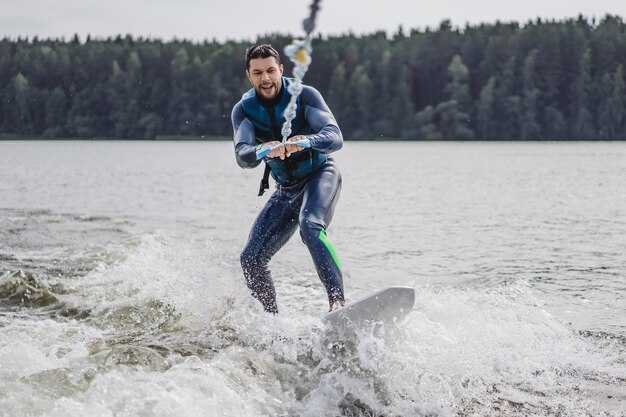 Wakeboarding vs Wakesurfing – Key Differences and How to Choose">

Recommendation: Start with wakesurfing if you want a gentler entry and quicker confidence on the water; wakeboarding is best if you crave tricks and a steeper learning curve. For adults starting out, the choice between these styles determines your first days on the water and sets a rhythm for practice. You know that balance and body awareness matter: wakesurfing generally requires a centered, less demanding stance, while wakeboarding demands more edge control and a higher level of foot placement accuracy to handle the wake. The result is a clear path: familiarity and steady progress with wakesurfing, or broader progression with wakeboarding as you become more comfortable on big wakes.
Between wakeboarding and wakesurfing, boat speed and rope setup shape your control. While the feel differs, both setups teach balance, and wakesurfing lets you ride with a little speed and a simple stance, so the balance becomes intuitive for a person who wants quick feedback. Wakeboarding asks you to manage the rope, keep your heel-to-toe edge, and respond to a steeper wake, which creates a demanding but rewarding progression. Each style has a familiar rhythm: you start with a flat approach, then progress to carving and maintaining line as you gain control of the handle and the board.
How to choose? Consider your goals: if you want a pure ride with less gear and more time on the lake with friends, wakesurfing wins. If tricks, jumps, and terrain changes excite you, wakeboarding is the best path. Think about your starting point: a person with good balance from skating or surfing tends to pick wakeboarding sooner; someone focused on stability may prefer wakesurfing first. Between these options, you can shift later if you want more challenge or visibility to progression. If you were deciding between stability and speed, consider your priorities. Also factor weather–calm days suit wakesurfing, while wakeboarding handles choppier water better with an experienced rider.
Tips for starting out: check your equipment fit and learn the stance on dry land first; practice foot placement and ankle flex, then move to the water. For adults, a practical plan is to do short sessions of 20–30 minutes on days with rest to avoid fatigue. Keep your balance with a relaxed grip on the handle and a focus on a clean exit from the wake. Start with a little speed and keep your body tall; the visibility of your wake helps you know when to shift weight. A familiar routine and tips accumulation over a session produce the best results, and remember to take breaks when you feel tired.
Bottom line: if you want a versatile all‑round experience, wakeboarding and wakesurfing share some mechanics, but the starting point is different for your goals. The best approach is to try a few sessions on both boards to see what feels most natural and what creates confidence in balance. The decision should be guided by your age, your interests, and the amount of practice you’re willing to commit. Once you know what you want, you can optimize your grip, stance, and speed to maximize progress.
Skill Level and Learning Curve for Beginners
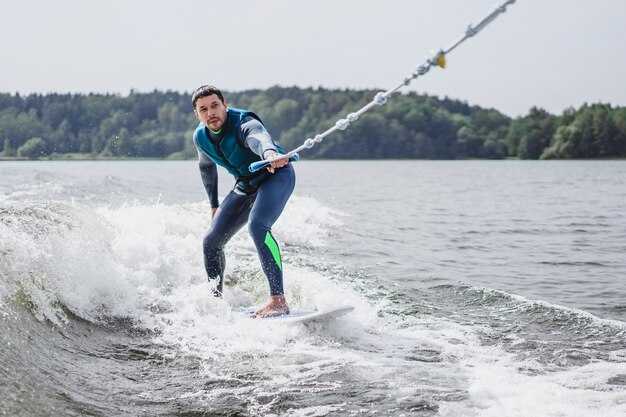
Begin with a half-day session to build balance on the board and get quick feedback.
For beginners, the learning curve in wakeboarding vs wakesurfing follows a certain path: dramatic early gains, then steadier refinements. Surfing-like balance in wakesurfing often feels more approachable, while wakeboarding emphasizes edge control and handling the rope on the handles. With consistent practice, improvements can be quite noticeable within days, and theyre supported by corrections from a guide. Creating a plan created around your preferences helps you improve faster and stay motivated.
- Foundational balance: keep feet roughly hip-width apart on the board, knees bent, and weight centered. In wakesurfing, ride around the wake with a relaxed stance; in wakeboarding, practice edging by shifting weight toward toes or heels while keeping the rope taut on your hands. Try a split stance to feel how weight distribution affects stability.
- Common mistakes and corrections: avoid looking down, keep your chest up, and don’t rush the rise. Use a simple corrections loop to fix one thing at a time. Theyre easy to repeat during a half-day session or on days of practice.
- Progression and equipment: start with a forgiving board and bindings; adjust setup to fit your weight and height. For wakesurfing, a wider deck helps balance; for wakeboarding, secure bindings reduce wobble. Equipment choices around your preferences can accelerate progress.
- Practice cadence and safety: plan 2–3 short practice days per week; half-day blocks keep sessions focused. Laughter on the water is common and helps relieve tension as you learn.
- Week-by-week plan: Week 1 focuses on getting up and balancing; Week 2 adds short rides and basic turns; Week 3 expands duration and introduces simple edge work. Track corrections and compare days to see how the learning curve tightens.
- Preferences and feedback: try both sports around the same time if possible to gauge which feels more natural for you; adjust the plan around your schedule and equipment to maximize improvement.
Boat Wake, Equipment, and Setup Needs
Fill ballast properly to shape a smooth, consistent wake that matches your boat and rider weight, then test in the morning and adjust to a suitable level for the group.
Distribute ballast evenly across bags; uneven load shifts alter the wake and handling, so use a regular check routine and a ballast system that allows precise, safe tuning. The result is a stable ride for each person on board.
Keep propellers clear of gear and people; this is a key part of safety, and never spin the engine with riders in the water to protect gear and riders alike.
Rope length and handle choice: for most riders a 65–75 ft rope works well; adjust to skill level and personal preference, and ensure the handle grip is comfortable to reduce fatigue during a long morning on the boat.
Speed and environment: general ranges help, but refine by feel; although differences exist between wakeboarders and wakesurfers, weight changes require small tweaks. This approach makes each maneuver predictable and reduces surprises that strain the shoulder.
Additionally, make this a part of your routine: confirm the gear is properly stored and accessible; this reduces downtime and makes transitions smoother when a familys group changes riders.
Boat Wake Setup Tips
Adjust the wake plate and boat trim to shape the crest; a slightly higher bow with a flatter stern creates a smooth, forgiving wake for beginners, while a tighter peak suits riders progressing to jumps. This part of setup matters for consistency across runs so you can compare morning results.
Test changes with a short pass and observe the result; if the wake looks choppy or heavy, back off ballast a notch or adjust speed by a small amount, repeating until the result is smooth.
Equipment Checklist
Ensure you have suitable gear for the conditions: life jackets that fit each person, a long enough, well-maintained rope and handle, ballast bags in good condition, and a pump or inflater that works. Check propellers, lines, and fittings for wear, and replace needed parts before you spend a day on the water.
Riding Style, Stance, and Maneuver Options
Start with a centered stance and keep your feet about shoulder-width apart to maximize balance. For wakesurfer, stay centered over the board to track the wave around its peak; for wakeboarders, a slightly wider base helps absorb chop and maintain line tension when the rope pulls you through turns.
Riding style for wakesurfing emphasizes continuous, graceful motion along the wave face, with smooth carves and re-entries that stay close to the wave. Wakeboarding leans toward dramatic, high-energy moves, including jumps, grabs, and spins, which require precise edge control and quick timing to ride the wake’s peak.
Your stance should adapt to the board and water conditions: go for a smaller stance when learning on a wakesurfer to improve balance, and widen slightly when you plan aggressive transitions on a wakeboard. The key is consistency–keep your weight centered over both feet and keep your knees bent to absorb chatter as the boat wakes roll by.
Common maneuvers include smooth cutbacks and re-entries for a wakesurfer, while wakeboarders vary with jumps, grabs, and spins. Both styles benefit from practicing the timing of turns to the lip, and from maintaining steady speed to stay around the wave rather than chasing the energy of the boat.
To minimize risk and build skill, practice at slower speeds and on smaller waves, check winds before you ride, and adjust your setup accordingly. When towing behind an outboard, wakes can be dramatic, so plan moves around the peak of the wake and keep an eye on how the wind shapes it. For learning, keep slack in the line to a minimum during transitions and time your moves to the wave frame to maintain continuous momentum.
Switch between regular and goofy stands as you gain confidence, and experiment with stance width to see how it influences balance and stability. This approach helps you feel what works around the lip and around the peak, which moves will be possible with your current gear and water conditions.
Water Conditions and Safety Considerations
Always verify wind and depth before you ride. If winds exceed 15 mph or surface chop rises above 1.5 feet, reschedule and relocate to a sheltered, located area away from heavy boat traffic. Maintain a depth of 6–8 feet to minimize bottom contact and keep safety margins for beginner riders. These checks create a reliable baseline for both wakeboarding and wakesurfing, helping every rider stay safer and more comfortable.
Water conditions differs between wakeboarding and wakesurfing, and these basics influence how you set up your session. These are the key factors: wind direction, chop, and current. The biggest factor is wake size, which entails ballast, boat speed, and how you position the rider. For beginner groups, start with a smaller wake and a conservative speed, then adjust as confidence grows, ensuring the riding area remains clear and well marked for all members.
Keep rope slack to a minimum and plan your line management as part of the safety routine. The part of the rope closest to the boat should stay taut while the trailing portion remains controlled; use simple hand signals and maintain a single spotter. If someone falls, there is a standard protocol to signal the pilot and recover the line quickly to minimize risk for others there.
Ballast and depth are primary safety levers. For wakesurfing, ballast weight creates the biggest, predictable wake; distribute ballast evenly to avoid boat tilt and wake irregularities. A typical mid‑size boat uses about 400–800 pounds total ballast, adjustable in small increments for rider weight and feel. Maintain depth of 6–8 feet when possible to reduce bottom hazards and allow a clean exit if a board comes loose. Regularly check ballast bags or tanks for leaks and secure connections to prevent shifts during riding.
Safety gear and crew roles should be clear from the first session. Every rider wears a Coast Guard–approved life jacket; helmet use is advised for rocky or shallow zones. Have a dedicated spotter and a clear kill-switch policy; verify all lines and quick‑release devices before entering the water. Regular equipment inspections–lines, handles, and anchors–keep things durable and ready for the next ride. For groups, establish a simple rotation so every member understands the safety cues and expectations.
When planning costs and logistics, ideal conditions support social, regular sessions without overwhelming the group budget. Consider the cost of a shared ballast setup, extra line lengths, and protective gear; these investments pay off through fewer incidents and longer riding sessions. For beginner riders, keep sessions compact and focused, so all members gain confidence without fatigue, and use durable gear that stands up to frequent use. The biggest safety win comes from a prepared crew, clear roles, and a plan that works for everyone, whether you ride alone or with a larger group.
Goals and Progression: Freestyle, Surfing, or Family Fun
Start with wakesurfer basics on a shorter rope to build balance and confidence; lock in a solid standing position, keep the rope held lightly at hip height, and practice clean edge control. This approach accelerates comfort on the water and supports a family-friendly plan that works for any rider. You should keep drills small and focused, and theres small wins along the way to stay motivated.
Path choices and progression steps
Freestyle path: focus on micro-adjustments and repeatable positions. Make small shifts in ankle and knee to refine edge control; maintain a proper grip to avoid jerks; use a guide to set short-term goals and measure progress by comfortable reps, not height. This route is common among riders who want expression, but no need to rush to higher-impact tricks; master the basics first. You should also experiment with different words and cues to track progress and stay familiar with your own limits.
Surfing path: concentrate on reading the wake, carving, and speed management. Start with a taller stance to stabilize balance and gradually move into longer slides; the wakesurf board and boat towers influence how the board responds, so adjust your weight with micro-adjustments. Stay familiar with the basics, and progress at a steady pace with a focus on control and rhythm for the long run. You can still tweak stance and edge to find your unique style while keeping safety a priority.
Family-fun plan: keep sessions short, friendly, and inclusive. Use shorter rope lengths, slower speeds, and common drills that help every person stand and ride with confidence. Prioritize holding the rope correctly, staying comfortable, and celebrating small wins; choose a guide to tailor the activities to each person or adult, and ensure none feel pressured to perform tricks they don’t want or need. This approach respects each person’s needs and lets the group wrangle rope tension smoothly, so the whole family can have fun and go taller or shorter as they feel comfortable. None should feel left out.