


 Deutsch
  English (UK)
  Русский
  العربية
  日本語
日本語  한국어
한국어  Magyar
  Türkçe
  Español
  Čeština
  Svenska
  Português
  Ελληνικά
  Suomi
Suomi  Nederlands
  Română
  Italiano
  Français
  Polski
  Українська
  简体中文
简体中文  Slovenčina
 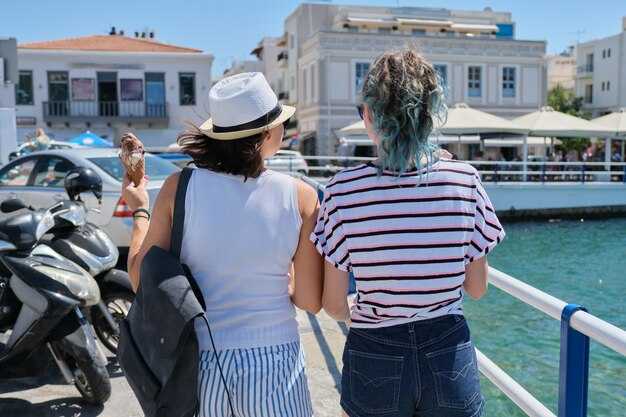 Underrated Mediterranean Destinations for Your Bucket List, According to Travelers">

Beginnen Sie mit den Maltesischen Inseln: Basis in Valletta für eine 3-tägige Schleife nach Gozo und Comino, dann zurück für einen Sonnenuntergang im Grand Harbour. Fähren verbinden die Inseln im Sommer alle 1–2 Stunden, und planen Sie 4–5 Stunden pro Tag für Wanderungen entlang der Küste und Schwimmen in versteckten Buchten ein.
In Westanatolien, ephesus deserves a concentrated half day. Die Ruinen öffnen um 8:00 Uhr und der Rundgang dauert etwa 90 Minuten, wobei ein Museum in der Nähe weitere 60 Minuten in Anspruch nimmt. Ein Morgenbesuch passt gut zu einem Küstenlunch in Kuşadası, das in 30 Minuten mit dem Dolmuş oder Taxi erreichbar ist.
In Griechenland, das santorini die Szene ist ikonisch, aber mehrere kleinere Inseln bieten ein romantic alternate that’s still easy to reach from Athens or Naxos. A right Fähre von santorini to Paros oder Milos dauert etwa 2–3 Stunden, wo Sie ruhige Strände, Dorftavernen und Wanderungen mit finden scenic Blicke, damit Sie die belebtesten Menschenmassen verpassen können.
Für einen langsameren Puls, einschließen rumänien auf einem separaten Abschnitt: Constanįas Küdste und das Donaudelta bieten Naturschönheit ohne Menschenmassen, whiläläure die Ausläufer der Karpaten beherbergen Wanderungen und Berge mit scenic viewpoints. Ein lokaler Turm, der über einem Klippenpfad thront, bietet ein ruhiges Wahrzeichen, und Planungstipps beinhalten die Buchung von Aufenthalten unter der Woche und die Nutzung regionaler Züge, um die Fahrzeit zu minimieren.
Diese Routen bieten scenic micro-Abenteuer, die den Touristenmassen aus dem Weg gehen und gleichzeitig unvergessliche Mahlzeiten und Lieblingsmomente bieten. Du stellst einen flexiblen Plan mit einer Tages-für-Tages- planning Tipps und lokale Guides nutzen und bei Wetteränderungen anpassen. Diese Mischung erhält das mediterrane Flair, ohne vorgefertigten Reiserouten zu folgen.
Trapani, Sizilien: Praktische Ausflüge und verborgene Schätze entlang des Mittelmeers
Beginnen Sie mit einem morgendlichen Spaziergang entlang der Saline di Trapani e Paceco und des Hafens, bevor Sie von der Hafenstadt eine Fähre nach Favignana nehmen, um einen Tag in leuchtenden Buchten und türkisblauem Wasser zu verbringen. Derzeit fahren Fähren mehrmals täglich vom Hafen von Trapani ab, was dies zu einem zuverlässigen Start macht. Dieser Plan bietet einen straffen Start in Ihre Woche entlang des Mittelmeers und bietet einen köstlichen Vorgeschmack auf italienisches Meeresfrüchte und Inselleben.
Favignanas Küsten laden zu entspannten Spaziergängen ein: das Gebiet von Cala Rossa belohnt diejenigen, die verweilen, während die Ruinen der Tonnara di Favignana eine Geschichte vom Seefahrtsgewerbe erzählen. Berücksichtigen Sie auch Levanzo für einen kürzeren, ruhigeren Inselbesuch mit felsigen Buchten und einfachen Küstenwegen.
Für einen höheren Aussichtspunkt erhebt sich Erice über der Stadt mit Kopfsteinpflastergassen und Panoramaterrassen. Fahren Sie nach oben oder nehmen Sie, falls vorhanden, die Seilbahn; auf jeden Fall gewinnen Sie eine längere Perspektive auf Trapani und das Meer jenseits. Die Panoramaterrassen sind eine Freude für Fotografen und Planer gleichermaßen.
Rund um das Gebiet bieten Katakomben und unterirdische Räume einen kühleren Kontrast zu sonnendurchfluteten Straßen und einen Eindruck davon, wie Einheimische unter Reichen lebten, einschließlich griechischer Einflüsse und später italienischer Perioden. Diese Räume sind ein faszinierender Stopp nach einem Morgen an der Küste.
Das Herbstlicht mildert die Küste, und die Stadt wirkt freier von Menschenmassen, während sie dennoch alles bietet, was man braucht: ruhige Cafés, kleine Märkte und zuverlässigen Fisch. Wenn Sie bereits Bulgarien oder die Algarve besucht haben, werden Sie das ausgeprägte Tempo und die charmanten Kontraste Trapanis bemerken.
Mehrere leichtere Tagesausflüge liegen innerhalb einer Stunde: Marsala für Wein, Salzpfannen und ein Barockstadtzentrum; San Vito lo Capo für weiße Sandstrände oder die heiligen Stätten in der Nähe der alten Mauern. Gewohnte Geschichten sind in den Gassen und auf den traditionellen Märkten sichtbar, wo Einheimische immer noch einkaufen, wie es schon vor Generationen der Fall war.
Vielleicht bleiben Sie länger, um das langsamere Tempo auszukosten, oder Sie kehren zurück für einen kostenlosen, späten Nachmittagsspaziergang entlang der Promenade, wo das Meer sein wunderschönes Leuchten bewahrt und die Luft nach Zitrone und Meeresbrise schmeckt. Beim Spaziergang entlang der Küste entdecken Sie, wie dieses Gebiet einen unvergesslichen Abschluss jeder Mittelmeer-Reise darstellt.
Alles hier belohnt Neugierde, von erhaltenen Thunfischhäusern bis hin zu versteckten Treppen, die zum Wasser hinabführen. Aktuelle Routinen bevorzugen eine ausgewogene Mischung aus Inseltagen und Hügelblickpunkten, und die Erfahrung bleibt faszinierend für Reisende, die eine intimere Ecke des Mittelmeers genießen.
ich hoffe, Sie finden diese Gliederung hilfreich bei der Planung eines praktischen, angenehmen Besuchs.
| Excursion | Anmerkungen | Zeit / Distanz | Tips |
|---|---|---|---|
| Favignana Tagesausflug | Küstenfahrten, Cala Rossa, Ruinen der Tonnara | Fähre 30–60 Min von Trapani; Inselwanderung | Buchen Sie Fährverbindungen in der Hauptsaison im Voraus. |
| Levanzo-Ausflug | Kleinere Insel, ruhige Buchten | Boote 15–30 Min | Gehen Sie früh, um Schatten und Ruhe zu genießen. |
| Erice Aussichtspunkt | Pflasterstraßen, Aussichtspunkte | 20–40 min von Trapani mit dem Auto oder der Seilbahn. | Tragen Sie bequeme Schuhe |
| Marsala und Salzpfannen | Weintasting, malerische Panoramen | 1–1,5 Stunden mit dem Auto | Besuchen Sie eine Cantina für Verkostungen |
Wie man Trapani mit kleinem Budget erreicht (Flug-, Bahn- und Fährrouten)

Fliegen Sie nach Palermo (PMO) und nehmen Sie einen Direkt-Regionalzug nach Trapani, um günstig zu starten.
-
Flight routes – PMO is your best bet for low fares. Budget carriers such as Ryanair and easyJet frequently operate into PMO, with one-way prices often around €20–€60 when booked 6–8 weeks ahead. From PMO, the direct Trenitalia regional train to Trapani runs about 1h40m–2h and costs roughly €8–€20. If schedules don’t align, a Sais Autolinee bus from the airport to Trapani typically takes about 2h15m and costs around €10–€15.
-
Rail routes – for travelers starting east of the island, fly into Catania (CTA) or land in PMO and connect via Palermo. The Palermo–Trapani leg is straightforward and keeps costs down, with total door-to-door times often 3h30m–4h. Regional fares are usually under €40, while longer InterCity services push prices higher. Expect a few quick transfers if you begin from CTA, but the overall route across Sicily remains efficient when booked in advance.
-
Ferry routes – ferries provide a solid alternative if you want to save on accommodation. Overnight sailings run between Naples and Palermo, about 9–10 hours, with fares from roughly €40–€70 for a basic cabin or reclining seat. From Palermo, hop the short train to Trapani for another 1h40m–2h. Longer crossings from Genoa or Livorno to Palermo are around 20 hours, but discounts appear with ahead-of-time booking. If you love island hops, Trapani is the gateway to the Egadi Islands, offering affordable day trips across the western coast.
Throughout your planning, combine plane + rail options to minimize costs. For travelers coming from Montenegro or other eastern routes, compare hub connections to PMO or CTA to keep prices low. Trapani’s old-town charm and beaches welcome budget-minded visitors, especially when you pick a base that minimizes transfers. Lovers of authentic, well-preserved sites will appreciate the byzantine touches visible across the historic center, while colorfully painted homes line the coast. There is no cable car to the heart of the city, so you’ll conserve time and money by walking or using a quick bus. Certainly, this approach makes it easy to explore the islands and sites across western Sicily, almost like discovering the birthplace of a slower, more relaxed travel pace. Between flights, trains, and ferries, you’ll cover fewer miles with better value, and you’ll still maximize your time on beaches and cultural stops. If you’re plotting a tangier, more adventurous route, these budget steps help you love every moment of your trip, from the oldest lanes to the best sunset views.
Best months to visit Trapani for weather, crowds, and deals
Go in May for a gorgeous time with light crowds and favorable rates. You cannot miss the feeling of wandering the walls of the old town, tasting delectable seafood, and soaking in traditional traditions without the peak-summer crush.
Here’s a practical snapshot to plan your year and vacations around Trapani’s rhythm, with concrete data you can use for flights and car rentals planning, hotel bookings, and day trips.
- May – Weather: daytime 22–25°C; sea around 18°C. Crowds: light. Deals: lodging and guided tours often 15–25% cheaper than peak season. What to do: explore caves along the brown coast and dramatic rock faces, stroll the walls of Trapani’s old town, and savor delectable seafood; enjoy sunset views from Torre di Ligny and nearby viewpoints. This window pairs well with a slow, relaxed pace and scenic drives along the coast.
- June – Weather: 26–28°C; crowds: moderate and rising as schools close. Deals: early June still friendly, but prices climb toward mid-month. What to do: long days invite coastal walks, Erice day trips, and early-evening strolls through markets; a drive along the coastline reveals quiet coves and dramatic viewpoints, ideal for a family vacation or a romantic break.
- September – Weather: 24–28°C; sea comfortable. Crowds: lighter than July and August. Deals: rates drop roughly 10–25% vs peak, with good value on hotels and tours. What to do: enjoy warm-water swims, seafood tastings, and cultural events; perfect for caves and cave-visit routes, with time to explore salt pans near Marsala and historic sites around the town.
- October – Weather: 20–24°C; crowds: very light. Deals: often the best rates of the year across accommodations and experiences. What to do: quieter markets, late-season coastal walks, and relaxed visits to nearby botanical and archaeological sites; suitable for a slower pace, extended meals with traditional flavors, and flexible day trips when weather remains favorable for outdoor time.
Must-see nearby spots: Erice, Marsala, Favignana on a day trip
Plan this day as a tight loop: Erice in the morning, Marsala for lunch and wine, then Favignana for an island finish. From Trapani, you’ll reach Erice in about 25–30 minutes by road, with a short funicular climb to the town. In Erice, wander the cobbled lanes to Castello di Venere–this landmark anchors the hill-town’s militärisch heritage and evokes a commune vibe of artisans and cafes. Admiring the view from the town square, you’ll find a small Brunnen and several free viewpoints where you can pause for photos at sunset. This loop would let you experience three distinct atmospheres in one day, and you can adjust the pace to suit your travel style.
Next, drive to Marsala (about 40 minutes). The historic center invites visits to cantinas for a quick Marsala tasting, a greatest way to learn the region’s winemaking story and heritage. If you’re curious about military sites, seek out the coastal fortifications and the fort at the edge of the Stagnone lagoon. Grab lunch at a row of cafes along the water, and pick up a bottle to take home. The central squares offer a fountain moment and chances to visit streets you might have missed on the first pass; also, you can search for a sheltered bench to sit and watch boats glide by.
Favignana completes the loop with a split of slow cycling and turquoise coves. A short hydrofoil or fast ferry from Trapani takes about 25–40 minutes. Rent a bike near the port and ride the loop to Cala Rossa, Cala Azzurra, and the old tuna cannery museum for heritage insight. In the village, you’ll find a few casa markets and a central square with a quaint fountain. End with a sunset drink at a seaside cafe and admire the mesmerising light over the water; this scene is a favourite with lovers of coastal scenery. If weather allows, stay longer or plan a second day to relax rather than rush.
Travel note: travel enthusiasts also post about kotor, bulgaria, poland as quick reference points that show how compact itineraries can be. Certainly, this three-stop loop can fit into a long weekend, with flexible timing for ferries and museum visits. Hope this post answers how to assemble the day, and that you’ve visited some of these spots and plan to visit again with friends.
Where to stay like a local: authentic neighborhoods and small guesthouses

Choose a family-run guesthouse in Bozcaada’s historic town center for an authentic stay. The hosts greet you by name, share a map of the best streets to explore, and can arrange a morning ride along the coastline before crowds arrive.
Look for accommodations in authentic neighborhoods that are based in fishing quarters and lined lanes where locals shop, chat, and cook. These areas stay relatively quiet during the day and come alive with small markets, bakery aromas, and coffee spots that locals actually use. Just ask your host for a morning walk to a bakery.
Stay within a short walk of natural beaches or near the island’s amphitheater site, where summer performances add a cultural layer to your days. Your hosts can point you to hidden coves and a calm sunset spot after a quick ride to the islet ferry.
At night, skip the party zones and choose a guesthouse that prioritizes comfort over loud crowds. The biggest value comes from hosts who offer local tips for your vacations, from quiet cafés to sunset walks, helping you stick to a relaxed rhythm rather than a hotel-scripted itinerary.
If your vacations include hopping between islands in turkey and other countrys around the Mediterranean, Bozcaada serves as a natural anchor. Undoubtedly, a stay in a small guesthouse will miss the impersonality of chain hotels and instead offer a guided, intimate experience–your best way to savor the harbor, the wind, and the wonders of the island. This trip can still include plitvice-level nature elsewhere, while Bozcaada provides its own, distinct wonders.
Smart dining: markets, street food, and seafood you should try
Begin at Ballarò Market in sicily for a jump-start into the island’s food scene: arancine, panelle, sfincione, and fresh fish line every stall. Prices run around €2–€3 for arancine, €1–€2 for panelle, and €3–€4 for a slice of sfincione. Inside the narrow aisles, rough rock and stone walls glow under brass pans as citrus and olive oil perfume the air.
Then cross to La Pescheria in Catania, where the morning crowd catches fish drawn from the Ionian Sea: prawns, octopus, tuna, and sardines laid out on crushed ice. Grab a grilled prawn skewer (€5–€7) or a plate of fresh raw fish with lemon, and stroll along the dock to admire harbor views. The market’s lively rhythm and inside corridors create a memorable scene for admiring the city’s seafood culture.
In maltas, Marsaxlokk’s Sunday fish market delivers color and scent at the pier, with lampuki, snapper, and swordfish on display. Pair a fresh catch with ftira and bigilla for a light lunch (€4–€8 per item). Valletta’s Market at City Gate offers small bites–octopus salad cups, salt-crust squid, and cured olives–perfect for visits after a harbor stroll along the walls and beaches that frame the city’s skyline.
Crossroads of cultures shape Mediterranean dining, where olive oil, citrus, and sea salt mingle with languages from markets and tavernas. Nightlife centers around harbors and old town squares, and mostly crowds gather near food stalls after sunset. Ride a tram or bus between districts, then pause to admire a landmark plate of hot fried goodies; you’ll find the greatest variety in a single stroll through city centers, each bite telling a different story from the worlds of the sea.
Be mindful of language and prep: ask for the giorno fresh catch, sample arancine, panelle, and crocchè, and don’t miss lampuki when it’s in season. Be prepared for prices that vary by vendor, but expect to spend €2–€7 per snack and €6–€12 for a full plate with bread and a drink. Here, inside markets, you taste celebrated regional flavors while watching fishermen prepare a meal’s next chapter. In sicily, crafters, cooks, and fishmongers fuse history with modern flair, making these spots true living landmarks for food lovers.
From a Rome layover, you can visit the vatican, then creating a broader loop that ties sicily, maltas, and plitvice into a single trip. This ride through cultures leaves you with fond memories of the Mediterranean’s markets, street food, and seafood–a genuine highlight you’ll carry into every future visit and reminder of how delicious travel can be.