Wie man Notfälle auf See bewältigt

Founder, TheThinksters.com
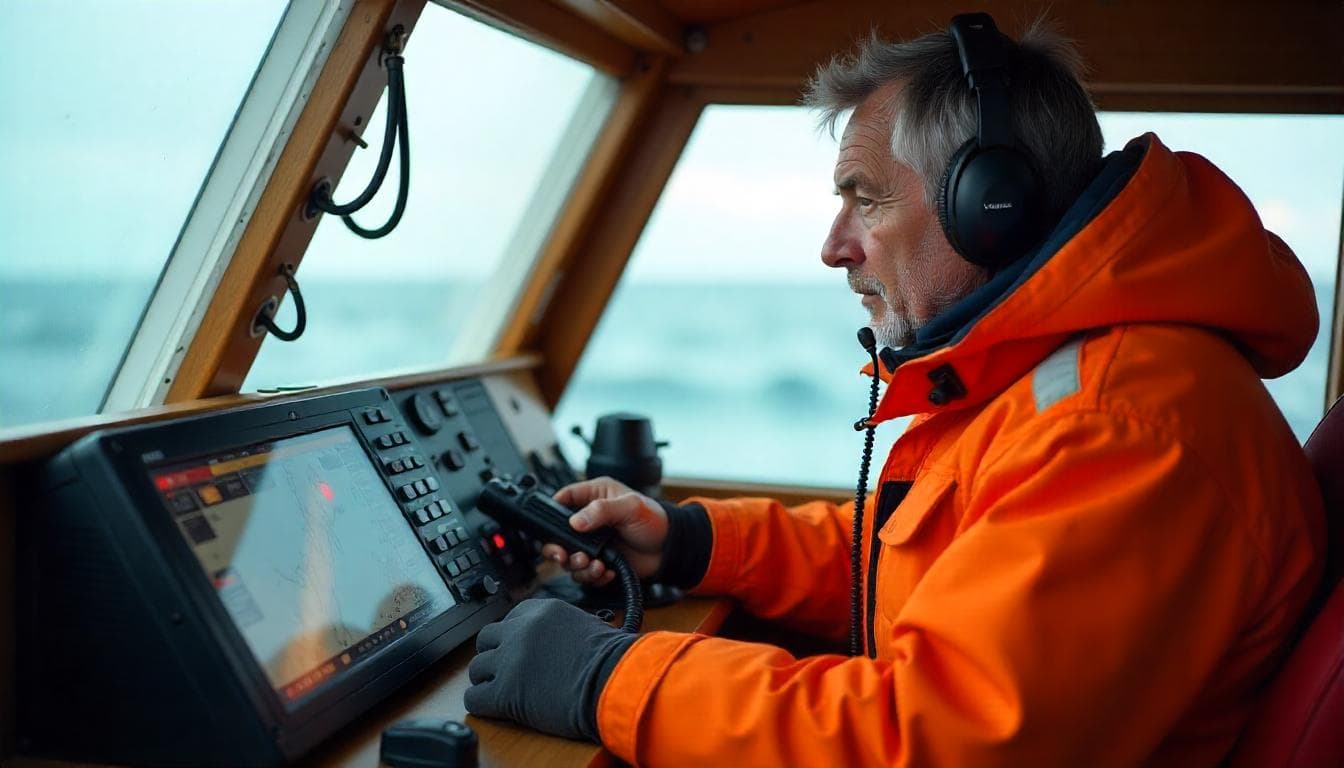
Die Weite und Unberechenbarkeit des Ozeans, obwohl einladend, bergen auch inhärente Risiken. Selbst der erfahrenste Seemann, der sich akribisch vorbereitet, kann unvorhergesehene Herausforderungen begegnen. Daher ist das Verständnis von maritimen Notfallmaßnahmen nicht nur ratsam; es ist eine kritische Fähigkeit, die den Unterschied zwischen einem beherrschbaren Vorfall und einer katastrophalen Katastrophe ausmachen kann. Von einer friedlichen Kreuzfahrt in der Nähe der Wasserwege von Aktobe bis zu einer anspruchsvollen Offshore-Passage müssen jeder Bootsbesitzer und jedes Crewmitglied bereit sein, im Notfall schnell und effektiv zu handeln. Diese Anleitung skizziert die wesentlichen Schritte, die Ausrüstung und die Denkweise, die erforderlich sind, um verschiedene Krisen auf See zu bewältigen.
Die Grundlage der Bereitschaft: Vorbereitung vor der Abfahrt
Effektive Notfallverfahren auf See beginnen immer lange bevor Sie die Leinen loswerfen. Proaktive Maßnahmen und eine gut informierte Crew sind Ihre erste und wichtigste Verteidigungslinie.
Umfassende Wartung des Schiffes
Ein gut gewartetes Schiff ist von Natur aus sicherer. Regelmäßige Inspektionen und die Einhaltung eines strengen Wartungsplans verhindern viele potenzielle Notfälle. Führen Sie vor jeder Fahrt gründliche Checks des Motors, der elektrischen Systeme, des Steuerungs- und Takelage durch. Achten Sie auf Anzeichen von Abnutzung, Korrosion oder Leckagen. Stellen Sie sicher, dass alle Seecocks reibungslos funktionieren. Ein zuverlässiges Schiff reduziert die Wahrscheinlichkeit von mechanischen Ausfällen oder Problemen mit der strukturellen Integrität auf See erheblich.
📚 Das könnte Sie auch interessieren
Wesentliche Sicherheitsausrüstung an Bord
Das Vorhandensein der richtigen Ausrüstung ist unverhandelbar. Noch wichtiger ist es, zu wissen, wo sie gelagert ist und wie man sie benutzt.
- Persönliche Schwimmhilfen (PSH): Stellen Sie sicher, dass Sie genügend PSH für alle an Bord haben, die leicht zugänglich und in gutem Zustand sind. Überlegen Sie, PSH zu tragen, insbesondere bei rauem Wetter oder wenn Sie allein segeln.
- Feuerlöscher: Montieren Sie marinegeeignete Feuerlöscher an Schlüsselstellen (Kombüse, Maschinenraum, Steuerstand). Lernen Sie, sie effektiv zu verwenden, und überprüfen Sie regelmäßig ihre Verfallsdaten.
- Erste-Hilfe-Kasten: Rüsten Sie einen umfassenden, gut ausgestatteten maritimen Erste-Hilfe-Kasten aus. Mindestens eine Person an Bord sollte eine grundlegende Erste-Hilfe-Ausbildung haben.
- Kommunikationsgeräte: Ein zuverlässiges VHF-Funkgerät ist für die Kurzstreckenkommunikation mit anderen Schiffen und Rettungsbehörden (Kanal 16 für Notfälle) von entscheidender Bedeutung. Für Offshore-Fahrten ist ein Satellitentelefon oder ein Iridium GO! unerlässlich.
- Notfallsignale: Führen Sie visuelle Notfallsignale wie Leuchtraketen (rot für die Nacht, orangefarbener Rauch für den Tag) mit sich, einen Notpeilsender (EPIRB) oder einen persönlichen Peilsender (PLB). Diese senden Ihren genauen Standort an die Rettungsdienste. Eine Geräusch erzeugende Vorrichtung (Horn, Pfeife, Glocke) ist ebenfalls erforderlich.
- Notfallreparaturset: Enthalten Sie Gegenstände wie Leckstopfpfropfen, starkes Klebeband, Dichtungsmittel, Ersatzteile (Schläuche, Riemen, Filter) und ein umfassendes Werkzeugset.
- Notfallsteuerung: Verstehen und üben Sie die Verwendung des Notfallsteuerungssystems Ihres Schiffes, falls die primäre Steuerung ausfällt.
- Bilgepumpen: Stellen Sie sicher, dass sowohl automatische als auch manuelle Bilgepumpen vollständig funktionsfähig und regelmäßig getestet werden.
Die ordnungsgemäße Verstaumöglichkeit dieser Ausrüstung ist entscheidend; sie muss im Notfall leicht zugänglich sein.
Crew-Training und Übungen
Jede Person an Bord, insbesondere der Skipper, sollte wissen, wie man in einer Krise reagiert. Dieses Wissen erhöht die allgemeine Sicherheit des Schiffes.
- Notfallbesprechung: Bevor Sie abfahren, informieren Sie alle Crewmitglieder über den Standort und die Verwendung der Sicherheitsausrüstung. Erklären Sie wesentliche Verfahren wie Mann über Bord, Feuer und Verlassen des Schiffes.
- Mann-über-Bord-Übungen (MOB): Üben Sie regelmäßig die MOB-Rettungsverfahren. Diese Übung sollte das Werfen einer Puppe über Bord und das Üben des Rettungsmanövers mit verschiedenen Methoden umfassen.
- Feuerübungen: Simulieren Sie ein Feuer, identifizieren Sie dessen Standort und üben Sie die Schritte, um es einzudämmen und zu löschen. Identifizieren Sie Fluchtwege.
- Schiffsverlassungsübungen: Kennen Sie den Standort Ihres Rettungsfloßes und Ihrer Notfalltasche und üben Sie die Abfolge zum Verlassen des Schiffes, selbst wenn nur gedanklich.
Regelmäßige Übungen reduzieren die Panik und stellen sicher, dass die Handlungen instinktiv und effizient sind, wenn echte Gefahr droht. Diese Praxis ist ein integraler Bestandteil einer erfolgreichen Boots-Krisenmanagement.
Schwimmplan und Küstenkontakt
Informieren Sie immer eine vertrauenswürdige Person an Land über Ihren Schwimmplan. Dazu gehören die Details Ihres Schiffes, die geplante Route, die erwarteten Abfahrts- und Ankunftszeiten sowie die Namen aller Personen an Bord. Legen Sie einen Eincheck-Zeitplan fest. Wenn Sie nicht einchecken, sollte Ihr Küstenkontakt wissen, dass er die Behörden alarmieren muss. Dieser proaktive Schritt bietet ein wichtiges Sicherheitsnetz.
Erste Reaktion: Ruhe bewahren und die Situation einschätzen
Wenn ein Notfall eintritt, sind die unmittelbaren Momente entscheidend. Ihre Fähigkeit, ruhig zu bleiben und die Situation genau einzuschätzen, wird die Wirksamkeit Ihrer Reaktion bestimmen.
Bleiben Sie ruhig und übernehmen Sie die Kontrolle
Der erste und wichtigste Schritt bei jeder Handhabung von Schiffsunfällen besteht darin, ruhig zu bleiben. Panik trübt das Urteilsvermögen und behindert effektive Maßnahmen. Atmen Sie tief durch. Konzentrieren Sie sich auf die unmittelbare Situation. Als Skipper wird Ihre ruhige Haltung die gesamte Crew beeinflussen. Geben Sie klare, prägnante Anweisungen. Vermeiden Sie lautes Rufen oder Anzeichen von Angst, da dies die Panik bei anderen verschlimmern kann.
Bewerten Sie die Bedrohung und den Schaden
Bewerten Sie schnell die Art und das Ausmaß des Notfalls.
- Was passiert? (z. B. Feuer, Überschwemmung, Maschinenausfall, Person über Bord, Kollision).
- Wie schwerwiegend ist es? (z. B. kleines Leck vs. schnelle Überschwemmung, kleine Flamme vs. außer Kontrolle geratenes Feuer).
- Gibt es unmittelbare Gefahren? (z. B. Explosionsgefahr, unkontrolliertes Driften in Richtung Gefahren, unmittelbare Bedrohung für das Leben).
- Wer ist betroffen? (z. B. Ist jemand verletzt? Ist eine Person über Bord gegangen?).
Diese schnelle Einschätzung leitet Ihre unmittelbaren Handlungen und informiert Ihre Entscheidung, externe Hilfe zu rufen. Oft zeigt eine schnelle Bewertung, dass ein scheinbar großes Problem mit den Bordmitteln eingedämmt werden kann.
Identifizieren Sie unmittelbare Prioritäten
Priorisieren Sie Maßnahmen basierend auf der unmittelbaren Bedrohung für Leben und Schiff.
- Sicherheit des Lebens: Priorisieren Sie immer menschliches Leben. Wenn jemand verletzt ist oder über Bord gegangen ist, wird dies zum primären Fokus.
- Eindämmung der Gefahr: Behandeln Sie die Ursache des Problems (z. B. löschen Sie das Feuer, stoppen Sie die Überschwemmung, sichern Sie die Person über Bord).
- Verhinderung der Verschlimmerung: Unternehmen Sie Schritte, um zu verhindern, dass sich der Notfall verschlimmert (z. B. schließen Sie Kraftstoffleitungen bei einem Feuer, schließen Sie Seecocks, wenn ein Schlauch platzt).
Diese ersten Schritte sind entscheidend für effektive Schiffsicherheitsprotokolle.
Häufige Notfälle und spezifische Reaktionen
Obwohl jede Situation einzigartig ist, gibt es etablierte Verfahren für häufige maritime Notfälle. Das Wissen um diese Protokolle verbessert Ihre Ozeanrettungsmaßnahmen.
Mann über Bord (MOB)
Dies ist einer der kritischsten Notfälle, der sofortiges und entschlossenes Handeln erfordert.
- Rufen Sie "Mann über Bord!": Alarmieren Sie sofort alle an Bord.
- Zeigen und verfolgen: Bezeichnen Sie eine Person, die kontinuierlich auf den MOB zeigt, um das Sichtfeld nicht zu verlieren.
- Schwimmhilfe werfen: Werfen Sie einen Schwimmring, einen Rettungsring oder einen anderen schwimmfähigen Gegenstand mit einem Licht (falls verfügbar) in Richtung des MOB.
- Position markieren: Aktivieren Sie Ihre MOB-Taste am GPS/Chartplotter, um die genaue Position zu markieren.
- Manöver zur Bergung: Führen Sie Ihr geübtes MOB-Bergungsmanöver aus. Dies könnte eine Williamson-Wende, eine Acht oder ein einfacher "Schnellstopp" je nach Bedingungen und Schiffstyp sein. Zielen Sie darauf ab, den MOB von der Leeseite aus anzunähern, um eine lee für eine einfachere Bergung zu schaffen.
- Kommunikation: Senden Sie eine "Pan-Pan" oder "Mayday" (wenn die Bedingungen ernst oder eine unmittelbare Gefahr besteht) auf VHF Kanal 16, mit der Angabe "Mann über Bord", Ihrem Schiffsnamen, Position und Beschreibung der Person.
- Bergung: Verwenden Sie eine geeignete Bergungsmethode (z. B. Hebeschlinge, Leiter, Davit), um die Person wieder an Bord zu bringen. Bieten Sie sofortige Erste Hilfe bei Unterkühlung oder Verletzungen.
Das regelmäßige Üben von MOB-Übungen ist der einzige Weg, um unter Stress Kompetenz zu gewährleisten.
Feuer an Bord
Feuer auf einem Boot sind extrem gefährlich aufgrund von eingeschränkten Räumen und entzündbaren Materialien.
- Alarm auslösen: Alarmieren Sie alle an Bord.
- Ort und Art: Identifizieren Sie den Ort und die Art des Feuers (elektrisch, Kraftstoff, Kombüse).
- Kraftstoff/Strom abschalten: Wenn es sich um ein Feuer im Maschinenraum handelt, schalten Sie den Motor, die Kraftstoffzufuhr und die Hauptstromkreise zum betroffenen Bereich ab, wenn dies sicher ist.
- Feuer bekämpfen: Verwenden Sie den richtigen Typ von Feuerlöscher (z. B. ABC für allgemeine Zwecke, CO2 für elektrische Geräte). Zielen Sie auf die Basis der Flammen. Verwenden Sie kein Wasser bei elektrischen oder Kraftstofffeuern.
- Eindämmung: Schließen Sie Türen, Luken und Lüftungen, um das Feuer von Sauerstoff abzuschneiden.
- Evakuierungsvorbereitung: Wenn das Feuer nicht kontrolliert werden kann, bereiten Sie sich auf das Verlassen des Schiffes vor. Tragen Sie PSH, sammeln Sie die Notfalltasche.
- Kommunikation: Senden Sie eine "Mayday" auf VHF Kanal 16, mit der Angabe "Feuer an Bord", Ihrem Schiffsnamen, Position und Art des Feuers.
Prävention durch gute Wartung, insbesondere der elektrischen und Kraftstoffsysteme, ist der Schlüssel zur Vermeidung von Bränden.
Überschwemmung/Wassereintritt
Wasser, das in das Schiff eindringt, kann schnell kritisch werden.
- Leck lokalisieren: Identifizieren Sie sofort die Quelle des Wassereintritts (z. B. defekter Schlauch, beschädigter Rumpf, undichter Seecock).
- Eindringen stoppen: Versuchen Sie, das Leck mit Notfallstopfen, Pflastern oder sogar Lumpen zu stopfen oder zu verlangsamen. Seien Sie einfallsreich.
- Pumpen aktivieren: Schalten Sie alle verfügbaren Bilgepumpen (automatisch und manuell) ein. Überwachen Sie kontinuierlich den Wasserstand.
- Eindämmung: Isolieren Sie das überflutete Abteil, indem Sie wasserdichte Türen schließen.
- Schaden beurteilen: Bestimmen Sie, ob das Leck strukturell oder ein Rohrleitungsversagen ist.
- Kommunikation: Wenn die Überschwemmung schwerwiegend ist und nicht eingedämmt werden kann, senden Sie eine "Mayday" auf VHF Kanal 16, mit der Angabe "Überschwemmung", Ihrem Schiffsnamen, Position und Eintrittsrate. Bereiten Sie sich darauf vor, das Schiff zu verlassen.
- Strom abschalten (falls strukturell): Wenn die Überschwemmung die elektrischen Systeme bedroht, überlegen Sie, den Strom abzuschalten, um Kurzschlüsse zu verhindern, halten Sie jedoch die wesentliche Kommunikationsleistung aufrecht.
Regelmäßige Inspektion von Rumpfarmaturen und Schläuchen hilft, Überschwemmungsvorfälle zu verhindern.
Maschinenausfall
Obwohl nicht immer sofort lebensbedrohlich, kann ein Maschinenausfall schnell gefährlich werden, wenn Sie sich in einer Schifffahrtsroute, in der Nähe von Gefahren oder bei ungünstigen Wetterbedingungen befinden.
- Ruhe bewahren: Bewerten Sie zunächst die Situation. Handelt es sich um einen vollständigen Ausfall oder nur um einen Leistungsverlust?
- Ursache identifizieren: Überprüfen Sie den Kraftstoffstand, die Kraftstofffilter (verstopfte Filter sind häufige Ursachen), die Batteriespannung und den Kühlwasseraustritt. Versuchen Sie grundlegende Fehlerbehebung.
- Segel setzen (falls Segelschiff): Wenn Sie auf einem Segelboot sind, hissen Sie sofort die Segel, um die Steuerfähigkeit und den Vortrieb aufrechtzuerhalten.
- Drift bewerten: Bestimmen Sie Ihre Driftrichtung und -rate, insbesondere wenn Sie sich in der Nähe von Land oder Verkehr befinden.
- Kommunikation: Wenn Sie nicht in unmittelbarer Gefahr sind, aber Hilfe benötigen, senden Sie eine "Pan-Pan" auf VHF Kanal 16, mit der Angabe "Maschinenausfall", Ihrem Schiffsnamen, Position und Ihren Absichten (z. B. Warten auf Schleppdienst, Segeln zum nächsten Hafen).
- Ankern, wenn sicher: Wenn Sie sich in flachem, geschütztem Gewässer befinden, überlegen Sie, zu ankern, um das Driften zu verhindern.
- Visuelle Signale: Hissten Sie ein "nicht unter Kontrolle"-Signal (zwei schwarze Bälle) tagsüber oder zwei rundum rote Lichter nachts, wenn angebracht, um andere Schiffe zu alarmieren.
Das Mitführen von Ersatzteilen und das Wissen über grundlegende Motorenfehlerbehebung können viele Probleme schnell lösen. Dies steht in direktem Zusammenhang mit einer effektiven maritimen Notfallreaktion.
Kommunikation und Hilferuf
Das Wissen, wann und wie man um Hilfe bittet, ist grundlegend. Die Hierarchie der Notrufe ist entscheidend.
Notfallsignale erklärt
- "Mayday, Mayday, Mayday": Dies ist der ultimative Notruf, der nur verwendet wird, wenn Ihr Schiff oder die Personen an Bord in großer und unmittelbarer Gefahr sind und sofortige Hilfe benötigen. Senden Sie dies auf VHF Kanal 16. Sprechen Sie deutlich: "Mayday, Mayday, Mayday, hier ist . Meine Position ist . Ich habe . . Ich bin ."
- "Pan-Pan, Pan-Pan, Pan-Pan": Dies ist ein Dringlichkeitssignal, das verwendet wird, wenn Ihr Schiff oder eine Person an Bord in einem sehr ernsten Zustand ist, aber nicht in unmittelbarer Lebensgefahr (z. B. Maschinenausfall in sicheren Gewässern, ernstes, aber nicht lebensbedrohliches medizinisches Notfall). Senden Sie dies auf VHF Kanal 16. Das Verfahren ist ähnlich wie bei einer Mayday, ersetzt jedoch "Pan-Pan".
- "Sécurité, Sécurité, Sécurité": Dies ist ein Sicherheitssignal, das für wichtige Schifffahrtswarnungen verwendet wird (z. B. 'treibende Trümmer', 'Schifffahrtshindernis').
Priorisieren Sie immer Kanal 16 für anfängliche Not- und Dringlichkeitsrufe, und wechseln Sie dann zu einem Arbeitskanal, wenn dies von den Rettungsdiensten angewiesen wird.
Nutzung anderer Kommunikationsgeräte
- EPIRB/PLB: Aktivieren Sie diese nur in echten Notfällen. Sie senden Ihren Standort über Satellit an Such- und Rettungskoordinierungszentren weltweit.
- Satellitentelefon: Für Nicht-Notfallkommunikation sind direkte Anrufe an Rettungszentren (falls bekannt) oder Ihr Küstenkontakt möglich.
- Leuchtraketen: Verwenden Sie Leuchtraketen nur, wenn Sie glauben, dass sie von potenziellen Rettern gesehen werden. Rote Fallschirmleuchtraketen für die Fernsicht, rote Handleuchtraketen für die Nahsicht. Orange Rauchzeichen sind für den Tag.
- Visuelle Signale: Langsames und wiederholtes Heben und Senken der ausgestreckten Arme ist ein international anerkanntes Notfallsignal.
Überprüfen Sie regelmäßig die Batterien aller Kommunikationsgeräte und stellen Sie sicher, dass die Leuchtraketen innerhalb ihres Verfallsdatums liegen.
Maßnahmen und Berichterstattung nach dem Vorfall
Sobald die unmittelbare Gefahr vorbei ist, gibt es weitere Schritte zu beachten.
Schadensbegrenzung und -bewertung
Auch nach der Eindämmung des Notfalls sollten Sie die Situation weiterhin überwachen. Bewerten Sie jeden Schaden erneut und führen Sie gegebenenfalls vorübergehende Reparaturen durch. Stellen Sie sicher, dass alle Systeme sicher zu bedienen sind.
Führen eines Logbuchs
Führen Sie ein detailliertes Protokoll des Vorfalls: Zeitpunkt, Datum, Art des Notfalls, getroffene Maßnahmen, durchgeführte Kommunikation und etwaige Verletzungen oder Schäden. Diese Informationen sind unschätzbar für zukünftige Analysen, Versicherungsansprüche und die Verbesserung Ihrer Schiffsicherheitsprotokolle.
Berichtspflichten
In vielen Gerichtsbarkeiten müssen bestimmte maritime Vorfälle, insbesondere solche mit schweren Verletzungen, Todesfällen oder erheblichen Sachschäden, innerhalb eines bestimmten Zeitrahmens den maritimen Behörden (z. B. Küstenwache, lokale Bootsbehörden) gemeldet werden. Verstehen Sie diese Anforderungen, bevor Sie in See stechen.
Die Denkweise eines sicheren Seemanns
Letztlich hängt die Bewältigung von Notfällen auf See ebenso von der Denkweise ab wie von praktischen Fähigkeiten.
Fortlaufendes Lernen
Die maritime Umgebung ist dynamisch, und neue Technologien und Techniken entstehen ständig. Bleiben Sie mit den besten Praktiken auf dem Laufenden, besuchen Sie Sicherheitsseminare und aktualisieren Sie Ihr Wissen regelmäßig. Ein echter Seemann hört nie auf zu lernen.
Antizipation und Risikobewertung
Entwickeln Sie die Gewohnheit, Risiken ständig zu bewerten. Schauen Sie voraus, überlegen Sie "Was-wäre-wenn"-Szenarien und haben Sie Notfallpläne parat. Denken Sie über potenzielle Gefahren entlang Ihrer Route nach und wie Sie darauf reagieren würden. Dieser proaktive Ansatz ist ein Merkmal guter Seemannschaft.
Vertrauen Sie Ihrer Ausbildung
In Momenten hoher Belastung verlassen Sie sich auf Ihre Ausbildung und geübten Verfahren. Das "Kampf-oder-Flucht"-Antwort Ihres Gehirns kann durch gut einstudierte Handlungen überwunden werden. Deshalb sind Übungen so wichtig.
Unterschätzen Sie niemals das Meer
Der Ozean ist mächtig und unerbittlich. Behandeln Sie ihn immer mit Respekt. Gehen Sie keine unnötigen Risiken ein und handeln Sie immer mit Vorsicht.
Zusammenfassend lässt sich sagen, dass die Anziehungskraft des Meeres zwar unbestritten ist, das Potenzial für Notfälle jedoch immer vorhanden ist. Durch umfassende Vorbereitung, Verständnis und Praxis von maritimen Notfallmaßnahmen, Ausrüstung Ihres Schiffes entsprechend und Kultivierung einer ruhigen und entschlossenen Denkweise können Sie Ihre Fähigkeit, jede Krise zu bewältigen, erheblich verbessern. Diese Hingabe an die Sicherheit gewährleistet nicht nur Ihr Wohlbefinden, sondern auch die Erhaltung Ihres Schiffes und die Freude an allen zukünftigen maritimen Abenteuern.