


 Deutsch
  English (UK)
  Русский
  العربية
  日本語
日本語  한국어
한국어  Magyar
  Türkçe
  Español
  Čeština
  Svenska
  Português
  Ελληνικά
  Suomi
Suomi  Nederlands
  Română
  Italiano
  Français
  Polski
  Українська
  简体中文
简体中文  Slovenčina
 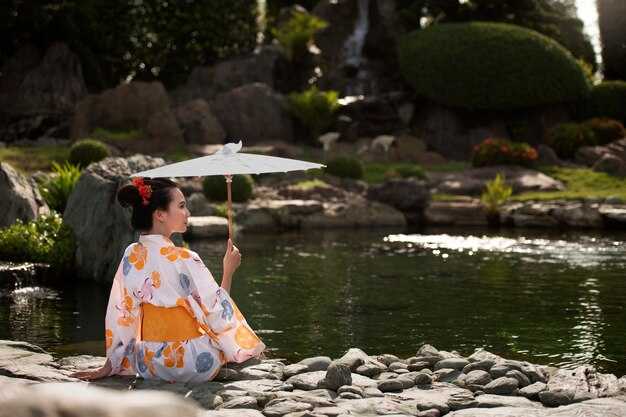 Top 12 Must-See Spots at Lake Kawaguchi for Day Trips">

Start with a one-day loop around kawaguchi lake: arrive by 10am and take a line map to guide a convenient, line-by-line route that hits the twelve spots.
Each stop is designed for a short hop, with easy access across the lake via bus or short taxi rides, ideal for touring at a comfortable pace. If you’re travelling as couples or a small group, you’ll find several favourite photo spots that spark interest and don’t require hours of hiking. finding the right balance becomes easy with this route.
Mt. Fuji is the tallest peak in Japan, and its silhouette frames several vantage points around kawaguchi. A rising light on the north shore highlights the best reflections, and a short stop for them is often enough for a crisp, share-worthy post.
For added value, this guide was created to keep you on track with a simple, repeatable route and a new stop list. At the midpoint, enjoy an italian coffee or pastry and check the map for the next leg. The path runs across the lake, linking ropeway access, lakeside paths, and a calm tea house.
This concise guide keeps you within a compact itinerary, with an additional option if you want to extend the day: a short excursion to a nearby onsen or to a secondary viewpoint. If you love sunset hues, the last light over the lake is a favourite moment to capture and then head home ready to plan your next kawaguchi visit.
One-day itinerary with practical timing, access, and route suggestions
Arrive Kawaguchiko Station by 8:00 and walk along the lakefront toward the main promenade. The north-shore path, during this stretch, takes about 30 minutes to reach the first cafes and offers the first views of Mount Fuji reflected on the water. Have a simple plan so you don’t miss the iconic spots, and actually keep your pace steady for the rest of the day.
By 9:00 reach Oishi Park, where wide lawns meet forested hills and a small herbs garden adds scent and color to photo moments. Families pause here for a quick break, and the outdoor paths invite a relaxed stroll along the lake.
From there, 10:15–11:15, visit the Itchiku Kubota Museum or a nearby ryokan to experience traditional spaces created to feel like a cozy house, with textiles that tell a story through color.
Lunch around 12:00 at lakeside cafes serving houtou, with options including meat for non-vegetarians.
13:00–14:00, rent a boat or join a short lake cruise to view Mount Fuji from the water. The watercraft departs near the main quay and returns you to Kawaguchiko after about one hour.
Late afternoon, explore neighboring towns in minamitsuru-gun and stop by a shop offering kimonos for a brief try-on. This creates memorable photos along the shore, as artisans create them.
Conclude by 17:00 with a final coffee or dessert at a cafe near the lake, or head back to a ryokan if you’re staying in the area. If you’re traveling with families, this route keeps the pace relaxed and leaves time for a quick stroll around the lake before heading home.
Best sunrise and sunset viewpoints for Mount Fuji reflections
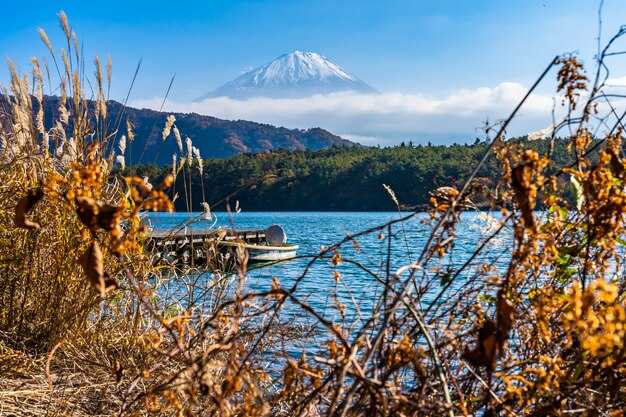
Chureito Pagoda at sunrise is the easiest, iconic Fuji reflection you can capture on a Kawaguchiko day trip, with the pagoda framing Mount Fuji on the water’s surface as the first light hits. Arrive 20–30 minutes before sunrise to secure your position on the viewing steps and to catch the pond’s glassy surface before any breeze arrives. This perspective is particularly photogenic in spring and autumn when mist hovers above the lake.
Oshino Hakkai, such as the ponds near oshino, offers the closest natural refuges with Fuji’s reflection, fish visible beneath the surface, and a tranquil backdrop. For sunrise or sunset, choose the ponds facing northwest to catch Fuji above the trees, providing convenience with a short drive from Kawaguchiko. The nearest stops are along Route 413, and the quiet morning breeze keeps the water still; herbs from local stalls add a pleasant scent to the scene. Such a stop is a neat contrast to city crowds, and it’s available year-round.
From Kawaguchiko’s Tenjo area, the Kachi Kachi Ropeway ferries you above the lake to a cool vantage where Fuji sits beyond the water and the valley below. This route offers an overhead perspective ideal for sunset reflections when the lake darkens and the mountain lights glow. The nearest parking is by the ropeway station, and the road access is straightforward for most cars; the convenience makes it easy to switch from morning to evening shoots without losing momentum. Featuring the same panorama of sky and water, the scene shifts with clouds, so be ready to click and maybe catch something special in the light.
Oishi Park on Kawaguchiko’s north shore provides broad scenery with flowers and Fuji reflected in the lake at sunset. Bring a long lens to compress the composition and a wide lens for the full panorama. The nearest rest areas offer snacks, and a digital map helps plan the walk along the lake and catch the best light. This district is popular for golden hour shots, and you’ll see locals and visitors framing their own reflections along the waterfront.
For a compact day trip, combine Oshino and Kawaguchiko with a sunrise at Chureito Pagoda, then finish with a sunset at Hakone’s Lake Ashi if the weather cooperates. The bus routes from Kawaguchiko Station connect to Fujiyoshida and Oshino in under an hour, while driving in a Subaru gives you flexibility to chase light across above the lake. Planning with a neat digital calendar helps you align times, wind conditions, and traffic so you don’t miss the moment when Fuji’s reflection shines on the water.
Accessible lakeside walks and kid-friendly stops
begin with a 2 km lakeside loop along Kawaguchi-ko’s north shore, starting at Kawaguchiko Station. The paved, stroller-friendly path stays close to public restrooms and cafés, making it already a week-day favorite for family strolls, about 40 minutes at a gentle pace.
Add a stop at the Kachi Kachi Ropeway station for a short, panoramic ride up to Tenjozan. From the highland platform, you get panoramic views across the lake and, on clear days, Fuji’s north face. The ropeway is famous with families, and the most iconic sight draws visitors from around the region.
On the southern stretch, you’ll find quieter, serene spaces in public parks and along the lakeside boardwalk. Kids enjoy watching ducks and boats, with benches for quick stop locations and safe crossings at crosswalks.
note: some sections near lava-rock terrain may have uneven ground; wear sturdy shoes and stay on marked trails. The area around Kawaguchi Lake carries lava history that shapes the shore, so tread carefully where paths narrow.
A night stroll adds a gentle charm: lamps light the water and the trail remains easy to follow. Bring a light jacket for the breeze, and plan a short stop at a close snack stall to round out the outing. japanese families, including visitors from osaka, often wrap the day with a peaceful lakeside stroll before heading home.
Cultural stops within a short stroll from the shore
Begin at Kawaguchiko Shrine, just steps from the shore. The approach along the lakes trail brings you back to a calm torii gate and stone lanterns you pass on the way. You’ll notice donation boxes and the presence of regular visitors. The round walk to the shrine and back takes about 8 minutes, and the panoramic view from the waterward side makes the stop very rewarding.
Nearby, a tiny stall run by simon offers appare and handmade goods, a small pulse of local craft. The detour along the trails adds a bit of local flavor, and you can chat with simon about the town’s history while you try a sample.
A lakeside cafe sits with a panoramic window and a friendly menu that features regional broth and light bites. The seats feel very comfortable after a busy morning. If you booked ryokans nearby, you can leave your bags in the rooms before strolling along the shore for a final look at the sunset.
Nearby are ryokans with onsens that welcome day guests after the stroll. Short trails meander along the shore to a compact heritage house where locals display small exhibitions in quaint boxes. The presence of these voices, photos, and crafts makes the stop fascinating for families. The route is flat and easy, and you can enjoy bike rides along the path to reach other cultural corners of the lake.
Boat rides, ropeway access, and timing tips for maximum views
Take the 9:15 Kawaguchiko Boat Cruise from the north pier to catch Mt Fuji reflected in still water; the huge payoff for photographers comes on clear mornings as boats glide over a glassy surface. Rides run roughly every 20–30 minutes through late morning, and each trip lasts about 20–25 minutes; prices typically range from 1,000 to 2,000 yen, with cheaper combo options when paired with the ropeway on official sites. This plan is capital for a short escape from Tokyo, and it works fully even on crowded days.
Then hop on the Kachi Kachi Ropeway. It is located on the lakeside in the Fuji Five Lakes region and leads to a dome-shaped lookout with a sweeping view. The ropeway runs from about 09:00 to 17:00; ascent and descent each take a few minutes, so plan about 10–15 minutes at the top. From the top, you see Mt Fuji rising behind the lake and the surrounding hills, with the background often clear on dry days. This viewpoint is particularly popular in autumn when leaves turn color and in winter when the air is crisp.
To maximize views, coordinate the two activities: start with the boat in the early hours for reflections, then ride the ropeway mid-morning or late afternoon for broad panoramas. For sunset light, book the 16:00–16:30 slot up top on calm days; if you prefer softer light on water, shoot from the east shore at sunrise. Always check the official weather forecast on sites before you go; youll avoid clouds and wind that obscure Fuji’s silhouette.
Practical notes: bring a light jacket, sunscreen, and water; the breeze at elevation can feel sharper; the ropeway ticket often includes a shorter line if you buy online on the official site. In autumn, leaves can color dramatically; plan a second run for better results. The Kawaguchiko area is a region known for textile stalls and small shops; you can browse textile crafts near the ropeway base and along the promenade. Visitors from many countries come here, so youll likely hear multiple languages; sneha notes this is a great place to pair lakeside views with a quick stroll for snacks. The waves on the lake create onda patterns that add motion to moving shots; keep cameras secure and set to a wider lens to capture both the water and Fuji.
Seasonal photography spots and when to shoot for colors and light
Chureito Pagoda at first light in winter delivers a clean blue line of dawn across the lake with Mt Fuji crisp above the snow. Arrive 60 minutes before sunrise to set up, depart your hotel early, and frame the scene before crowds arrive.
In this article, plan with seasonal color and light in mind to maximize every shot around Lake Kawaguchi.
Please plan a pick-up from your hotel to keep to the tight windows and avoid a shortage of daylight in winter. Youd still have room to move, but you should arrive early to secure your preferred angle.
Frühlingshighlights
- Chureito Pagode: am besten am frühen Morgen zwischen Ende März und Anfang April; fotografieren Sie 40–60 Minuten vor Sonnenaufgang, um die Blaue Stunde und die Fuji-Rahmenblüten einzufangen. Verwenden Sie ein Weitwinkelobjektiv, um die Linie der Treppe vor dem Himmel hervorzuheben.
- Oishi Park Gärten: 7:00–9:00 Uhr morgens bietet weiches Licht entlang des Seeufers; zwischen Wasser, Blüten und Gartenbeeten finden Sie schöne Kompositionsmöglichkeiten. Einige Orte bieten kostenlose Besichtigungsmöglichkeiten, andere erheben eine geringe Gebühr.
- Itchiku Kubota Art Museum Gärten: Morgenlicht auf texturinspirierten Texturen; Abfahrt vom Kawaguchiko Bahnhof und folge dem Hügelpfad zu den offenen Ausblicken. Die umliegenden Berge und die Linien des Gebäudes schaffen einen ausgewogenen Rahmen.
Sommer Highlights
- Lavendelfelder im Oishi Park: Blütezeit von Ende Juli bis Anfang August; fotografieren Sie während der goldenen Stunde bis zur blauen Stunde, während lila Reihen vor dem blauen Wasser leuchten. Bringen Sie einen Polarisationsfilter mit, um die Farbe zu vertiefen und Blendungen zu reduzieren.
- Kawaguchiko Promenade und Seeufer: Lange, ruhige Abschnitte eignen sich gut am späten Nachmittag, wenn das Licht weicher wird; die offenen Flächen helfen Ihnen, zwischen den Bäumen und der Wasserlinie zu komponieren.
- Nachtfotografie über dem See: Von offenen Aussichtspunkten nahe der Uferlinie oder in nahegelegenen Städten aus kannst du Reflexionen der Lichter auf dem Wasser einfangen. Wenn du möchtest, kannst du einen Mehrabenteuer-Abend planen und nach Sonnenuntergang aufbrechen, um ruhigere Aufnahmen zu machen.
Herbstliche Highlights
- Momiji-dani (Ahorn-Tal) in der Nähe der Seilbahn: Mitte bis Ende November bietet feurige Blätter, die von der Sonne beleuchtet werden; filmen Sie morgens, um Schatten zu vermeiden und die leuchtenden Farben zu bewahren. Die umliegenden Hänge verleihen Tiefe, wenn sie mit dem See eingefasst sind.
- Kachi-Kachi Ropeway – Top-Lage: Von Ende November bis Anfang Dezember bietet sich ein dramatischer Farbton über dem See und der Stadt; Ankunft vor der Menschenmenge, während die Sonne hinter den Bergen versinkt.
- Ufer des Kawaguchi-Sees in der Nähe von Gebäuden und Gärten: Verwenden Sie zwischen den Blättern liegenden Licht, um Texturen und rote Töne hervorzuheben; das Sonnenlicht am frühen Nachmittag kann harte Schatten erzeugen, suchen Sie also eine ruhigere Ecke mit einem sanften Schein.
Winter Highlights
- Chureito Pagoda im Schnee: klare Nächte führen zu scharfen Silhouetten; versuchen Sie 7:00–9:00 Uhr morgens für das erste Licht, das mit weißen Feldern interagiert. Die Linie von Fuji bleibt der Fokus.
- Nachtaufnahmen von Fuji von offenen Seen aus: Nachtfotografie bietet eine andere Stimmung; Verwenden Sie ein Stativ für 15–30 Sekunden Belichtungszeiten und experimentieren Sie mit 2–10 Minuten Sequenzen für schwache Stern- oder Wolkenbahnen. Die Stadtlichter in der umliegenden Stadt Fujiyoshida schaffen einen sanften Hintergrund.
- Ruhige, reflektierende Momente am See: kühle Morgenstunden können tiefen Nebel zwischen den Bergen und dem Wasser erzeugen; ein längerer Spaziergang entlang des offenen Ufers ergibt ruhige, unberührte Bilder.
Zusätzliche Notizen
- Richten Sie Ihre Aufnahmen mit sorgfältiger Planung aus: erstes Licht, goldene Stunde, blaue Stunde, Nacht – jedes Zeitfenster verändert das Farbgleichgewicht und die Stimmung.
- Zwischen den Haltestellen, verlassen Sie frühzeitig, um Menschenmassen zu vermeiden und ruhige Blickwinkel in der Nähe von Gärten und offenen Küstenlinien zu maximieren.
- Paare und Abenteuersuchende können Porträts mit Landschaft kombinieren, indem sie Hintergründe in der Nähe von Gärten oder offenen Wasserflächen wählen, wodurch ein schöner Kontrast zwischen Aktivität und Ruhe entsteht.
- Textiltexturen aus dem Itchiku Kubota Museum Bereich verleihen winterlichen und frühlingshaften Rahmen eine taktile Ebene; fügen Sie das Gebäude und die umliegende Landschaft für mehr Tiefe hinzu.
- Auf dem Weg zu den besten Aussichtspunkten finden Sie offene Perspektiven, die den Fuji und den See mit den umliegenden Hügeln einfassen und so perfekte, ruhigere Momente bieten.
- Bitte überprüfen Sie die Bedingungen bezüglich der Blüte und des Schnees im Voraus; eine kurzfristige Wettervorhersage hilft Ihnen, den richtigen Tag und die richtige Abfahrtszeit für die besten Farben zu wählen.
- Möglicherweise möchtest du ein paar flexible Zeitfenster einplanen, um dich an das Wetter und das Licht anzupassen, wodurch der Fotografieplan widerstandsfähiger für einen idealen Tag voller Abenteuer und Erlebnisse rund um Kawaguchiko wird.