


 Deutsch
  English (UK)
  Русский
  العربية
  日本語
日本語  한국어
한국어  Magyar
  Türkçe
  Español
  Čeština
  Svenska
  Português
  Ελληνικά
  Suomi
Suomi  Nederlands
  Română
  Italiano
  Français
  Polski
  Українська
  简体中文
简体中文  Slovenčina
 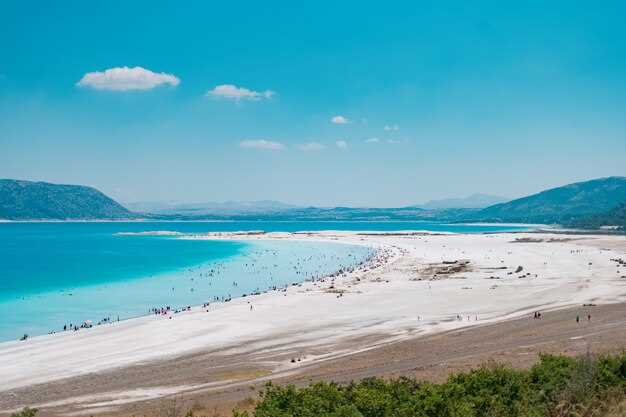 Top 10 White Sand Beaches in Europe – The Ultimate Guide to Europe’s Pristine Shores">

Begin your trip with Praia da Dona Ana in the Algarve, the most reliable starting point for powdery white sand, crystalline water, and quick, coastal access.
Here you will hear the name of beaches chosen for this list, each with dramatic coves, long bays, and sheltered lagoons. The list includes beaches across the Iberian Peninsula, the Balearics, and the Aegean, all chosen for their pristine white sand, crystalline water, and easy access. Expect wide stretches with a generous area for lounging, lively beach bars by the promenade, and pockets of tiny coves where you can escape the crowd. This covers everything you need to plan a perfect day.
For visitors arriving by yacht, several ports along the south coast are welcoming, with shore clubs offering sunbeds and fresh seafood. However, your day can combine a swim, a wind-protected nap, and a stroll along a lively promenade, chasing the glow of the sun as it dips toward the horizon. You witness a dynamic mood shift as beaches move from quiet mornings to festive evenings.
Alternatively, choose a hidden, tiny bay on a peninsula where the water remains calm and the sands unspoiled; these spots are perfect for a relaxed morning before the crowds arrive.
Most of all, this guide includes practical cautions: check sea condition charts, respect local rules about protected dunes, and consider how you plan to move between beaches; if you want a compact route, begin in the Algarve and weave through the south coast, then take a short ferry to a Balearic island, all within a sensible day plan. This is your guide to balance beauty, practicality, and the adventurous joy of Europe’s pristine shores.
Top 10 White Sand Beaches in Europe Overview and Pampelonne Spotlight
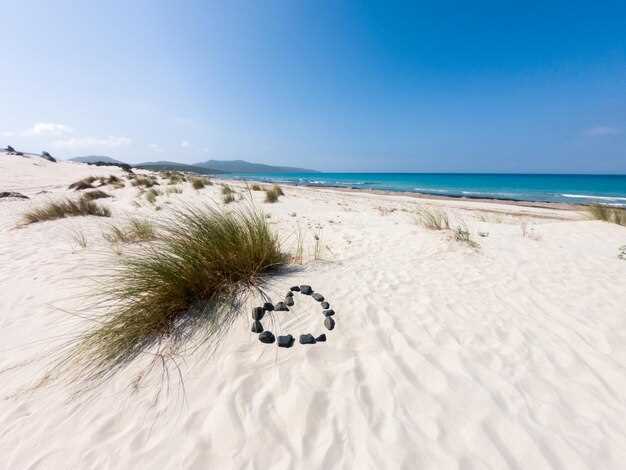
Visit Pampelonne in May or September for the best balance of warm water and lighter crowds, and start your itinerary with Pampelonne Spotlight as the anchor of this coast-to-coast guide.
Pampelonne Beach, Saint-Tropez, France – a 5 km ribbon of powdery white sand lined by pines and chic beach clubs, offering calm mornings and lively afternoons. The ambience shifts with the season, but the view remains iconic: turquoise water that roams the bay and a coastline that welcomes yachts just off the water’s edge. Located on the French Riviera, it’s a natural base for day trips into nearby Cannes or Nice, with easy access by train or car and a steady stream of events that shape the destination.
Barceloneta Beach, Barcelona, Spain – a sun-drenched urban coast where the sand stays clean through peak season and families find quick access from the city center. The stretch starts near the old harbor and runs toward the Olympic Marina, offering nearby parks and bike lanes for a full-day outing. If you’re visiting from barcelona, this is a city beach that blends local life with waterfront ambience, and its proximity to the Gothic Quarter makes it a convenient start for a day by the sea.
Bolonia Beach, Andalucia, Spain – wide golden sands backed by dunes and a Roman bath ruins backdrop, perfect for extended days with kids or a picnic by the sea. The waves are gentle enough for beginners, and the shore offers parking and beachside chiringuitos that provide quick bites after a walk along the edge of the sand. This is a true base for exploring nearby Doñana National Park, with a park-like feel that complements your southern Spain itinerary.
La Barrosa Beach, Cadiz region, Andalucia, Spain – a long, straight coastline that invites stretches of sand across the horizon, ideal for families and long walks at sunset. The water stays shallow enough for little ones and older visitors can enjoy a casual promenade with cafes and shops just behind the dunes. Its location makes it a natural destination for a southern Spain loop, with easy connections to Seville and charming inland towns along the way.
Elafonissi Beach, Crete, Greece – famous for its pale white sands and a shallow lagoon that fans out like a natural islet across the water. The sand is fine and the water remains kids-friendly for much of the season, making it a standout for families seeking a peaceful day trip from Chania or Rethymno. Heres the twist: the pinkish tint from crushed shell fragments adds a subtle glow, while the lagoon eyes the horizon, offering a distinct ambience that keeps guests returning year after year.
Simos Beach, Elafonisos, Peloponnese region, Greece – a white-sand coastline on a tiny island that feels almost private. The islet near the coast creates sheltered pools and a natural harbour where families can set up camp and still watch the ferry traffic. The season here is short but sweet, with great snorkeling and clear water that invites a slow day by the shore, and the tiny islet silhouette makes for memorable photos and a relaxed pace that roams the imagination.
Kaputaş Beach, Kaş region near Kalkan, Turkey – a dramatic cove with bright white sand tucked between towering cliffs and a turquoise throat of water. A steep staircase grants access, then you’re met with a long, narrow strip and a view that makes it worth the climb. This is a destination where beach and canyon meet, and the ambience shifts with the wind, offering a dramatic start to a Turkish coast road trip that can be paired with a longer Lycian route.
Ölüdeniz Beach, Fethiye, Turkey – the Blue Lagoon’s shimmering white shore draws visitors who chase picture-perfect water and a gentle swell. The beach is lined with small cafés and hotel terraces, and the lagoon’s calm water is ideal for paddling with children while the more adventurous choose a paragliding takeoff from the nearby hill. The season delivers lively evenings, and the view of the surrounding peaks crowns a quintessential yacht-friendly destination along Turkey’s Turquoise Coast.
Nissi Beach, Ayia Napa, Cyprus – a broad coast with white sand and shallow, inviting water that’s popular with families during peak season. It’s easy to park and stroll the promenade, and bars and water-sport shops keep the energy high during the day. Cyprus sits at a crossroads of countries and cultures, which adds to the sense of a sunny getaway that works well as a single destination or a larger island-hopping plan along the eastern Mediterranean.
Spiaggia dei Conigli (Rabbit Beach), Lampedusa, Italy – a pristine white-sand pocket at the edge of Europe, reached by a short ferry ride from the mainland. The water stays brilliantly blue, and the beach remains relatively uncrowded outside peak weeks, making this an ideal stop for travelers seeking a quieter Italy-to-Sea experience. The island setting gives a sense of stepping onto an almost private cove, where the lava-tinted cliffs in a nearby coastline add contrast and depth to the horizon.
Elafonisos islet and the Peloponnese coastline offer a powerful pairing of white sand and crystal water, a reminder that Europe’s southern shores blend geography with culture in a way that keeps roams and explorations fresh. This overview weaves a path from the glamour of Saint-Tropez to the rugged coastlines of Greece and Turkey, with a stop in the Iberian Peninsula that highlights Andalucia’s sunny temperament and Barcelona’s urban allure. Each beach presents a distinct scene, yet all share powder-soft sand, clear water, and a season-friendly climate that makes them prime destinations for sun seekers and coast lovers alike, a true testament to Europe’s pristine shores.
1- Navagio Beach, Zakynthos, Greece – how to reach and best viewpoints
Book a morning boat from Zakynthos Town to Navagio Beach to secure a quiet visit before crowds arrive.
Navagio Beach is reachable only by sea. The cove sits beneath towering white cliffs and turquoise water, with the shipwreck visible on the sands. Typical itineraries depart from Zakynthos Town, sometimes from Agios Nikolaos or Porto Vromi; most tours last 2–3 hours and include a stop at the Blue Caves. If the sea is calm, you can also combine the trip with a stop at nearby islets that add a dramatic, scenic edge to the day.
- Anreise
- From Zakynthos Town: join a morning day tour; expect 2–3 hours, price typically around 25–40 EUR per person; boats hop between islets on the way, adding a scenic detour.
- From Porto Vromi or Agios Nikolaos: book a smaller boat or private shuttle; travel time to the cove is roughly 20–40 minutes depending on sea conditions; this route can be calmer and more flexible, with hidden coves along the way.
- On land: use parking and a short shuttle or a 15–20 minute hike to the edge above Navagio; bring pocket cash for the shuttle and any parking fees.
- Best viewpoints
- Lower cliff overlook: a 15–20 minute walk on a rocky path brings you to a classic shot of the shipwreck framed by turquoise water and white cliffs; arrival at dawn or late afternoon reduces crowds; a shuttle from the parking area often runs to the overlook.
- Higher ridge viewpoint: a longer 25–30 minute hike yields a broad panorama of Navagio, islets offshore, and the cove’s curve; best light is golden hour; wear sturdy shoes and carry water.
- Tips for the best experience
- Plan for calm seas for a smoother ride; otherwise the boat may skip Navagio and head to the Blue Caves instead.
- Drink water, wear sunscreen, and bring a hat; keep your camera ready for incredibly turquoise scenes and dramatic cliffs.
- Miss the crowds by visiting at dawn or late afternoon; pocket cash helps for tips and small purchases; you can also combine this with a quick stop in Zakynthos town for a flag photo against the blue sky.
- Calabria’s coast offers a rough parallel for cliff scenery, but Navagio’s turquoise hues and the shipwreck create a unique European highlight.
- Not every European coastline includes a shipwreck cove like Navagio; Navagio stands out as one of Zakynthos’s seven beauties.
- Not to mention, if you’ve seen zlatni Rat in Croatia, Navagio delivers a different kind of beauty with its shipwreck and cliffs–probably the day you remember most.
- Be prepared to stay away from the busiest overlooks by choosing early or late times; then you’ll have room to breathe and better angles for photos.
- Bring a drink or plan to purchase water on the boat; a little refreshment goes a long way during sunny hours on the cliffside.
2- Ses Illetes Beach, Formentera, Spain – ferry tips and sun protection
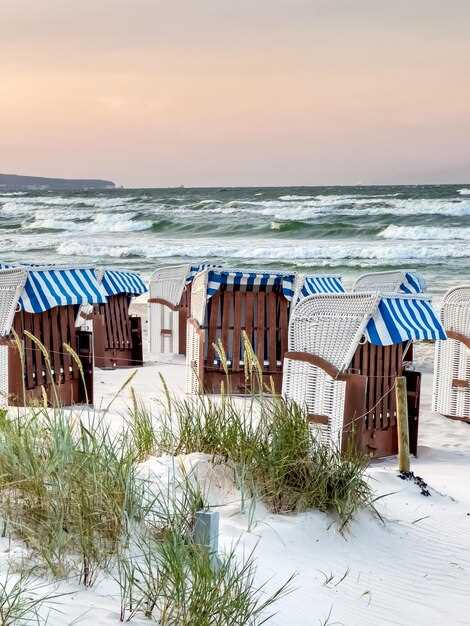
Book the first morning ferry from Ibiza to La Savina and head straight to Ses Illetes before 9:30 to enjoy calm water, easy parking, and a nice vibe. People from many countries visit, but the space remains generous and readable for a relaxed day.
- Ferry options: Balearia and Trasmapi operate Ibiza ⇄ Formentera; journey about 30–40 minutes. One-way fares typically €25–€35; return tickets can be cheaper per leg when bought together. Reserve online to guarantee seats in peak season.
- Timings: summer schedules run roughly 06:00–22:00, with departures every 30–60 minutes. For a day trip, buy a return ticket on the way back to avoid queues.
- From La Savina to the main beach: follow the coastal footpath and trail that overlook shimmering water. It takes 15–25 minutes on foot, 5–10 minutes by bike. A caló tucked behind dunes offers a sheltered spot if you want a quiet pause.
The main stretch is golden, with many pebbles and stones near the waterline. The sea color shifts from turquoise to cobalt, and the vibe feels magical. Mitjaneta lies behind the dunes, a quieter pocket favored by families; toward the far end, the capo lookout offers dramatic sunsets. Cleopatra-like rock formations catch the light, adding a timeless shimmer to photos.
Sun protection plan (heres a tip): bring SPF 50+ sunscreen and reapply every two hours, especially after swimming. Wear a wide-brim hat, UV sunglasses, and a light cover-up. Seek shade under the pine grove behind the dunes or book a sunbed near the service area if you prefer a fixed spot to rest. Sunbeds typically cost around €8–€15 per bed, varying by season and location; check online options with local operators. Stay hydrated with at least 1.5 L of water per person and pack a small bag with lip balm SPF and a quick-dry towel for便利 use.
Author tip: learn a couple of caló names for coves from locals to navigate the coast like a local. author tip: exploring mitjaneta and the caló behind the dunes enriches the whole experience and helps you understand the coastline better.
3- Cala Brandinchi, Sardinia, Italy – access paths and family-friendly zones
Arrive early to secure a parking spot and reach the sandy approach onto the boardwalk without rush.
From the car park, follow the shaded pine path for a short, flat stroll that brings you to Cala Brandinchi’s wide beach. For families, a tandem stroller works well in the woodlands and keeps the kids comfortable as you roll toward the shore; theyre a practical choice for groups who want steady rhythm without lifting heavy loads.
On the left, the calm lagoon creates a round, shallow zone where water barely covers ankles a few meters from shore, perfect for toddlers and new swimmers. In the morning, the water stays transparent; by midday it rises just enough to encourage a quick splash without waves. You might be surprised by how calm the water remains, and you can spot small fish darting near the shore–dreams of a perfect family swim come true here.
Die Zugänge durch die Pinien sind gut ausgeschildert, mit einer Holzplattform, die die Dünen schützt und einen luxuriösen, schattigen Zugang bietet. Die wichtigsten Einrichtungen befinden sich in der Nähe des Parkplatzes: Duschen, Toiletten und Imbissstände; saisonale Rettungsschwimmer gewährleisten die Sicherheit während der Hauptsaison. Das Nachtleben findet woanders statt; hier können Sie sich auf einen ruhigen Tag nur wenige Schritte vom Meer entfernt konzentrieren.
Reisevorschlag: Cala Brandinchi mit Capo Coda Cavallo und La Cinta kombinieren – ein entspannter und familienfreundlicher Tag im Norden Sardiniens. Corinne wird das ruhige Wasser und den sanften Übergang zum Sand lieben – ein Traum für Gäste, die eine ruhige, klare Küstenlinie anstelle überfüllter Strände suchen. Für umfassendere Pläne integrieren manche Reisende sardische Stopps sogar in ihre längeren Routen mit Tropea in Kalabrien oder einem Abstecher nach Malta.
Kommen Sie früh an, verbringen Sie hier einen ganzen Vormittag und wechseln Sie dann zu den sonnenbeschienenen Chaiselongues oder einem entspannten Mittagessen am Strand. Der Reiz liegt im Kontrast zwischen türkisfarbenem, seichtem Wasser und weißem Sand und bietet eine perfekte Szene für Erinnerungen, die in Ihren Fotos aufleben. Sie sind komfortabel und bereit für einen Tag mit Kindern: sanftes Wasser, klare Sicht und eine Umgebung, die sich sardisch und dennoch luxuriös anfühlt, ohne das Preisschild berühmterer Urlaubsorte. Im Vergleich zu den südlichen Stränden ist Cala Brandinchi tendenziell weniger überlaufen als man erwarten würde, was ihn zu einer klügeren Wahl macht, wenn Sie Ihre Zeit lieber angenehm verbringen möchten, anstatt sich durch Menschenmassen zu kämpfen.
4- Spiaggia dei Conigli, Lampedusa, Italien – Genehmigungsregeln und beste Reisezeit
Planen Sie im Voraus: Besorgen Sie sich Ihre Genehmigung so früh wie möglich bei der Comune di Lampedusa e Linosa oder beim örtlichen Naturschutzbüro, um sich den Zugang während der Nistzeit zu sichern.
Der Strand liegt innerhalb eines Schutzgebietes, und der Zutritt wird kontrolliert, um die Tierwelt und ihren Lebensraum zu schützen. Zeigen Sie am Eingang einen gültigen Ausweis und entrichten Sie eine geringe Gebühr. Bleiben Sie auf den markierten Wegen, sprechen Sie leise und nehmen Sie alles wieder mit, was Sie mitbringen. Hunde, Drohnen und Camping sind nicht erlaubt, und Müll zu hinterlassen ist keine Option, wenn dieser Ort weiterhin ein Aushängeschild bleiben soll.
Beste Reisezeit: Mai–Juni oder September–Oktober bieten besseres Licht, weniger Menschenmassen und wärmeres Wasser ohne den Andrang in der Hochsaison Juli–August. Im Sommer lockt das schimmernde türkisfarbene Wasser mehr Besucher an, daher sollten Sie frühzeitig anreisen, um den Sand ohne die Menschenmassen zu erleben. Die Wassertemperaturen liegen typischerweise zwischen 21 und 26 °C, je nach Monat, wobei Juli und August die wärmsten Tage bieten.
Anreise und Tipps vor Ort: Vom Flughafen Lampedusa nehmen Sie ein Taxi oder einen Bus in die Gegend von Cala Uccello, dann einen fünfminütigen Spaziergang entlang eines markierten Pfades mit ein paar Stufen, der zum Sand führt. Das letzte Stück ist nicht vollständig kinderwagenfreundlich, bringen Sie daher festes Schuhwerk mit. Es gibt keine Einrichtungen vor Ort, bringen Sie daher Wasser, Sonnencreme und eine Mülltüte mit, wenn Sie gehen.
Tierwelt und Etikette: Der Ort ist ein Sinnbild für das Naturerbe der Insel und beherbergt während der Nistzeit Caretta-caretta-Schildkröten. Respektieren Sie die Nistzonen, vermeiden Sie helles Licht nach Einbruch der Dunkelheit und halten Sie den Geräuschpegel auf ein Minimum. Es gibt keinen Rettungsschwimmer, und planen Sie, sich in familienfreundlichen Zonen aufzuhalten, damit jeder die Küste ungestört genießen kann.
Optionen in der Nähe und Planung: Wenn Ihre Gruppe Kate- oder Istana-Enthusiasten umfasst, kombinieren Sie Ihren Tag mit kurzen Besuchen in Capo und den Dörfern der Südküste, wo Häuser die Küstenlinie säumen und Wege einfache Aussichtspunkte bieten. Ein schneller Vergleich mit Stränden im Nissi-Stil hilft Ihnen, die Besucherzahlen einzuschätzen – dieser Ort wirkt in der Regel friedlicher. Wenn Sie am späten Nachmittag aufbrechen, haben Sie oft das beste Licht auf das Wasser, mit spargelartigen Sonnenflecken entlang der Küste, die sich für alle fast traumhaft anfühlen.
| Genehmigungsbestimmungen | Zutrittskontrolle am Reservatseingang; Ausweis vorzeigen; geringe Gebühr; Hunde, Drohnen, Zelten verboten; bleiben Sie auf den markierten Wegen; nehmen Sie jeglichen Abfall mit. |
| Best time to visit | Mai–Juni oder September–Oktober; grösster Andrang im Juli–August; Wassertemperatur ~21–26°C; schimmerndes Licht an ruhigen Tagen. |
| Anreise und Weg | Vom Flughafen mit dem Taxi nach Cala Uccello; fünf Minuten Fußweg mit Treppen; auf den Sand; nicht vollständig kinderwagenfreundlich. |
| Einrichtungen und Sicherheit | Keine Rettungsschwimmer; keine Toiletten vor Ort; Wasser und Sonnenschutzmittel mitbringen; alles wieder mitnehmen. |
| Wildlife etiquette | Caretta caretta Nester; Nester respektieren; helle Lichter nach Einbruch der Dunkelheit vermeiden; Störungen minimieren. |
| Nearby options | Capo Grecale und Dörfer an der Südküste; Istana-Aussichtspunkte; Nissi-Vergleich; familienfreundliche Routen für Kate und Freunde. |
5- Pampelonne Strand, Frankreich – Praktischer Zugang, Etikette und Saisonzeitpunkt
Kommen Sie vor 9:30 Uhr an, um sich einen öffentlichen Sonnenplatz entlang der langen Küstenlinie von Pampelonne zu sichern und Parkplatzschlangen am Wochenende während der Hochsaison zu vermeiden. Pampelonne ist ein Reiseziel, das frühe Ankünfte mit ruhigerem Wasser und einem breiteren Streifen belohnt, bevor die Tagesausflügler ankommen, und Ihr Tag als Protagonist eines sonnigen Küstenmoments beginnt hier.
Fahren Sie vom Hafen von Saint-Tropez die D98 entlang in Richtung Ramatuelle und folgen Sie der Beschilderung nach Pampelonne; öffentliche Parkplätze befinden sich entlang der Zufahrtsstraßen, die früh öffnen und sich bis zum Vormittag füllen. Wenn Sie keinen Platz in einem Club reserviert haben, bringen Sie eine Matte für ein freies Plätzchen im Sand mit und laufen Sie 5–10 Minuten zum Wasser.
Etikette ist wichtig: Respektieren Sie die Abgrenzungen von Beach Clubs und vermeiden Sie es, reservierte Sonnenliegen zu belegen, wenn Sie nicht dafür bezahlt haben. Kinder sind willkommen, aber beaufsichtigen Sie sie in der Nähe des Wassers und vermeiden Sie Lärm in der Nähe von Familien; nehmen Sie allen Müll mit und benutzen Sie die Mülleimer; wenn Sie Schatten wünschen, wählen Sie einen Clubbereich oder bringen Sie einen tragbaren Sonnenschutz mit und bewegen Sie sich vorsichtig am Strand entlang.
Saisonale Bedingungen: Ende Mai bis Anfang September locken sonnige Tage und warmes Wasser; die Hauptsaison mit den meisten Besuchern ist Juli und August; im Frühling und Herbst ist mit Wind durch den Mistral zu rechnen, wobei das azurblaue Wasser an ruhigen Morgen am klarsten ist.
Praktisches Packen: Sonnencreme, Hut, Wasserflasche, Snacks, ein Handtuch und ein kleines Schattenzelt sind nützlich; planen Sie einen 2–4-stündigen Aufenthalt ein und erkunden Sie anschließend auf einer kurzen Wanderung die calanque-ähnlichen Buchten in der Nähe; Sonnenbaden ist in Pampelonne üblich, aber informieren Sie sich über die örtlichen Vorschriften bezüglich Sittsamkeit und Clubzugang.
Fortbewegung und Atmosphäre: Wenn Sie mit der Fähre im Hafen von Saint-Tropez ankommen, ist die Fahrt nach Pampelonne kurz und unkompliziert; dieser Ort genießt unter Strandliebhabern einen legendären Ruf für seinen schicken und doch natürlichen Charme, sodass Sie wahrscheinlich auf neugierige Besucher und Stammgäste gleichermaßen treffen werden; Sie können gemeinsam am Ufer entlang spazieren oder den Tag bei einem Drink zum Sonnenuntergang in einem Beach Club ausklingen lassen.
Letzter Hinweis: Der Zugang klingt nach Einbruch der Dunkelheit ab, und planen Sie Ihre Rückkehr vor dem letzten Licht; wenn Sie die Schließzeiten nicht überprüft haben, bestätigen Sie diese an Ihrem Parkplatz oder mit Ihrem Beachclub.